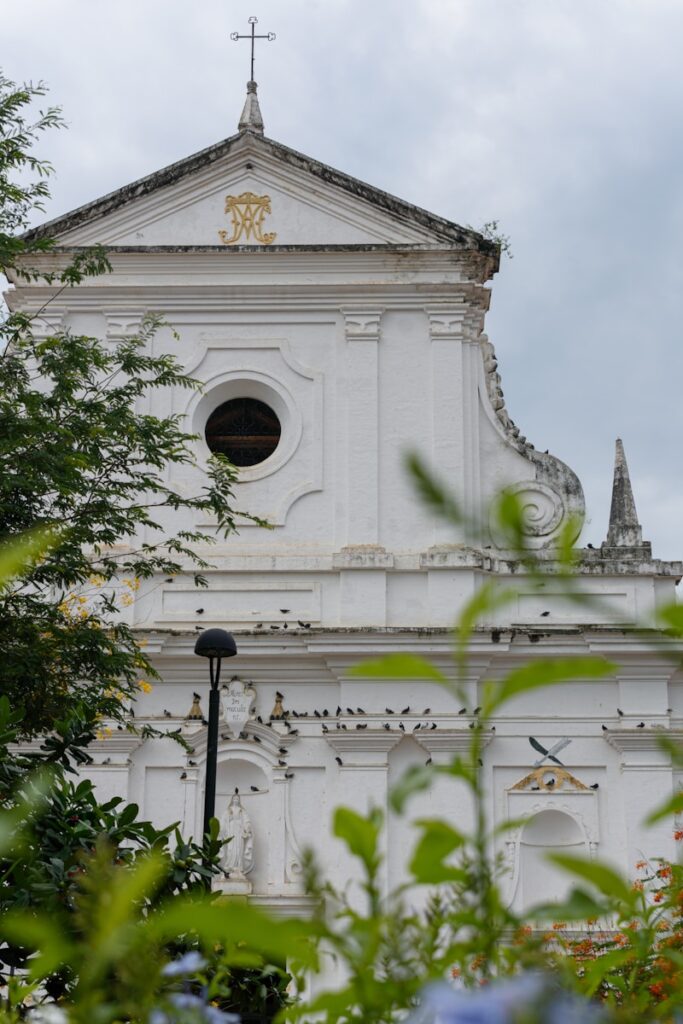
Every Santa Fe de Antioquia guide calls it “charming colonial town” and “historic gem.” Here’s what they’re not telling you: Santa Fe is sleepy, incredibly hot (32-35°C versus Medellín’s 25°C), and architecturally interesting but not dramatically scenic like Guatapé or Coffee Region. The town delivers authentic Colombian colonial history without tourist crowds, but you’re trading spectacular landscapes for quiet cobblestone streets and historic churches—a fundamentally different experience than other Medellín day trips.
Santa Fe de Antioquia is Medellín’s most accessible colonial day trip — 1.5h by bus ($3 USD), a perfectly preserved Spanish colonial town with cobblestone streets, whitewashed churches, and the famous Puente de Occidente bridge. Best visited on weekdays; weekends bring Medellín families and it gets crowded.

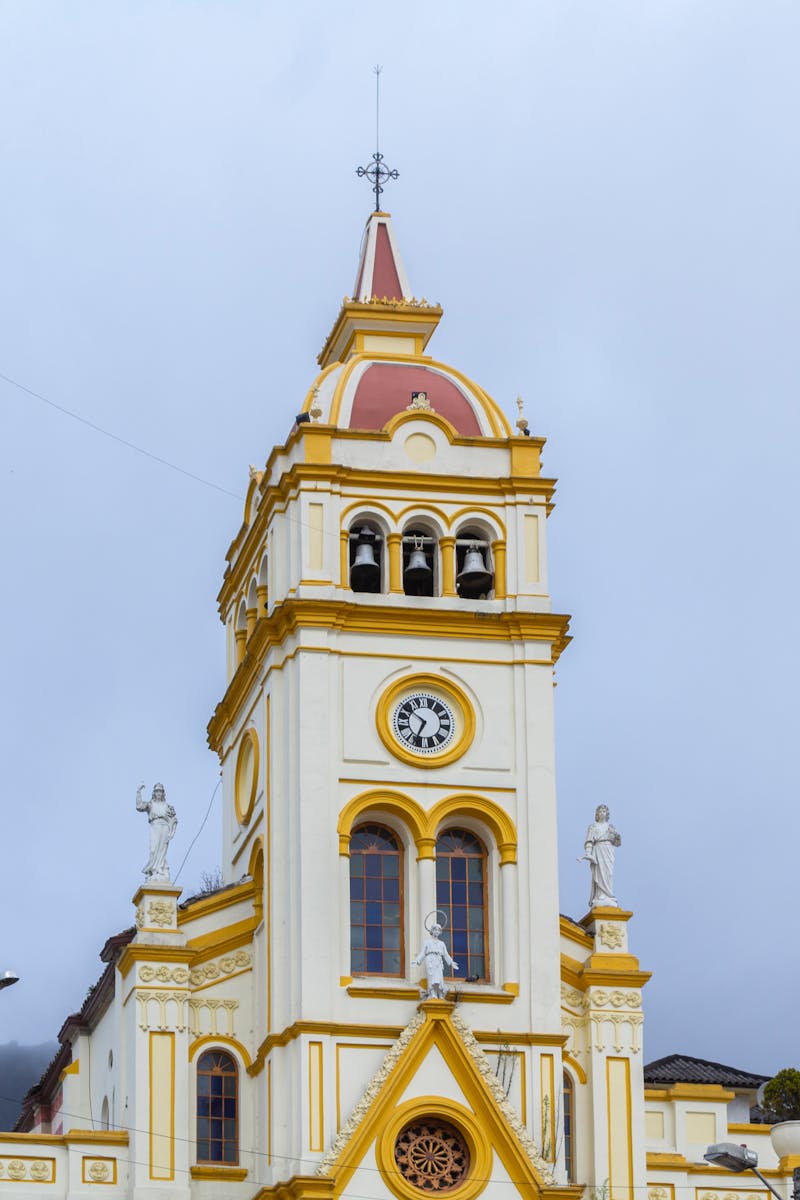


But here’s the nuance these surface-level guides miss: Santa Fe’s low-key atmosphere is precisely its appeal for specific travelers. History enthusiasts appreciate well-preserved colonial architecture without restoration theater. Heat lovers enjoy hot river-town climate after Medellín’s eternal spring. Photography buffs value the historic suspension bridge (Puente de Occidente) and authentic streetscapes. Couples seek peaceful romantic setting without party-hostel energy. The question isn’t whether Santa Fe is “good”—it’s whether quiet colonial authenticity matches your day trip priorities versus dramatic scenery elsewhere.
After visiting Santa Fe four times including overnight stay—experiencing how afternoon heat makes midday walking uncomfortable (30°C+ feels oppressive), learning which historic sites actually interest versus which are “just another church,” understanding when the Puente de Occidente bridge justifies the visit versus when it disappoints, and observing how DIY visit delivers better value than organized tours (town is too small for guided necessity)—I’ve learned when Santa Fe works versus when Guatapé or Coffee Region serve better.
Santa Fe de Antioquia is Colombia’s former regional capital (pre-Medellín), colonial town of 23,000 people located 80km northwest at significantly lower altitude (540m versus Medellín’s 1,500m) creating hot tropical climate. Founded 1541, Santa Fe preserves Spanish colonial architecture with cobblestone streets, whitewashed buildings, historic churches, and the famous Puente de Occidente suspension bridge (1895, engineering landmark). The town offers authentic Colombian history and culture without tourist infrastructure overwhelming the experience—for better (peaceful, affordable) and worse (limited dining, minimal activities).
This isn’t dismissive “Santa Fe is boring” verdict some adventure travelers push. But it’s also not uncritical “must-see colonial gem” propaganda some guides promote. This is 2026 reality: what Santa Fe actually delivers (authentic history, colonial architecture, engineering landmark bridge, peaceful atmosphere, hot climate escape), what it doesn’t deliver (dramatic landscapes, exciting activities, nightlife, extensive dining), who actually enjoys it (history buffs, architecture enthusiasts, heat lovers, romantic couples) versus who leaves disappointed (adventure seekers, photography prioritizers expecting Guatapé-level scenery, people sensitive to heat), and most importantly—honest comparison to other day trips so you choose wisely.
Planning Medellín day trips? See our complete activities guide for all options, Guatapé day trip for colorful-town alternative with dramatic scenery, Jardín guide for coffee culture focus, and when to visit Medellín for weather timing.
Quick Facts: Santa Fe de Antioquia at a Glance
Journey Details:
- Distance: 80km from Medellín (160km round-trip)
- Drive time: 1.5 hours each way (3 hours total driving)
- Total duration: 6-8 hours (comfortable day trip, not rushed)
- Main attractions: Colonial town, Puente de Occidente bridge, churches
Climate Difference:
- Altitude: 540m (versus Medellín 1,500m)
- Temperature: 28-35°C (versus Medellín 20-28°C)
- Climate: Hot tropical (bring sun protection, hydration)
- Best time: Early morning or late afternoon (midday brutal)
Main Attractions:
- Puente de Occidente: Historic suspension bridge (1895, 291m span)
- Plaza Mayor: Colonial main square with cathedral
- Iglesia de Santa Bárbara: White baroque church (most photographed)
- Museo Juan del Corral: Local history museum
- Colonial streets: Whitewashed buildings, cobblestone, balconies
Cost Range:
- Organized tour: Mid-range tier per person
- Private driver: Upper-mid tier (split among group)
- DIY bus: Budget-friendly tier
- Town expenses: Very affordable (budget tier meals, free attractions)
Physical Requirements:
- Walking: Moderate (2-3 hours exploring town on foot)
- Fitness level: Easy (flat terrain, no hiking required)
- Heat tolerance: Important (32-35°C midday can be exhausting)
What’s Realistic in Day Trip:
- Walk colonial town center (2-3 hours comfortably)
- Visit Puente de Occidente bridge (1 hour including transport)
- Museum visits if interested (1-2 hours)
- Lunch at local restaurant
- River swimming if hot (optional cool-down)
- Return to Medellín relaxed (not exhausted like Coffee Region)
Best For:
- History and architecture enthusiasts
- Travelers wanting peaceful, authentic Colombian town
- Heat lovers escaping Medellín’s cooler climate
- Romantic couples seeking quiet atmosphere
- Photographers interested in colonial architecture
- Budget-conscious travelers (very affordable)
Not Ideal For:
- Adventure seekers (minimal activities beyond walking)
- People expecting Guatapé-level scenery (no dramatic landscapes)
- Heat-sensitive travelers (midday heat is intense)
- Party/nightlife seekers (town sleeps early)
- Families with young kids (limited kid-specific activities)
Atmosphere:
- Weekdays: Very quiet, locals only, authentic pace
- Weekends: Slightly busier with Colombian families, still calm
- Overall vibe: Sleepy colonial town, hot, peaceful, traditional
Safety:
- Very safe (small town, low crime, family-friendly)
- Standard precautions sufficient (watch belongings, basic awareness)
- Safer than Medellín city center (small-town security)
Day Trip Comparison: Santa Fe vs Alternatives
| Destination | Distance | Duration | Climate | Main Appeal | Activity Level | Cost |
|---|---|---|---|---|---|---|
| Santa Fe | 80km, 1.5hr | 6-8 hours | Hot (32-35°C) | Colonial history, architecture, bridge | Low (walking only) | Budget-mid |
| Guatapé | 130km, 2hr | 8-9 hours | Cool (18-24°C) | Colorful town, rock climb, lake | Moderate (stairs) | Mid-range |
| Coffee Region | 200km, 3.5hr | 10-12 hours | Cool (15-20°C) | Wax palms, hiking, coffee | High (hiking) | Mid-premium |
| Jardín | 180km, 3hr | 8-10 hours | Moderate (20-26°C) | Coffee culture, waterfall | Moderate (hiking) | Mid-range |
Santa Fe Transport Options Comparison
| Option | Cost Per Person | Duration One-Way | Flexibility | Comfort | Best For |
|---|---|---|---|---|---|
| Public Bus | Budget-friendly tier | 2-2.5 hours | Low (fixed schedule) | Basic but adequate | Solo travelers, budget-conscious |
| Private Driver | Upper-mid tier total (split 3-4 people) | 1.5 hours | High (your timing) | High (comfortable van) | Groups, families, flexible planners |
| Organized Tour | Mid-range tier | 1.5-2 hours | Low (group schedule) | High (tour van) | First-timers wanting guidance |
| Rental Car | Mid-range tier (split 2-4 people) | 1.5 hours | Maximum (total control) | High (your vehicle) | Experienced drivers, adventurous |
Understanding Santa Fe’s History and Geography
Why Santa Fe Matters Historically
Founded 1541: Santa Fe de Antioquia predates Medellín by 175 years, serving as Antioquia department’s capital until 1826. The town represents Spanish colonial era when this region was frontier territory between Cartagena and interior Colombia.
Why capital moved to Medellín: Gold mining declined, hot climate made administration uncomfortable, and Medellín’s higher altitude offered better farming conditions. Santa Fe became backwater, which ironically preserved its colonial character—no money for modernization meant historic buildings survived largely unchanged.
What this creates today: Time-capsule colonial town without tourist restoration (unlike Cartagena’s polished tourist zone). Buildings are genuinely old, not recreated. Streets feel authentic because they haven’t been Disney-fied for visitors. This appeals to history purists but might disappoint those expecting pristine Instagram-perfect colonial fantasy.
The Altitude and Climate Impact
Medellín altitude: 1,500m (eternal spring, 20-28°C year-round) Santa Fe altitude: 540m (hot tropical, 28-35°C daytime)
Temperature difference: Typically 8-12°C hotter than Medellín. When Medellín is pleasant 24°C, Santa Fe is sweltering 35°C. This creates both appeal (hot climate escape from Medellín’s sometimes-chilly evenings) and challenge (midday heat makes walking uncomfortable).
Practical impact:
- Morning visits (8-11am) tolerable, interesting
- Midday (12-3pm) brutally hot, seek shade/AC
- Late afternoon (4-6pm) cools slightly, pleasant again
- Evening more comfortable but attractions close
What guides don’t emphasize: The heat is genuinely oppressive midday. This isn’t “warm pleasant sun”—it’s sticky tropical heat making you sweat through clothes within 30 minutes. If you’re heat-sensitive or coming from cold climates, this might ruin the experience despite town’s charm.
Puente de Occidente: The Engineering Landmark
Built 1895: Suspension bridge spanning Cauca River, designed by José María Villa. At construction, it was one of South America’s longest suspension bridges (291-meter span).
Why it matters: Represents Colombian engineering achievement during infrastructure development era. Villa designed it without formal engineering education, using intuition and observation of European bridges. For 60+ years, it was region’s critical transport link before modern highways.
Current status: Still standing and functional (though vehicle weight now restricted). Pedestrians can walk across freely. It’s genuinely impressive from engineering-history perspective but photographically less dramatic than guides suggest—it’s rust-colored metal suspension bridge over brown river, not Golden Gate Bridge-level scenic icon.
Realistic expectations: If you’re civil engineering enthusiast or history buff, the bridge is fascinating (walk across, examine construction, appreciate achievement). If you’re casual visitor expecting spectacular photo opportunity rivaling Guatapé’s colorful streets or Coffee Region’s palm valley, you’ll be underwhelmed. It’s historically significant, visually… fine.
🔑 Local Secret: The best view of Puente de Occidente isn’t from the bridge itself—it’s from the small riverside park 200 meters downstream on the Santa Fe side where you can see the entire bridge span in context with surrounding landscape. Tour groups walk straight onto the bridge for obligatory photos, missing the superior perspective. Exit the bridge on Santa Fe side, turn right, walk 3-5 minutes along dirt path parallel to river (safe, locals use it), and you’ll reach informal viewpoint with benches where local families picnic. From here, photograph the full bridge with river context, and watch locals swimming in the river below (safe spots during dry season). This is where Colombian families who grew up visiting Santa Fe bring their kids—not the tourist-crowded bridge walkway. The path is unmarked but obvious if you look for families heading that direction. Visit early morning (7-8am) for best light and zero crowds—even weekend visitors don’t arrive until 10am, leaving you alone with the view locals have cherished for generations.
What NOT to Do in Santa Fe de Antioquia
1. Don’t Visit Midday (12-3pm) in Hot Season
The mistake: Arriving Santa Fe around noon, attempting to walk the town during peak heat (32-35°C+)
The reality: The town is genuinely unpleasant midday during hot months (Dec-March, June-August dry seasons when heat peaks). Cobblestone streets radiate stored heat, colonial buildings lack AC, shade is limited on main streets, and you’ll sweat through clothes within 20 minutes. Walking becomes miserable slog rather than pleasant exploration. Locals retreat indoors for siesta—shops close, restaurants empty, streets deserted. You’re fighting both physical discomfort and closed attractions.
How this creates problems: You book organized tour departing Medellín 9am, arrive Santa Fe 10:30am, guide gives 2-hour walking tour during peak midday heat while you’re exhausted, cranky, desperately seeking shade. Or you drive yourself, park at noon, start walking, realize within 30 minutes this is miserable, and retreat to cafe for extended refuge (killing exploration time). The heat genuinely impacts experience quality—you can’t enjoy architecture when you’re focused on surviving temperature.
What to do instead: Depart Medellín 7am (early but worthwhile), arrive Santa Fe 8:30am when it’s still tolerable warm not oppressive hot. Explore town 9am-noon (4 solid hours before brutal peak heat), eat early lunch in AC restaurant, visit bridge during cooler late morning, then either: (a) return to Medellín early afternoon, or (b) find swimming spot and wait out heat, resuming exploration 4-5pm when temperature drops. If you can’t leave Medellín early, arrive Santa Fe after 3pm for late afternoon/evening visit when heat becomes manageable.
Alternative timing: Visit during Medellín’s rainy season (April-May, October-November) when Santa Fe is also cloudy and cooler. The town goes from 35°C brutal to 28°C tolerable. Trade-off: less guaranteed sun for photography, but infinitely more pleasant walking conditions. For heat-sensitive travelers, rainy season Santa Fe is actually better choice than dry season.
For climate planning: When to visit Medellín guide with seasonal heat patterns.
2. Don’t Book Organized Tours for Santa Fe
The mistake: Paying mid-range tier for organized group tour when Santa Fe is easily navigable DIY
The reality: Santa Fe is tiny colonial town with simple grid layout centered on Plaza Mayor. You cannot get lost. Main attractions (bridge, churches, plaza, museum) are within 10-minute walk of each other. There’s no complex logistics requiring guide, no language barrier preventing self-navigation (friendly locals help if needed), and no safety concerns requiring group protection. Organized tours charge moderate premium for “guiding” a town you could navigate with phone map in 5 minutes.
What tour actually adds: Transport from Medellín (fair value), guide explaining history at 3-4 stops (interesting if you care, pointless if you don’t), and fixed schedule forcing you to follow group pace and timing (inflexible, often during hot midday). You’re paying moderate extra for convenience you don’t actually need and schedule that likely mistimes your visit relative to heat.
What to do instead: Take public bus from Terminal Norte (budget-friendly tier, 2 hours but direct and comfortable) or hire private driver if traveling as group (upper-mid tier split 3-4 ways = reasonable). Arrive independently, download basic walking tour route from Google Maps or follow crowds to obvious attractions, and explore at your own pace. When it gets hot, duck into cafe. When you’re done, leave—no waiting for group. Save moderate tier versus tour for better Medellín dining or overnight trip elsewhere.
Exception: If you genuinely value historical context and guided narration enhances your experience significantly, tours make sense. But be honest: will you remember the guide’s explanation of 1895 bridge construction techniques, or are you just walking around a town you could explore yourself? Most people are latter category.
3. Don’t Expect Guatapé-Level Scenery or Activities
The mistake: Booking Santa Fe expecting colorful photogenic town and exciting activities based on “colonial gem” marketing
The reality: Santa Fe delivers authentic colonial architecture (whitewashed buildings, cobblestone streets, traditional layout) but it’s not Guatapé’s rainbow-bright zócalo fantasy. Buildings are mostly white/cream with traditional Spanish colonial aesthetic—historically accurate but visually subdued. The setting is flat river valley, not dramatic mountain lakeside. “Activities” are walking, looking at buildings, visiting bridge, maybe swimming in river. There’s no rock to climb, no cable car, no dramatic vistas, no adventure sports. It’s quiet historical town, not exciting destination.
Why comparisons emerge: Both are colonial towns near Medellín marketed as day trips. Tour companies bundle them as interchangeable “colonial town options.” But the experiences differ fundamentally: Guatapé combines colorful architecture with spectacular lake scenery and rock climb activity; Santa Fe offers authentic history in hot sleepy setting with minimal activities. Expecting Guatapé energy and scenery leads to Santa Fe disappointment.
What to do instead: Choose Santa Fe specifically FOR its quiet historical authenticity, not despite it. If you want colorful photo-perfect town and exciting activities, book Guatapé instead—it delivers those better. Santa Fe works when you specifically value: authentic colonial architecture over colorful restoration, peaceful atmosphere over tourist energy, historical depth over scenic drama, and hot climate escape over mountain freshness. Know what you’re choosing and why.
Red flag in guides: Any description calling Santa Fe “colorful” or “exciting”—this signals guide hasn’t actually visited or is deliberately misleading. Accurate descriptions say “authentic,” “peaceful,” “historical,” “hot,” “sleepy.” Those accurately capture the experience.
For colorful alternative: Complete Guatapé day trip guide with scenery and activities.
4. Don’t Skip Hydration and Sun Protection
The mistake: Treating Santa Fe like Medellín climate-wise, bringing same light clothing and minimal water
The reality: Santa Fe’s combination of low altitude (540m), tropical latitude, and minimal tree cover creates serious sun exposure and dehydration risk. You’re descending 1,000m from Medellín into hotter climate zone, walking on heat-radiating cobblestones under direct sun, with limited natural shade. Dehydration happens faster than you expect, and sunburn occurs even through clouds at this altitude. This isn’t paranoia—it’s genuine health risk especially for visitors from temperate climates.
Common dehydration signs: Headache, dizziness, extreme tiredness, irritability. People attribute this to “long day” when actually they’re mildly dehydrated from sweating in heat without adequate replacement. By time you feel thirsty, you’re already somewhat dehydrated. In Santa Fe’s heat, you’re losing water constantly through perspiration.
What to bring: Water bottle (1-2 liters minimum, refill at restaurants), high-SPF sunscreen (30+ minimum, reapply every 2 hours), hat with brim (protects face and neck), sunglasses (UV protection), and lightweight long-sleeve shirt option (paradoxically cooler than tank top under direct sun). Budget for buying cold drinks throughout day—staying hydrated costs moderate range but prevents misery.
What happens if you skip: You feel progressively worse as day continues, get cranky and exhausted, blame Santa Fe for being “boring” when actually you’re just dehydrated and sun-exhausted, and associate the town with physical discomfort. Then you tell friends Santa Fe wasn’t worth it—when problem was preparation, not destination.
What to do instead: Overhydrate before arriving (drink extra water during drive), buy large water bottle immediately upon arrival, apply sunscreen religiously, seek shade frequently, and recognize when heat is impacting you (rest in AC cafe, don’t push through discomfort). Santa Fe’s charm increases dramatically when you’re comfortable—heat management makes the difference between enjoyable historical exploration and survival march.
5. Don’t Plan Extensive Activities Beyond Town Walking
The mistake: Expecting Santa Fe to fill full 8-hour day with diverse activities like Guatapé or Coffee Region
The reality: Santa Fe’s attractions are: walk colonial streets (90 minutes), visit Puente de Occidente (45 minutes), see Plaza Mayor and cathedral (30 minutes), maybe local museum (45 minutes if interested), and potentially river swimming (1-2 hours if hot). That’s 4-5 hours maximum including leisurely lunch. There’s no second major attraction, no extensive hiking, no adventure activities, no nightlife. It’s genuinely small sleepy town where you walk around, appreciate architecture, then you’re done.
What this means for planning: If you arrive 9am expecting to stay busy until 5pm like Guatapé itinerary, you’ll exhaust Santa Fe’s offerings by 1pm and find yourself sitting in plaza wondering “now what?” This creates disappointment not because Santa Fe failed, but because expectations were wrong. The town is 2-3 hour experience, not full-day destination.
What to do instead: Combine Santa Fe with realistic expectations and smart scheduling. Options: (a) Short morning visit (arrive 8am, done by noon, back to Medellín by 2pm for afternoon city activities), (b) Relaxed pace with extensive breaks (arrive 9am, long lunch, siesta during heat, lazy afternoon, leave 4pm), (c) Combine with river activities if hot (spend 2-3 hours swimming and relaxing rather than forcing town exploration). Or choose different destination if you want full-day packed itinerary—Guatapé delivers that better.
Alternative perspective: Santa Fe’s simplicity is feature not bug. After rushed Medellín days of Comuna 13, Guatapé, Coffee Region packed schedules, a chill historical town with minimal demands feels relaxing. But only if you’re choosing that deliberately, not expecting excitement that doesn’t exist.
6. Don’t Visit Santa Fe If You’re Not Interested in Colonial History
The mistake: Booking Santa Fe because it’s “another Medellín day trip” without caring about colonial architecture or history
The reality: Santa Fe’s entire appeal is historical and architectural. If churches don’t interest you (“just another church”), colonial buildings look similar (“all white buildings look the same”), and historical significance doesn’t engage you (“I don’t care when it was built”), then Santa Fe has nothing to offer. The suspension bridge is interesting from engineering perspective—if you don’t care about engineering, it’s just old metal bridge. Remove historical interest and you’re left with: hot small town with minimal activities and no dramatic scenery.
Who actually enjoys Santa Fe: Architecture enthusiasts who appreciate Spanish colonial design details (balconies, courtyards, building proportions). History buffs interested in Colombian colonial era and capital relocation story. Engineers fascinated by 19th-century suspension bridge construction. Romantic couples wanting peaceful atmosphere. Photographers seeking authentic colonial streetscapes. People who find beauty in well-preserved historical authenticity even without dramatic landscapes.
Who should skip Santa Fe: Adventure seekers (no activities), landscape photographers (flat river valley, no vistas), families with young children (kids bored quickly), party travelers (nightlife nonexistent), people indifferent to architecture/history (nothing else to engage), and anyone expecting Guatapé-level visual excitement or Coffee Region-level natural drama.
What to do instead: Be ruthlessly honest about your actual interests before booking. If colonial history genuinely interests you, Santa Fe delivers authentic experience at accessible distance. If you’re going because “guide recommended it” without personal interest in the subject matter, choose different day trip aligned to what you actually enjoy—dramatic nature (Coffee Region), colorful scenery (Guatapé), authentic paisa culture (Jardín), or city experiences (Comuna 13, Medellín museums).
Decision framework: Ask yourself: “Would I visit similar colonial town in my own country?” If yes, Santa Fe works for you. If no (colonial architecture bores you generally), skip Santa Fe regardless of Colombian context—being in Colombia doesn’t magically make history interesting if history doesn’t interest you.
🔑 Local Secret: The absolute best restaurant in Santa Fe that virtually no tour groups or travel guides mention is Portón de Occidente (2 blocks south of Plaza Mayor on Calle 12)—tiny family-run establishment serving authentic Antioqueño home cooking for budget-tier when tourist restaurants around plaza charge mid-range for mediocre quality. Doña Carmen has cooked traditional paisa recipes in this same location for 35+ years, her daughter Rosa serves, and local Santa Fe families eat lunch here every day (not tourists). The menu is handwritten daily specials: bandeja paisa like your Colombian grandmother would make, sancocho (hearty soup), trucha (fresh trout from nearby river), and almuerzo del día (economical full lunch). There’s no English menu, no tourist photos on walls, no tripadvisor sticker—just honest Colombian food served with warmth in simple setting with plastic chairs and family photos on walls. The secret: Santa Fe locals recommended this to me specifically saying “don’t eat on the plaza—that’s for tourists who don’t know better.” Ask any local “donde está el Portón?” and they’ll point you there with approval. Go hungry, order whatever Doña Carmen recommends (trust her completely), and eat the most authentic Colombian meal of your Medellín trip for half what you’d pay at tourist traps. Hours are 11:30am-3pm only (lunch service), closed Sundays. This is why you visit Santa Fe—to experience authentic Colombia rather than tourist performance.
Exploring Santa Fe de Antioquia
The Colonial Town Center
The Colonial Town Center
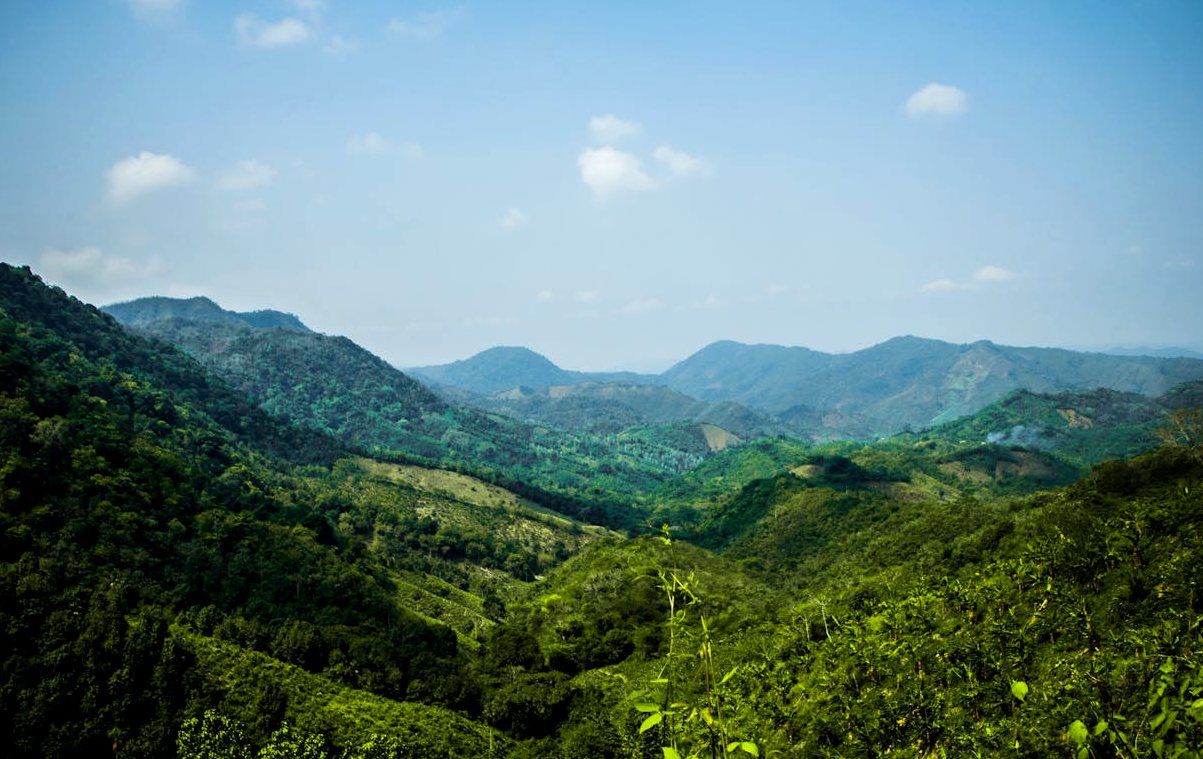
Plaza Mayor: Main square with cathedral (Catedral Basílica Metropolitana), benches, colonial buildings. This is the social center where locals gather evenings and weekends. Photographically pleasant but not dramatically colorful—it’s traditional Spanish colonial aesthetic (white buildings, red tile roofs, arcades). The plaza comes alive 6-8pm when families promenade and socialize—daytime it’s sleepy.
Iglesia de Santa Bárbara: Most photographed church (all-white baroque facade), located on hill overlooking town. The walk up provides town panorama view—not spectacular landscape but pleasant colonial rooftop perspective. Worth 15-minute visit if you appreciate architecture; skip if churches bore you. The interior features traditional Catholic baroque style with gold accents and religious artwork.
Museo Juan del Corral: Local history museum in colonial house. Small collection covering regional history, independence era, daily colonial life. Museum is budget-friendly tier entry, takes 45 minutes to visit properly. Only worthwhile if you’re genuinely interested in local history—it’s not world-class collection, just solid regional museum. Exhibits are Spanish-only with minimal English translation.
Colonial streets: The pleasure is wandering cobblestone streets observing architectural details (wooden doors, iron balconies, interior courtyards visible through doorways, colonial color schemes). This requires interest in architecture—if buildings don’t engage you, 20 minutes of walking exhausts the novelty. Look for houses with open doors where you can glimpse interior courtyards (central Colombian architectural feature).
Getting Around Santa Fe
Town is tiny: 800m x 600m colonial center. You walk everywhere. No taxis needed, no transport complications.
From Medellín options:
Public bus (budget-friendly):
- Terminal Norte Medellín
- Companies: Rápido Ochoa, others
- Frequency: Every 30-60 minutes
- Duration: 2-2.5 hours (longer than car)
- Cost: Budget-friendly tier each way
- Returns: Every 30-60 minutes until 7pm
Private driver (upper-mid tier):
- Hire through hotel or Uber
- Duration: 1.5 hours each direction
- Flexibility: Your timing, your pace
- Cost per group: Upper-mid tier (reasonable split 3-4 people)
Organized tour (mid-range tier):
- Departs 8-9am, returns 5-6pm
- Includes: Transport, guide, sometimes lunch
- Fixed schedule: Less flexibility
- Cost: Mid-range tier per person
DIY strategy: Bus is most economical, driver is most flexible. Tours only make sense if you specifically value guided historical narration.
River Activities (Optional)
🔑 Local Secret: Every Saturday morning 6-9am, Santa Fe hosts a tiny farmers market (mercado campesino) in parking lot behind church on Calle 10—where local farmers from surrounding hills sell fresh produce, handmade cheeses, traditional sweets, and flowers that you’ll never see in tourist restaurants or shops. This is where Santa Fe locals actually buy their weekly groceries (not supermarkets—those are for packaged goods only), and it operates on generations-old social rhythms tourists never witness. Arrive 7am when market peaks: elderly paisa farmers selling avocados the size of your head for budget-friendly tier, cheese makers offering samples of fresh queso campesino, women selling homemade bocadillo (guava paste) wrapped in banana leaves, flower vendors arranging roses and carnations, and Santa Fe families shopping while greeting neighbors they’ve known for decades. There are no signs, no tourist infrastructure, no English—just authentic Colombian market culture existing exactly as it has for 100+ years. Buy fresh fruit for day’s exploration (mangos, bananas, granadillas), sample the cheeses until vendors insist you take some home, observe the social fabric of small-town Colombian life, and leave having experienced the Santa Fe locals actually inhabit versus the colonial-museum version tourists see. The market is gone by 9:30am (farmers return to their land), so early wake-up is mandatory—but this 2-hour Saturday window captures more authentic Colombia than any guided tour delivers. Most hotel guests sleep through this completely, never realizing they missed the most genuine cultural experience Santa Fe offers. Ask your hotel “donde está el mercado campesino?” the night before—they’ll point you to the spot and confirm Saturday timing.
Cauca River swimming: During dry season (Dec-March, June-August), locals swim in river near town. There are informal access points where families gather. The water is brown (river sediment) but safe for swimming in designated spots locals use.
When this works: Midday heat (12-3pm) when walking town is miserable, river provides cooling relief. Local families do this—bring towel, swim where you see other people, enjoy hot-climate river culture.
When this doesn’t work: Rainy season (river too high/dangerous), if you’re squeamish about brown water (it’s fine but visually unappealing), or if you didn’t bring swimwear.
Safety: Swim only where locals swim (they know safe spots). River has currents and depth variations—don’t explore random locations yourself.
Food and Dining
Budget tier options:
- Local fondas (simple restaurants)
- Street vendors (empanadas, arepas)
- Portón de Occidente (local secret)
Mid-range options:
- Plaza restaurants (tourist-oriented, reliable but uninspired)
- Hotel restaurants (AC comfort, decent quality)
What to eat:
- Bandeja paisa (ubiquitous, varies quality)
- Trucha (fresh trout)
- Sancocho (soup)
- Cholado (fruit dessert with condensed milk—refreshing in heat)
Where NOT to eat: Tourist traps on plaza charging premium for mediocre quality. Ask locals for recommendations or use Portón de Occidente secret above.
🔑 Local Secret: The hidden swimming spot locals call “El Charco” (meaning “the pool”) is pristine natural pool in Cauca River tributary 15 minutes north of Santa Fe that virtually zero tourists discover. During dry season (December-March), spring-fed stream creates crystal-clear pool (versus brown river water) where Santa Fe families swim weekends. To access: from Puente de Occidente, take dirt road heading upstream (north) on east bank, follow 2km until you hear voices and see parked motorcycles. Path is walkable but easier with vehicle—locals drive here. The pool is 50 meters off road in forest clearing, naturally formed by rocks creating calm basin, water is cool (18-20°C versus 30°C air), and depth ranges 1-3 meters (safe for swimming). This is where locals who live in Santa Fe year-round escape the tourist bridge crowds and town heat—you’ll share space with paisa families teaching kids to swim, teenagers jumping from rocks, grandparents wading and socializing. Bring towel, wear swimsuit under clothes, respect the space (no littering), and you’ll experience authentic Colombian river culture tourists never see. Weekdays almost empty; Saturday-Sunday busier but still primarily locals. Best time: Sunday 10am-2pm when family atmosphere peaks. This single experience captures why Santa Fe matters—not polished tourist attractions but genuine Colombian life in hot river town where families have gathered for generations.
Bottom Line: Is Santa Fe de Antioquia Day Trip Worth It?
Santa Fe de Antioquia is worth the 6-8 hour day trip if colonial architecture and authentic Colombian history genuinely interest you, you appreciate peaceful low-key atmosphere over dramatic scenery, and you’re comfortable with heat or visit at cooler times. The town delivers well-preserved Spanish colonial experience without tourist crowds, historic suspension bridge with engineering significance, and authentic small-town Colombian culture—but it’s quiet, hot, and activity-minimal compared to Guatapé or Coffee Region.
Book Santa Fe if:
- Colonial architecture and history genuinely engage you (not just tolerate)
- You value authentic peaceful atmosphere over tourist excitement
- Heat doesn’t bother you OR you time visit strategically (morning/evening)
- You want shorter, less exhausting day trip (6-8 hours versus 10-12)
- Budget matters (very affordable once there)
- You’ve already done Guatapé/Coffee Region and want different experience
- Romantic couple seeking quiet setting (less party-hostel energy)
Skip Santa Fe if:
- Colonial history bores you generally (nothing else compensates)
- You expect Guatapé-level scenery or activities (won’t find it)
- Heat sensitivity is significant (midday is genuinely oppressive)
- You’re seeking adventure/excitement (it’s sleepy by design)
- Limited day trip slots and other options interest you more
Choose different destination if:
- Want dramatic natural scenery: Coffee Region (wax palm valley)
- Want colorful photogenic town: Guatapé (rainbow zócalo)
- Want authentic coffee culture: Jardín (family farms)
- Want adventure activities: Paragliding in Medellín, Arví Park
- Want half-day option: Comuna 13, Medellín museums
The honest assessment: Santa Fe delivers exactly what it promises—authentic colonial history in hot sleepy setting. But it requires specific interest in that subject matter to appreciate. If colonial architecture doesn’t inherently interest you, being in Colombia won’t suddenly make it engaging. The town is lovely for what it is; the question is whether “what it is” matches what you actually want from day trip.
What separates good from bad experiences: Visitors who choose Santa Fe specifically FOR colonial history/architecture and understand it’s quiet (not exciting) stay satisfied. Visitors who book because “it’s day trip option” without interest in history or realistic expectations leave disappointed. The town hasn’t failed—the choice was wrong for their interests.
Decision framework:
- Do colonial towns generally interest you? If no → skip Santa Fe
- Can you handle heat? If no → visit rainy season or morning only
- What do you actually want? Scenery=Coffee Region; Color=Guatapé; History=Santa Fe
- How many day trips will you do? If limited, prioritize higher-interest options
- Are you budget-conscious? Santa Fe is cheapest day trip option
Santa Fe works beautifully for narrow audience: history enthusiasts, architecture lovers, heat-tolerant travelers, and people deliberately seeking quiet authentic Colombia over tourist spectacle. For everyone else, other day trips deliver more excitement, scenery, or activities per hour invested.
🎥 Santa Fe de Antioquia Tour
Explore the colonial town and historic bridge:
Frequently Asked Questions
Full Day Plan
Drive or bus via Autopista al Mar. Journey is 1.5 hours through stunning mountain tunnel scenery.
Visit the 17th-century cathedral while morning light and cool air still hold.
Best window: 9–11am before heat peaks. Photograph zaguanes, balconies, and colorful facades.
Small but excellent historical museum about Santa Fe’s role as the colonial capital.
Local restaurants near the plaza serve hearty colonial-era dishes. Midday heat hits 32–35°C.
Do as the locals do — rest somewhere cool. Even a shaded hammock works perfectly.
1.5km walk as afternoon cools. Colombia’s oldest suspension bridge (1887) spans the Cauca River.
Hammocks, aguardiente, and local crafts. Everything’s cheaper here than in Medellín.
Comfortable afternoon return before rush hour.
Evening free for dinner.
How long is Santa Fe de Antioquia day trip from Medellín?
Santa Fe de Antioquia day trips are 6-8 hours total including 3 hours driving (1.5 hours each way) and 3-5 hours exploring the town—significantly shorter and less exhausting than Guatapé (8-9 hours) or Coffee Region (10-12 hours), making it the most relaxed day trip option from Medellín.
Typical schedule: 8:00am depart Medellín, 9:30am arrive Santa Fe, 9:30am-2:00pm explore town and visit bridge (4.5 hours including lunch), 2:30pm depart for Medellín, 4:00pm return to Medellín. This leaves your Medellín evening free for other activities—unlike Coffee Region where you return exhausted at 8pm.
Why it’s shorter: Santa Fe is only 80km from Medellín (versus Guatapé 130km, Coffee Region 200km), drive is mostly highway (versus winding mountain roads), and the town itself is small enough to explore thoroughly in 3-4 hours. There’s no extended hiking like Valle de Cocora, no rock climb like La Piedra—just walking colonial streets and visiting the bridge.
Flexibility advantages: Short distance means you can depart later (9-10am instead of forced 6am), return earlier (3-4pm instead of 6-8pm), or even visit twice during your Medellín stay without major time investment. Some visitors do morning-only trip (8am-1pm) or afternoon visit (2pm-7pm) to work around other commitments.
Comparison to alternatives: If you have only one free day and want to see multiple things, Santa Fe’s short duration allows morning visit then afternoon Medellín activities. Coffee Region or Guatapé consume entire day leaving you exhausted—Santa Fe returns you refreshed.
For timing comparison: Guatapé guide (8-9 hours) and Coffee Region guide (10-12 hours).
How hot is Santa Fe de Antioquia?
Santa Fe de Antioquia is significantly hotter than Medellín with temperatures ranging 28-35°C (versus Medellín’s 20-28°C) due to 1,000-meter altitude difference—expect sticky tropical heat that makes midday walking uncomfortable, requiring strategic timing, hydration, and sun protection for pleasant experience.
Temperature by time of day: Morning (7-10am) starts tolerable at 25-28°C, midday (11am-3pm) peaks at 32-35°C making walking oppressive, late afternoon (4-6pm) cools slightly to 28-30°C, evening (after 7pm) becomes pleasant at 24-26°C. The midday peak is genuinely brutal—locals retreat indoors for siesta and only tourists suffer through it.
Why it’s so much hotter: Medellín sits at 1,500m altitude (“city of eternal spring”), Santa Fe at only 540m (1,000m lower). This altitude difference creates 8-12°C temperature gap. Additionally, Santa Fe is in tropical valley with minimal cooling breezes, while Medellín benefits from mountain air circulation.
Seasonal variation: Dry season (Dec-March, June-August) brings peak heat—35°C+ midday is common. Rainy season (April-May, October-November) provides cloud cover and occasional rain, reducing temperatures to 28-30°C range—still warm but manageable. If heat-sensitive, visit rainy season deliberately.
Practical impact on visit: Heat determines your entire experience quality. Visit midday dry season and you’ll be miserable, sweating through clothes, desperately seeking AC, cutting visit short. Visit morning/evening or rainy season and temperature is pleasant warm allowing comfortable exploration. Same town, totally different experience based on heat management.
Comparison to Medellín: When Medellín feels comfortably cool at 22°C (requiring light jacket in evening), Santa Fe is sweltering 32°C. This comes as shock to visitors accustomed to Medellín’s climate—bring sun protection, water, and expect serious heat not mild warmth.
Who handles it well: Visitors from hot climates (Southeast Asia, Africa, tropical Americas), people who love beach heat, and travelers who time visits for morning/evening. Who struggles: people from temperate/cold climates, heat-sensitive individuals, and anyone visiting midday without preparation.
For climate planning: Medellín weather guide with seasonal patterns.
What is the Puente de Occidente?
Puente de Occidente is historic 1895 suspension bridge spanning 291 meters across Cauca River, designed by Colombian engineer José María Villa without formal training—significant as engineering achievement and regional infrastructure landmark, though photographically less dramatic than tourist marketing suggests (rust-colored metal bridge over brown river, not scenic icon).
Historical significance: When constructed, it was one of South America’s longest suspension bridges. Villa designed it through observation and intuition rather than engineering education, making it impressive autodidactic achievement. For 60+ years it served as critical transport link before modern highways, facilitating commerce and connection in isolated region.
Current status: Still standing and functional 130+ years later, though vehicle weight is now restricted to prevent structural strain. Pedestrians can walk across freely (no fee), experiencing the bridge firsthand. It’s maintained as heritage site and working infrastructure—not museum piece but actual functioning bridge locals still use.
Realistic expectations for visitors: If you’re civil engineering enthusiast, bridge history buff, or infrastructure nerd, the Puente de Occidente is genuinely fascinating. Walking across provides appreciation for 1895 construction techniques, scale challenges Villa overcame, and longevity of design. If you’re casual tourist expecting Golden Gate Bridge-level scenic photography, you’ll be underwhelmed—it’s rust-colored metal spanning muddy brown river in flat valley landscape.
Photography reality: The bridge itself is interesting from engineering/historical perspective but not dramatically photogenic. Best shots come from downstream viewpoint (see Local Secret above) showing full span in context. Direct bridge-walkway photos are fine but not spectacular. This is heritage appreciation, not Instagram highlight.
Visit duration: 30-60 minutes total: drive to bridge (15 minutes from Santa Fe town center), walk across (10-15 minutes), take photos (10-15 minutes), explore downstream viewpoint (15-20 minutes). It’s quick stop, not major time investment.
Is it worth visiting: Yes if you value engineering history and colonial-era infrastructure. No if you’re expecting dramatic scenery or major attraction. The bridge matters more for what it represents (Colombian engineering achievement, historical connection) than for visual spectacle. Adjust expectations accordingly.
Is Santa Fe de Antioquia safe?
Yes, Santa Fe de Antioquia is very safe—small colonial town of 23,000 people with minimal crime, family-friendly atmosphere, and community security where tourists experience virtually no problems. Standard travel precautions (watch belongings, basic awareness) are sufficient, making it safer than Medellín city center and comparable to Colombia’s safest small towns.
Why it’s so safe: Small-town dynamics where everyone knows everyone (criminals have nowhere to hide), low tourist density means minimal opportunistic theft targeting visitors (unlike Medellín’s tourist zones), strong family presence (town culture discourages crime), minimal drug trade or gang activity (sleepy colonial town, not strategic location), and community policing (locals watch out for each other and visitors).
What safety concerns exist: Virtually none specific to Santa Fe. Standard Colombia advice applies: don’t flash expensive cameras/jewelry unnecessarily, watch bags in crowded areas (though crowds are rare), be aware of surroundings at night. But realistically, Santa Fe is small peaceful town where families walk streets freely and tourists experience almost zero incidents.
Solo female traveler perspective: Santa Fe is excellent for solo women. Daytime walking feels completely safe with families and workers everywhere. Evening remains calm and secure. Harassment levels are low (small-town culture emphasizes respect). Women travel here solo without concerns beyond normal urban awareness.
Compared to other destinations: Santa Fe is safer than Medellín (smaller, less crime infrastructure), safer than Cartagena tourist zones (fewer pickpockets), and comparable to Guatapé and Jardín (all small peaceful Colombian towns). It’s not perfect paradise (petty theft could theoretically happen) but probability is very low.
Practical safety measures: Arrive with basic street smarts, don’t wander drunk alone at 3am (though town sleeps early anyway), respect local culture, and you’ll have zero problems. Santa Fe’s safety isn’t special effort—it’s just normal small-town Colombia where crime doesn’t pay and everyone knows their neighbors.
For broader context: Complete Medellín safety guide with Colombia travel security.
Can you visit Santa Fe de Antioquia independently without tour?
Yes, Santa Fe de Antioquia is extremely easy to visit independently without organized tour—simple bus from Medellín, tiny navigable town, no safety concerns, Spanish helpful but not essential, making DIY visit more rewarding and economical than joining tour (which adds minimal value for moderate extra cost).
How to visit independently: Take bus from Terminal Norte Medellín (Rápido Ochoa or similar company, budget-friendly tier, every 30-60 minutes, 2-2.5 hour trip). Arrive Santa Fe bus terminal (10-minute walk from Plaza Mayor). Explore town on foot using phone map or following crowds to obvious attractions. Eat at local restaurants (Portón de Occidente or ask locals for recommendations). Return when ready on bus back to Medellín (last buses around 7pm). Total cost: budget-mid tier versus mid-range for tours.
Why tours aren’t necessary: Town is tiny 800m x 600m colonial center where you cannot get lost. Main attractions (plaza, churches, bridge) are obvious and within 10-minute walk of each other. There’s no complex logistics requiring coordination, no language barrier preventing navigation (friendly locals help if needed, basic Spanish phrases sufficient), and no safety concerns requiring group protection. You’re paying tour moderate premium for “guiding” a town you could navigate independently in 5 minutes.
What tour actually adds: Comfortable van transport (versus public bus), historical explanations at 3-4 stops (interesting if you care, pointless if you prefer wandering), and fixed schedule (inflexibility forcing you to follow group pace during potentially brutal midday heat). For some travelers this convenience justifies cost; for independent travelers it’s unnecessary expense.
Spanish requirements: Helpful but not essential. Santa Fe locals are friendly and patient with tourists. Basic phrases (donde está, cuánto cuesta, gracias) cover most needs. Restaurants have menus (point at what you want). Bus tickets are simple (say “Santa Fe” and pay). If you’ve managed Medellín independently, Santa Fe presents zero additional challenge.
Alternative: private driver: If traveling as group of 3-4 people, hire private driver (upper-mid tier split among group = reasonable per person). This gives comfort of guided transport with flexibility of independent visit. Driver drops you in town, you explore freely at your pace, call when ready for pickup. Best of both approaches.
When tour makes sense: If you genuinely value historical narration and guided interpretation enhances your experience significantly, tours deliver that. But be honest: will you remember guide’s explanations, or are you paying for convenience you don’t need? Most independent travelers find DIY Santa Fe perfectly manageable and more rewarding.
What should you wear to Santa Fe de Antioquia?
Wear lightweight breathable clothing with sun protection, comfortable walking shoes, and hat/sunglasses because Santa Fe’s hot tropical climate (28-35°C) and cobblestone streets require heat management and sun defense more than Medellín’s cooler eternal spring requires.
Essential clothing: Light-colored loose clothing (reflects heat, allows air circulation), moisture-wicking fabrics (synthetic or linen—cotton stays wet with sweat), shorts or light pants (personal preference but heat makes shorts appealing), breathable shirt (tank top or short-sleeve), and layers unnecessary (you’ll never need jacket in Santa Fe’s heat).
Footwear: Comfortable walking shoes or sandals with good support (you’ll walk cobblestone streets 2-3 hours). Closed-toe shoes protect from sun-heated cobblestones. Sandals work but ensure ankle support and cushioning. Absolutely avoid new untested footwear (blisters ruin visits).
Sun protection essentials: Wide-brim hat (protects face and neck from direct sun), sunglasses with UV protection (glare is intense), high-SPF sunscreen (30+ minimum, reapply every 2 hours especially if sweating), and possibly light long-sleeve shirt (paradoxically cooler than tank top under direct sun by preventing skin exposure).
What NOT to wear: Heavy fabrics (denim, thick cotton—you’ll overheat), dark colors (absorb heat making you hotter), formal clothing requiring dry-cleaning (you’ll sweat), white clothes showing every sweat stain (unless you don’t care), and anything restrictive or uncomfortable (heat magnifies discomfort).
Optional items: Swimsuit under clothes if planning river swimming, small daypack for water bottle and layers you remove, bandana or cooling towel (wet it for neck cooling), and extra shirt to change into if you sweat through first one.
Adaptation from Medellín packing: If you packed for Medellín’s 20-28°C eternal spring, add lighter options for Santa Fe’s 28-35°C heat. Bring one outfit specifically for hot climate that you wouldn’t necessarily wear in cooler Medellín.
Is Santa Fe better than Guatapé for a day trip?
Santa Fe and Guatapé serve different interests—choose Guatapé if you want colorful photogenic scenery, dramatic landscapes, and exciting activities; choose Santa Fe if you prioritize authentic colonial history, peaceful atmosphere, and shorter less-exhausting trip. Neither is objectively “better”—they’re fundamentally different experiences appealing to different traveler types.
Guatapé advantages: Rainbow-bright colorful town (Instagram-perfect zócalos), spectacular lakeside setting with mountain views, La Piedra rock climb (740 steps, panoramic vista), boat rides and water activities, vibrant tourist energy, and dramatic scenery for photography. If you value visual excitement and activities, Guatapé delivers better.
Santa Fe advantages: Authentic colonial architecture (not colorful but historically genuine), peaceful uncrowded atmosphere, historic engineering landmark (Puente de Occidente), significantly shorter trip (6-8 hours versus 8-9), very affordable once there, and hot climate if you enjoy heat. If you value historical authenticity and relaxed pace, Santa Fe works better.
Logistics comparison: Santa Fe is closer (80km, 1.5 hours versus Guatapé 130km, 2 hours), less exhausting (shorter day), easier DIY (simpler bus access), and more budget-friendly. Guatapé requires more time/energy investment but delivers more exciting payoff for that investment.
Photography comparison: Guatapé wins decisively for colorful architecture and dramatic landscape photography. Santa Fe offers subtle colonial aesthetics and historical subjects—beautiful if you appreciate that style but not “wow” scenery most travelers seek.
Who prefers which: Guatapé appeals to: adventure seekers, landscape photographers, colorful-scene enthusiasts, families (more activities), first-time visitors wanting “best” day trip. Santa Fe appeals to: history buffs, architecture enthusiasts, peaceful-atmosphere seekers, heat lovers, travelers who’ve already done Guatapé and want different experience.
Can you do both: Yes, and combination works well—they’re different enough that visiting both makes sense if you have 5+ days in Medellín. Guatapé for scenery/excitement, Santa Fe for history/authenticity.
If you can only choose one: Pick based on honest self-assessment of interests. Do colorful scenes and activities excite you more than colonial history? Choose Guatapé. Does authentic architecture interest you more than dramatic scenery? Choose Santa Fe. Be truthful with yourself—most travelers prefer Guatapé’s excitement but some genuinely prefer Santa Fe’s authenticity.
For Guatapé details: Complete Guatapé guide with timing and activities.
Can you visit Santa Fe de Antioquia with kids?
Santa Fe works with children ages 8+ who can handle 2-3 hours walking in heat and appreciate some historical context—but limited kid-specific activities, intense midday heat, and minimal excitement make Guatapé or Arví Park significantly better family choices for most families with young children.
Why Santa Fe is challenging with kids: “Activities” are walking and looking at buildings (boring for children), heat is genuinely uncomfortable for young kids (32-35°C midday), limited playground or kid-friendly infrastructure, and historical significance doesn’t engage children who don’t understand colonial-era context. Kids 30 minutes into visit: “Are we done yet?” Parents: “We just started…”
What could work with kids: River swimming during hot months (kids enjoy water, provides activity beyond walking), Puente de Occidente bridge (10 minutes crossing can be interesting), ice cream shops around plaza (heat makes this appealing), and shorter visit duration (arrive morning, done by noon = manageable versus full-day other trips).
Age considerations: Kids under 6 will be bored and uncomfortable (too young for historical appreciation, heat tolerance low). Ages 6-8 borderline (depends on individual child’s heat tolerance and interest in architecture). Ages 8-12 can manage if you frame it right (“adventure to old town, swim in river, walk on historic bridge”). Teens generally tolerate if not enthuse.
Better family alternatives: Guatapé (colorful streets kids enjoy, rock climb is exciting, boat rides available), Arví Park (cable car fun, nature trails, playgrounds), Comuna 13 (graffiti interests kids, escalators cool, shorter half-day), or Medellín museums (Parque Explora science museum specifically kid-designed). These deliver kid-appropriate activities Santa Fe lacks.
If you do bring kids to Santa Fe: Time visit for cooler morning/evening, plan river swimming as main activity (not walking), keep expectations realistic (2-hour visit maximum), bring substantial snacks and water, and have backup plan if kids meltdown early (okay to leave after 1 hour if not working).