Every guide to Jardín Botánico calls it “must-see Medellín attraction” and “peaceful oasis.” Here’s what they’re not telling you: the garden is lovely but small (14 hectares), lacks dramatic landscapes or extensive trail networks, and while free entry makes it budget-friendly, the experience takes only 2-3 hours leaving some visitors wondering if the metro trip was worthwhile. The orchid collection is genuinely world-class and butterfly enclosure delightful, but expectations matter—this is urban botanical garden, not expansive nature reserve.
Jardín Botánico de Medellín is one of the best free things to do in the city — 14 hectares of gardens, the iconic Orquideorama (butterfly-wing roof structure), and a surprisingly tranquil escape from El Centro. Free admission. Open Tuesday-Sunday 8am-5pm. Walk from Estadio metro station (15 min) or Metro Plus.
But here’s the nuance these surface-level guides miss: Jardín Botánico delivers exactly what Medellín needs—accessible nature escape from urban intensity, educational plant collections showcasing Colombian biodiversity, peaceful environment for families and couples, and completely free attraction in city where tourist activities add up quickly. The question isn’t whether it’s “good enough”—it’s whether compact green space experience matches your interests versus other Medellín activities competing for your time.
After visiting Jardín Botánico six times across different seasons and times of day—experiencing how weekend family crowds transform the peaceful atmosphere (weekdays far superior), learning which sections actually engage versus which are “walk past quickly” landscaping, understanding when orchids bloom creating spectacular displays versus when greenhouse feels sparse, and observing how the butterfly enclosure operates (mornings better than afternoons when butterflies become sluggish)—I’ve learned when the garden works versus when other activities serve better.
Jardín Botánico de Medellín (officially Jardín Botánico Joaquín Antonio Uribe) is 14-hectare urban botanical garden in Universidad area featuring 4,500+ species (14,000+ individual plants), specialized collections including Colombia’s largest orchid display (orquideorama), butterfly enclosure (mariposario), medicinal plants, cactus garden, lake with native fish, and educational exhibits. Founded 1972, the garden serves both recreational (free public access) and scientific (plant research, conservation) purposes, making it accessible urban nature experience rather than exclusive attraction.
This isn’t dismissive “botanical garden is boring” verdict some adventure travelers push. But it’s also not uncritical “essential Medellín must-see” propaganda some guides promote. This is 2026 reality: what the garden actually delivers (orchid collection, butterflies, peaceful walking, plant education, free entry), what it doesn’t deliver (extensive hiking, dramatic landscapes, full-day experience, exciting activities), who genuinely enjoys it (plant enthusiasts, families, peaceful-atmosphere seekers, budget travelers, photographers) versus who leaves disappointed (adventure seekers, people expecting major attraction, visitors with minimal plant interest), and most importantly—honest assessment helping you decide if 2-3 hours here beats alternative Medellín activities.
Short Medellín stays wanting nature without day trip
Not Ideal For:
People expecting extensive hiking trails (it’s small)
Adventure activity seekers (no zip-lines or challenges)
Visitors with no interest in plants (nothing else compensates)
Those wanting full-day attraction (2-3 hours maximum)
Rainy day refuge (mostly outdoor, limited covered areas)
Atmosphere:
Weekdays: Peaceful, quiet, few visitors, meditative
Weekends: Family-friendly busy, children playing, social
Overall vibe: Urban park meets botanical collection, relaxed
Physical Requirements:
Easy walking on paved paths
Wheelchair accessible (mostly flat, some slopes)
Suitable all ages and fitness levels
No hiking or exertion required
Jardín Botánico vs Other Medellín Nature Options
Option
Distance
Duration
Cost
Nature Type
Activity Level
Best For
Botanical Garden
Universidad (metro)
2-3 hours
FREE
Curated plants, educational
Easy walking
Plant enthusiasts, families, free option
Arví Park
Cable car 45 min
4-6 hours
Budget-mid
Cloud forest, trails
Moderate hiking
Hikers, nature lovers, adventure
Pueblito Paisa
Nutibara metro
1-2 hours
FREE
City viewpoint, replica village
Easy walking
Quick views, photos
Parque Explora
Next to Garden
3-4 hours
Mid-range
Science museum, aquarium
Interactive exhibits
Families, kids, science fans
Garden Sections: Time & Interest Guide
Section
Time Needed
Interest Level
Best For
Skip If…
Orquideorama (Orchids)
45-60 min
Essential
Everyone visiting
You hate flowers (why are you here?)
Mariposario (Butterflies)
20-30 min
High
Families, photographers, nature lovers
Afraid of insects
Lake & Aquatic Plants
10-15 min
Moderate
Rest break, turtle watching
Rushed schedule
Patio de las Azaleas
10-15 min
Moderate
Architecture/photo enthusiasts
Not interested in colonial design
Cactus Garden
5-10 min
Low-Moderate
Desert plant fans
General visitor passing through
Medicinal Plants
15-20 min
Moderate-High
Ethnobotany enthusiasts
No interest in traditional medicine
Bonsai Collection
15-20 min
High (if you find it)
Meditation seekers, bonsai fans
Didn’t read Local Secrets
Fern Grotto
10-15 min
High (cooling refuge)
Heat-exhausted visitors
Cool weather day
General Collections
30-45 min
Moderate
Casual walkers, plant study
Tight schedule
Understanding Jardín Botánico
Lush pathways through tropical vegetation
The Garden’s Layout and Design
Main sections:
Orquideorama (Orchid House): The architectural centerpiece—stunning wooden lattice structure (hexagonal modules creating flower-like roof pattern) housing Colombia’s largest orchid collection. 4,500+ specimens representing 1,000+ species, many endemic to Colombian cloud forests. The structure itself is award-winning design (LEED-certified, naturally ventilated). This is THE highlight—budget 45-60 minutes here minimum.
Mariposario (Butterfly Enclosure): Screened greenhouse with free-flying butterflies (20+ native Colombian species). Walk through controlled environment where butterflies land on visitors, feed on fruit stations, and display full lifecycle (eggs, caterpillars, chrysalises, adults). Best mornings when butterflies are most active; afternoons they rest conserving energy.
Patio de las Azaleas: Colonial-style courtyard with azalea plants, traditional paisa architecture, benches, fountain. Pleasant photo spot and rest area. More architectural interest than botanical—it’s cultural context for the gardens.
Cactus and Desert Plants: Dedicated section showing how cacti and succulents adapt to Colombian dry zones (surprisingly diverse given country’s wet reputation). Interesting for desert plant enthusiasts; others walk through in 5 minutes.
Lake and Aquatic Plants: Small lake with native fish species, turtles, aquatic birds, and surrounding wetland plants. Peaceful spot for sitting and observing. Kids enjoy watching turtles sunbathe.
Medicinal Plants Section: Traditional Colombian plants used in indigenous and paisa healing practices. Educational labels explain traditional uses. Fascinating if you’re interested in ethnobotany; skippable if not.
General Collections: Throughout the garden: palms, ferns, tropical plants, trees labeled with scientific and common names. This is the “walking through pretty gardens” portion—pleasant but not dramatically different from any well-maintained urban park unless you’re studying specific species.
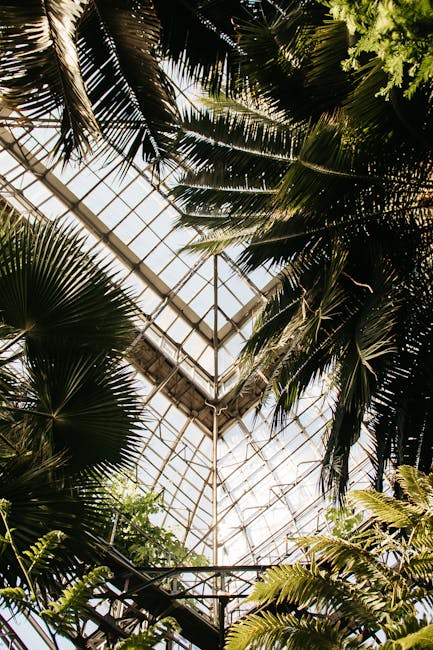
Greenhouse interior with tropical palms
What Makes It Special (and What Doesn’t)
Genuinely special:
Orchid collection: World-class, comprehensive, many rare species you won’t see elsewhere
Urban oasis: Peaceful green space in dense city zone
Not particularly special:
Size: 14 hectares is small for botanical garden (many cities have larger)
Trail networks: Limited walking paths, no extensive exploring
Landscapes: Pleasant but not dramatic (flat terrain, cultivated beds)
Wildlife: Butterflies enclosed, occasional birds, nothing wild or unexpected
Activities: Walking and looking, no interactive elements beyond butterflies
Realistic expectations: You’re visiting curated plant collections in compact urban garden, not exploring extensive nature reserve or wilderness area. Adjust mindset accordingly.
🔑 Local Secret: The hidden roof terrace above the Orquideorama’s administrative building (accessed by unmarked stairs on the structure’s north side) provides elevated view of the entire orchid house’s stunning hexagonal roof pattern—perspective impossible to appreciate from ground level where you’re underneath the structure. Most visitors never discover these stairs because they’re not signposted and look like staff-only access, but they’re public and locals who visit regularly use them specifically for photography. Climb the concrete stairway (two flights, 30 seconds), emerge onto rooftop terrace, and suddenly you see the orquideorama’s flower-like geometric pattern from above—award-winning architecture makes sense visually from this vantage point. Early morning (9-10am) when sun hits the wooden lattice creates best shadows and contrast for photography. Weekday mornings you might have the terrace entirely to yourself for 10-15 minutes—privileged perspective on what architectural magazines worldwide have photographed. The terrace also overlooks broader garden layout helping orient yourself spatially. This single viewpoint transforms orquideorama from “pretty structure I’m walking under” to “I understand why this won architectural awards.” Guards never stop anyone using these stairs (they’re meant for public even if not obviously marked), but going early morning avoids any awkward questions. This is where paisa photography enthusiasts shoot the garden—tourists photograph orchids from ground level, locals photograph the structure from above.
What NOT to Do at Jardín Botánico
1.
Colombian wax palms and native species
Don’t Visit if You Have Zero Interest in Plants
The mistake: Booking Jardín Botánico because “it’s on must-see lists” without actually caring about plants, flowers, or botanical gardens
The reality: If plants don’t interest you—if walking through gardens looking at labeled specimens feels boring, if orchids are “just flowers,” if botanical collections don’t engage your curiosity—then Jardín Botánico has nothing to offer beyond 30 minutes of “okay I’ve seen it” before restless boredom sets in. The garden’s entire purpose is plant display, education, and conservation. Remove plant interest and you’re left with: small urban park with walking paths. That’s it.
How this creates problems: You visit because guides say “must-see,” spend 45 minutes walking around thinking “this is just plants,” feel guilty for not being more engaged, leave early feeling you’ve somehow failed to appreciate it properly, and tell friends “botanical garden was meh” when actually the garden is fine—you just weren’t the target audience. Then you waste 2 hours (metro travel + short visit) you could’ve spent on activities actually matching your interests.
What to do instead: Be ruthlessly honest about your actual interests before visiting. If gardens and plant collections genuinely appeal to you—if you’d visit botanical gardens in your home city, if you photograph flowers, if plant diversity fascinates you—then Medellín’s Jardín Botánico delivers quality experience. If you tolerate gardens but don’t seek them out, if plants are background scenery not focal interest, skip this entirely and choose activities you’ll actually enjoy. Options better for non-plant-enthusiasts: Comuna 13 (graffiti, culture, history), Parque Explora (science museum next door, more interactive), cable car to Arví (nature but with hiking and activities), or city experiences.
Exception: Families with children benefit from botanical garden’s free entry, safe environment, and educational angle even if parents aren’t plant enthusiasts—kids enjoy butterflies, turtles, open space for running. But solo travelers or couples without plant interest should skip.
2. Don’t Expect Full-Day Attraction or Extensive Hiking
The mistake: Planning 4-6 hours at Jardín Botánico expecting extensive trail networks, multiple distinct zones, and full-day exploration like larger botanical gardens or nature reserves
The reality: Jardín Botánico is 14-hectare compact urban garden where you’ve seen 80% of everything in 90 minutes of casual walking, and 100% within 2.5-3 hours even with extensive photography and plant study. There aren’t miles of trails to explore—you’re walking paved paths through curated collections. It’s not Kew Gardens (132 hectares) or Singapore Botanic Gardens (82 hectares)—it’s small urban facility. After orchids (1 hour), butterflies (30 minutes), lake (15 minutes), specialized collections (30-45 minutes), you’re done. Trying to stretch this into full-day visit creates boredom and diminishing returns.
Why guides misrepresent timing: They want to make attraction seem substantial enough to justify dedicated trip. Saying “2-3 hours” feels minor; implying you can spend longer makes it seem more significant. But reality: unless you’re botanist taking detailed notes or photographer shooting every orchid species, you’ll naturally run out of things to engage with after 2-3 hours.
What to do instead: Plan Jardín Botánico as half-day morning activity (9am-noon), then pair with Universidad area lunch and afternoon elsewhere (Parque Explora next door, Comuna 13 afternoon visit, or return to El Poblado). Or make it quick stop (1.5-2 hours) between other activities rather than standalone destination. The garden works perfectly as pleasant 2-hour nature break in Medellín itinerary—it fails when forced into full-day commitment it can’t sustain.
Combination strategies: Jardín Botánico + Parque Explora = full day (morning garden, afternoon science museum). Jardín Botánico morning + Comuna 13 afternoon = good pairing. Garden solo = 2-3 hours maximum realistic engagement.
3.
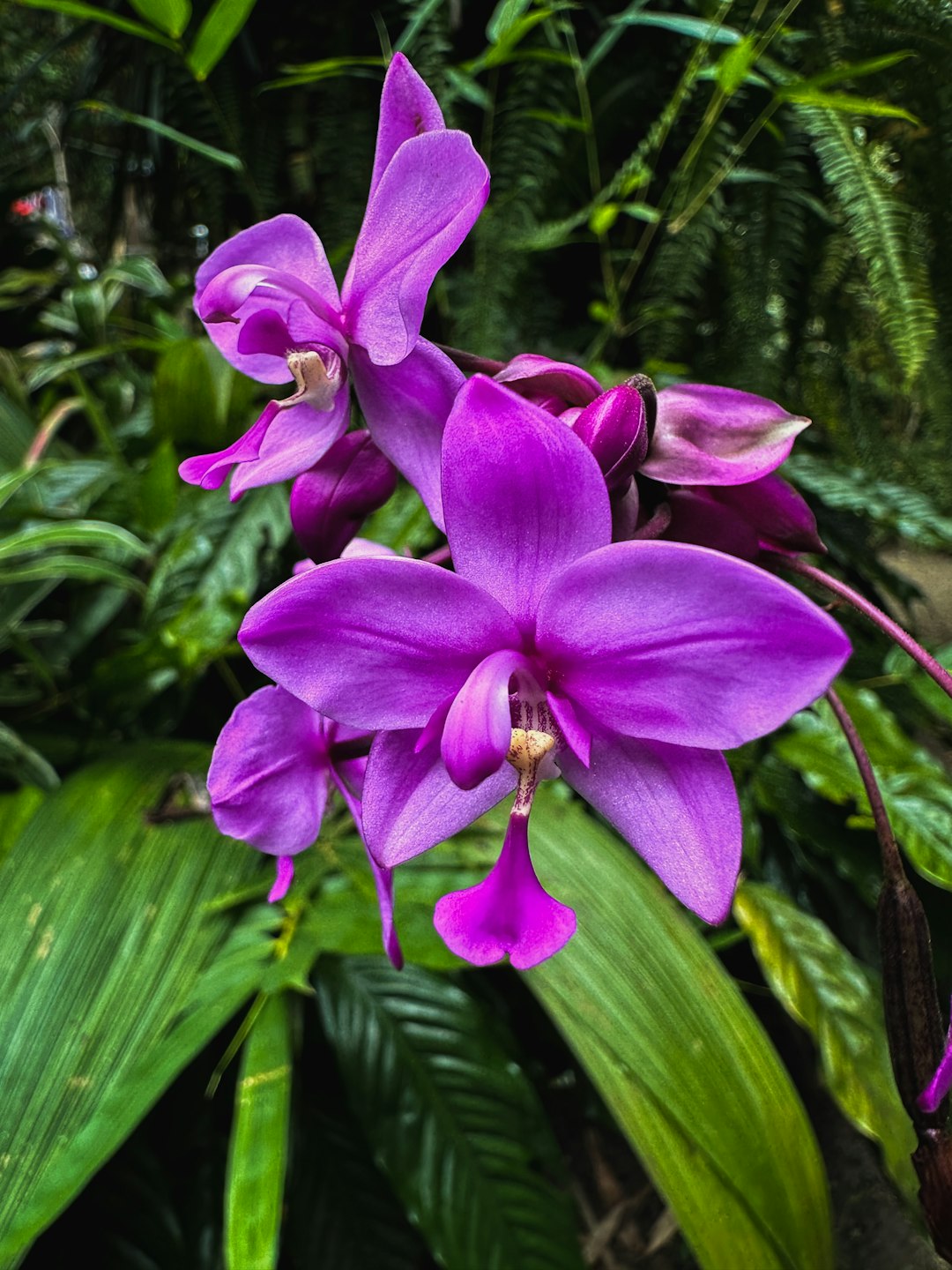
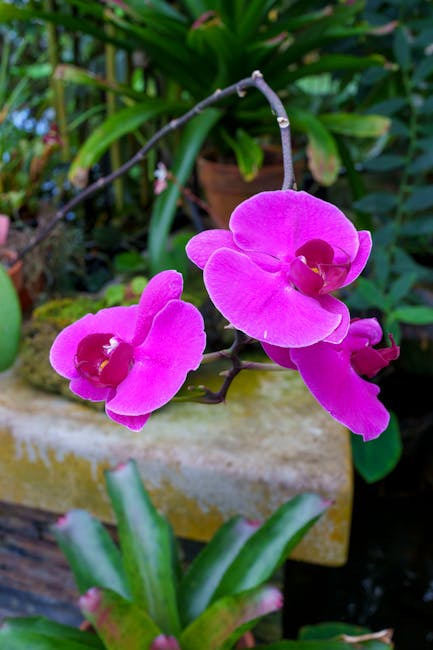
Rare orchid species on display
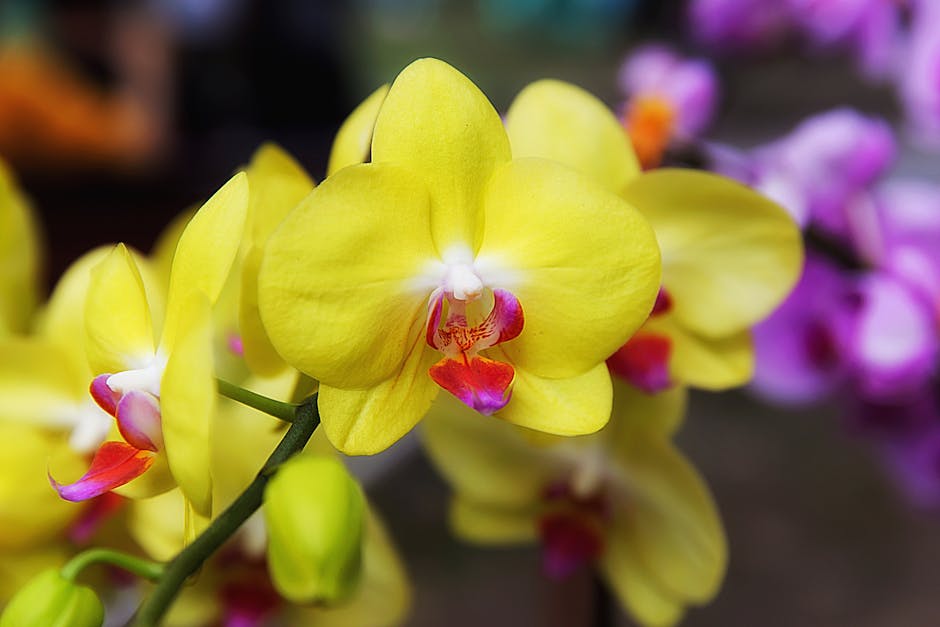
Detailed orchid structure and colors
Don’t Skip the Orchids to “Save Time”
The mistake: Rushing through or skipping the Orquideorama orchid house because “I’ll see flowers throughout the garden anyway”
The reality: The orchid collection IS the garden’s crown jewel—Colombia’s largest display, world-class specimens, many species you’ll never see elsewhere, housed in award-winning architectural structure. Skipping this to save 45 minutes is like visiting museum and skipping the main gallery. The other garden sections are pleasant (butterflies enjoyable, lake peaceful, general collections fine) but orchids are what make Jardín Botánico genuinely special versus any random urban park. If you skip orchids, you’ve essentially visited nice municipal garden and missed the unique world-class component.
Why visitors skip: They see “orchid house” on map, think “I’m not particularly interested in orchids specifically,” and prioritize general garden wandering. Or they visit Orquideorama briefly (5-10 minutes) without realizing the extent of collection requires 45-60 minutes to appreciate properly. The greenhouse doesn’t look massive from outside—easy to underestimate what’s inside.
What to do instead: Allocate 45-60 minutes specifically for Orquideorama even if you’re not orchid specialist. Walk slowly through all sections (there are multiple rooms/areas), read labels explaining species origins and characteristics, observe the incredible diversity of sizes/colors/shapes/patterns, appreciate the architectural design integrating structure with plants, and photograph extensively. Many orchids bloom specific seasons—you might encounter spectacular displays or quieter periods, but year-round the sheer variety justifies the time investment. If you truly hate orchids and find them boring, question why you’re visiting botanical garden at all.
Time allocation guide: Orchids (45-60 min) + butterflies (20-30 min) + lake/rest (15 min) + walk other sections (30-45 min) = 2-3 hours total. Orchids should be nearly half your visit time—they’re that significant.
4. Don’t Visit Weekend Afternoons if You Want Peaceful Experience
The mistake: Visiting Saturday or Sunday 2-4pm expecting peaceful botanical garden atmosphere
The reality: Weekend afternoons transform Jardín Botánico into crowded family park—children running and shouting, groups occupying all benches, photo queues at popular spots, noise levels destroying the peaceful contemplative atmosphere many visitors seek. The free entry that makes garden accessible also means weekend locals use it as free family entertainment destination. Gardens that weekday mornings feel serene and meditative become weekend afternoons feel like city park with plants.
How this impacts experience: You arrive seeking peaceful nature escape from urban Medellín chaos, encounter instead: families with boom boxes playing music, children chasing each other shrieking, couples taking elaborate photoshoots blocking paths, vendors selling snacks at gates (crowds attract vendors), and general energy incompatible with quiet plant appreciation. The plants haven’t changed, but the atmosphere transformed completely.
What to do instead: Visit weekday mornings (Tuesday-Friday, 9am-noon) for peaceful experience. If weekend visit necessary, arrive 9-10am when garden opens and locals sleep late—you get 2 hours of relative peace before crowds build noon-onwards. Avoid Sunday afternoons especially (peak family time). Or embrace the social energy and visit specifically to observe how paisas use public green space—the crowded weekend garden reveals different aspect of Colombian culture even if it’s not peaceful botanical study.
Who benefits from weekend crowds: Families with children (your kids aren’t the only ones running around), social photographers wanting people-in-gardens shots (versus solitary plant photography), and visitors interested in local culture observation (watching Colombian families enjoy free public amenity). Everyone seeking quiet contemplation: weekdays only.
5. Don’t Forget Sun Protection and Hydration
The mistake: Visiting Jardín Botánico like quick museum trip without sun protection, water, or heat management because “it’s just gardens”
The reality: You’re spending 2-3 hours mostly outdoors in Medellín’s high-altitude sun (UV stronger at 1,500m elevation even when temperature feels mild), walking exposed paths between plant beds with limited shade (garden design prioritizes plant sun exposure not visitor shade), and potentially getting dehydrated without realizing it. Medellín’s “eternal spring” 24°C temperature feels comfortable so you don’t notice you’re sweating or sun is intense—until you get headache, sunburn, or feel exhausted.
Common consequences: Mild dehydration causing tiredness and headache attributed to “long day” when actually you just need water. Sunburn on arms/neck/face because you thought “it’s not that hot” and skipped sunscreen. Feeling drained and cutting visit short because you’re uncomfortable rather than bored.
What to bring: Water bottle (refill at bathrooms/fountains or buy at park entrance), hat with brim (sun protection for face), sunscreen SPF 30+ (reapply if sweating), sunglasses (UV protection), and perhaps light long-sleeve shirt (counterintuitively cooler than tank top under direct sun). The garden’s casual vibe makes people treat it like shopping mall trip (just wallet and phone), but it’s outdoor activity requiring outdoor preparation.
What to do instead: Apply sunscreen before leaving hotel, bring water bottle, budget for ice cream/drinks at garden vendors (staying hydrated while supporting local economy), seek shade for rest breaks, and recognize when you need to pause in covered areas. The Orquideorama provides shade; use it for midday rest if visiting during peak sun hours.
Altitude reminder: Medellín’s 1,500m elevation means UV radiation is ~15% stronger than sea level. Even overcast days create sunburn risk. Take sun protection seriously despite comfortable temperatures.
6. Don’t Go Immediately After Rain Without Checking Path Conditions
The mistake: Visiting Jardín Botánico immediately after afternoon rain shower without considering muddy paths and closed sections
The reality: Medellín’s eternal spring includes frequent afternoon showers (especially rainy seasons April-May, October-November). After rain, garden paths can be muddy (not all are sealed pavement), grass areas waterlogged and closed, and butterfly house may temporarily close (butterflies don’t fly well when wet/humid). What should be pleasant 2-hour visit becomes frustrating navigation of muddy paths, avoiding puddles, and finding sections inaccessible. Your shoes get dirty, photo opportunities diminish (wet plants look bedraggled not fresh), and overall experience degrades.
Why guides don’t mention: They promote year-round visiting without acknowledging weather impact. Botanical gardens in tropical climates need drainage time after rain—this is obvious to locals but surprising to visitors expecting urban park to function regardless of conditions.
What to do instead: If afternoon rain occurs, wait 1-2 hours for drainage before visiting. Or plan morning visits (9am-noon) when previous night’s rain has dried and afternoon showers haven’t yet begun. Check weather forecast and avoid visiting right before predicted rain (you’ll either cut visit short or get caught in downpour). Rainy season visits require more strategic timing versus dry season where you can visit anytime.
Footwear consideration: Even without recent rain, some garden paths are earth/grass not pavement. Wear closed-toe shoes with reasonable tread, not sandals or dress shoes. You’re walking gardens, not museum hallways.
🔑 Local Secret: The tiny bonsai collection in the Japanese garden section (northeast corner behind the orquideorama, easily missed) houses 40+ meticulously maintained miniature trees some over 30 years old—curated by volunteer Colombian bonsai society members who donate time training and caring for specimens. This collection receives almost zero tourist visitors because: it’s tucked in corner away from main paths, no signs advertise it, and guides/maps don’t emphasize it. But paisa bonsai enthusiasts visit religiously to study techniques and appreciate specimens. The trees include traditional Japanese species (adapted to Medellín climate) and native Colombian varieties transformed into bonsai—unique fusion you won’t see in Japan or elsewhere. Benches surround the collection (almost always empty) creating perfect peaceful meditation spot. Visit weekday late morning (10:30-11:30am) when general garden is quiet, spend 15-20 minutes appreciating miniature forests representing decades of patient training, and experience the garden’s most serene corner where even weekend crowds never penetrate. Volunteer caretakers occasionally work on trees Tuesday/Thursday mornings—if you encounter them and express genuine interest (Spanish helps), they’ll explain techniques and species details. This is the garden’s hidden treasure that Instagram tourists photographing orchids miss completely—forty tiny perfect trees each a meditation on time, patience, and nature’s miniature beauty.
Architecture first: Before focusing on orchids, appreciate the structure itself. Award-winning design by Plan B Arquitectos (2006), wooden lattice modules creating organic flower-like pattern, naturally ventilated eliminating AC need, LEED-certified sustainable construction. This building appears in architecture journals globally. Walk around perimeter viewing from different angles, note how modules connect creating seamless organic whole, observe how design channels light and air.
The orchid collection: 4,500+ specimens, 1,000+ species, many endemic to Colombian cloud forests (2,000-3,500m altitude where orchids thrive). Collections organized somewhat by climate zones and species types, though layout prioritizes aesthetic display over rigid scientific grouping.
What to look for:
Cattleyas: Large showy flowers, many species native to Colombia
Miniature species: Orchids smaller than fingernail (use phone camera zoom)
Rare endemics: Species found only in specific Colombian mountains
Blooming cycles: Some species bloom specific seasons; you’ll encounter mix of blooming and dormant plants
Photography tips: Orchids photograph beautifully but require patience. Use phone portrait mode or macro setting, shoot individual flowers close-up showing detail, avoid crowds in background, work with available light (flash washes out delicate colors). Morning light through lattice structure creates interesting shadows and patterns.
Time investment: 45-60 minutes minimum. This isn’t “walk through quickly”—it’s study and appreciate world-class collection housed in architectural masterpiece.
The Mariposario (Butterfly House)
How it works: Enclosed greenhouse with temperature/humidity control creating environment where butterflies breed, feed, and fly freely. You walk through their habitat rather than observing through glass.
Butterfly behavior: Mornings (9-11am) butterflies are most active—flying, feeding on fruit stations, interacting. Afternoons they rest conserving energy (less movement, less interesting). Plan butterfly house for morning portion of visit.
What you’ll see:
20+ native Colombian species (morpho blue wings particularly stunning)
Full lifecycle displays (caterpillars, chrysalises, emerging butterflies)
Butterflies landing on visitors (stay still, they might choose you)
Feeding stations where you can observe eating behavior up close
Photography: Butterflies move constantly making sharp photos challenging. Use burst mode, focus on feeding butterflies (they’re stationary), bring macro lens if serious photographer, and have patience. The prize shot: morpho butterfly wings spread showing iridescent blue. You’ll take 50 photos for one good one.
Time investment: 20-30 minutes. Longer doesn’t add value unless you’re butterfly specialist—you’ve seen the species and behaviors within half hour.
Entry timing: Small groups enter at intervals (they limit people inside simultaneously). Weekday mornings walk straight in; weekend afternoons might wait 10-15 minutes for space.
Lake and Aquatic Plants
What’s here: Small artificial lake with native fish, turtles (often sunbathing on logs—kids love this), aquatic birds occasionally, and surrounding wetland plantings showing how aquatic ecosystems function.
Purpose: Educational demonstration of Colombian wetland ecology plus peaceful sitting area. Benches overlook lake creating rest stop between more intensive garden sections.
Time investment: 10-15 minutes. This is rest/appreciation moment not major attraction. Sit, observe turtles, enjoy shade, then continue.
Patio de las Azaleas
What it is: Colonial-style courtyard representing traditional paisa architecture—whitewashed walls, red tile roofs, central fountain, azalea plants in terracotta pots, benches, archways.
Why it’s here: Cultural context for gardens—showing how Colombian families traditionally incorporated plants into residential courtyards. It’s architectural/historical interpretation more than botanical collection.
Photography: The courtyard photographs beautifully—colonial architecture, flowers, traditional aesthetic. This is Instagram spot for colorful paisa cultural imagery.
Time investment: 10-15 minutes. Quick walk through, photos, move on.
Specialized Collections
Cactus and Desert Plants: Surprising diversity of Colombian cacti and succulents from dry regions. Interesting for desert plant enthusiasts; others spend 5 minutes walking past. Educational labels explain how these plants survive without water.
Medicinal Plants: Traditional Colombian healing plants with labels explaining indigenous and paisa medicinal uses. Fascinating if ethnobotany interests you; skippable otherwise. You’ll recognize some (aloe vera, mint) and discover others unique to region.
Palms, Ferns, Tropical Plants: Throughout garden—general collections showing biodiversity. This is pleasant walking and casual appreciation rather than focused study. Unless you’re botanist taking notes, you’re enjoying greenery and moving through.
🔑 Local Secret: The hidden fern grotto behind the medicinal plants section (unmarked path to the left of the main medicinal garden, near the southeast corner) creates a microclimate cave-like environment with 60+ fern species from Colombian cloud forests—including rare tree ferns (Cyathea) some 15+ years old reaching 4 meters tall. This grotto is deliberately designed as cooling refuge during midday heat but receives almost zero tourist traffic because: the entrance path is subtle (looks like maintenance access), no signs point to it, and it’s positioned off the main visitor circuit. Paisa regulars know about it and use it specifically for escaping crowds and heat—shaded stone pathway, natural rock walls creating temperature drop of 3-5°C versus open garden, misting system maintaining humidity for cloud forest ferns, and benches tucked into alcoves where you can sit in cool darkness while heat-exhausted tourists trudge past outside oblivious to this refuge 10 meters away. The fern collection itself is scientifically significant (some species endangered in wild, preserved here through cultivation) but visually creates Jurassic atmosphere—massive fronds arching overhead, moisture dripping from rocks, primeval forest feel in tiny urban garden corner. Visit midday (noon-1pm) when you desperately need cooling break and the grotto delivers maximum relief contrast from blazing sun. Weekdays you’ll often have it completely to yourself for 15-20 minutes of peaceful solitude. This is the garden’s best-kept secret—locals seeking meditation and cooling know about fern grotto, tourists never discover it despite walking within meters of the entrance. Look for the small wooden sign saying “Helechos” (ferns) partially obscured by vegetation—that’s your subtle indicator the path is public access not staff-only.
🔑 Local Secret: Every Tuesday and Thursday 8:30-9:30am, before official 9am opening, local bird photography groups meet at the garden’s northwest entrance (near Universidad metro side) for early access granted by sympathetic guards—bringing cameras with telephoto lenses to photograph the 40+ bird species that visit gardens at dawn when humans are absent. This unofficial early-bird access (pun intended) has operated for 5+ years through informal understanding: serious photographers arrive quietly, don’t disturb grounds, and leave once regular visitors enter at 9am. Species photographable include: flame-colored tanager, blue-gray tanager, various hummingbirds, woodpeckers, and migrants depending on season. If you’re serious bird photographer (with proper equipment), approach the entrance at 8:30am Tuesday/Thursday, show camera to guards, mention “fotografía de pájaros con el grupo”—they’ll likely wave you in joining the handful of local photographers already stalking tanagers in morning light. Bring telephoto lens (birds won’t approach close), wear dark clothing (less conspicuous), move slowly and quietly (respecting both birds and fellow photographers), and leave by 9am when tourists arrive scaring birds away. This single-hour window captures garden’s wildest residents when they own the space—perspective tourists photographing orchids at 10am never experience. The bird group knows which fruiting trees attract which species, where nests are located, and optimal shooting positions—you’re joining community documentation project, not just taking pretty pictures. Most valuable Colombian bird photography happening at Jardín Botánico occurs before the garden officially opens, participated in by locals who’ve cultivated this access through years of respectful early-morning presence.
Getting to Jardín Botánico
Metro (recommended):
Line A to Universidad station
Exit toward Carrera 52 (Universidad de Antioquia side)
Walk 10 minutes east on Calle 73
Garden entrance on left
Cost: Budget-friendly tier metro fare
Walking from Universidad: Straightforward—follow signs or use phone map. Sidewalks adequate, safe area, university neighborhood energy.
Uber from El Poblado: Economical range, 15-20 minutes depending on traffic. Useful if combining with nearby activities (Parque Explora).
Bus: Various routes serve Universidad area, but metro is clearer option for tourists.
Visiting Tips and Logistics
Best visiting strategy:
Arrive 9-9:30am (opening time, minimal crowds)
Start with orchids (Orquideorama, 45-60 minutes)
Butterflies next (Mariposario, 20-30 minutes while still active)
Walk general collections (lake, azaleas, cacti, 30-45 minutes)
Total: 2-2.5 hours
Leave before midday crowds or afternoon heat
What to bring:
Water bottle
Hat and sunscreen
Camera (orchids and butterflies photograph beautifully)
Comfortable walking shoes
Small backpack for layers/purchases
What NOT needed:
Extensive hiking gear (it’s paved paths)
Packed lunch (short visit, vendors at entrance)
Insect repellent (butterflies are enclosed, mosquitoes minimal)
Facilities:
Clean bathrooms (multiple locations)
Small cafeteria (budget-mid tier snacks/drinks)
Benches throughout (many shaded spots for resting)
Wheelchair accessible (mostly flat, paved main paths)
Rules and etiquette:
No picking flowers or disturbing plants
Stay on paths (don’t walk on planted areas)
No pets (except service animals)
No loud music or disruptive behavior
Photography welcome (no tripods without permission)
Combining Jardín Botánico with Other Activities
Natural pairings:
Parque Explora (5-minute walk): Science museum next door—perfect for families. Morning botanical garden, afternoon interactive science exhibits. Full day combination.
Universidad area lunch: Neighborhood has budget-mid tier university restaurants. After garden, walk Calle 70 area for authentic student-priced lunch.
Comuna 13 afternoon: Morning garden (9am-noon), lunch Universidad area, afternoon Comuna 13 graffiti tour (2-5pm). Good cultural + nature day.
Metro route exploration: Use garden as Universidad area anchor point, explore university campus and surrounding neighborhood showing local Medellín life beyond tourist zones.
Arví Park cable car: If you want extensive nature after compact garden, take metro to Santo Domingo, then cable car to Arví Park cloud forest. Garden morning, Arví afternoon creates nature-focused day.
Bottom Line: Is Jardín Botánico Worth Visiting?
Jardín Botánico is absolutely worth visiting if you genuinely enjoy botanical gardens and plant collections, want free peaceful nature escape in Medellín, appreciate orchids and butterflies, or need family-friendly activity—but skip it if plants bore you generally, if you’re expecting extensive hiking or full-day attraction, or if 2-3 hours in compact urban garden doesn’t appeal compared to other Medellín activities.
Visit Jardín Botánico if:
Botanical gardens/plants genuinely interest you (not just tolerate)
You want free activity (budget-conscious, saving money for paid attractions)
Orchids fascinate you (collection is world-class, legitimately special)
Prefer adventure activities (no zip-lines, climbing, challenges)
Limited time and other activities interest you more
Bad weather and you need indoor option (mostly outdoor gardens)
Choose different activity if:
Want dramatic nature: Arví Park (cloud forest hiking, cable car)
Want cultural experience: Comuna 13 (graffiti, history, local interaction)
Want science/interactive: Parque Explora (next door, museum for all ages)
Want adventure: Paragliding, day trips to Coffee Region/Guatapé
The honest assessment: Jardín Botánico delivers exactly what it promises—quality urban botanical garden with world-class orchid collection, peaceful atmosphere, educational value, and free entry. But it’s compact 2-3 hour experience, not major attraction. Whether this matches your interests versus other Medellín options depends entirely on how much you actually care about plants and gardens.
What separates good from bad experiences: Visitors with genuine plant interest leave delighted—they appreciate orchid diversity, enjoy peaceful walking, photograph butterflies, and value free quality attraction. Visitors without plant interest leave underwhelmed—they walked around looking at plants for 90 minutes wondering why guides called this “must-see.” The garden hasn’t failed; the visitor chose activity mismatched to their interests.
Decision framework:
Do you actually like botanical gardens? Be honest—not “they’re okay” but “I actively enjoy them”
Is 2-3 hours enough? If you need full-day activities, this won’t satisfy
What else competes for your time? Prioritize based on genuine interests
Are you visiting weekday morning? Timing dramatically impacts experience quality
Jardín Botánico is perfect for: plant enthusiasts, families, photographers, budget travelers, and peaceful-nature seekers. It’s wrong for: adventure seekers, non-plant-lovers, and people expecting major multi-hour attraction. Know which category you’re in before visiting.
🎥 Virtual Tour of Jardín Botánico
Watch a complete tour of the botanical garden including the orchid house:
Frequently Asked Questions
Full Day Plan
9:00 AM
Arrive Jardín Botánico
Opens at 8am. Arrive early to beat school groups (arrive before 10am on weekdays).
9:15 AM
Orquideorama pavilion
Jardín Botánico’s signature wood-and-flower canopy structure. Best morning light.
10:00 AM
Aquatic gardens and ponds
Large water lily ponds, papyrus groves, and a relaxing walk through humid garden zones.
10:45 AM
Butterfly house (Mariposas)
Enclosed glass house with hundreds of native Colombian butterfly species in free flight.
11:30 AM
Orchid collection
Over 600 species of orchids — Colombia’s national flower. The collection rivals any in South America.
12:30 PM
Lunch at Café del Botánico
Shaded café inside the gardens. Reasonable prices, good arepas and coffee.
1:30 PM
Palm forest and tropical walks
Explore the palm avenue, medicinal plant garden, and shaded forest trails.
2:30 PM
Exit — walk to Parque Explora (optional)
The science museum is a 5-minute walk. Worth an extra hour if you have kids.
How long does it take to visit Jardín Botánico Medellín?
Visiting Jardín Botánico takes 2-3 hours for most visitors to see all main sections comfortably—including Orquideorama orchids (45-60 minutes), butterfly house (20-30 minutes), lake and specialized collections (30-45 minutes). Attempting to stretch beyond 3 hours creates diminishing returns unless you’re serious botanist or photographer working extensively.
Minimum visit: 1.5 hours if rushing through main highlights only (orchids + butterflies + quick walk). This hits essential attractions but feels hurried and misses peaceful garden atmosphere. Only recommended if you’re extremely time-constrained or using garden as brief stop between other activities.
Recommended visit: 2-2.5 hours arriving 9-9:30am when garden opens. Spend 45-60 minutes in Orquideorama appreciating orchid diversity and architectural design, 20-30 minutes in butterfly house while butterflies are morning-active, then 30-45 minutes walking remaining sections (lake, azaleas, cactus garden, medicinal plants) with rest breaks. This pace allows proper appreciation without rushing or boredom.
Maximum interest: 3-4 hours for serious plant enthusiasts, photographers shooting extensive orchid/butterfly galleries, or visitors combining garden with extended rest/meditation in peaceful corners. Beyond 4 hours you’re really working to fill time—the garden isn’t large enough to sustain longer engagement unless you’re conducting botanical study.
Why not longer: Jardín Botánico is 14-hectare compact urban garden, not extensive nature reserve. You’ve walked all main paths and seen all major collections within 2-3 hours of normal-paced visiting. Trying to make it full-day attraction (5-6+ hours) creates frustration as you run out of new things to see and start circling previously-visited areas wondering what you’re missing.
Combination strategy: Plan garden as 2-3 hour morning activity (9am-noon), then pair with Universidad area lunch and afternoon elsewhere rather than forcing garden alone into full day. Perfect half-day option that leaves afternoon free for other Medellín activities.
Travel time consideration: Add metro travel time (from El Poblado: 20-25 minutes each way including walk from Universidad station). Total commitment including transport: 3-4 hours start to finish. This is manageable morning/afternoon block, not all-day investment like Guatapé or Coffee Region day trips.
Yes, Jardín Botánico Medellín has completely free entry with no admission charge for any sections including the Orquideorama orchid house and butterfly enclosure—making it one of Medellín’s best budget-friendly activities offering quality nature experience at zero cost beyond metro transport.
What’s included free: Full garden access (all 14 hectares), Orquideorama orchid collection (world-class 4,500+ specimens), Mariposario butterfly house, lake area, all specialized plant collections (cacti, medicinal plants, palms), educational displays, benches and rest areas, bathroom facilities, and free guided tours in Spanish (weekends 10am and 2pm). Everything tourists want to see costs nothing.
Optional costs: Cafeteria snacks/drinks (budget-mid tier, completely optional), donations (appreciated but not required or pressured), and of course metro transport to reach garden (budget-friendly tier fare). Most visitors spend zero beyond getting there.
Why it’s free: Jardín Botánico is public municipal facility funded by Medellín government, operating under philosophy that quality green space and plant education should be accessible to all residents regardless of income. Free entry isn’t budget compromise—it’s deliberate policy making botanical garden available to everyone from wealthy El Poblado tourists to working-class paisa families.
Quality despite free entry: Don’t assume “free means lower quality.” The orchid collection rivals paid botanical gardens globally, grounds are impeccably maintained, staff are knowledgeable and helpful, facilities are clean, and overall experience matches or exceeds many admission-charging gardens elsewhere. Free entry reflects Medellín’s commitment to public amenities, not inferior attraction.
Donation encouraged: While entry is free, garden operates donation boxes at entrance and exit. Contributing voluntary amount helps fund conservation programs, plant acquisitions, and facility maintenance. Suggested donation is whatever you feel appropriate—even budget-friendly tier helps. No pressure or guilt if you don’t donate, but consider supporting if you enjoyed visit.
Budget comparison: Parque Explora science museum next door charges mid-range tier entry. Zoo charges mid-range tier. Day trips (Guatapé, Coffee Region) cost mid-to-premium tier for tours. Jardín Botánico delivers 2-3 hours of quality nature experience for zero cost—exceptional value for budget-conscious travelers or families where admission fees compound (free for all family members versus paying per person elsewhere).
Total visit cost reality: Metro from El Poblado (budget-friendly tier round-trip), optional cafeteria drink (budget tier), optional donation (your choice) = total spending budget-friendly to mid tier maximum. One of Medellín’s most economical quality activities.
What is the best time to visit Jardín Botánico?
The best time to visit Jardín Botánico is weekday mornings 9am-noon (Tuesday-Friday) when crowds are minimal, butterflies are most active, orchids display well in natural light, and peaceful atmosphere allows proper plant appreciation—avoid weekend afternoons (2-4pm) when family crowds transform gardens into busy social park.
Ideal timing specifics: Arrive 9-9:30am right when garden opens, spend first hour in Orquideorama when morning light illuminates orchids beautifully through lattice structure, visit butterfly house 10-10:30am while butterflies feed actively (afternoon they rest conserving energy), complete remaining sections by noon before midday crowds and heat build. This 3-hour morning window captures garden at its absolute best.
Why weekday mornings excel: Minimal visitors (mostly serious plant enthusiasts and local retirees, not tour groups or families), peaceful contemplative atmosphere matching botanical garden purpose, butterflies actively flying and feeding (behavior drops off afternoons), optimal photography light (morning sun through trees and lattice creates beautiful shadows), and you finish before afternoon rain showers that often occur 2-4pm rainy seasons.
Times to avoid: Weekend afternoons (Saturday-Sunday 2-4pm) when paisa families use free garden as entertainment destination—children running and shouting, crowds occupying all benches, photo queues at popular spots, general noise destroying peaceful plant appreciation. The garden hasn’t changed, but atmosphere shifts from serene botanical study to active social park.
Seasonal considerations: Year-round visiting works (Medellín’s eternal spring = always green and temperate) but rainy seasons (April-May, October-November) require timing around afternoon showers. Morning visits (ending by noon) avoid rain probability. Dry seasons (December-March, June-August) offer more flexibility but can be slightly hotter midday.
Orchid blooming: Different orchid species bloom different times, so garden always has some flowers but peak diversity varies. January-March and July-September often show higher blooming activity, but honestly the collection is so extensive you’ll see spectacular orchids any month. Don’t worry about perfectly timing blooms—something amazing is always flowering.
Butterfly activity: Mornings consistently better. Butterflies are most active 9am-noon when temperature and light levels are optimal. Afternoons (especially hot days) they rest with closed wings conserving energy—less flying, less interaction, less interesting. Plan butterfly house for morning portion of visit regardless of which day you choose.
Crowd pattern summary: Weekday mornings (quietest), weekday afternoons (moderate), weekend mornings (busy but manageable), weekend afternoons (crowded). Choose timing based on whether you prioritize peaceful atmosphere (weekday AM) or don’t mind social energy (weekend PM works fine if crowds don’t bother you).
For broader Medellín timing: Seasonal guide with weather patterns.
Is Jardín Botánico good for kids?
Yes, Jardín Botánico is excellent for children—safe enclosed environment, free entry (budget-friendly for families), engaging attractions like butterflies and turtles, open space for running, and educational content appropriate for kids ages 4+. Many Medellín families use it regularly as quality free family activity, making it family-tested child-friendly destination.
Why kids enjoy it: Butterfly house where butterflies land on them (magical experience for children), turtles sunbathing on lake logs (kids can watch reptiles up close), open lawn areas where running is permitted (energy release after walking), colorful orchids in wild shapes (sparks curiosity and questions), fish in lake (observable wildlife), and overall treasure-hunt feel of discovering different plant sections.
Age appropriateness: Toddlers (2-4) can enjoy briefly but attention span limits visit to 1 hour maximum—they appreciate flowers, butterflies, running space but don’t engage deeply with botanical content. Elementary age (5-10) hits sweet spot—old enough to appreciate plants/butterflies/educational aspects, young enough to find it exciting rather than boring. Tweens/teens (11+) vary—some enjoy peaceful nature and photography, others find it dull unless they’re specifically interested in biology/plants.
Educational value: Garden offers learning about plant diversity, Colombian ecosystems, butterfly lifecycles, how gardens function—science education in experiential format kids absorb better than textbooks. Labels throughout explain concepts at accessible reading levels (Spanish primarily, some English). Free guided tours (Spanish, weekends) can make content more engaging for children when guide tells stories versus kids just walking past plants.
Practical kid considerations: Bathrooms readily available (multiple locations, clean), no entrance fee means if kids meltdown after 45 minutes you can leave guilt-free, plenty of benches for rest/snacks, stroller-accessible main paths (paved, mostly flat), and overall safe environment where children can explore within sight without constant worry. Shade available in multiple sections (Orquideorama, trees throughout) managing heat for sensitive kids.
What challenges exist: Limited interactive elements beyond butterflies (it’s look-don’t-touch botanical garden, frustrating for tactile-learning kids), some sections boring for children (cactus garden doesn’t excite most kids), and duration limits—most children under 8 max out interest after 1.5-2 hours. Plan accordingly with realistic expectations.
Combination with Parque Explora: If visiting with kids, consider morning Jardín Botánico (1.5-2 hours), lunch break, then afternoon Parque Explora science museum next door (3-4 hours of interactive exhibits specifically designed for children). This full-day combination keeps kids engaged with variety—nature morning, hands-on science afternoon. Both are Universidad area so no additional transport between them.
Versus other kid activities: Better than some Medellín options (Comuna 13 graffiti tour can bore young kids, day trips too long for children under 8), comparable to others (Parque Explora more interactive, Arví Park cable car more exciting). Jardín Botánico works well in rotation of family activities—peaceful educational option balancing more intense outings.
Parent sanity factor: Free entry means budget-friendly family outing (paying for family of 4 at paid attractions adds up fast), safe environment lets parents relax somewhat (versus watching children constantly in busy city streets), and 2-hour duration matches children’s attention span better than all-day commitments where everyone gets cranky. Well-designed family activity even if not most exciting option in Medellín.
How do I get to Jardín Botánico Medellín by metro?
Getting to Jardín Botánico by metro is straightforward: take Line A (blue line) to Universidad station, exit toward Carrera 52/Universidad de Antioquia side, then walk 10 minutes east on Calle 73 to the garden entrance on your left—total journey from El Poblado is 20-25 minutes including 10-minute walk from station.
Step-by-step from El Poblado: Board Line A northbound at any Poblado station (Poblado, Aguacatala, Ayacucho), ride approximately 15 minutes to Universidad station (6th stop from Poblado), exit following “Carrera 52” or “Universidad de Antioquia” signs (NOT Carabobo exit which goes opposite direction), turn left outside station walking east on Calle 73, continue straight 800 meters (10 minutes), garden entrance appears on left side marked by white walls and signage.
Metro cost: Budget-friendly tier per ride (same price regardless of distance). You can use rechargeable Cívica card (purchase at any metro station) or buy individual tickets. Metro operates 5am-11pm daily with 3-5 minute frequency during peak hours (7-9am, 5-7pm), 5-10 minutes other times.
Walking from Universidad station: Exit station, orient yourself east (away from busy Carabobo avenue toward residential neighborhood), walk Calle 73 past university buildings and small shops, watch for garden’s white perimeter wall on left after 8-10 minutes. The walk is flat, paved sidewalks, safe neighborhood (Universidad de Antioquia area has student/family energy), and straightforward route—virtually impossible to get lost. Phone map helps if unsure but signage is adequate.
Landmarks on route: Universidad de Antioquia main campus buildings (large institutional architecture), small Colombian cafés and student restaurants, residential streets with local paisa families—you’re walking through authentic Medellín neighborhood not tourist zone. Garden entrance is marked but not dramatically obvious—white walls with “Jardín Botánico” signage, main gate with guard (free entry, just walk in).
Return journey: Same route reverse—exit garden, walk west on Calle 73 back toward Universidad station (10 minutes), take Line A southbound back to Poblado or other destination. Extremely simple round-trip transport requiring zero Spanish or navigation skills beyond following metro line and walking one straight street.
Alternative transport: Uber from El Poblado costs economical range (15-20 minutes depending on traffic), useful if combining garden with other Universidad area activities or traveling with mobility limitations making 10-minute walk challenging. But metro is recommended—cheaper, faster during traffic, authentic Medellín experience, and walking route is pleasant.
Timing consideration: Allow 30 minutes total El Poblado to garden entrance (15 minutes metro, 10 minutes walk, 5 minutes buffer). Plan departure time working backward from when you want to arrive—garden opens 9am, so leaving El Poblado 8:30am gets you there right at opening for optimal quiet morning visit.
Yes, you can bring food and drinks to Jardín Botánico—outside snacks, water bottles, and packed lunches are permitted, though garden asks visitors to dispose of trash properly in provided bins and respect no-littering policy. Many local families bring picnic lunches enjoying free family outing in gardens, making it budget-friendly activity.
What’s allowed: Water bottles (strongly recommended given 2-3 hour visit and Medellín sun), packaged snacks (granola bars, fruit, chips), sandwiches or packed lunches, thermoses with coffee/tea, and children’s food/drinks. Garden encourages proper hydration and has no prohibition against outside food—unlike some attractions that ban outside food forcing expensive on-site purchases.
Where you can eat: Designated picnic areas with benches throughout garden (lake area, multiple shaded spots under trees, lawn areas), or any bench in garden as long as you’re respectful and clean up after yourself. Families commonly spread on grass areas (where permitted) for full picnic experience. Just avoid eating inside Orquideorama orchid house or Mariposario butterfly enclosure (respect for plant/insect environments).
On-site food options: Small cafeteria near entrance sells budget-mid tier snacks, drinks, ice cream, basic Colombian food (empanadas, arepas). Quality is fine but not spectacular—similar to any municipal park concession. Prices reasonable but higher than supermarket—bringing own food saves money especially for families.
Budget strategy: Stop at Éxito or Carulla supermarket near El Poblado metro station before journey, buy water bottles (budget tier), packaged snacks (budget tier), fruit (budget tier), total spending budget range versus cafeteria prices mid tier. For family of four, bringing own lunch saves moderate range versus buying on-site—meaningful savings for budget-conscious travelers.
What NOT to bring: Alcohol (prohibited), glass containers (safety concern, plastic preferred), messy foods that attract insects (sticky sweets, open fruits that drip), or excessive quantities suggesting commercial activity (you’re packing picnic not opening restaurant). Use common sense—this is botanical garden not beach party.
Trash responsibility: Garden provides bins throughout (regular trash, recycling). Dispose properly respecting that botanical garden’s beauty depends on visitors not littering. Paisa culture generally emphasizes environmental respect—do your part maintaining it. Guards will approach if you’re leaving trash, but friendly reminder usually sufficient.
Weekday vs weekend eating: Weekdays bringing lunch makes you minority (most visitors are 1-2 hour tourists, not extended picnickers), weekends you’ll join many Colombian families doing same thing (normalizes the behavior, lots of company). Either way it’s permitted and common—choose based on your preference not concern about rules.
What should you not miss at Jardín Botánico Medellín?
The absolute must-sees at Jardín Botánico are Orquideorama orchid house (45-60 minutes minimum—Colombia’s largest collection in award-winning architecture), Mariposario butterfly enclosure (20-30 minutes for free-flying butterflies), and rooftop terrace view of Orquideorama’s geometric pattern (10 minutes but transforms understanding of architectural design)—these three experiences justify the visit and differentiate this garden from generic urban parks.
Priority 1 – Orquideorama orchid collection: This is THE reason to visit—4,500+ orchid specimens representing 1,000+ species, many endemic to Colombian cloud forests impossible to see elsewhere. Walk slowly through all sections (multiple interconnected rooms), read labels explaining species origins and conservation status, photograph diverse shapes/colors/sizes, and appreciate that you’re viewing world-class botanical collection for free. Morning light through wooden lattice structure creates beautiful shadows and illumination—arrive 9-10am for best photography conditions. This section alone justifies visiting garden; skipper everything else but don’t skip orchids.
Priority 2 – Rooftop terrace view: The hidden stairs on Orquideorama’s north side (see Local Secret above) leading to rooftop terrace provide elevated perspective showing why this architecture won international awards. From ground level you’re underneath structure unable to grasp geometric pattern; from rooftop you see entire flower-like hexagonal design and understand the genius. Spend 10 minutes photographing and appreciating—this viewpoint transforms “pretty building” into “I understand why architectural journals worldwide feature this.”
Priority 3 – Mariposario butterfly house: Free-flying butterfly enclosure with 20+ native Colombian species including stunning morpho butterflies (iridescent blue wings). Visit mornings (9-11am) when butterflies are most active—flying, feeding on fruit stations, potentially landing on visitors. Afternoon they rest and become sluggish. The experience is delightful especially for children and photographers, though 20-30 minutes covers it thoroughly. Don’t skip but also don’t expect to spend hour here—it’s compact space with finite butterfly observation.
Priority 4 – Bonsai collection & Fern grotto (if you find them): Hidden sections described in Local Secrets above that 95% of tourists miss but reward seekers with peaceful unique experiences. Bonsai collection offers meditation-level tranquility and miniature tree artistry spanning decades. Fern grotto provides cooling refuge during midday heat with Jurassic cloud-forest atmosphere. Both require intentional seeking (not on main paths) but deliver memorable moments tourists never discover.
What you CAN skip without regret: Cactus garden (nice but not special), some general plant collections (pleasant walking but not unique), and tourist-crowded sections weekend afternoons. Patio de las Azaleas is photogenic colonial architecture but 10 minutes maximum interest unless you’re architecture enthusiast.
Timing strategy for must-sees: Arrive 9am, immediately go to rooftop terrace while morning light is perfect and crowds haven’t arrived (10 minutes), descend to Orquideorama orchid house spending 45-60 minutes properly appreciating collection, visit Mariposario butterfly house around 10am while butterflies feed actively (20-30 minutes), then explore optional sections (lake, bonsai if you find it, fern grotto if hot) as time allows. This sequence prioritizes absolute highlights while weather/light/butterfly activity are optimal.
If you only have 90 minutes total: Orchids (45 min) + butterflies (25 min) + rooftop view (10 min) + brief walk around lake (10 min) = you’ve seen the essential garden and can leave satisfied. Everything beyond this is bonus, not necessity.
Is photography allowed in Jardín Botánico Medellín?
Yes, photography is fully allowed and encouraged throughout Jardín Botánico for personal use—cameras, phones, even professional equipment are welcome, though commercial photography (fashion shoots, wedding photoshoots with elaborate setups) requires advance permission from garden administration.
What’s allowed without permission: Personal photography with any equipment (phone cameras, DSLRs, mirrorless cameras, even professional lenses), orchid/flower macro photography, butterfly photography in enclosure, architectural shots of Orquideorama, landscape photography of garden sections, family/selfie photos, and hobbyist photographer work for personal portfolio. Garden actively welcomes photography as way to share botanical collections and promote conservation.
Equipment allowed: Tripods are generally permitted for personal use (though weekends they might ask you to avoid blocking pathways during crowds), monopods fine, external flash okay in most areas (avoid in butterfly house where it stresses insects), macro lenses encouraged for orchid detail work, and telephoto lenses useful for bird photography. Basically any serious photography equipment is acceptable as long as you’re not setting up elaborate commercial shoot.
Best photography opportunities: Orchids (incredible diversity of shapes/colors/patterns, macro photography paradise), butterflies (challenge due to movement but rewarding), Orquideorama architecture (particularly from rooftop terrace showing geometric pattern), colonial Patio de las Azaleas (colorful traditional aesthetic), and occasional birds visiting gardens. Morning light (9-11am) best for most subjects—softer shadows, better contrast, orchids illuminated by lattice-filtered sunlight.
Photography tips: For orchids use portrait mode or macro setting, shoot individual flowers close-up showing detail, work with available light (flash often washes out delicate colors). For butterflies use burst mode capturing movement, focus on feeding butterflies (they’re stationary), patience required (take 50 shots for one good one). For architecture shoot from multiple angles including rooftop terrace, early morning for best shadows and contrast.
What requires permission: Commercial fashion/portrait photoshoots with clients, elaborate wedding photography with changing clothes/props/assistants, any photography intended for commercial publication requiring garden as backdrop, and organized group photoshoots (quinceañera parties, modeling portfolios). These require advance coordination with garden administration—contact them beforehand explaining commercial intent and they’ll discuss permissions/potential fees.
Respectful photography etiquette: Don’t block pathways during busy weekend periods forcing others to wait while you shoot, don’t touch/move plants to get better angles (respect garden integrity), avoid flash in butterfly house (stresses insects), and be considerate of other visitors trying to enjoy garden without photographer equipment constantly in view. Weekday mornings give you space to work without crowding issues.
Social media posting: Absolutely encouraged—garden loves social media exposure promoting botanical collections and Medellín tourism. Tag photos with garden’s location, share on Instagram/Facebook/etc., help spread awareness about free world-class attraction. Many visitors discover garden through others’ photos—your sharing helps conservation education.
Model release consideration: If photographing people other than your travel companions (capturing general garden atmosphere with strangers in frame), standard public-space photography rules apply—people in public botanical garden have limited privacy expectation. But if you’re making someone focal point of portrait, polite to ask permission especially with children.