Every Medellín metro guide promises “easy to navigate” and “cleanest metro in Latin America.” Here’s what they’re not telling you: the system is genuinely excellent and visitor-friendly, but it’s also a complex cultural space where unwritten rules matter enormously, where appearing clueless makes you pickpocket target, and where understanding paisa transit etiquette separates smooth rides from awkward situations that mark you as obvious tourist. The “intuitive” system these guides claim exists only if you already understand Latin American metro culture—which most North American and European visitors don’t.
Medellín’s Metro is the fastest, cheapest, and safest way to get around — 3,200 COP (~$0.75 USD) per trip, clean, and runs 5am-11pm. Two main lines: Line A (east-west through El Centro) and Line B (connecting to Laureles/San Javier). El Poblado and Laureles both have direct Metro access. Use it for airport transfers, day trips, and inter-neighborhood travel.
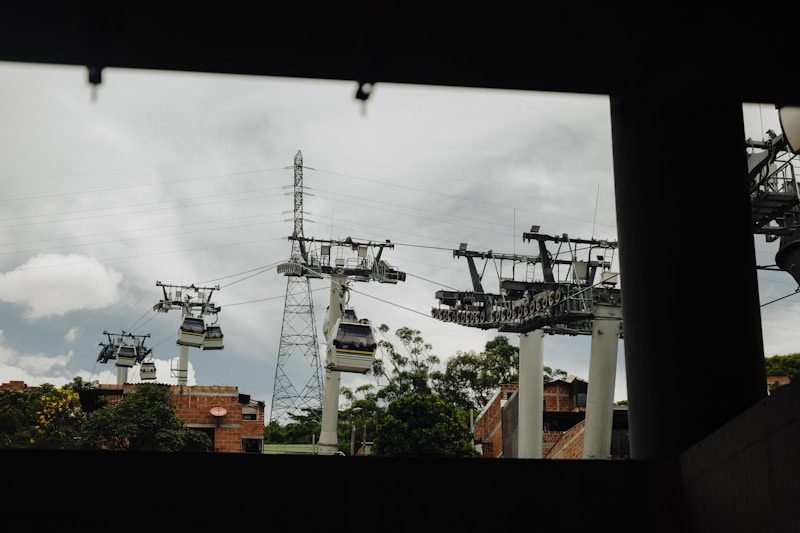
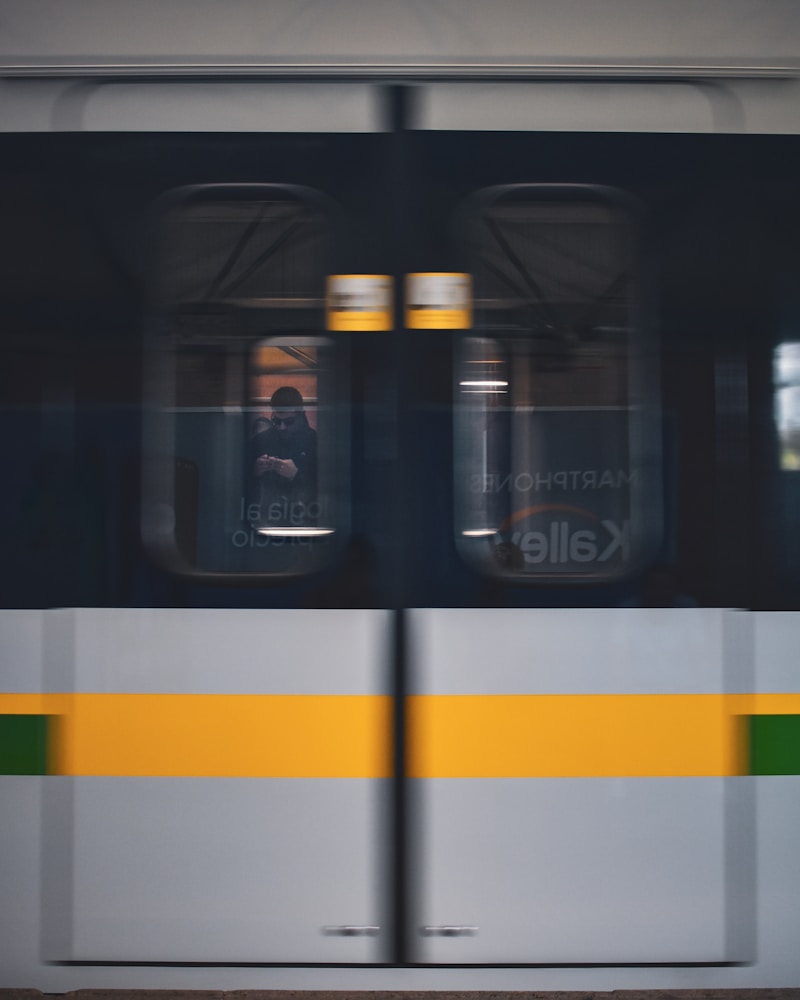
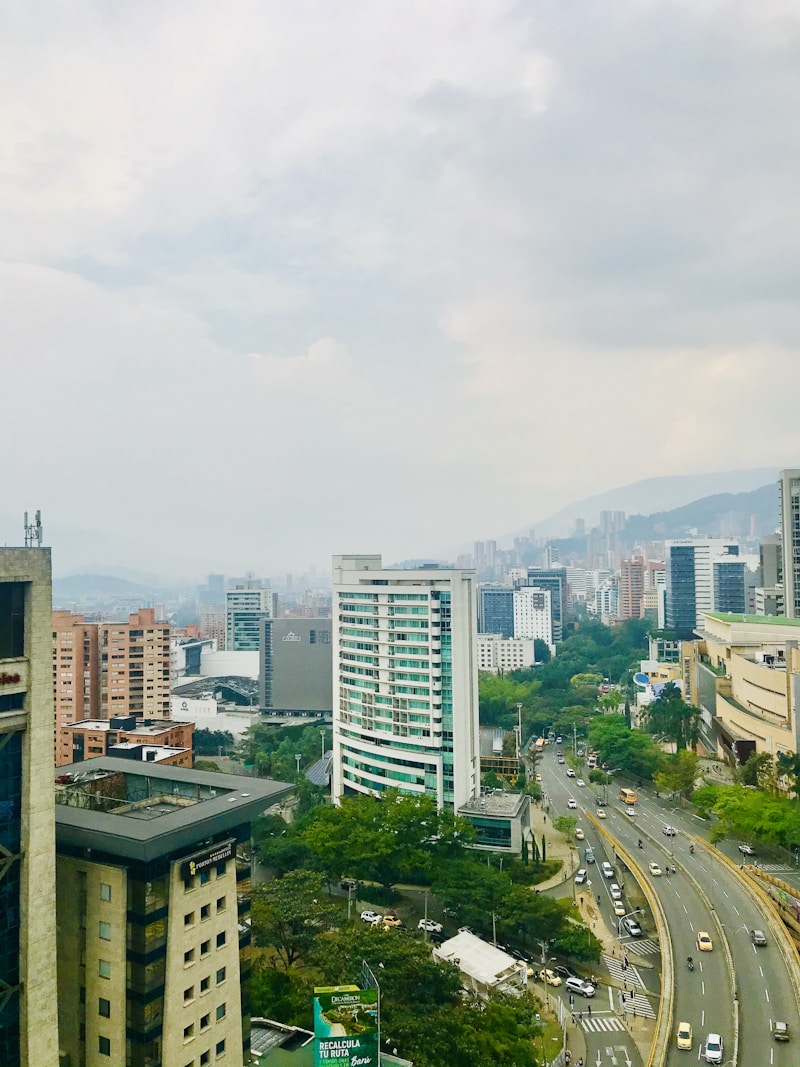
But here’s the nuance these surface-level guides miss: Medellín’s transit network succeeds as both practical transport and cultural equalizer. The same trains carry wealthy Poblado professionals, working-class comunas residents, university students, and street vendors—all sharing space with mutual respect enforced by social norms, not security guards. Understanding these dynamics transforms public transport from “thing you use to get places” into window on paisa society showing class interactions, urban pride, and daily rhythms invisible from tourist zones.
After using the system 200+ times over three years—riding during rush hour crush when behavioral norms become obvious, observing pickpocket tactics targeting tourists who broadcast vulnerability, experiencing how locals navigate efficiently versus tourists fumbling with cards and maps, and learning which cultural rules are absolute (giving seats to elderly/pregnant) versus which are suggestions (standing right on escalators)—I’ve learned what actually makes the experience smooth versus what creates the stress and confusion first-time visitors often encounter.
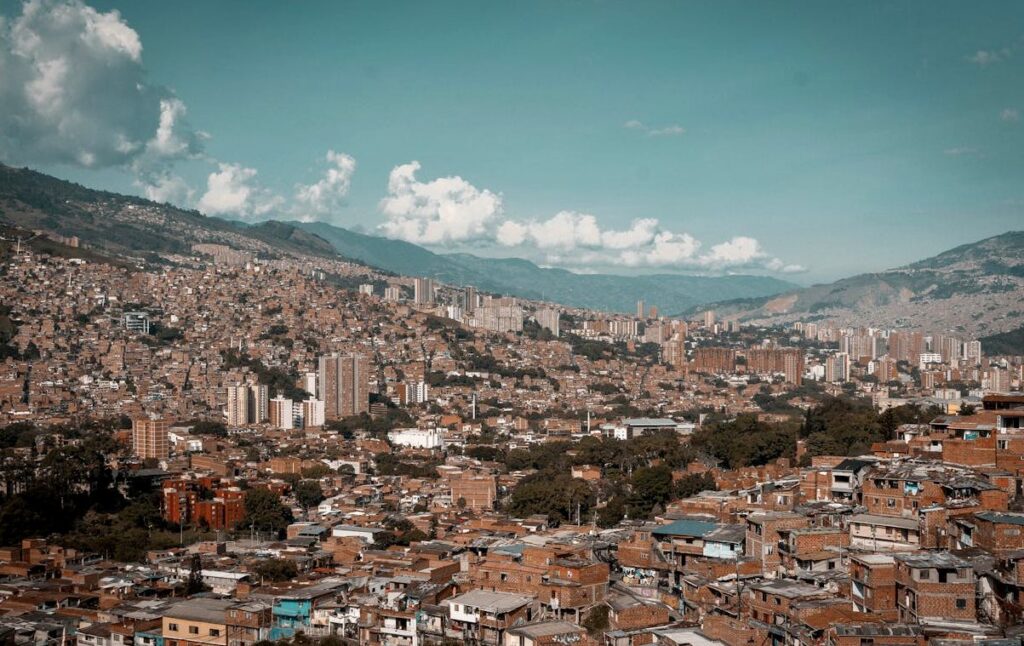
Medellín Metro is the city’s pride—2 train lines (A and B), 2 cable car lines (K and L), 1 tram line (T-A), and multiple bus routes creating integrated public transport system serving 1.8 million passengers daily. Opened 1995, it transformed Medellín from car-dependent sprawl into transit-oriented city, connecting peripheral working-class neighborhoods to employment centers and literally elevating previously isolated hillside communities via cable cars. This isn’t just transport—it’s social infrastructure that enabled Medellín’s transformation from murder capital to model city.
This isn’t the sterile “transit is transit, just like anywhere” dismissal some guides give. But it’s also not the naive “everyone is friendly, zero problems” fantasy others push. This is 2026 reality: when the system delivers incredible value (frequency, cleanliness, efficiency, integration), what the actual safety concerns are (pickpockets exist but avoidable with awareness, not random violence), how to navigate like local rather than obvious tourist (cultural rules, behavioral norms, efficiency strategies), and most importantly—honest assessment of using public transit as visitor versus how locals actually experience it.
Planning Medellín activities? See our complete things to do guide for destinations, El Poblado guide for starting point, Laureles guide for alternative base, and safety guide for general precautions.

Quick Facts: Metro at a Glance
System Overview:
- 2 Metro Lines: A (north-south), B (east-west connecting to A)
- 2 Cable Car Lines: K (Santo Domingo), L (Arví Park)
- 1 Tram Line: T-A (Ayacucho, eastern corridor)
- Multiple MetroPlus/Bus routes: Integrated BRT system
- Daily passengers: 1.8 million
- Operating since: 1995 (Line A), 1996 (Line B)
Operating Hours:
- Monday-Saturday: 4:30am – 11pm
- Sunday/Holidays: 5am – 10pm
- Peak hours: 6-8:30am, 5-7:30pm (avoid if possible)
- Frequency: 3-8 minutes between trains
Cost (2026):
- Single ride: Budget-friendly tier (metro, cable car, tram)
- Integrated: Transfers free within time window
- Payment: Rechargeable Cívica card (economical deposit)
- No paper tickets: Must use Cívica card
Key Tourist Routes:
- El Poblado to Centro: Line A northbound (Poblado → Parque Berrío)
- El Poblado to Universidad: Line A northbound (for Botanical Garden)
- El Poblado to Arví Park: Line A to Acevedo → Line K to Santo Domingo → Line L to Arví
- El Poblado to Comuna 13: Line A to San Antonio → Line B to San Javier
- Laureles to Centro: Walk to Estadio/Suramericana station (Line A)
What Makes It Special:
- Cleanest metro in Latin America: Genuinely spotless
- Cultural pride: Paisas protect and respect their metro
- Social equalizer: All classes use it without segregation
- Reliable: 99%+ on-time performance
- Integrated: Seamless transfers between modes
Safety Considerations:
- Pickpockets: Real risk but avoidable with awareness
- Random violence: Extremely rare (safer than most world metros)
- Cultural respect: Required (loud behavior not tolerated)
- Rush hour: Crowded but organized, not chaotic
Cultural Notes:
- Priority seating: ALWAYS give seats to elderly, pregnant, disabled
- Phone usage: Locals use phones but with awareness
- Eating/drinking: Not allowed (strictly enforced)
- Music: Headphones only, never speakers
- Standing: Right side of escalators (left for passing)
For Tourists:
- Easy navigation: Clear signage, color-coded lines
- English limited: Station names in Spanish, minimal English
- Tourist-friendly: Locals help if you look lost
- Best introduction: Ride during off-peak first time (10am-4pm)
Peak vs Off-Peak Metro Riding
| Factor | Peak Hours (6-8:30am, 5-7:30pm) | Off-Peak (10am-4pm) | Sunday Morning (7-11am) |
|---|---|---|---|
| Crowding | Very crowded, standing room only | Comfortable, seats available | Spacious, relaxed |
| Pickpocket Risk | Higher (crowding creates opportunity) | Lower (easier to maintain awareness) | Lowest (families, no rush) |
| Train Frequency | 3-5 minutes | 5-7 minutes | 5-8 minutes |
| Navigation Ease | Difficult (pressure to move fast) | Easy (time to orient yourself) | Very easy (slow pace) |
| Local Attitude | Focused, less friendly | Relaxed, more helpful | Friendliest (weekend mood) |
| Best For | Experienced users, locals | First-time tourists, learning system | Photos, cultural observation, families |
Metro Lines Overview
| Line | Route | Key Stations for Tourists | Use For |
|---|---|---|---|
| A (Orange) | North-South spine | Poblado, El Poblado, Aguacatala (south) → Centro (Parque Berrío) → Universidad (Botanical Garden) → Acevedo (K line transfer) → Niquía (north) | Most tourist trips, main corridor |
| B (Blue) | East-West | San Antonio (transfer to A) → Estadio → Suramericana (near Laureles) → Floresta → San Javier (Comuna 13) | Comuna 13, Laureles access, western destinations |
| K (Cable) | Santo Domingo hillside | Acevedo (Line A) → Andalucía → Popular → Santo Domingo (L line transfer) | Cable car experience, hillside views, Arví access |
| L (Cable) | Arví Park | Santo Domingo (K line) → La Sierra → Arví Park | Nature park, hiking, weekend escape |
| T-A (Tram) | Eastern corridor | San Antonio → Manzana del Cuidado → Alejandro Echavarría → Oriente | Eastern neighborhoods, less tourist use |
How to Use Medellín Metro
Getting Your Cívica Card
The Cívica card is rechargeable smart card required for all metro travel—no paper tickets exist.
Where to buy:
- Any metro station taquilla (ticket office)
- Some convenience stores (look for Cívica logo)
- Poblado station, San Antonio station most convenient for tourists
How to buy:
- Go to taquilla window (staffed counter, not machine)
- Say “Una tarjeta Cívica, por favor” (One Cívica card, please)
- Pay deposit (budget-tier, refundable if you return card before leaving Medellín)
- Choose initial load amount (minimum affordable amount, can add more later)
- Staff activates card and hands it to you
Adding credit:
- Return to taquilla: “Recargar [amount] pesos, por favor”
- Self-service machines: Touch screen, insert bills, tap card
- Convenience stores: Same as initial purchase
How much to load: Budget moderate tier for week as tourist (20-30 rides typical). Better to reload than carry excess—card can be stolen.
Multiple passengers: Each person needs their own card—cannot share one card for multiple people.
Card management:
- Keep safe (no replacement if stolen/lost)
- Check balance at turnstile (screen shows remaining credit)
- Refund deposit when leaving (return card at taquilla)
Navigating the System
Reading station maps:
- Lines shown in colors (A=orange, B=blue, K/L=cable cars)
- Your current station highlighted
- Direction indicated by terminus station name
- Transfer stations shown with multiple line colors
Understanding direction:
- Line A: Northbound = toward Niquía; Southbound = toward La Estrella
- Line B: Eastbound = toward San Antonio; Westbound = toward San Javier
- Follow signs showing terminus station, not cardinal direction
Making transfers:
- Transfers between metro/cable/tram are FREE within time window
- Follow “Correspondencia” signs for transfers
- No need to exit and re-enter turnstiles for transfers
- Stay within system; exiting ends your integrated journey
Turnstile usage:
- Tap Cívica card on yellow circle reader
- Wait for green light and beep
- Push through turnstile
- Screen shows remaining balance
Platform waiting:
- Yellow line on platform edge—stay behind it
- Doors align with floor markings
- Wait for passengers to exit before boarding
- Stand aside for priority seating passengers
Riding the Metro
Boarding:
- Let passengers exit completely first
- Enter quickly (doors close after 10-15 seconds)
- Move into car center (don’t block doors)
- Hold handrails/poles when train moving
Priority seating:
- Blue seats near doors are priority seating
- ALWAYS give these seats to: elderly, pregnant women, people with disabilities, parents with small children
- If you’re in priority seat and eligible passenger boards, stand immediately
- This is non-negotiable cultural rule—locals will glare/ask you to move
Standing:
- Face train direction or hold poles
- Don’t lean on poles (others need them)
- Keep backpack in front during crowded times
- Brace for stops (drivers brake firmly)
Phone/valuables:
- Okay to use phone but maintain awareness
- Hold phone firmly (pickpockets snatch through doors)
- Wallet in front pocket or secure bag
- Don’t flash expensive items unnecessarily
Behavior:
- No eating or drinking (enforced—guards will remove you)
- No music without headphones
- Quiet conversation okay, loud talking frowned upon
- No selling (vendors sometimes board illegally but discouraged)
Exiting:
- Move toward doors before your stop
- Say “permiso” or “con permiso” to pass through crowds
- Exit quickly (doors don’t wait)
- Follow “Salida” signs to exit station
🔑 Local Secret: The absolute safest place to stand in crowded metro is back corner of the car—not middle, not near doors, not holding center poles. Here’s why locals do this: pickpockets work near doors where they can grab and exit quickly at next stop (you won’t realize phone is gone until doors close). Center poles create crowding where “accidental” bumping covers theft. But back corners? Only one exit point, nobody behind you, clear sightlines, and thieves avoid them because escape is harder. Watch during peak hours—experienced paisa commuters beeline for back corners while clueless tourists stand near doors holding phones loosely. The corner position also lets you observe the entire car, spot suspicious behavior, and maintain control of your space. Bonus: back corners are often slightly less crowded because tourists don’t realize their strategic value. Stand with bag in front, back literally to the wall, phone secure—this position is pickpocket-proof unless you’re completely oblivious.
What NOT to Do on Medellín Metro
1. Don’t Use Your Phone Carelessly Near Doors
The mistake: Standing near doors during crowded times, holding phone loosely while scrolling, unaware of surroundings
The reality: Phone snatching through metro doors is the most common theft tactic. Thief stands on platform, waits for doors to open, grabs phone from passenger’s hands, exits before doors close. You’re left holding nothing as train leaves with thief on platform. This happens in seconds—by the time you process what occurred, train is moving and thief is gone.
How this works: Thieves target tourists who: stand directly next to doors (easy access), hold phones loosely in one hand (easy to grab), are distracted by screen (don’t see thief positioning), and react slowly (hesitate rather than immediately grabbing back). They strike right as doors open, using the moment of chaos when passengers are boarding/exiting to grab and flee.
What to do instead: If using phone in metro, stand in middle or back of car away from doors, hold phone with both hands or very firmly with one, maintain peripheral awareness of people near you, and put phone away completely when approaching your exit stop (30 seconds before doors open). During rush hour or in stations known for theft (San Antonio, Parque Berrío), don’t use phone at all until you’re safely away from doors. For broader safety context in these areas, see our complete Medellín safety guide.
2. Don’t Ignore Priority Seating Rules
The mistake: Sitting in priority seats (blue seats near doors) when you’re young and able-bodied, or not giving up regular seat when elderly/pregnant person is standing
The reality: Priority seating is serious cultural norm in Medellín—not suggestion, not optional. Locals WILL confront you if you’re sitting while elderly person stands. You’ll get glares first, then pointed stares, then direct requests (“puede dar su asiento?”), then potential verbal confrontation if you still don’t move. This isn’t aggressive behavior—it’s community enforcement of social contract everyone respects.
Why paisas care so much: The metro is democratic space where all classes interact. Respecting priority seating demonstrates you understand and honor this equality. Refusing marks you as either ignorant foreigner or disrespectful person—both damage tourist reputation and can create hostile encounter.
What to do instead: If you’re young and healthy, avoid priority seats entirely even when metro is empty (someone might board at next stop). If you’re in regular seat and see elderly, pregnant, or disabled person standing, immediately offer your seat without waiting to be asked. Say “Por favor, tome mi asiento” (Please, take my seat) or just stand and gesture to the seat. This one simple courtesy will earn you more local goodwill than anything else you do in Medellín.
3. Don’t Eat or Drink on Metro
The mistake: Bringing coffee, snacks, water bottles, or food onto metro and consuming them during ride
The reality: Eating and drinking on Medellín metro is PROHIBITED—not just discouraged. Security guards actively enforce this rule, will stop you at entrance or ask you to throw away items, and can remove you from train if you’re caught consuming food/drink. This isn’t subtle guideline—it’s strictly enforced policy that keeps metro clean.
Why it’s serious: The metro’s cleanliness is source of paisa pride. Allowing food/drink leads to trash, spills, rodents, and degradation locals witnessed in other cities’ metros. They protect their metro aggressively because they’ve seen alternative. Violating this rule isn’t just breaking policy—it’s disrespecting what paisas have built and maintained for 30 years.
What to do instead: Finish coffee before entering metro. Eat your empanada before going through turnstiles. Drink water outside stations. If you have food/drink, store it in closed bag and don’t consume until after exiting. Some stations have cafes outside—eat there before boarding. This isn’t inconvenience; it’s respect for shared space that everyone maintains collectively.
4. Don’t Block Escalators or Doors
The mistake: Standing on left side of escalators (passing lane), stopping in doorways or turnstile areas, or blocking doors while boarding/exiting
The reality: Metro has traffic flow patterns locals follow instinctively but tourists disrupt through obliviousness. Standing on left side of escalator blocks people rushing to catch trains. Stopping in doorways creates bottlenecks. Blocking train doors prevents smooth boarding/exiting. These behaviors mark you as clueless tourist and frustrate locals trying to navigate efficiently.
Why it matters: During rush hour, thousands of passengers move through stations rapidly. System only works when everyone follows flow patterns. Your confusion or ignorance disrupts hundreds of people’s commutes. What feels like “just a moment to check my phone” cascades into delays and frustration for everyone behind you.
What to do instead:
- Escalators: Stand right, pass left (like driving rules—right lane slow, left lane fast)
- Doorways: Move through completely and step aside before stopping to orient yourself
- Turnstiles: Have card ready before reaching turnstile, tap and move through immediately
- Train doors: Enter/exit decisively, don’t pause in doorway
General rule: If you need to stop/look at map/check phone, move completely out of traffic flow first. Step to wall, corner, or designated waiting area—never stop in middle of pathway.
5. Don’t Dress Too Flashy or Display Wealth
The mistake: Wearing expensive jewelry, displaying luxury watches, carrying designer bags with visible logos, or looking generally wealthy and clueless
The reality: Metro is democratic space where wealthy and poor share cars. Displaying obvious wealth marks you as target for pickpockets and creates social discomfort. While violence is rare, theft is opportunistic—wearing Rolex and diamond earrings on metro is asking for problems. Most locals, even wealthy ones, dress modestly for metro precisely to avoid standing out.
Why this matters: Class dynamics are visible but not antagonistic on metro—as long as everyone downplays wealth signals. Flaunting expensive items breaks this unspoken agreement and can trigger resentment or opportunistic theft. You’re not just risking your valuables; you’re violating social contract that makes metro functional for everyone.
What to do instead: Dress casually and practically for metro—comfortable clothes, minimal jewelry, basic watch or no watch, regular backpack or simple bag. Save designer items for restaurants in Poblado where context is different. If you must wear valuable items, keep them concealed under clothing. The goal is looking like regular person, not poverty tourist or ostentatious rich person—both extremes are inappropriate.
6. Don’t Assume All Stations Are Equally Safe
The mistake: Treating all metro stations as identical in terms of safety and using same behaviors at every stop
The reality: Some stations require extra vigilance while others are completely safe. Centro stations (Parque Berrío, San Antonio) have higher pickpocket presence due to commercial activity and crowds. Peripheral comuna stations are safe inside metro but transitioning outside requires awareness. Tourist-heavy stations like Poblado have thieves specifically targeting clueless visitors. Meanwhile, stations like Universidad, Aguacatala, and residential areas have minimal issues.
Station-specific risks:
- San Antonio (major transfer): Most pickpockets, crowded, thieves work transfers
- Parque Berrío (Centro): Commercial chaos, street vendors, opportunistic theft
- Poblado: Tourist target, phone snatching, bag slashing sometimes
- San Javier (Comuna 13 access): Safe inside, extra awareness exiting
- Universidad, Aguacatala, Envigado: Generally very safe
What to do instead: Adjust vigilance based on station. In higher-risk stations: keep valuables secured, maintain awareness, don’t use phone near doors, move purposefully rather than wandering confused. In safer stations: relax but maintain basic awareness. Learn which stations require extra caution and which are essentially risk-free. Ask locals or your accommodation which stations to be extra careful at—they’ll give honest advice.
🔑 Local Secret: The cleanest, safest, most pleasant metro riding experience happens on Sunday mornings (7-11am) when the system runs at 30% capacity, families are traveling to parks and activities, and the entire atmosphere is relaxed and friendly. This is when you should take your first metro ride to understand the system without stress—you’ll have space to observe, time to figure out navigation, room to take photos without being rude, and opportunity to see how families use the system. Locals are friendlier on weekend mornings (less rush-hour stress), more willing to help confused tourists, and the pace allows you to learn without pressure. Once you’ve done Sunday morning orientation ride, weekday peak hours become manageable because you understand the basics. Bonus: Sunday morning is best time to ride Cable Line K/L for hillside views and Arví Park access—weather is usually clear (10am-noon optimal), crowds are light, and you can take your time enjoying the panoramic valley views that weekday commuters ignore.
🔑 Local Secret: Want to experience authentic paisa metro culture but avoid theft risk? Ride Line A southbound from Universidad to La Estrella (southern terminus) during weekday mid-morning (10am-noon). This route takes you through working-class southern suburbs where metro is essential transport for families, workers, students—locals who depend on system daily and protect it fiercely. You’ll see: mothers with children heading to schools/hospitals, construction workers commuting to jobs, university students reading textbooks, elderly paisas visiting family, street vendors heading to markets. Zero tourists, minimal theft risk (thieves don’t work these routes—no money), and genuine slice of paisa daily life. Stations like Sabaneta, Itagüí, Envigado show suburban Medellín tourists never see. Budget 90 minutes round-trip (45 minutes each way). Bring Spanish and curiosity—locals in these neighborhoods are friendlier than Centro chaos or Poblado tourist zones and often want to practice English or just chat. This ride provides more cultural insight than any organized tour.
Metro Safety Reality
Actual Risks (What Can Happen)
Pickpocketing:
- Most common crime on metro
- Targets: phones, wallets, bags
- Methods: Distraction, crowding, door snatching
- Frequency: Daily occurrences but avoidable
Bag slashing:
- Less common but happens
- Thief cuts bag strap or slash fabric to access contents
- Targets: Backpacks, crossbody bags with valuables visible
- Prevention: Wear bag in front during crowded times
Aggressive vendors:
- Sometimes board trains illegally to sell items
- Can be pushy or create distraction for theft partners
- Ignore and don’t engage
- Security usually removes them at next station
What Doesn’t Happen (Myths to Ignore)
Violent crime:
- Extremely rare on metro (safer than street)
- No muggings, assaults, kidnappings on trains
- Fear of violence is overblown by outsiders
Scopolamine (burundanga):
- Urban legend in tourist forums
- Not a metro risk (requires extended contact)
- Ignore paranoid warnings about this
Kidnapping/trafficking:
- Complete myth for tourists
- Never happens on metro
- Ignore sensationalist warnings
Safety Strategy
Prevention behaviors:
- Keep phone secure (both hands or pocket)
- Bag in front during crowded times
- Wallet in front pocket or secure compartment
- Maintain awareness without paranoia
- Stand strategically (back corners, away from doors)
What works:
- Looking confident and purposeful (not lost/confused)
- Keeping valuables concealed
- Traveling during off-peak when possible
- Watching for suspicious behavior patterns
- Following local behavioral norms
What doesn’t work:
- Paranoia and constant checking valuables (attracts attention)
- Displaying fear or uncertainty (marks you as vulnerable)
- Aggressive “don’t touch me” attitude (creates problems)
- Money belts or anti-theft gear (still marks you as tourist with valuables)
Bottom line on safety: Metro is statistically very safe—millions of rides happen daily with minimal incidents. Pickpocketing is real but concentrated in specific stations and situations. Use common sense, maintain awareness, and don’t advertise vulnerability. You’ll be fine.
Using Metro for Major Destinations
El Poblado to Centro (Downtown)
Route: Line A northbound from Poblado or El Poblado station to Parque Berrío Time: 15-20 minutes Frequency: 3-5 minutes between trains Cost: Single fare (budget-tier)
Key stops:
- Poblado: Southern El Poblado, Parque Lleras area
- El Poblado: Northern El Poblado, Golden Mile
- Aguacatala: Residential, less used by tourists
- Parque Berrío: Centro, Plaza Botero, Museo de Antioquia
Most visitors start their metro journeys from El Poblado stations—for neighborhood details and hotel locations, see our El Poblado guide.
El Poblado to Comuna 13
Route: Line A north to San Antonio → transfer Line B west to San Javier Time: 25-30 minutes total Transfers: 1 (San Antonio) Cost: Single integrated fare
Directions:
- Board Line A northbound at Poblado/El Poblado
- Exit at San Antonio (major transfer station)
- Follow “Línea B” and “San Javier” signs
- Board Line B westbound
- Ride to San Javier (terminus)
- Comuna 13 is 10-minute walk/short Uber from station
For complete Comuna 13 information including tour options and what to see, check our detailed Comuna 13 guide.
El Poblado to Arví Park
Route: Line A north to Acevedo → Line K cable to Santo Domingo → Line L cable to Arví Time: 45-60 minutes total Transfers: 2 (Acevedo, Santo Domingo) Cost: Single integrated fare (includes cable cars!)
Directions:
- Line A northbound to Acevedo
- Transfer to Cable Line K (follow “Metrocable” signs)
- Ride K line to Santo Domingo (spectacular hillside views)
- Transfer to Cable Line L at Santo Domingo
- Ride L line to Arví Park terminus
Tips: Go morning (8-10am) for clearest views, bring layers (cooler at altitude), allow 3-4 hours for full experience including park time.
Laureles to Centro
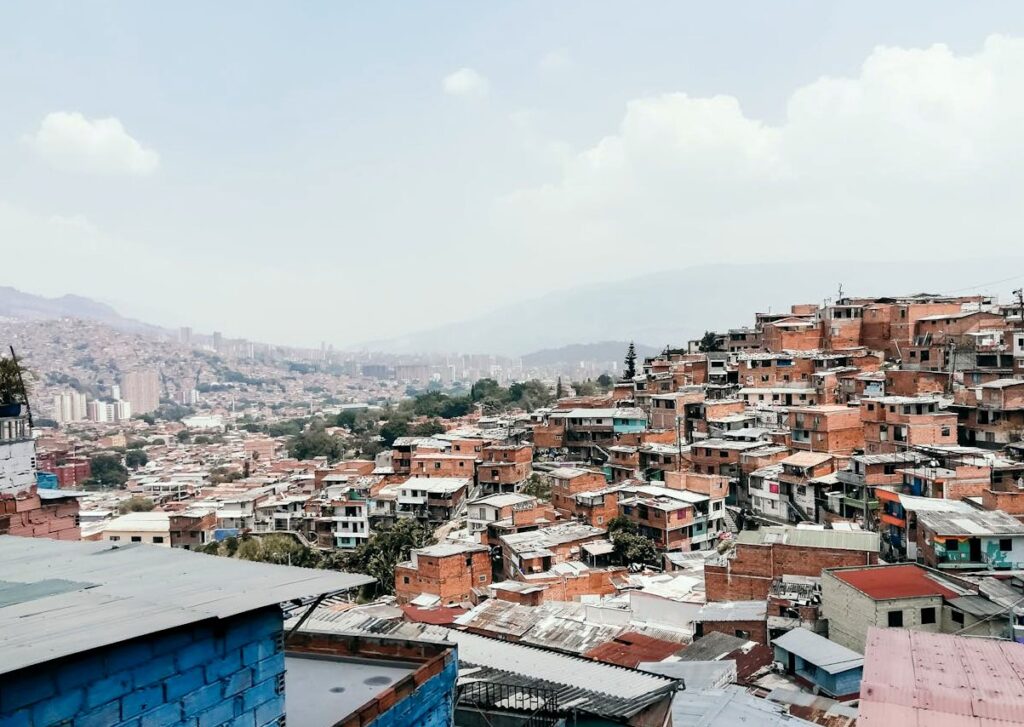
Route: Walk to Estadio or Suramericana station (Line A) → northbound to Centro Time: 20-30 minutes including walk Alternative: Line B from Floresta/Suramericana → San Antonio → transfer Line A north
Best approach: Walk to nearest Line A station (Estadio or Suramericana) and take northbound train. Faster than Line B transfer method. For more on staying in Laureles, see our complete Laureles neighborhood guide.
🔑 Local Secret: The single best metro experience for tourists isn’t riding Line A south-north like everyone does—it’s taking Cable Line K from Acevedo to Santo Domingo during golden hour (5:30-6:30pm) when sun illuminates the entire Aburrá Valley and you see Medellín’s topography and comuna layout with perfect lighting. This 15-minute cable car ride gives you understanding of city geography impossible to grasp from street level: how peripheral neighborhoods climb hillsides, how downtown is squeezed in valley bottom, how cable cars literally connect marginalized communities to opportunity. The ride costs same as regular metro (integrated system) so you’re not paying extra for tourist activity—this is how 40,000 residents commute daily. Exit at Santo Domingo, walk around the library and plaza for 30 minutes experiencing working-class neighborhood tourists never see, then ride back down. Total cost: one metro fare. Total experience: priceless. Don’t do this during rush hour (commuters need space) or rainy evenings (clouds obscure views). Weekday evenings 5:30-7pm or weekend afternoons 3-5pm are optimal. Bring camera but be respectful—you’re documenting people’s neighborhoods, not performing tourism.
Metro Culture & Etiquette
What Paisas Respect
Cleanliness obsession:
- Metro is spotless because everyone protects it
- Don’t litter (carry trash until you find bin outside station)
- Don’t deface property (graffiti artists who target metro face severe social backlash)
- Report spills or messes to staff
Quiet dignity:
- Conversations happen but at reasonable volume
- Phone calls kept brief and quiet
- No loud music or performances (busking prohibited)
- Peaceful coexistence even in crowding
Mutual respect:
- Eye contact and “buenos días/tardes” when appropriate
- “Permiso” when moving through crowds
- Thanking drivers, guards, station staff
- Helping confused tourists without being asked
What Irritates Locals
Tourist obliviousness:
- Stopping in traffic flow to take photos
- Loud conversations or phone calls
- Treating metro like attraction rather than transport
- Blocking doors or escalators
Disrespecting rules:
- Eating/drinking
- Not giving priority seats
- Playing music without headphones
- Littering
Safety theater:
- Clutching bag dramatically (marks you as fearful)
- Looking around suspiciously
- Excessive phone checking for maps
- Obvious money belt or anti-theft gear
Entitlement:
- Expecting English
- Complaining about crowding or heat
- Acting superior to working-class passengers
- Not following queuing norms
How to Blend In
Body language:
- Walk purposefully, not wandering
- Look comfortable, not anxious
- Maintain awareness without paranoia
- Make eye contact casually but not staring
Behavior:
- Follow crowd flow patterns
- Give up seat without being asked
- Say “permiso” when passing
- Keep phone put away or held firmly
Timing:
- Enter/exit trains decisively
- Have card ready at turnstiles
- Don’t hesitate or block flow
- Match pace of other passengers
Respect:
- Acknowledge kindness with “gracias”
- Don’t photograph people without permission
- Dress appropriately (casual but not beachwear)
- Understand you’re guest in their system
Bottom Line: Is Medellín Metro Worth Using?
Medellín metro is absolutely worth using and often superior to Uber/taxi for efficiency, cost, and cultural experience. It’s the best way to move around central Medellín, connecting all major tourist destinations with frequency and reliability impossible to match with private transport. The cultural dimension—observing paisa daily life, class interactions, and urban pride—adds value beyond simple transportation.
Use metro when:
- Traveling on Line A corridor (El Poblado ↔ Centro ↔ Universidad ↔ northern destinations)
- Accessing Comuna 13 via Line B
- Visiting Arví Park via cable car connections
- During peak traffic hours when Uber/taxis are slow
- You want authentic cultural experience
- Budget matters (metro is cheapest option)
- Multiple trips per day (integrated system offers value)
Skip metro when:
- Traveling late night after 11pm closing (Uber/taxi only option)
- Going to destinations not on metro lines (Laureles interior, eastern Poblado, western neighborhoods)
- Large group (4+ people) making Uber economical when split
- Mobility limitations making stairs/escalators difficult
- Carrying lots of luggage or shopping bags
- Very short distances within same neighborhood (walk instead)
The honest assessment: Metro is excellent system that works exceptionally well for moving between El Poblado, Centro, northern neighborhoods, and cable car destinations. It’s faster than private transport during peak hours, costs fraction of Uber, and provides window into paisa society. The cleanliness, efficiency, and cultural experience make it highlight of Medellín visit for many travelers.
What separates good from bad metro experiences: Awareness and respect. Tourists who observe cultural norms, maintain basic security awareness, and approach metro with curiosity rather than fear have smooth, efficient, culturally rich experiences. Tourists who ignore etiquette, display paranoia, or treat metro like tourist attraction have frustrating encounters marked by social friction and stress.
Reality check: Yes, pickpockets exist. Yes, rush hour is crowded. Yes, some tourists get phones stolen. But millions of paisas and thousands of tourists ride daily without incident because they follow basic security practices and cultural norms. The metro’s benefits far outweigh manageable risks.
Decision framework:
- Traveling El Poblado to Centro? → Metro is best option (faster, cheaper, frequent)
- Going to Comuna 13 or Arví? → Metro essential (only practical option)
- Late night or off-metro-line destination? → Uber/taxi better
- Concerned about safety? → Morning/off-peak metro is safer than Uber in traffic
- Want cultural experience? → Metro delivers what organized tours can’t
What to remember: Medellín metro isn’t just transport infrastructure—it’s social achievement that enabled city’s transformation. Using it connects you to Medellín’s story in ways staying in Uber cocoon cannot. The metro is practical tool and cultural window simultaneously. Embrace both dimensions.
Frequently Asked Questions
Is Medellín metro safe for tourists?
Yes, Medellín metro is generally safe for tourists with basic awareness and security practices. The system serves 1.8 million passengers daily with minimal incidents of serious crime. Violent crime is extremely rare—metro is statistically safer than street level or private vehicles. The main risk tourists face is pickpocketing, which is avoidable through awareness and following basic security measures.
Real risks that exist: Pickpocketing is most common crime tourists experience on metro, particularly in crowded stations (San Antonio, Parque Berrío) and during peak hours (6-8:30am, 5-7:30pm). Thieves target phones held loosely near doors, wallets in back pockets, and bags worn carelessly. Phone snatching through train doors as they open is specific tactic—thief grabs phone from passenger’s hands and exits before doors close.
What doesn’t happen: Random violence, muggings, assaults, kidnapping—these are not metro risks. Despite tourist paranoia in forums, serious violent crime on metro is virtually non-existent. The “dangerous Medellín” reputation doesn’t apply to metro environment, which is controlled, monitored, and heavily used by all social classes who collectively protect the system.
How to stay safe: Keep phone in pocket or held very firmly with both hands when near doors. Wear backpacks in front during crowded times. Put wallet in front pocket, not back. Maintain awareness without paranoia—observe your surroundings and people near you. Stand in back corners of train cars away from doors during peak hours (safest position). Don’t display valuables unnecessarily. Follow crowd flow without appearing lost or confused. Give up priority seats to elderly/pregnant/disabled—this shows cultural respect and prevents confrontations.
Station-specific considerations: San Antonio (major transfer hub) has highest pickpocket presence due to crowds and tourist traffic. Parque Berrío in Centro has commercial chaos that creates opportunities for theft. Poblado station targets tourist money specifically. Meanwhile, Universidad, Aguacatala, Envigado, and residential stations are very safe. Adjust vigilance based on location—more awareness in busier Centro stations, relax in quieter residential areas.
Best times for safe experience: Off-peak hours (10am-4pm weekdays, Sunday mornings) offer safest, most comfortable metro experience. Less crowding means easier to maintain personal space, observe surroundings, and protect belongings. Rush hour isn’t dangerous but crowding creates opportunity for pickpockets. First-time metro users should ride during off-peak to learn system without stress.
Compared to other transport: Metro is safer than walking Centro streets where motorcycle thieves operate, safer than hailing taxis on street (licensed taxis at stations are okay), and arguably safer than Uber during peak traffic when you’re stationary target in slow-moving car. The controlled environment, security presence, and social norms make metro surprisingly safe compared to alternatives.
Bottom line: Use common sense, keep valuables secure, maintain awareness, and you’ll be fine. Millions of rides happen daily without incident. The fear many tourists feel about metro is disproportionate to actual risk—most visitors use metro extensively without problems.
For broader safety context: Complete Medellín safety guide and neighborhood breakdown.
How much does Medellín metro cost?
Medellín metro costs budget-friendly tier per single ride covering metro trains, cable cars (Metrocable), and tram (Tranvía) with free transfers within integrated system. You must use rechargeable Cívica card (budget-tier deposit, refundable) as paper tickets don’t exist. This makes metro the cheapest transport option in Medellín, especially for multiple daily trips.
Fare structure: Single ride fare applies regardless of distance or number of transfers within time window. Riding from Poblado to Centro costs same as Poblado to Arví Park via two cable car transfers—both count as single integrated journey. This pricing makes metro incredible value for reaching distant destinations like Arví that would cost significantly more via Uber.
Cívica card system: Purchase Cívica card at any metro station taquilla (staffed ticket office) for budget-tier refundable deposit. Load initial credit (minimum budget-tier, enough for several rides). Each tap at turnstile deducts single fare. Reload card at taquillas or self-service machines when credit runs low. Multiple people cannot share one card—each passenger needs their own card.
How much to load: Budget moderate tier for week as tourist covers 20-30 rides typical of active visitor exploring Medellín. Better to reload multiple times than carry excess credit—if card is stolen, that credit is lost. Load moderate amount (5-10 rides worth) and reload as needed.
Refunding deposit: Return Cívica card to taquilla when leaving Medellín to get deposit refunded. Remaining credit can also be refunded minus small administrative fee. If you’re staying longer than week, keep card for convenience rather than refunding.
Cost comparison to alternatives: Single metro ride costs fraction of Uber/taxi for same journey. El Poblado to Centro via metro: budget-tier. Same trip via Uber during peak traffic: moderate to upper-mid tier and takes longer. For visitors making 4-6 metro trips daily, savings versus Uber add up to substantial amount over week-long stay.
Special considerations: Cable car lines (K and L) are included in standard metro fare—no premium for spectacular hillside/valley views and Arví Park access. This makes Metrocable one of Medellín’s best values—premium experience at regular transport price. Tram (Line T-A) also included in integrated fare.
No surge pricing or peak hours: Unlike Uber which surges during peak demand, metro fare remains constant regardless of time of day or crowding. Budget-tier per ride whether you travel at 6am rush hour or 2pm off-peak.
Children and seniors: Discounted fares available for children under certain age (verify current policy) and senior citizens with Colombian ID. Tourists pay standard fare regardless of age.
Hidden costs: None. The fare covers complete journey including transfers. No additional fees, no tips expected, no tourist pricing. What you see at turnstile is what you pay.
Bottom line on cost: Metro is cheapest way to move around Medellín while offering fastest, most reliable service for destinations on metro corridor. The integrated fare system means complex journeys involving multiple transfers (like reaching Arví Park) cost same as simple A-to-B trip, making it exceptional value.
For complete activity costs: Medellín activities guide and budget breakdown.
What are Medellín metro operating hours?
Medellín metro operates Monday-Saturday 4:30am-11pm and Sunday/holidays 5am-10pm with trains running every 3-8 minutes depending on time of day. Last trains depart final stations at closing time, so plan to enter metro at least 30 minutes before closing if traveling full length of lines. Cable cars (Metrocable) and tram follow same schedule as metro trains.
Detailed schedule: Weekday and Saturday service begins 4:30am with first trains from terminal stations (Niquía on Line A north, La Estrella on Line A south, San Antonio and San Javier on Line B). Service continues until 11pm when last trains depart terminals. Sunday and holiday service starts later (5am) and ends earlier (10pm), accommodating reduced demand and allowing overnight maintenance.
Frequency by time: Peak hours (6-8:30am morning, 5-7:30pm evening) see trains every 3-5 minutes on Line A, slightly longer on Line B. Off-peak daytime (10am-4pm) frequency drops to 5-7 minutes. Early morning and late evening service runs every 7-8 minutes. You never wait long—system is remarkably frequent compared to other Latin American metros.
Planning last train: If you’re out late in Centro or elsewhere and need to return to El Poblado, be aware of 11pm closing. Leaving activity at 10:30pm gives comfortable buffer to reach station, navigate turnstiles, and board train. Cutting it closer risks missing last train and requiring Uber/taxi instead.
Sunday schedule difference: Sunday 10pm closing (versus 11pm weekdays) catches some tourists off guard. If you’re doing Sunday evening activities, remember earlier closing time. This is particularly relevant for Sunday afternoon at Arví Park—need to start return journey by 8:30-9pm to account for cable car transfers and reach El Poblado before metro closes.
Holiday closures: Metro operates on major Colombian holidays but on Sunday schedule (5am-10pm). No complete closures except extremely rare circumstances like emergency maintenance or natural disasters. Christmas Day, New Year’s Day, Easter, Independence Day—metro still runs on holiday schedule.
What happens at closing: Station staff begin announcing closure 15-20 minutes before end of service. Trains already in motion complete their runs. Guards walk platforms ensuring everyone has exited. Stations close sequentially as last trains pass through. Don’t try to rush in at 10:58pm—you’ll be turned away.
Alternative transport after hours: After 11pm (or 10pm Sundays), Uber and licensed taxis are only transport options. Uber is generally recommended over street taxis for safety and reliability, especially late night. From Centro to El Poblado late night via Uber costs moderate range.
Best times to ride: For first-time tourists learning system, mid-morning to mid-afternoon (10am-4pm) offers comfortable introduction—less crowded, easier navigation, more time to observe and learn. Peak hours (rush hours) are manageable once you understand system but overwhelming for complete beginners.
Maintenance windows: System occasionally has extended maintenance periods reducing service or closing sections temporarily. These are announced in advance via metro’s official channels and local news. Check status if visiting during early January or late December when major maintenance often scheduled.
For timing other activities: Complete Medellín activities and scheduling guide.
How do I get from El Poblado to Comuna 13 by metro?
To reach Comuna 13 from El Poblado by metro: Take Line A northbound to San Antonio station → transfer to Line B westbound → ride to San Javier (terminus) → walk or take short Uber to Comuna 13 graffiti tour area. Total metro time is 25-30 minutes with one transfer. From San Javier station, Comuna 13’s main tourist area (escalators and graffiti) is 10-15 minute walk or quick economical Uber ride.
Step-by-step directions:
**Step 1 – Board Line A:** Walk to Poblado or El Poblado metro station (whichever is closer to your accommodation). Buy Cívica card at taquilla if you don’t have one. Tap card at turnstile and board Line A northbound (direction: Niquía). You want trains going north toward Centro, not south toward La Estrella.
**Step 2 – Transfer at San Antonio:** Ride Line A approximately 10-15 minutes (3-4 stops from Poblado station, 2-3 from El Poblado station) to San Antonio. This is major transfer station where Lines A and B intersect. Exit train and follow “Línea B” or “San Javier” signs. Don’t exit metro system—stay inside and follow transfer corridors to Line B platforms.
**Step 3 – Board Line B westbound:** At San Antonio, you’ll see platforms for both directions of Line B. You want westbound direction toward San Javier (not eastbound toward San Antonio). Confirm you’re boarding correct train by checking electronic signs showing destination “San Javier.” The transfer is free—no need to tap card again.
**Step 4 – Ride to San Javier:** Stay on Line B for approximately 10-12 minutes (5 stops) until terminus at San Javier. This is end of the line—everyone exits here. Follow “Salida” signs to exit station.
**Step 5 – Get to Comuna 13 tourist area:** From San Javier metro station exit, Comuna 13 graffiti area is uphill (west). Options: Walk 10-15 minutes uphill following crowds (other tourists usually visible), ask locals “¿Dónde están las escaleras eléctricas de la Comuna 13?” (Where are Comuna 13 electric escalators?), or take Uber/taxi for budget-tier quick ride (5 minutes). Most visitors walk if weather is good—route is clearly signed and safe during daytime.
Timing considerations: Allow 45-60 minutes total from leaving El Poblado accommodation to arriving at Comuna 13 escalators (includes walking to metro, metro ride, metro transfer, walk from San Javier station). Plan accordingly for scheduled Comuna 13 tours which typically start 10am, 2pm, or 4pm.
Return journey: Reverse the route—walk back down to San Javier station, take Line B eastbound to San Antonio, transfer to Line A southbound toward La Estrella, exit at Poblado or El Poblado station. Same integrated fare covers return.
Safety notes: San Javier station and the walk to Comuna 13 are safe during daytime (9am-5pm) when tourist tours operate. Avoid visiting late afternoon/evening when tours have ended and area becomes local neighborhood with less tourist infrastructure. Stay on marked tourist routes in Comuna 13—don’t wander off into residential areas.
Alternative: Some visitors take Uber directly from El Poblado to Comuna 13 (moderate range, 30-40 minutes with traffic) to avoid metro transfers. This is fine but you miss experiencing metro and transfers are actually straightforward. Most comfortable option: metro to San Javier, then Uber from station to Comuna 13 tourist area (combines metro efficiency with convenience).
For complete Comuna 13 guide: Comuna 13 tours, timing, and what to see.
Can I use Uber instead of Medellín metro?
Yes, you can use Uber instead of metro, but metro is faster, cheaper, and more reliable for destinations on metro corridor while Uber makes more sense for late night, off-metro-line locations, or when traveling with group where cost splits favorably. Each has optimal use cases—smart travelers use both strategically rather than exclusively relying on one.
When metro is clearly better than Uber:
**El Poblado to Centro:** Metro takes 15-20 minutes and costs budget-tier. Uber takes 25-40 minutes (traffic dependent) and costs moderate tier. Metro wins on time, cost, and reliability. Traffic makes Uber unpredictable—you might arrive faster than metro if roads clear, but usually you’re stuck in congestion.
**Peak hour travel:** During rush hours (7-9am, 5-7:30pm), metro is dramatically faster. Uber crawls through traffic while metro zips past above street level. For morning meetings or evening returns, metro’s fixed timing beats Uber’s variability.
**Arví Park access:** Metro + cable cars are only practical option (integrated system includes cable cars in standard fare). Uber to Arví would be extremely expensive, time-consuming, and impractical. Cable car experience itself is highlight, not just transport.
**Multiple daily trips:** If you’re making 4-6 trips per day exploring Medellín, metro costs add up to budget-tier total. Same trips via Uber would cost premium range. Metro’s unlimited-usage value becomes clear with frequent travel.
**Cultural experience:** Metro lets you observe paisa daily life, class interactions, and urban rhythms impossible to see from Uber backseat. This cultural dimension has value beyond transport efficiency.
When Uber is better than metro:
**Late night after 11pm:** Metro closes, Uber is only option besides licensed taxis. No choice here—Uber wins by default.
**Destinations off metro lines:** Laureles interior, eastern Poblado neighborhoods, western areas, Envigado residential zones—anywhere not walking distance from metro station requires Uber, taxi, or combination metro-then-Uber.
**Groups of 4+ people:** Uber for 4 passengers costs moderate tier split four ways (budget-friendly per person). Metro requires 4 separate cards and fares. At this group size, Uber becomes economical while offering door-to-door convenience.
**Luggage or shopping:** Carrying suitcases, multiple shopping bags, or bulky items on metro is possible but awkward, especially during crowded times. Uber’s door-to-door service makes this practical.
**Mobility limitations:** Stairs, escalators, crowds, and walking between stations can be challenging for elderly, people with disabilities, parents with small children, or anyone with mobility issues. Uber eliminates these barriers.
**Time-sensitive appointments:** If you absolutely must arrive by specific time and can’t afford metro delay (extremely rare but possible), Uber’s flexibility to route around problems offers backup option. Though metro is generally more reliable.
Hybrid approach (smartest strategy): Use metro for main corridor trips (El Poblado-Centro, Comuna 13, Arví Park, Universidad area), use Uber for late night, off-line destinations, and convenience situations. Most visitors find they use metro 60-70% of time and Uber 30-40%, with metro handling bulk of transport needs and Uber filling gaps.
Cost comparison example: Week-long visit with moderate exploration (5 trips per day): Metro costs budget tier total for unlimited metro rides. Same mobility via Uber costs premium tier-plus. The savings fund other Medellín experiences.
Bottom line: Don’t view metro vs Uber as either/or choice. Use metro for what it does best (speed, cost, reliability on metro corridor) and Uber for situations where it makes more sense (late night, off-line, groups). Tourists who skip metro entirely because “I prefer Uber” miss out on efficiency, savings, and cultural experience. Tourists who refuse Uber out of principle create unnecessary inconvenience. Use both strategically.
What is Metrocable and should I ride it?
Metrocable is cable car system integrated with Medellín metro, consisting of Lines K (Santo Domingo) and L (Arví Park) that transport passengers up hillsides connecting peripheral working-class neighborhoods to metro network below. Yes, you should absolutely ride it—Metrocable offers spectacular valley views, provides insight into how Medellín solved geographic isolation of hillside comunas, and costs same as regular metro fare (included in integrated system), making it one of Medellín’s best values.
What Metrocable is: Gondola lifts using same technology as ski resort cable cars, permanently installed above neighborhoods with stations every few hundred meters up hillside. Each cabin holds 8-10 passengers. The system operates exactly like metro—tap Cívica card at turnstile, board cabin, ride to destination, transfer freely within integrated system.
Line K (Santo Domingo): Connects Acevedo (Line A metro station) to Santo Domingo neighborhood via three intermediate stations (Andalucía, Popular, Santo Domingo). This 15-20 minute ride climbs dramatically up hillside providing panoramic views of Medellín’s valley, downtown skyline, and surrounding mountains. You see how peripheral neighborhoods cascade up slopes, observe daily life from cable car perspective, and understand Medellín’s topography.
Line L (Arví Park): Continues from Santo Domingo (where Line K ends) further up mountain to Arví Park—nature reserve with hiking trails, picnic areas, weekend food market, and cool mountain climate. This segment is less about commuter transport and more about recreational access. The ride takes 10-15 minutes ascending from urban density into cloud forest remnants.
Why it matters socially: Before Metrocable (opened 2004), hillside residents faced 60-90 minute bus commutes on dangerous winding roads to reach metro and employment centers. Metrocable reduced travel time to 15-30 minutes, improving access to jobs, education, healthcare. This is infrastructure-driven social transformation visible from cable car windows—you see the communities these gondolas connect to opportunity.
Tourist perspective—why ride it: The views alone justify the experience. Watching Medellín spread below as you ascend, seeing comuna life from above, understanding city’s geography—this provides context impossible to grasp from street level. The fact it costs same as regular metro fare (no premium for views) makes it exceptional value. Many visitors call Metrocable their favorite Medellín experience.
When to ride: Morning (8-10am) or early afternoon (1-3pm) offers clearest weather and best visibility. Avoid late afternoon when clouds often roll in obscuring views. Weekday mornings show commuter reality; weekend afternoons are more relaxed family atmosphere. For Arví Park visit, start morning to allow full day exploring park before return.
How to ride from El Poblado: Take Line A northbound to Acevedo station. Transfer to Metrocable Line K (follow “Metrocable” signs). Ride to Santo Domingo (terminus). Optional: transfer to Line L for Arví Park continuation. Return same way. Total time El Poblado to Arví: 45-60 minutes via integrated metro-cable system.
Cultural considerations: Remember you’re riding through people’s neighborhoods, not Disneyland attraction. Residents use Metrocable daily for work, school, errands. Be respectful with photography (don’t point camera directly into homes), don’t ogle poverty as spectacle, and understand you’re witnessing essential transport infrastructure, not performing tourism.
Safety: Metrocable is extremely safe mechanically—cable systems are proven technology with redundant safety features. Social safety matches metro standards—guards present at stations, cameras monitoring cabins, respectful passenger culture. The neighborhoods you pass over are safe from cable car perspective; just don’t get off at intermediate stations to wander around unless you know area.
Bottom line: Riding Metrocable is essential Medellín experience combining practical transport, spectacular views, and social insight. The fact it’s included in standard metro fare (no additional cost) makes it no-brainer activity. Even if you’re not visiting Arví Park specifically, riding Line K to Santo Domingo and back provides phenomenal views and understanding of how Medellín solved geographic isolation of hillside communities.
For complete Arví Park guide and hiking: Medellín activities including nature escapes.
Do I need Spanish to use Medellín metro?
No, you don’t need Spanish to successfully use Medellín metro, but basic Spanish phrases significantly improve experience and help when you need assistance. The system is designed to be navigable without language through color-coded lines, clear signage, and intuitive layout. However, station staff speak primarily Spanish, announcements are Spanish-only, and asking for help requires at least survival-level communication.
What works without Spanish: Color coding (Line A=orange, Line B=blue) makes line identification visual. Station names are clearly posted with line colors. Maps at every station show your current location and connections. Electronic signs on platforms display next train destination. Turnstiles have green=go, red=stop lights that anyone understands. Transfers follow “Correspondencia” signs with line colors. You can navigate entire system observing and following visual cues without speaking Spanish.
Where Spanish helps: Buying Cívica card requires interaction with taquilla staff (“Una tarjeta Cívica, por favor”). Reloading credit is similar (“Recargar [amount] pesos”). Asking for directions (“¿Dónde está…?”). Understanding announcements about delays or service changes. Requesting help from guards or other passengers. Emergency situations requiring communication. Basic survival Spanish transforms these potentially stressful interactions into simple transactions.
Minimal phrases for metro use:
**Buying card:** “Una tarjeta Cívica, por favor” (One Cívica card, please) “Recargar [show fingers for amount] mil pesos” (Reload [amount] thousand pesos)
**Navigation:** “¿Dónde está la Línea B?” (Where is Line B?) “¿Cómo llego a [station name]?” (How do I get to [station]?) “Permiso” (Excuse me—for passing through crowds)
**Asking help:** “¿Me puede ayudar?” (Can you help me?) “Estoy perdido/a” (I’m lost) “No entiendo” (I don’t understand)
**Understanding responses:** “Derecha” (right), “Izquierda” (left), “Todo recto” (straight ahead), “Arriba” (up), “Abajo” (down)
Translation app strategy: Download Google Translate offline Spanish pack before arriving Medellín. When you need to communicate with station staff, type English request, show them Spanish translation. Most staff are patient and helpful with tourists clearly trying to communicate.
Fellow passenger assistance: Locals generally help confused tourists, especially if you ask politely. Young people more likely to speak some English. Students and professionals are friendly toward tourists. Don’t be afraid to ask fellow passengers for help—showing map on phone and pointing to destination usually gets friendly direction response even without shared language.
Learning through observation: Your first metro ride will teach you system quickly through watching locals. See how they tap cards, which platform they board, how they transfer—follow the crowd and you’ll figure it out. The system’s intuitive design means you learn by doing even without language comprehension.
English availability: Metro system has minimal English—station names are Spanish only, signage is primarily Spanish, announcements are Spanish, staff speak limited English. Don’t expect English accessibility you might find in European or Asian metros. This is Latin American public transport where Spanish is assumption.
Children and non-Spanish speakers: Many non-Spanish-speaking tourists use metro successfully including elderly visitors, children, people with zero Spanish background. The visual navigation system works. Yes, Spanish helps. No, it’s not required for basic functional use.
Bottom line: Metro is navigable without Spanish through observation and visual cues, but learning 10-15 basic phrases dramatically improves experience and reduces stress. The effort to learn minimal survival Spanish pays dividends across entire Medellín visit, not just metro use. If you’re visiting Medellín for week+, investing 30 minutes learning basic metro-related Spanish is worthwhile preparation.
Can I bring luggage on Medellín metro?
Yes, you can bring luggage on Medellín metro—there’s no prohibition against suitcases or large bags, but practical considerations make it awkward during crowded times and potentially inadvisable for airport transfers. Metro is designed for daily commuters, not travelers with luggage, so while allowed, it’s not optimized for this use case.
What’s allowed: Suitcases, backpacks, shopping bags, musical instruments, small furniture—reasonable personal items are permitted. No explicit size restrictions exist, though obviously you can’t bring refrigerator. As long as item isn’t dangerous, excessively large, or blocking other passengers, metro staff won’t stop you.
Practical challenges: Metro cars don’t have designated luggage areas like airport trains. You must hold/manage bags yourself throughout journey while navigating: turnstiles (must carry luggage through narrow barriers), escalators (managing bags on moving stairs), crowded cars (holding bags without blocking others), transfers (moving luggage between lines), and standing room (no place to set bags down). During rush hour with full car and minimal space, this becomes genuinely difficult.
Security concerns with luggage: Large bags attract attention and mark you as obvious visitor with potentially valuable contents. Watching luggage constantly while also navigating system, managing Cívica card, and staying oriented creates cognitive load that reduces awareness. Pickpockets sometimes slash bags or use distraction tactics when tourists are focused on managing luggage.
Airport transfers: Medellín airport (Rionegro) is NOT served by metro—it’s 30km southeast requiring bus or taxi. Metro cannot be used for airport arrival/departure regardless of luggage considerations. However, many visitors use metro from airport bus terminal (Terminal del Sur on Line A) to accommodation, or from accommodation to bus terminal for leaving Medellín. This specific use case (bus terminal to hotel) is where luggage-on-metro question becomes relevant.
When metro with luggage works: Off-peak hours (10am-3pm weekdays) with one manageable suitcase plus small bag is doable. Sunday mornings are spacious enough to manage luggage without major hassle. Short direct routes (e.g., Terminal del Sur to Poblado without transfers) are manageable. If you’re budget-conscious and luggage is modest, metro can work.
When to skip metro and use Uber: Rush hours make luggage management genuinely difficult and inconsiderate to other passengers. Multiple large bags exceed what’s reasonable. Traveling with family (multiple people + multiple bags = chaos). Late night arrivals when metro is closed. When Uber cost split among 2-3 people makes it economical alternative. Arriving first day in unfamiliar city when navigation stress + luggage management is overwhelming.
Best practice with luggage: If using metro with bags, travel during off-peak hours, keep bags close and controlled, stand in designated areas rather than blocking paths, use elevator instead of escalators where available (some stations have them), and stay extremely aware of surroundings since managing luggage reduces attention for personal security.
Cost-benefit analysis: Metro from Terminal del Sur to El Poblado costs budget-tier per person. Uber for same route costs moderate range for car (split among passengers if multiple travelers). For solo budget traveler with one bag, metro saves substantial amount. For couple or family with multiple bags, Uber’s moderate cost split among people makes much more sense for convenience and stress reduction.
Alternatives to consider: Use Uber for airport-to-accommodation transfer (door-to-door convenience with luggage), then use metro for daily travel around Medellín once bags are stored at accommodation. This hybrid approach gets you Uber’s luggage-handling convenience and metro’s economical daily transport without requiring luggage management on metro.
Bottom line: Luggage on metro is legal and possible but creates practical challenges that may not be worth savings versus Uber alternative, especially for first-day arrivals or last-day departures when you’re already stressed. Assess your specific situation—time of day, amount of luggage, number of people, budget constraints—and choose transport mode accordingly rather than assuming metro is always best option.
Related Guides
Navigate Medellín effectively:
- Things to Do in Medellín — Complete activities and metro destinations
- El Poblado Guide — Where most visitors start metro journeys
- Laureles Guide — Alternative base near Line A/B
- Comuna 13 Guide — Metro access via Line B
- Is Medellín Safe? — Safety context for metro and beyond
- When to Visit Medellín — Timing for best weather
- Guatapé Day Trip — Day trips requiring metro to terminal
- Paragliding Medellín — Activities accessible via metro