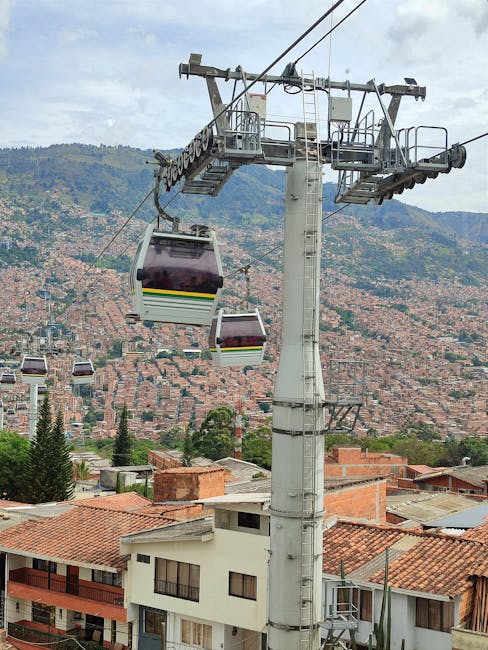
Every Medellín guide promotes Parque Arví as “must-do nature escape” and “spectacular cable car experience.” Here’s what they’re not telling you: the Metrocable journey TO the park rivals the park itself as the main attraction (30-minute aerial commute above informal neighborhoods and cloud forest canopy creates unforgettable spectacle), the park entrance is free but hiking trails vary dramatically in quality from well-maintained educational paths to overgrown muddy disappointments, weekend farmer’s market crowds transform peaceful nature reserve into busy commercial zone, and weather unpredictability means 50/50 chance your mountain visit involves thick fog obscuring all views you came to see. The cable car ride alone justifies the trip, but whether the park delivers on nature experience promises depends heavily on which trails you choose, which day you visit, and realistic expectations about “pristine wilderness” 30 minutes from 4-million-person city.
Parque Arví is Medellín’s ecological reserve in the mountains above the city — 1,600 hectares of cloud forest, hiking trails, zip-lines, and local food markets. Reached by Metro + MetroCable Line L (30 min total from El Poblado, $1.50 USD). Best on weekdays — weekends are extremely popular with local families.
But here’s the nuance these surface-level guides miss: Parque Arví delivers exactly what Medellín’s urban-weary visitors need—accessible mountain escape without renting cars or booking expensive tours (budget-tier metro+cable car total cost), genuine cloud forest ecosystem showcasing Colombia’s biodiversity, hiking options ranging from 20-minute strolls to 3-hour wilderness treks, and that Metrocable ride providing perspective on Medellín’s geography and inequality impossible from ground level. The question isn’t whether it’s “good enough”—it’s whether mountain nature experience via cable car matches your interests versus other Medellín activities competing for your time, and whether you’re visiting on conditions (weekday, clear weather, right trails) that showcase the park versus conditions that disappoint.
After visiting Parque Arví twelve times across different seasons, weather conditions, and days of week—experiencing how weekend market mania completely changes the vibe (weekdays infinitely superior for nature), learning which trails actually deliver versus which peter out into nothing, understanding that fog probability varies 20-70% depending on season and time of day (mornings clearer than afternoons), and observing how the Metrocable journey itself evolves from “scenic transport” to “main attraction worth repeating”—I’ve learned when the park works versus when other activities serve better.
Parque Arví (officially Parque Regional Ecoturístico Arví) is 16,000-hectare protected nature reserve in mountains above northeastern Medellín, accessed via Metrocable Line L aerial cable car from Santo Domingo station. The park preserves Andean cloud forest ecosystem (2,300-2,800 meters elevation), offers 54+ kilometers of hiking trails (ranging from easy 20-minute nature walks to challenging 3+ hour mountain treks), hosts weekend farmer’s market (mercado campesino showcasing regional agriculture), provides picnic areas and viewpoints, and delivers educational programming about Antioquia’s ecology and indigenous history. Park entrance is FREE—visitors pay only metro/Metrocable transport (budget-tier round-trip from El Poblado).
This isn’t dismissive “park is boring” verdict some activity-focused travelers push. But it’s also not uncritical “essential nature experience” propaganda some guides promote. This is 2026 reality: what the park actually delivers (spectacular cable car journey, accessible cloud forest, diverse hiking options, weekend cultural market, budget-friendly escape), what it doesn’t deliver (pristine untouched wilderness, guaranteed clear views, extensive facilities, full-day hiking challenges), who genuinely enjoys it (nature lovers, hikers, cable car enthusiasts, families, budget travelers, people needing urban break) versus who leaves disappointed (expecting dramatic landscapes visible through fog, wanting extensive trail infrastructure, visiting weekend market crowds), and most importantly—honest assessment helping you decide if half-day mountain trip beats alternative Medellín activities.
Planning Medellín activities? See our complete things to do guide for all options, Comuna 13 for urban culture alternative, Coffee Region day trip for more extensive nature, and metro guide for using public transport system.
Quick Facts: Parque Arví at a Glance
Basic Information:
- Location: Mountains above northeastern Medellín, Santa Elena district
- Elevation: 2,300-2,800 meters (7,500-9,200 feet) above sea level
- Size: 16,000+ hectares protected cloud forest (40,000 acres)
- Access: Metrocable Line L from Santo Domingo station (metro Line A/K)
- Park entrance: FREE (pay only metro+cable car transport)
Metrocable Journey:
- Line K (Metro to Santo Domingo): 12 minutes, budget-tier fare
- Line L (Santo Domingo to Arví): 30 minutes aerial journey, budget-tier fare
- Total from El Poblado: 70-90 minutes including connections
- Round-trip cost: Budget-tier total (metro + both cable car lines)
- Operating hours: 6:30am-10pm daily (last return cable car ~9pm)
Main Attractions:
- Metrocable ride: 30-minute aerial journey (often better than park itself)
- Hiking trails: 54+ km ranging from 20-minute nature walks to 3+ hour treks
- Farmer’s market: Weekend mercado campesino (Saturday-Sunday, 9am-4pm)
- Cloud forest: Andean ecosystem with unique biodiversity
- Viewpoints: Mountain vistas of Medellín (when weather clear)
- Picnic areas: Multiple zones with tables, BBQ pits
- Educational trails: Interpretive paths about ecology and indigenous history
Visit Duration:
- Cable car only: 2 hours round-trip (ride up, brief walk, return)
- Short visit: 3-4 hours (cable car + easy trail + lunch)
- Half-day: 4-6 hours (cable car + moderate hike + market/picnic)
- Full day: 6-8 hours (extensive hiking, market, picnic, leisurely pace)
Cost Breakdown:
- Park entrance: FREE
- Metro+Metrocable: Budget-tier round-trip
- Food at market: Budget to mid-tier (empanadas to full meals)
- Guided hike: Budget-mid tier if arranged
- Total typical visit: Budget-mid tier (transport + food)
Best For:
- Nature lovers wanting accessible escape
- Cable car enthusiasts (ride is spectacular)
- Hikers seeking cloud forest trails
- Families with picnic supplies
- Budget travelers (free park, cheap transport)
- People needing break from urban intensity
- Photographers (when weather cooperates)
- Weekend market cultural experience
Not Ideal For:
- Those expecting pristine wilderness
- Visitors uncomfortable with heights (cable car mandatory)
- People wanting guaranteed clear views (fog common)
- Serious hikers needing challenging terrain
- Those visiting weekend and disliking crowds
- Travelers with very limited time (70+ minutes each way)
Weather Considerations:
- Fog probability: 30-50% year-round, higher afternoons
- Rain season: April-May, October-November (60-70% fog)
- Dry season: December-March, June-August (20-40% fog)
- Best visibility: Weekday mornings 8-11am
- Temperature: 14-18°C (57-64°F), cooler than Medellín valley
Safety:
- Metrocable and park very safe daytime
- Stay on marked trails (getting lost possible)
- Bring water and snacks (limited facilities)
- Dress in layers (temperature changes with elevation)
- Don’t hike alone on remote trails
Parque Arví vs Other Medellín Nature Options
| Option | Access | Duration | Cost | Nature Quality | Difficulty | Best For |
|---|---|---|---|---|---|---|
| Parque Arví | Metrocable | 4-6 hours | Budget | Cloud forest, accessible | Easy-Moderate | Families, cable car, budget |
| Coffee Region | Bus/tour | Full day | Mid-Premium | Coffee farms, dramatic | Easy | Coffee culture, landscapes |
| Jardín Botánico | Metro | 2-3 hours | Budget | Urban garden, orchids | Easy | Plants, short visit, city |
| La Piedra (El Peñol) | Bus/tour | Full day | Mid | Lake views, rock climb | Moderate | Views, Guatapé combo |
| Santa Elena flower farms | Taxi/tour | 3-4 hours | Mid | Flower cultivation, rural | Easy | Flowers, silleteros culture |
| Cerro Nutibara (Pueblito Paisa) | Metro+walk | 2 hours | FREE | City views, replica village | Easy | Quick views, free, central |
Understanding Parque Arví
The Metrocable Journey: Often Better Than the Destination
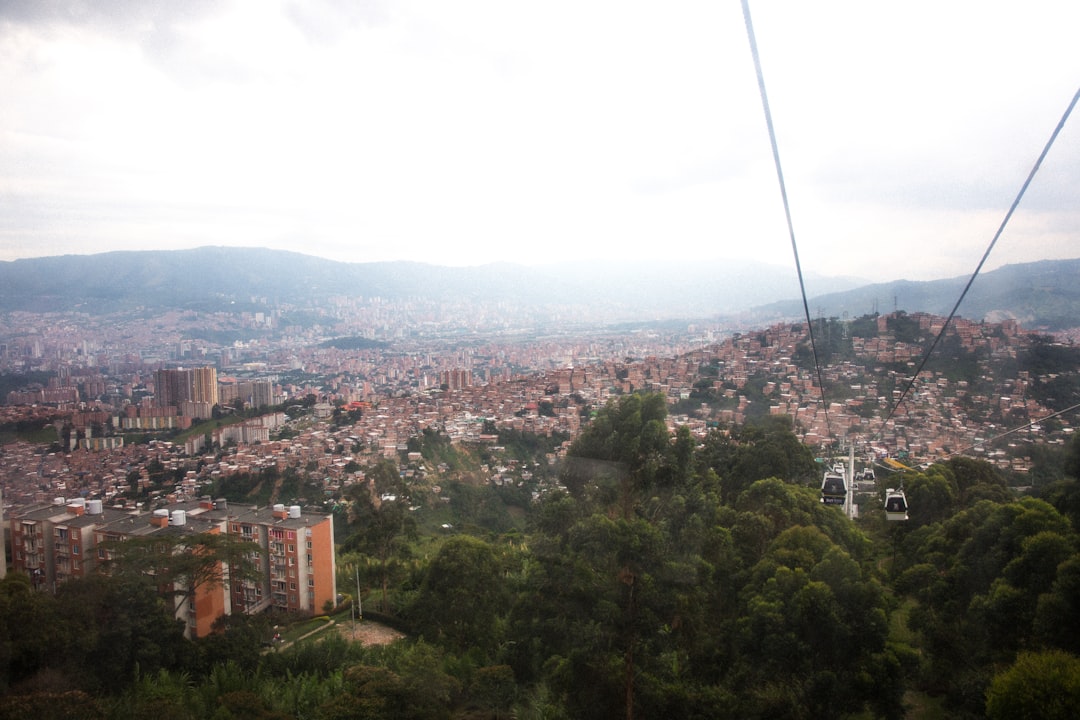
Why the cable car matters: Before discussing the park, understand that the 30-minute Metrocable Line L journey from Santo Domingo to Arví constitutes one of Medellín’s most spectacular experiences—aerial commute gliding silently above informal hillside neighborhoods, then ascending into cloud forest canopy where views toggle between Aburrá Valley sprawl below and misty mountain peaks above. This isn’t tourist gimmick; it’s functional public transport serving mountain communities while creating accidental tourism attraction. Many visitors find cable car ride more memorable than park itself.
What you see ascending: Line L departure from Santo Domingo crosses immediately above densely-packed brick houses clinging to steep slopes—intimate aerial perspective on how Medellín’s working-class neighborhoods organize themselves vertically, laundry hanging between buildings, kids playing on rooftop terraces, narrow staircases connecting different elevation levels. This 10-minute section provides more authentic Medellín insight than any walking tour. Then cable car climbs into pine forest zone, followed by cloud forest proper where visibility alternates between clear vistas and thick fog banks depending on altitude and weather. The experience is simultaneously urban documentary, ecological journey, and engineering marvel.
The Park: What It Actually Is
Not wilderness: Parque Arví, despite “nature reserve” designation, sits 30 minutes from 4-million-person city and shows it. The park entrance area feels like municipal recreation space—paved paths, information kiosks, souvenir vendors, picnic tables, food stalls—not remote wilderness. Trails vary: some are well-maintained gravel paths with educational signage (tourist-friendly), others are muddy dirt tracks used primarily by local farmers and mushroom foragers (authentic but rough). The cloud forest is genuine Andean ecosystem with unique biodiversity, but don’t expect Amazon-scale nature immersion.
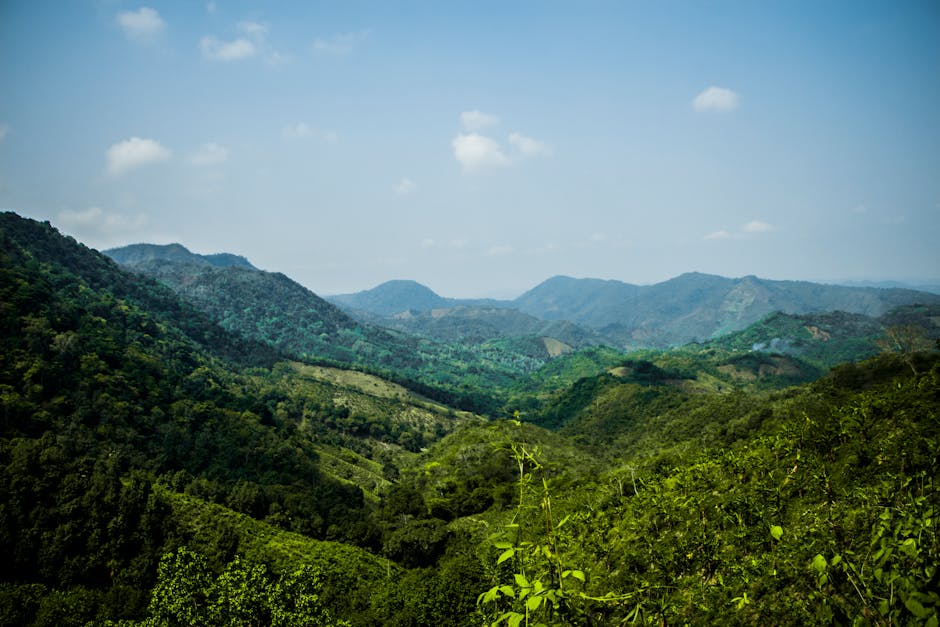
What cloud forest means: At 2,300-2,800 meters elevation, Parque Arví occupies cloud forest belt—ecosystem where constant moisture from clouds creates distinctive environment: moss-covered trees, ferns everywhere, unique orchids, bromeliads, and if you’re lucky, glimpses of endemic birds like mountain tanagers or hummingbirds. Temperature stays cool (14-18°C), humidity high, and fog common. This isn’t tropical rainforest drama; it’s subtle ecosystem requiring attention to appreciate.
Weekend Farmer’s Market vs Weekday Tranquility
Saturday-Sunday market: The mercado campesino (farmer’s market) operates weekends 9am-4pm near park entrance, transforming the area from quiet nature reserve to bustling commerce zone. Local farmers from Santa Elena district sell produce (fruits, vegetables, flowers), prepared foods (arepas, tamales, fresh cheese), crafts, and regional products. The market provides authentic cultural experience and supports rural community, but crowds and commercial activity clash with nature-seeking motivations that bring most visitors to mountain park.
Weekday difference: Visit Tuesday-Friday and Parque Arví becomes completely different place—quiet trails with occasional hikers, empty picnic areas available for claiming, birdsong audible without market noise, and cable car ride offering contemplative journey rather than packed tourist attraction. For nature experience, weekday visits are vastly superior. For cultural market experience and people-watching, weekend is appropriate despite crowds.
🔑 Local Secret: The Metrocable Line L operators manually adjust cabin speed based on weather conditions and passenger volume, and if you board the first or second cabin of the morning (6:30-7am departure from Santo Domingo), operators sometimes slow the cable to nearly walking pace during the most scenic cloud forest sections—unofficial practice giving early passengers extended viewing time and creating magical slow-motion flight through mist-wrapped trees that regular-speed cabins miss entirely. This speed reduction happens only when: passenger volume is extremely low (6-8 people total across all cabins), weather is clear enough to justify extended viewing (operators can see conditions from control room), and specific operators are on duty who prioritize passenger experience over strict schedule adherence (roughly 30% of operators, identifiable by their willingness to chat). Medellín locals who commute to Santa Elena for work know which operators are “scenic operators” versus “schedule operators” and plan their trips accordingly, but tourists never discover this because guides universally recommend visiting 9am-4pm when cables run full-speed to accommodate crowds. The early-morning slow-ride creates completely different experience: instead of 30-minute blur, you get 40-45 minute journey where individual tree species become visible, cloud formations can be observed forming and dissolving around cabins, and photographers can actually frame and capture shots impossible at normal speed. Bring zoom lens or binoculars to take advantage of extended viewing—bird species flying at canopy level become identifiable rather than just blurs. Access requires genuine early-morning commitment: leave El Poblado by 5:45am (first metro at 4:30am from some stations, but around 5am from Poblado), arrive Santo Domingo 6:15am, board first Line L cabin 6:30am departure. The reward is: slow scenic ride, completely empty park for first 60-90 minutes (you might be only people on trails until 8am), best weather probability (mornings clearer than afternoons), and sunset-quality light illuminating valley on return descent (7:30-8am golden hour). Locals who photograph Metrocable professionally use this timing exclusively, but tourists think cable car “opens” at 9am because that’s when crowds appear. Guards and operators are accustomed to early visitors and welcome dedicated nature enthusiasts—showing up at 6:25am signals you’re serious, not random tourist.
What NOT to Do at Parque Arví
1. Don’t Visit on Weekends Expecting Peaceful Nature Experience
The mistake: Visiting Parque Arví Saturday or Sunday expecting quiet mountain retreat and contemplative nature immersion
The reality: Weekend transforms Parque Arví from tranquil nature reserve into crowded recreational zone dominated by: farmer’s market vendors setting up tents and merchandise near entrance (commercial atmosphere replacing forest serenity), Medellín families arriving en masse for picnics with portable speakers, BBQ equipment, and children running everywhere, tour groups clustering at popular viewpoints creating bottlenecks, and general energy incompatible with peaceful hiking or bird-watching. The Metrocable becomes packed (standing room only in cabins designed for sitting), trails near entrance area feel like busy park paths rather than wilderness routes, and any hope of solitude evaporates.
How this ruins nature experience: You arrive seeking mountain escape from urban intensity, encounter instead: market hawkers selling souvenirs blocking trailheads, families blasting reggaeton from speakers at picnic tables, crowds photographing same viewpoint requiring queue to access, and ambient noise level (vendors calling out prices, children playing, music competing) destroying the forest sounds (birds, wind, rustling leaves) you came to experience. The cloud forest ecosystem is still there, but experiencing it becomes nearly impossible amid weekend recreational chaos.
What to do instead: Visit Tuesday through Friday when park attendance drops 70-80% compared to weekends—trails become genuinely quiet with occasional fellow hikers offering friendly “buen día” greetings, picnic areas sit empty allowing you to choose ideal spot, Metrocable cabins hold 3-5 passengers instead of packed 10-12, and forest sounds dominate over human noise. If weekend visit is unavoidable (work schedule constraints), arrive at absolute opening (6:30am cable car) getting 2-3 hours of relative quiet before crowds arrive mid-morning, or choose remote trails (Camino de la Primavera, Sendero El Mirador) that casual weekend visitors skip in favor of easy entrance-area paths.
Exception: Weekend farmer’s market IS the experience you’re seeking—if cultural immersion, local food sampling, and people-watching appeal more than solitary nature hiking, Saturday-Sunday market hours (9am-4pm) deliver authentic paisa rural culture and support local farmers. Just don’t expect nature tranquility simultaneously.
For comparing activities: Things to do guide with nature vs culture options.
2. Don’t Expect Extensive Facilities or Well-Developed Trail Infrastructure
The mistake: Arriving at Parque Arví expecting national park-level facilities, extensive signage, maintained restrooms throughout, and well-marked trails with distance/difficulty information
The reality: Parque Arví is minimally-developed nature reserve with basic facilities concentrated near entrance area—beyond initial 500-meter radius, infrastructure essentially disappears. Trail markings range from adequate (main educational paths with occasional signposts) to non-existent (remote routes marked only by faded paint blazes on trees easily missed). Bathrooms exist only at entrance area and select picnic zones (often lacking toilet paper, soap, sometimes water). No cafeterias or restaurants beyond weekend market food stalls. Trail maps provided by park information booth are schematic at best, showing general directions but not accurate distances, elevation changes, or difficulty ratings. Cell phone signal becomes spotty 15+ minutes into trails.
Common consequences: Visitors set out on trail thinking “30-minute walk” based on schematic map, discover 90 minutes later they’re still deep in forest with no idea how much farther destination is or how to loop back. Or they need bathroom 45 minutes into hike and find no facilities, requiring backtrack to entrance. Or trail forks with no signage indicating which branch leads where, creating navigation confusion. Or weather turns rainy and no shelters exist on trails, requiring wet muddy return. The infrastructure simply isn’t there to support comfortable, worry-free exploration beyond main easy paths.
What to do instead: Treat Parque Arví like backcountry hiking requiring preparation despite its proximity to major city: bring sufficient water and snacks for entire planned duration plus 30% buffer (no way to resupply), use bathroom at entrance before starting any trail (next opportunity might be 90+ minutes away), download offline map or take photo of park map at entrance (cell signal unreliable), wear proper hiking shoes not fashion sneakers (mud and roots), bring rain jacket regardless of morning weather (mountain conditions change rapidly), and critically—choose trails within your ability/comfort level for minimal-signage environment. First-time visitors should stick to well-trafficked routes like Sendero Principal or Camino del Jardín where other hikers provide implicit navigation assistance and path is obvious from use.
Trail reality check: The “54+ kilometers of trails” marketed by park includes: old farm roads now used by locals to access mountain communities (not scenic hiking trails), overgrown paths maintained sporadically, and routes that peter out into nothing requiring backtracking. Genuinely hikeable, maintained, enjoyable trails total maybe 15-20 kilometers max, and even these vary in quality. Set expectations accordingly.
3. Don’t Plan Visit Without Checking Weather and Accepting Fog Probability
The mistake: Traveling to Parque Arví without understanding that fog/clouds obscure views 30-60% of time (depending on season), or believing you can “wait out” fog for clear views
The reality: Parque Arví sits in CLOUD forest—the ecosystem literally depends on persistent cloud cover providing moisture. Fog isn’t occasional weather event; it’s defining characteristic. On any given day, probability of fog ranges 20% (dry season early morning) to 70% (rainy season afternoon). When fog rolls in, it doesn’t “clear up in an hour”—it settles for hours or entire day. Your mountain vistas, valley views, and distant peak panoramas simply disappear into white wall. The Metrocable ride becomes journey through milk, trails show only immediate 20-meter visibility, and viewpoint platforms reveal nothing but fog.
Why this matters: The cable car journey’s spectacular views depend on weather—fog transforms experience from “unforgettable aerial perspective” to “riding through cloud” which is atmospheric but not visually dramatic. Hiking becomes purely forest immersion without elevation-gain rewards of views. Photography becomes impossible beyond close-up forest details. And if you’ve traveled 90 minutes from El Poblado specifically for mountain vistas, fog day creates legitimate disappointment.
What to do instead: Check weather forecast before leaving El Poblado (though accuracy is limited for mountain microclimate), understand seasonal patterns (December-March and June-August have lowest fog probability 20-40%, April-May and October-November peak fog season 50-70%), and crucially—visit morning not afternoon (fog typically rolls in 11am-2pm, mornings 7-10am clearest). But most importantly, reframe expectations: instead of “going for views,” go for “cloud forest experience and cable car journey, with views as bonus if weather cooperates.” This mental shift prevents disappointment when fog obscures vistas—you came for forest ecosystem and cable car, views are extra. Alternatively, have backup plan: if you arrive Santo Domingo and see fog already thick on mountains, consider pivoting to different activity (Comuna 13, Botanical Garden, downtown museums) rather than committing 90-minute round-trip transport for compromised experience.
Fog silver lining: Some visitors find fog-wrapped cloud forest MORE magical than clear-day visibility—ethereal atmosphere, mysterious limited sight-lines, moisture-heavy air, and sensation of hiking through clouds creates enchanting experience impossible in clear weather. If you appreciate moody atmospheric nature over sunny vistas, fog becomes feature not bug.
🔑 Local Secret: The park’s official weather information booth at entrance sells detailed micro-forecast maps created by local mountain guides, not tourists information—these hand-drawn maps (mid-budget tier, roughly cost of nice coffee) show that specific day’s predicted fog formation patterns across different park zones, indicating which trails will likely remain clear versus which will be socked in by 11am, and crucially, WHEN fog will lift if it does (some days it clears 2-3pm, other days never). These maps are created by guides who’ve worked mountains for 10-20+ years observing patterns, and accuracy rate is roughly 75-80% versus official weather apps’ 40-50% for mountain microclimate. Tourists never buy these maps because: booth appears to sell only souvenirs and trail maps (weather maps displayed on side wall with no English signage), maps are hand-drawn looking unofficial/amateur (actual strength since they’re based on lived experience not algorithms), and price seems high for piece of paper (worth every peso if it routes you to clear trails while other visitors hike into fog). Medellín locals who visit Arví regularly buy maps every trip, treating them as essential navigation tool not optional souvenir. The maps use symbols: sun = clear all day, cloud with arrow = fog rolling in afternoon, two clouds = socked in but might clear, three clouds = abandon hope. If you see three-cloud symbol on popular trail but one-sun symbol on remote trail, you’ve just learned where to hike that day. Booth attendant will explain map in Spanish (basic Spanish sufficient, they’re accustomed to tourists with limited fluency), and if you show genuine interest they’ll often provide additional verbal tips: “go to Mirador first then Primavera, fog comes from east today so west-facing trails stay clear longer.” This single map purchase transforms random wandering into strategic route selection maximizing clear-weather hiking. Works best combined with early arrival (6:30-7am cable car) giving you time to consult map and select route before crowds arrive and commit to popular but potentially foggy trails by social proof following.
4. Don’t Attempt Challenging Trails Without Proper Preparation or Solo
The mistake: Setting out on remote trails (Camino de la Primavera, Sendero El Poblador, routes beyond main picnic area) without adequate preparation, proper footwear, water, map, or hiking companion
The reality: While entrance-area trails (Sendero Principal, Jardín) are well-traveled and easy, remote trails quickly become legitimate mountain hiking requiring backcountry skills: steep sections with loose rocks, muddy patches requiring careful footing (ankle-twisting risk), trail junctions with minimal signage (navigation challenges), limited cell signal for emergency calls, no facilities whatsoever, and real possibility of getting lost if you take wrong fork. Weather can shift rapidly from sun to rain to fog creating exposure concerns, and if you’re injured or lost, rescue response will be slow given remote location and limited park ranger presence.
Common problems: Tourists in regular sneakers (not hiking boots) slip on mud and twist ankles, visitors underestimate water needs and become dehydrated 60 minutes into 90-minute trail with no source to refill, people follow trail that forks without clear marking and end up on farmer’s access road requiring 2-hour backtrack, or solo hikers get turned around in fog and panic when trail seems to disappear. While park rangers patrol main areas, remote trails might see ranger once per day or less—self-rescue mindset is necessary.
What to do instead: For remote/challenging trails, go prepared: proper hiking boots with ankle support and traction, 2+ liters water per person, high-energy snacks, rain jacket, first-aid kit, phone with offline map saved and emergency numbers stored, and ideally hiking companion not solo. Inform someone (hotel, friend) of planned route and expected return time. Start early (mornings provide maximum daylight buffer), and turn back if trail becomes unclear or conditions deteriorate rather than pushing forward hoping it improves. Alternatively, hire guide (available at park entrance, budget-mid tier for 2-4 hour guided hike)—guides know trails intimately, provide natural history interpretation, ensure you don’t get lost, and handle any navigation challenges. For first visit, stick to main trails (Principal, Jardín, Quebrada) where signage is adequate, other hikers provide safety in numbers, and difficulty stays manageable.
Reality check: Serious hikers wanting challenging terrain will find Parque Arví somewhat disappointing—trails are moderate at most, total elevation gain limited, and nowhere approaches technical difficulty. If you want genuine mountain challenge, consider day trips to páramo ecosystems or multi-day treks in nearby national parks. Arví works for accessible nature escape, not hardcore hiking.
5. Don’t Skip the Cable Car Ride Treating It as “Just Transport”
The mistake: Viewing Metrocable Line L as mere functional transport to get to park, rushing the ride by staring at phone or arriving stressed about connections instead of savoring the journey
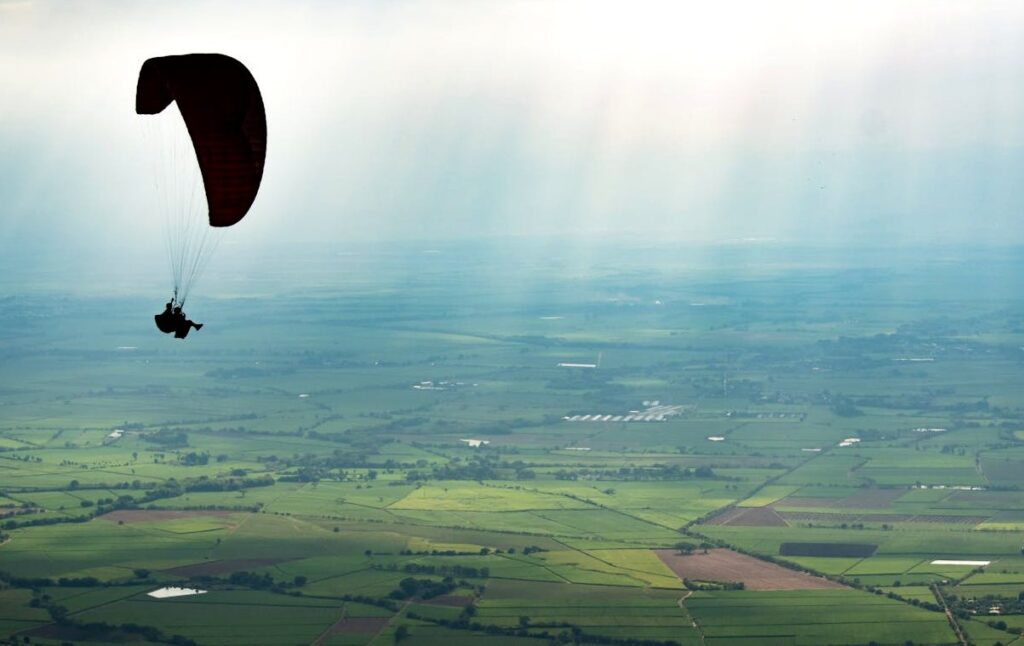
The reality: The cable car ride to Parque Arví IS the attraction—30 continuous minutes gliding above neighborhoods and forest in air-conditioned gondola with panoramic windows constitutes one of Medellín’s most spectacular experiences, often more memorable than the park itself. Treating this as “commute” means missing: intimate aerial views of how Medellín’s working-class communities organize themselves on steep hillsides, ecological transition from urban to forest, engineering marvel of cable car system serving remote mountain areas, and utterly unique perspective on city’s geography impossible from ground level.
Why the ride matters: Unlike tourist cable cars in many cities (short rides just for views), Line L is functional public transport serving Santa Elena mountain communities—you’re sharing cabins with local workers, students, farmers carrying produce to market, creating authentic cultural window while simultaneously experiencing spectacular journey. The ride showcases Medellín’s innovation in public transport solving geographic challenges (cable cars where buses can’t go), while accidentally creating tourism attraction that planners never intended.
What to do instead: Treat cable car as primary experience not inconvenient transport—arrive early enough to avoid rushed connections, position yourself at window seat (board early to choose position), put phone away and watch landscape unfold, and consider riding cable car twice: once ascending in morning for clear views of valley, once descending in late afternoon/evening for sunset light and city lights beginning to twinkle. Some visitors ride cable car multiple times in single visit, never entering park, simply savoring the aerial journey. This isn’t wasteful; it’s recognizing the ride’s intrinsic value.
Photography tip: The cable car’s windows are clean and large enough for quality photos without glare if you position camera carefully—use phone or camera in “sports mode” or fast shutter to freeze motion, photograph during ascent when lighting tends to be better than descent, and capture both sides of cabin (left side shows valley views, right side shows forest progression). Video works well for continuous documentation if photography feels too hurried.
Hidden benefit: The cable car provides accessible height/aerial experience for visitors who can’t or don’t want to hike to mountain viewpoints—elderly visitors, young children, people with mobility limitations all experience the mountain vistas and forest canopy that would require hours of challenging hiking to access otherwise. This democratization of mountain access is genuinely special.
6. Don’t Bring Inappropriate Clothing or Footwear for Mountain Conditions
The mistake: Visiting Parque Arví dressed for Medellín valley weather (shorts, t-shirt, sandals or fashion sneakers) without accounting for 10-15°C temperature drop and higher elevation conditions
The reality: Medellín valley sits at 1,500 meters elevation with typical temperatures 20-28°C (68-82°F), while Parque Arví occupies 2,300-2,800 meters with temperatures 14-18°C (57-64°F)—this 6-10°C drop creates notable chill, especially in fog or wind. The metro+cable car is climate-controlled making you forget about temperature change, then you step off at park entrance into cool mountain air while dressed for tropical heat. Add high humidity, possibility of rain, and muddy trails requiring traction, and inappropriate clothing/footwear creates miserable visit.
Common consequences: Tourists arrive in flip-flops or fashion sneakers (no traction), slip on muddy trail within 15 minutes and return to entrance defeated. Or they’re wearing only t-shirt and shorts, get chilled walking in fog-damp air and cut visit short. Or they brought no rain protection and sudden shower soaks them requiring miserable cold cable car return. Or they’re in jeans (cotton holds moisture) which become heavy and chafing when damp from fog or sweat.
What to do instead: Dress in LAYERS for elevation change—wear comfortable walking clothes in El Poblado, bring light jacket or fleece in backpack for park, and add/remove layers as needed. Pack rain jacket or poncho (cloud forest weather unpredictable even in “dry season”). Wear proper hiking shoes or sturdy sneakers with traction (mud is common, trails have roots and rocks), never sandals or flip-flops. Consider long pants or zip-off pants rather than shorts (protection from scratchy trail vegetation, less chilling in fog). Bring sun hat for Metrocable ride (sun through windows) but also beanie/warm hat for potential mountain cold. Pack small backpack for carrying layers you add/remove. Think “hiking attire” not “city stroll attire” despite park’s proximity to Medellín—mountains demand appropriate gear.
Gear you definitely need: Water bottle, snacks, phone, small amount of cash (weekend food vendors don’t take cards), layers, rain protection, proper shoes. Everything else is optional.
🔑 Local Secret: The cable car operators’ unofficial lost-and-found at Santo Domingo station (located in operators’ break room, accessed by asking attendant at ticket window “¿Tiene objetos perdidos?”) contains hundreds of jackets, sweaters, and rain gear left behind by tourists who: brought layers up to cold park, found afternoon return ride warm and stuffy, removed layers during descent, then forgot them in overhead racks or seats when exiting—and these items can be borrowed informally for your ascent if you forgot warm clothing. Operators maintain this informal lending system (never officially sanctioned, purely guards’ personal initiative) because they’ve seen countless tourists arrive underdressed, shivering in park, returning miserable. If you show up without jacket and politely explain you didn’t realize temperature drop, guards will often lend you abandoned jacket from their collection for your visit, trusting you’ll return it on descent (95%+ compliance rate). Items range from basic hoodies to quality outdoor gear—whatever previous visitors abandoned. This system exists nowhere in official tourist information because it’s not official policy, just kind operators helping unprepared visitors while recycling abandoned belongings. Works best if you: speak basic Spanish to explain situation, show genuine appreciation (not entitled expectation), and reliably return item on descent with gracias. The guards doing this genuinely want visitors to enjoy park rather than suffer from cold, and they’ve observed temperature-drop surprise hundreds of times creating identical shivering tourist scenario. Sometimes they’ll even recommend specific trails based on weather: “take this fleece, go to Mirador trail, fog is clearing there now, return by 3pm.” This single interaction can transform uncomfortable visit to comfortable one. Locals who work in Santa Elena know about lending system and occasionally borrow items themselves if they forgot layers, treating guards’ break room as community coat check. Try this at your own discretion understanding it’s unofficial arrangement, and be respectful—if everyone abuses the generosity, guards will stop offering.
Visiting Parque Arví: Practical Guide
📍 Parque Arví Location
Access: Metrocable Line L from Acevedo Station | Open in Google Maps →
Getting There: The Metrocable Journey
Complete route from El Poblado:
Step 1 – Metro to Acevedo (Line A):
- Walk to Poblado metro station
- Board Line A train toward Niquía
- Ride 6 stops to Acevedo station (15-20 minutes)
- Exit and transfer to Line K (follow Metrocable signs)
Step 2 – Metrocable Line K to Santo Domingo:
- Board Line K cable car at Acevedo
- Ride 4 stops ascending hillside (12 minutes aerial journey)
- Stations: Acevedo → Popular → Santo Domingo Savio → Line K final stop
- Exit at Santo Domingo, follow signs to Line L
Step 3 – Metrocable Line L to Parque Arví:
- Transfer to Line L platform (signage clear, 5-minute walk)
- Board Line L gondola
- Ride over neighborhoods into cloud forest (30 minutes continuous)
- Exit at final stop “Parque Arví”
Total journey: 70-90 minutes including connections and walking Cost: Budget-tier round-trip (metro + Line K + Line L combined) Frequency: Cabins every few minutes daytime, 10-15 minute intervals early morning/evening
What to expect on Metrocable: Line K is shorter ride (12 minutes) showing urban hillside neighborhoods, families with groceries, workers commuting. Line L is longer (30 minutes) transitioning from urban to forest, crossing above informal settlements then pine plantations then cloud forest canopy. Cabins hold 8-10 people seated comfortably, have large windows, air conditioning, and smooth ride. Height-sensitive visitors should know: cables reach 50+ meters above ground in some sections, and while smooth, there’s subtle swaying.
Timing strategy: Leave El Poblado by 7am for morning visit (arriving park 8:15-8:30am), or 8:30am for mid-morning arrival (park by 10am). Return by 4-5pm to avoid evening crowds on metro and ensure daylight in Poblado.
Park Entrance and Orientation
Arrival at Arví station: Exit cable car into covered station platform, descend ramp or stairs to ground level, emerge into park entrance plaza. Here you’ll find: information booth (free maps, trail info), restrooms, picnic area, weekend market setup (Saturday-Sunday), souvenir vendors, and trailheads departing in different directions.
Getting oriented: Main visitor services concentrate in 500-meter radius around cable car station. Trails depart from this central area radiating out into forest—signage indicates trail names but not always distances or difficulty. Information booth provides schematic map showing general trail routes, though not detailed topographic information.
Facilities available:
- Bathrooms (near entrance, basic but functional)
- Picnic tables and BBQ areas (first-come first-served, free)
- Information booth (Spanish, limited English, open 8am-5pm)
- Weekend food vendors (Saturday-Sunday 9am-4pm)
- Water fountains (limited, bring own water recommended)
What’s NOT available:
- Restaurant or cafeteria (beyond weekend food stalls)
- Gear rental (bring your own rain jacket, etc.)
- ATM (bring cash from Medellín)
- Extensive signage beyond entrance area
- Cell phone charging stations
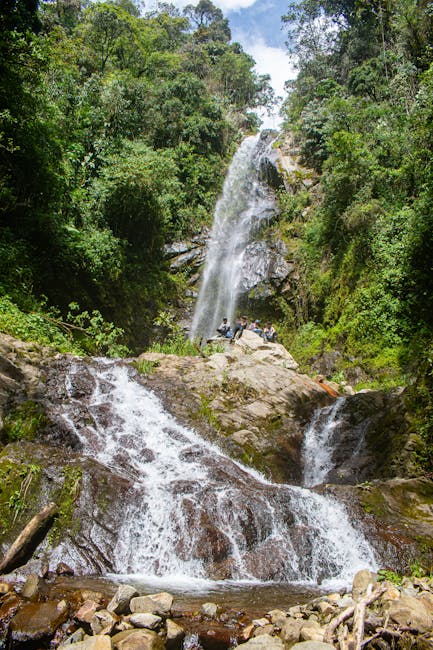

Trail Options and Recommendations
Sendero Principal (Main Trail):
- Distance: 2 km loop
- Time: 45-60 minutes easy pace
- Difficulty: Easy (paved/gravel, minimal elevation)
- Highlights: Educational signs about cloud forest ecology, guaranteed to complete without getting lost
- Best for: Families, first-time visitors, those wanting short walk
Camino del Jardín (Garden Path):
- Distance: 1.5 km
- Time: 30-40 minutes
- Difficulty: Easy
- Highlights: Native plant species, butterfly viewing (mornings best)
- Best for: Plant enthusiasts, quick nature dose
Sendero El Mirador (Viewpoint Trail):
- Distance: 3 km one-way
- Time: 90 minutes to viewpoint + return
- Difficulty: Moderate (some elevation gain, can be muddy)
- Highlights: Views of Medellín valley (when clear), less crowded
- Best for: Photographers, those wanting moderate hike
Camino de la Primavera (Spring Path):
- Distance: 5 km one-way
- Time: 2.5-3 hours + return
- Difficulty: Moderate-Challenging (remote, navigation skill helpful)
- Highlights: Deep forest immersion, stream crossings, birding
- Best for: Experienced hikers, those wanting solitude
Sendero La Quebrada (Stream Trail):
- Distance: 2.5 km loop
- Time: 60-75 minutes
- Difficulty: Easy-Moderate (some roots and rocks)
- Highlights: Following mountain stream, atmospheric even in fog
- Best for: Moderate ambition without excessive difficulty
Trail Selection Strategy
| Your Priority | Recommended Trail | Duration | Notes |
|---|---|---|---|
| First visit, limited time | Sendero Principal | 1 hour | Can’t get lost, see main features |
| Families with kids | Camino del Jardín | 45 min | Easy, educational, manageable |
| Want clear views | El Mirador | 3 hours r/t | Only if weather clear, check forecast |
| Serious hiking | Camino de la Primavera | 5-6 hours r/t | Bring map, water, preparation |
| Foggy day silver lining | La Quebrada | 90 min | Fog makes stream trail atmospheric |
| Bird watching | Camino de la Primavera | 3+ hours | Remote trails have better bird diversity |
| Short visit, cable car focus | Principal ONLY | 30 min | Quick walk, focus on cable car journey |
🔑 Local Secret: The absolute best viewpoint in entire park isn’t on any official trail or marked on maps—it’s accessed via unmarked spur path that branches off El Mirador trail at roughly 40-minute mark (just past second bench, where trail curves left around large boulder, look right for narrow path heading uphill through ferns). This 10-minute steep scramble leads to exposed rock outcropping where 360-degree panorama encompasses: entire Aburrá Valley with Medellín sprawling below, Cerro Nutibara distinctive silhouette, distant eastern cordillera peaks, and when exceptionally clear, even hint of Río Magdalena valley far beyond. Park rangers know this spot (they call it “La Piedra Escondida” – Hidden Rock) but don’t advertise it because: path is unofficial and slightly risky (exposure, scrambling on rock), not suitable for families or casual visitors, and they’d rather concentrate crowds on maintained trails where safety is ensured. Only serious hikers find Hidden Rock, and even then usually by accident or local tip-off. Medellín photographers who shoot landscape professionally treat this as secret weapon location, visiting specifically for sunrise from this vantage point (requires camping nearby or extreme early metro ride, but image quality rewards effort). The view from official Mirador viewpoint is good—this hidden spot is transcendent, particularly because: higher elevation gives superior perspective, rock positioning frames valley between mountain peaks creating natural composition, and zero infrastructure (no railing, signage, crowds) makes experience feel like genuine discovery. Finding the spur trail requires attention: El Mirador main trail has distinct curve leftward around large lichen-covered boulder (waist-height), and just before reaching boulder you’ll see worn path rightward uphill through ferns—not obviously a trail, looks like animal track or erosion path, but following it upward 10 minutes (steep, use hands to grab vegetation, watch footing on wet rock) leads to outcropping. Best visited on absolutely clear-weather days (fog renders view worthless and makes descent dangerous), mid-morning after sun has burned off any lingering valley haze (9:30-11am optimal), and with hiking companion not solo (scramble is genuinely exposed, injury here would be serious). Bring wide-angle lens for photography (panorama is broad), and allow 20-30 minutes enjoying view before descending (hidden spots like this deserve lingering, not instagram-and-go). Return to main trail is straightforward—descend same route to boulder, turn right continuing on Mirador trail toward exit. This single detour transforms “good hike with view” into “exceptional mountain experience with secret vista.”
Making the Most of Your Visit

Best Time to Visit
By day of week:
- Weekdays (Tuesday-Friday): Quiet trails, empty picnic areas, contemplative atmosphere, local workers/farmers only company, vastly superior for nature experience
- Weekends (Saturday-Sunday): Crowded, farmer’s market busy, recreational atmosphere, families picnicking, good for cultural market visit but terrible for peaceful hiking
By time of day:
- Early morning (6:30-9am arrival): Best weather (least fog), empty trails, birding optimal, golden light in valley, requires commitment but rewards immensely
- Mid-morning (9-11am): Good compromise—still decent weather probability, moderate crowds, plenty of day remaining
- Midday-afternoon (11am-3pm): Increasing fog probability, peak crowds weekends, warm in sun/chilly in fog, acceptable but not optimal
- Late afternoon (3-5pm): Fog often thick, services closing, need to leave by 5pm for comfortable return, only if combining with sunset cable car ride
By season:
- December-March (dry season): 20-40% fog probability, warmest temperatures, clearest views, peak tourist season (weekends crowded)
- June-August (mid-year dry): 30-50% fog, moderate crowds, good hiking conditions
- April-May (rainy season): 50-70% fog, muddy trails, beautiful green vegetation, fewer visitors
- September-November (second rainy): 60-70% fog, wettest trails, dramatic cloud cover, lowest crowds
What to Bring
Essential:
- Water (2+ liters per person for 3+ hour visit)
- Snacks/lunch (limited food options beyond weekend market)
- Layers (jacket/fleece for 14-18°C mountain temperatures)
- Rain jacket or poncho (weather unpredictable)
- Proper shoes with traction (muddy trails common)
- Cash (weekend vendors don’t take cards, tips for guides)
- Phone with camera (cable car and views)
Highly Recommended:
- Sunscreen and sunglasses (high altitude UV)
- Hat (sun during cable car, warmth in park if cold)
- Backpack (carrying layers and supplies)
- Offline map saved on phone (signal spotty)
- First aid basics (bandaids, pain reliever)
- Trash bag (pack out all garbage)
Optional but Nice:
- Binoculars (birding, distant views)
- Field guide to Colombian birds or plants
- Picnic supplies (if planning lunch at tables)
- Hiking poles (steep muddy sections)
- Camera with zoom lens (photography)
Leave Behind:
- Valuables (nice watch, excess cash, passport)
- Bulky luggage (checked bags not allowed on metro)
- High-heel shoes or fashion-only footwear
- Expectations of resort-level facilities
Food and Drink Strategy
Weekend market (Saturday-Sunday): Farmer’s market offers budget to mid-budget food options including: empanadas (budget tier), arepas with cheese (budget), fresh fruit (budget), grilled corn (budget), traditional tamales (budget-mid), fresh cheese and bread (budget), and occasionally full paisa bandeja (mid tier). Quality varies vendor to vendor—look for busy stalls with locals queuing (social proof of good food). Market runs 9am-4pm, with best selection 10am-2pm.
Weekday options (Tuesday-Friday): Basically nothing beyond what you bring yourself. Park information booth sometimes sells pre-packaged snacks (chips, cookies budget tier) but selection extremely limited. Assume you must bring all food and drink for weekday visits.
Picnic strategy: Stop at supermarket in El Poblado or near metro station before ascending—buy sandwich fixings, fruit, snacks, drinks to consume at park’s free picnic tables. This is most economical approach (budget tier total) and gives you control over food quality and dietary needs. Pack out all trash (no littering).
Hydration: Water fountains exist but quality/availability inconsistent—bringing 2+ liters per person safest approach. Don’t rely on purchasing water at park (available sometimes from vendors but not guaranteed). Mountain humidity and hiking require more water than anticipated.
Bottom Line: Is Parque Arví Worth Visiting?
Parque Arví is absolutely worth visiting if you appreciate spectacular cable car journeys as experiences unto themselves, want accessible cloud forest nature without extensive travel, enjoy hiking trails ranging from easy to moderate, or need urban escape that’s budget-friendly and family-appropriate—but skip it if fog-obscured views would ruin your experience, if you’re seeking pristine wilderness or challenging technical hiking, or if you’re visiting on weekend expecting peaceful nature immersion.
Visit Parque Arví if:
- Cable car/gondola experiences appeal (ride rivals park itself)
- Accessible nature escape needed from city intensity
- Budget-friendly activity appeals (free park, cheap transport)
- Cloud forest ecosystems interest you
- Hiking 1-3 hours on moderate trails sounds enjoyable
- Weekend farmer’s market cultural experience wanted
- Bringing family including kids or elderly (accessible)
- You have flexible schedule allowing weekday visit
- Clear weather forecast suggests good visibility
- Nature photography interests you (flora, fauna, landscapes)
Skip Parque Arví if:
- Uncomfortable with heights (cable car mandatory)
- Expecting guaranteed dramatic mountain vistas (fog common)
- Want pristine untouched wilderness (this is municipal park)
- Seeking technical challenging hiking (trails moderate at most)
- Time very limited (90 minutes transport each way)
- Visiting weekend and wanting peaceful quiet (crowds)
- Weather forecast shows thick fog (experience compromised)
Choose different activity if:
- Want guaranteed views without weather risk: Pueblito Paisa (lower elevation, clearer typically)
- Want more extensive nature/hiking: Coffee Region day trip (full-day investment, dramatic landscapes)
- Want urban culture not nature: Comuna 13, museums, downtown
- Want easier city-center access: Jardín Botánico (metro only, no cable car transfers)
The honest assessment: Parque Arví delivers on its promise—accessible mountain nature reserve with free entry and budget transport, showcasing cloud forest ecosystem and providing escape from Medellín’s urban intensity via spectacular cable car journey. The Metrocable ride alone justifies the trip for many visitors, and park adds bonus hiking/nature element. But success depends on: choosing right day (weekday vastly superior to weekend for nature experience), accepting weather unpredictability (fog is feature of cloud forest, not bug), and setting appropriate expectations (this is municipal reserve, not remote wilderness). Visitors who treat cable car as primary attraction with park as pleasant addition tend to leave satisfied. Visitors who expect Grand Canyon-scale vistas or extensive developed trail systems tend to feel disappointed.
What separates good from bad experiences: Visitors who thoroughly enjoy Parque Arví typically: visit weekdays avoiding crowds, arrive early morning when weather clearest, appreciate cable car journey as experience itself not just transport, choose trails matching their ability and time constraints, bring proper clothing/supplies for mountain conditions, and maintain realistic expectations about facilities and infrastructure. Visitors who leave disappointed typically: visit busy weekends, arrive midday in thick fog, treat cable car as inconvenient commute, attempt trails beyond their preparation level, show up in inadequate clothing, and expect resort-level infrastructure with guaranteed views. The park hasn’t changed between these scenarios—visitor preparation and expectations determine outcomes.
Decision framework:
- Do you enjoy gondola/cable car experiences? This is 50% of the attraction
- Can you visit on weekday? Weekend vs weekday creates completely different experiences
- Is weather forecast reasonable? Check fog probability, consider deferring if terrible forecast
- Do you hike recreationally? Even easy trails require basic comfort with walking outdoors
- What’s your time budget? Minimum 4 hours total, ideally 6+ for relaxed visit
Parque Arví is perfect for: cable car enthusiasts, accessible nature seekers, budget travelers, families wanting outdoor activity, hikers enjoying moderate trails, and anyone needing mountain escape without expensive tours. It’s wrong for: those expecting guaranteed dramatic vistas, serious technical hikers, people uncomfortable with cable car heights, weekend peace-seekers, and visitors with very limited time unable to afford 90-minute each-way transport.
🎥 Metrocable Journey to Parque Arví

Experience the complete cable car ride from Medellín to Parque Arví:
Frequently Asked Questions
Full Day Plan
Take Line B east. From El Poblado: 35 minutes. MetroCard fare each way.
Views over the northeastern communes. Then transfer to Línea L to Arví.
Pick up trail map at the entrance kiosk. Vendors sell fruit and arepas nearby.
Best morning trail: 2.5 km loop through cloud forest. Look for orchids and hummingbirds.
Bandeja paisa, corn on the cob, or sancocho soup at stalls near the entrance.
Small enclosed garden with dozens of native Colombian butterfly species.
Allow 30 minutes to walk back to the cable car station.
The outdoor escalators at Santo Domingo are worth 20 minutes of exploration.
Metro from Acevedo. Back in El Poblado by 5:30pm.
How long does it take to visit Parque Arví?
A typical Parque Arví visit takes 4-6 hours total from El Poblado including transport—90 minutes ascending via metro and Metrocable, 2-3 hours in park exploring trails and having lunch, and 90 minutes returning. Extended visits can reach 7-8 hours if you complete longer hikes or linger for picnic and market browsing.
Transport time breakdown: El Poblado to Acevedo metro (20 minutes), transfer and Line K cable car to Santo Domingo (15 minutes including walk between platforms), transfer and Line L cable car to park (35 minutes including boarding), total one-way 70-90 minutes depending on connection timing and walking pace. Round-trip transport alone consumes 3 hours of your day minimum.
Park time allocation: Brief visit (1-2 hours) covers cable car station area and short trail like Sendero Principal, adequate for saying you visited but feels rushed. Moderate visit (2-3 hours) allows completing easy-moderate trail like El Mirador plus time for snack/rest, appropriate for first-time visitors. Extended visit (4-5 hours) accommodates longer trail (Camino de la Primavera), picnic lunch, and weekend market browsing at leisurely pace.
Recommended itinerary (6 hours total): Leave El Poblado 8am, arrive park 9:30am, hike El Mirador trail enjoying viewpoint (2 hours including photo stops), return to entrance for lunch at picnic table with supplies brought from city (45 minutes), brief second trail or market exploration (45 minutes), depart park 2pm, return El Poblado 3:30pm. This creates satisfying half-day mountain experience without feeling rushed or exhausted.
Minimum viable visit (3.5 hours): If extremely time-constrained, focus on cable car journey as main attraction—ride up enjoying views, walk 30 minutes on easiest trail (Principal or Jardín), immediately return. This creates 1.5 hour park time plus 2 hours transport, totaling 3.5 hours. You’ll miss hiking but experience cable car spectacle and taste cloud forest atmosphere.
Full-day visit (7-8 hours): Arrive park 8am via first cable car, complete challenging trail like Camino de la Primavera (3 hours), extended picnic lunch (1 hour), second shorter trail or market time (1 hour), depart 2-3pm return. This maximizes nature immersion and justifies transport investment but requires genuine interest in hiking and outdoor time.
Why timing matters: Morning visits coincide with clearest weather (7-11am lowest fog probability), plus arriving early means quieter trails before crowds. Departing park by 3pm ensures comfortable return to El Poblado during afternoon hours when metro/cable car less crowded than evening rush.
For combining activities: Medellín guide with half-day and full-day options.
How much does Parque Arví cost?
Parque Arví entrance is completely FREE—you pay only for metro and Metrocable transport which totals budget-tier range round-trip from El Poblado, making this one of Medellín’s most economical nature experiences. Food, guided hikes, and souvenirs cost extra if desired but aren’t required.
Transport cost breakdown: Single journey requires metro from your starting point to Acevedo (budget-tier fare), plus Metrocable Line K from Acevedo to Santo Domingo (budget-tier), plus Metrocable Line L from Santo Domingo to park (budget-tier). Round-trip doubles these costs. Total round-trip from El Poblado falls in budget tier range—comparable to cost of coffee and pastry at mid-range café.
What’s included at no charge: Park entrance (no admission fee or tickets required), use of all trails (54+ kilometers of paths free to walk), picnic areas and tables (first-come first-served), basic bathrooms, viewpoints, educational signage along trails, and access to all park facilities. You can spend entire day hiking, picnicking, and exploring without spending anything beyond transport.
Optional costs if desired: Food at weekend farmer’s market (budget to mid tier for full meal), guided hike with park guides (budget-mid tier for 2-3 hour guided trek), souvenirs from vendors (budget tier for small items), and any supplies you didn’t bring from city (water, snacks if available, budget tier). None of these are necessary—bringing your own food and hiking independently costs zero additional.
Budget-conscious strategy: Buy sandwich, fruit, and water at Medellín supermarket before taking metro (budget tier for picnic supplies), ride metro/cable car to park (budget tier transport), spend 3-4 hours hiking and picnicking on your brought food (zero cost), return via same transport (already paid). Total day: budget tier comprehensive for full nature experience with spectacular cable car included.
Comparison to alternatives: Parque Arví costs significantly less than most Medellín nature activities: Guatapé day trip (mid to premium tier with tour/transport), Coffee Region tour (premium tier full day), even Jardín Botánico requires metro trip (though botanic garden entrance also free). The free park access combined with functional public transport (not expensive private tour) makes Arví exceptional value.
Hidden costs to avoid: Bringing insufficient water (park vendors charge premium prices for bottled water when available), needing food because you didn’t bring supplies (weekend market prices reasonable but higher than supermarket), or attempting to hire last-minute guide at inflated rate (guides at entrance charge more than pre-arranged through park office). Prepare properly and costs stay minimal.
Family budget calculation: Family of 4 visiting Parque Arví pays: metro/cable car transport (budget tier × 4 = budget-mid total), picnic supplies from supermarket (budget-mid tier for family meal), zero park entrance. Total family day out: mid-tier range versus premium tier+ for equivalent nature tour, making this accessible family activity.
Is Parque Arví safe to visit?
Yes, Parque Arví is very safe during daytime hours—park rangers patrol regularly, cable car system has professional security, and thousands of visitors use the park weekly without incident. However, wilderness safety considerations apply: stay on marked trails, bring adequate supplies, and inform someone of your plans for remote trails.
Cable car safety: Metrocable Lines K and L are professionally operated with excellent safety records—gondolas undergo regular maintenance, operators are trained, emergency procedures exist, and system uses modern European technology. The ride is smooth and safe even for children and elderly. While cables reach 50+ meters height in sections, structural safety is not a concern. If you’re uncomfortable with heights, closing eyes during highest sections is viable strategy though you miss spectacular views.
Park safety during day: Daytime park visit (8am-5pm) presents minimal safety concerns—rangers patrol popular trails, information booth staff provide assistance, other visitors create safety through numbers on main paths, and criminal activity is essentially non-existent within park boundaries. The park serves local families and workers daily; it’s functional community space not risky area.
Wilderness safety considerations: The main “dangers” are not crime but wilderness factors: getting lost on poorly-marked remote trails (bring map, stay on main paths if navigation confidence low), injury from slipping on mud or rocks (proper footwear essential), dehydration or exhaustion (bring excess water and snacks), weather exposure if fog and rain combine (pack rain gear), and underestimating trail difficulty (choose trails matching ability). These are manageable with preparation.
Solo hiking safety: Solo visitors hike safely on popular trails like Sendero Principal or El Mirador where other hikers are present providing implicit safety network. For remote trails like Camino de la Primavera, hiking with companion is strongly recommended—not due to crime risk but because injury or getting lost on remote trail with no cell signal and no other hikers creates genuine emergency situation. Park rangers patrol but might not find you quickly on unmarked remote path.
What to avoid for safety: Don’t visit after 5pm (park services close, rangers depart, trails become dark and isolated), don’t attempt trails beyond your ability/preparation (know limits), don’t hike alone on very remote trails, don’t leave valuables visible in cable car (petty theft possible though rare, keep phone/camera secure), and don’t wander off-trail into unmarked forest (easy to become disoriented). Following basic precautions eliminates nearly all risk.
Women travelers: Women visiting solo or in groups report feeling completely safe at Parque Arví daytime—park attracts families, nature enthusiasts, and workers, not crowds where harassment occurs. Standard awareness applies (don’t isolate yourself on remote trail solo), but overall environment is respectful and family-oriented.
Emergency contacts: Park rangers can be reached via emergency phone at information booth (number posted), and while cell signal is spotty on remote trails, it functions adequately near entrance area and cable car stations for calls if needed. Serious emergencies would require helicopter evacuation (rare, expensive, but available if necessary).
For broader context: Medellín safety guide covering all areas.
What should I wear to Parque Arví?
Wear comfortable hiking clothes in layers (light jacket or fleece essential for 14-18°C mountain temperatures), sturdy shoes with good traction (trails can be muddy), and bring rain jacket regardless of morning weather—dressing like you’re going actual hiking not city strolling ensures comfort in mountain conditions.
Footwear (most important): Proper hiking boots or trail-capable sneakers with deep tread patterns are essential—trails include mud, loose rocks, roots, and occasional stream crossings making traction critical. Fashion sneakers slip on mud and provide inadequate ankle support, while sandals/flip-flops are completely inappropriate and guarantee misery or injury. If you own hiking boots, bring them. If not, wear your sturdiest athletic shoes with best traction and accept some limitations on trail choice.
Layering system: Start wearing comfortable clothes appropriate for Medellín valley temperatures (t-shirt and pants work), but pack light jacket or fleece in backpack for 6-10°C temperature drop at park elevation. The metro and cable cars are climate-controlled creating false sense you won’t need layers, then mountain air at park proves surprisingly chilly especially in fog or wind. Add layers at park, remove on return descent. Zip-off pants ideal (convert shorts to pants or vice versa based on conditions).
Rain protection: Pack rain jacket or poncho even if morning shows clear skies—mountain weather changes rapidly and afternoon fog often brings drizzle. A compact packable rain jacket lives in daypack taking minimal space until needed, then transforms potentially miserable wet return into comfortable journey. Umbrella less useful (wind renders useless, hands needed for hiking), go with jacket or poncho.
Sun protection: Despite cool temperatures, high elevation (2,300-2,800m) means stronger UV exposure than valley. Bring sun hat and sunscreen for cable car journey and any trail sections in full sun. Sunglasses useful for glare during cable car ride over bright landscape.
Cold weather accessories:**strong> If visiting early morning or during coolest months (December-February), consider bringing beanie/warm hat and light gloves—these aren’t always necessary but mornings can reach 10-12°C making them welcome. Better to have and not need than be uncomfortably cold on 2-hour hike.
What NOT to wear: Avoid cotton (holds moisture from sweat/fog/rain becoming heavy and cold), skip jeans for same reason (choose synthetic or wool blends), never sandals/flip-flops/fashion shoes (already stated but bears repeating), avoid shorts-only without bringing convertible pants option (scratchy vegetation, cold in shade), and don’t wear brand new hiking boots (blisters guaranteed—break in boots before mountain hiking).
Ideal outfit example: Moisture-wicking t-shirt or long-sleeve base layer, synthetic pants or zip-offs, light fleece or packable down jacket in backpack, waterproof rain jacket, hiking boots or trail runners with thick socks, sun hat, sunglasses, and small backpack containing extra layer, water, snacks. This handles any weather park throws at you while remaining comfortable during cable car journey.
Can you visit Parque Arví in the rain?
Yes, you can visit Parque Arví in rain, but the experience is significantly compromised—muddy trails become slippery and challenging, views disappear into fog that accompanies rain, and general discomfort from wet conditions makes hiking less pleasant. Light drizzle is manageable with rain gear; heavy rain warrants rescheduling visit if possible.
How rain affects trails: Cloud forest trails are often damp even in “dry” weather, but active rain transforms them into muddy obstacle courses—red clay soil becomes slick causing slips and falls, roots get slippery requiring careful footing, and some trail sections accumulate standing water or small streams requiring navigation. What’s easy moderate trail in dry weather becomes genuinely challenging in rain, particularly descents where gravity compounds slip risk.
Visibility in rain: Rain almost always comes with thick fog in cloud forest environment—you lose the valley views, mountain vistas, and landscape photography opportunities that motivate many visits. The cable car ride becomes journey through grey mist rather than spectacular aerial perspective. If primary goal is views and photography, rainy day is wrong day regardless of how good your rain gear is.
Silver lining of rain: Some visitors find rain-wrapped cloud forest magical—enhanced atmosphere, powerful sense of remoteness, dramatic cloud movements, and forest showing its true “cloud” character creates ethereal experience impossible in clear weather. The biodiversity also responds positively—amphibians emerge, fungi fruit, and if rain clears to drizzle, birds become active feeding on insects. For nature enthusiasts accepting weather as part of ecosystem, rain visit can be rewarding.
What makes rain visit viable: Proper rain gear (waterproof jacket and pants, not just jacket alone), hiking boots that handle mud (vibram sole or equivalent, ankle support), reduced ambition (shorter easier trails only, skip challenging ones), acceptance that you’ll get somewhat wet/muddy regardless, and genuine interest in moody atmospheric nature versus sunny-day views. With these factors, rain visit works for specific visitor type.
When to definitely skip: Heavy rain with strong wind (miserable conditions, exposure risk), rain combined with cold temperatures creating hypothermia concern, rain during week when you could easily reschedule to better weather day, or rain when your preparation is inadequate (wrong shoes, no rain gear, haven’t accepted wet/muddy reality). Check forecast, and if heavy rain predicted, choose different Medellín activity (museums, Comuna 13 under roof areas, shopping).
Seasonal rain patterns: April-May and October-November bring highest rain probability (afternoon showers common). Even during rainy season, mornings often start clear with rain developing midday-afternoon, so early visits (arrive park 8-9am, leave by noon) can avoid worst precipitation. December-March and June-August see much less rain making planning easier.
Rain backup plan: If you arrive at Santo Domingo and see heavy rain on mountains (visible from cable car station), consider pivoting to different activity rather than committing to miserable wet park experience. The metro system connects you to many alternatives—save Parque Arví for day with better conditions.
How do I get to Parque Arví from El Poblado?
From El Poblado, take Metro Line A to Acevedo station, transfer to Metrocable Line K ascending to Santo Domingo, then transfer to Metrocable Line L which delivers you directly to Parque Arví entrance—total journey is 70-90 minutes with two cable car transfers. The route is straightforward with clear signage throughout.
Step-by-step directions:
**1. Metro to Acevedo (20 minutes):** Walk to Poblado metro station (exact location depends on your hotel, but most accommodations are within 5-15 minute walk). Purchase metro card at ticket window or recharge existing card (budget-tier fare). Board Line A train heading toward Niquía (northbound). Ride 6 stops: Poblado → Aguacatala → Ayurá → Envigado → Itagüí → Acevedo. Exit at Acevedo.
**2. Transfer to Metrocable Line K (5 minutes walk):** Exit metro train, follow signs reading “Metrocable” and “Santo Domingo” (bilingual signage with cable car symbols). Walk through covered walkway to Metrocable platform, purchase cable car ticket if separate from metro fare, or validate your card. Wait for next gondola (cabins arrive every few minutes).
**3. Metrocable Line K to Santo Domingo (12 minutes):** Board gondola cabin (seating for 8-10 people), enjoy ascending ride over hillside neighborhoods. Line K stops at: Acevedo → Popular → Santo Domingo Savio → Santo Domingo (final stop). Exit at Santo Domingo, the cable car’s terminus.
**4. Transfer to Metrocable Line L (5 minutes walk):** Exit Line K platform, follow signs to “Línea L” and “Parque Arví” (signage clear and abundant). Walk through covered passage connecting two cable car systems—you’ll pass shops, food vendors, and plaza area. Reach Line L platform, validate ticket/card (some systems require separate validation).
**5. Metrocable Line L to Parque Arví (30 minutes):** Board Line L gondola for longest segment of journey. This is the spectacular portion—continuous 30-minute ride transitioning from urban neighborhoods to forest. Line L makes no intermediate stops—it’s direct from Santo Domingo to Parque Arví. Exit at final station which opens directly into park entrance plaza.
Total costs: Budget-tier for complete journey (metro + both cable cars). Purchase rechargeable metro card (small deposit) or pay per trip—either works. Keep ticket/card for return journey.
Timing from El Poblado: Allow 70-90 minutes total including walking between platforms and potential wait times for connections. If leaving El Poblado at 8am, expect to arrive park 9:15-9:30am. Return journey is identical time in reverse.
Navigation confidence: Getting lost is nearly impossible—signage in Spanish and symbols guides you through each transfer, thousands of daily commuters use same route providing social proof, and staff at stations answer questions (Spanish primarily, but helpful regardless). Just follow signs for “Parque Arví” at each transfer and you’ll arrive correctly.
For complete metro system: Metro guide with all lines and tips.
Are there bathrooms and food at Parque Arví?
Yes, bathrooms exist near park entrance and select picnic areas (basic but functional), and food is available at weekend farmer’s market (Saturday-Sunday 9am-4pm) but NOT during weekdays—bring your own food and water for weekday visits, or plan around weekend market hours if wanting to purchase food on-site.
Bathroom locations and quality: Main bathrooms at cable car station entrance area are the cleanest and most reliably stocked (toilet paper, soap, water). Additional bathrooms exist at larger picnic zones scattered through park, but these range from acceptable to quite basic—pit toilets or minimal facilities depending on location. Don’t expect resort-level bathrooms; these are functional park restrooms comparable to facilities at any municipal recreation area. Use entrance bathrooms before starting hike, as facilities on remote trails are non-existent.
Weekend food options (Saturday-Sunday): The mercado campesino (farmer’s market) operates 9am-4pm weekends with 20-40 vendor stalls selling: fresh empanadas (budget tier, excellent quality), arepas with cheese or meat (budget tier), grilled corn (budget tier), fresh fruit (budget tier for bag), tamales and regional specialties (budget-mid tier), fresh juice (budget tier), and occasionally full paisa bandeja meal (mid tier). Quality is generally very good—local farmers and home cooks, not generic food stalls. Cash only, bring small bills.
Weekday food reality: Tuesday through Friday, park has essentially zero food services beyond occasional pre-packaged snacks (chips, cookies) at information booth if staff happens to have stock—completely unreliable. You MUST bring all food and water for weekday visits. This isn’t inconvenience; it’s opportunity to stop at supermarket en route from El Poblado and create budget-friendly picnic spending fraction of what weekend market charges. Bring sandwich fixings, fruit, energy bars, plenty of water, and you’re set for full day.
Water availability: A few water fountains exist near entrance area, but quality and function vary—sometimes working fine, sometimes low pressure, sometimes no water at all. Never rely on refilling at park. Bring 2+ liters per person from Medellín, treating park water as backup emergency option not primary hydration plan. Dehydration at 2,500m elevation with hiking is serious; bring excess water.
Picnic strategy: Park provides numerous free picnic tables (first-come first-served, no reservations) plus some areas with BBQ grills. If planning picnic, bring: food, drinks, trash bags (pack out all garbage), perhaps small cutting board and knife for sandwich assembly, plates/cups if desired (or eat from packages), and blanket if you prefer ground sitting over tables. The picnic areas are pleasant—shaded, mountain views (when clear), peaceful setting.
No cafeteria or restaurant: Don’t expect park café or concession stand—these don’t exist beyond weekend market. The park philosophy is functional nature reserve not commercial recreation facility, so dining infrastructure is intentionally minimal. This keeps park free and accessible while putting responsibility on visitors to self-cater.
Budget meal planning: Stop at Éxito or Carulla supermarket (near Poblado metro) before ascending, spend budget tier total on bread, cheese, ham, fruit, chips, cookies, and bottled water for two people, ride metro eating nothing yet, picnic in park mountains, spend zero additional money. This creates extremely economical full-day outing impossible if you relied on purchasing food at park.
What’s the best trail at Parque Arví?
The “best” trail depends on your goals, but for first-time visitors wanting satisfying nature experience without excessive difficulty, Sendero El Mirador (viewpoint trail) offers ideal balance—moderate 3km one-way hike with elevation gain rewarding clear-day views, achievable in 90 minutes to viewpoint plus return, and beautiful cloud forest immersion throughout.
Why El Mirador works for most: This trail delivers core park experience—ascending through genuine cloud forest with moss-draped trees and ferns, reaching elevated viewpoint with (weather permitting) spectacular Aburrá Valley panorama below, moderate difficulty feeling like genuine hiking not just walking, and sufficient length (3 hours round-trip including viewpoint time) justifying park visit without requiring extreme endurance. The trail is well-maintained enough to follow easily but remote enough to feel like real forest escape.
Alternative for easier experience: Sendero Principal (Main Trail) is 2km loop taking 45-60 minutes at easy pace, with educational signage about cloud forest ecology, zero navigation challenge (impossible to get lost), and accessibility for families with children or elderly visitors. This is “intro to park” trail—if you’re testing whether you want to return for longer hikes, or if hiking isn’t your strength, Principal provides cloud forest taste without commitment.
For serious hikers wanting challenge: Camino de la Primavera extends 5km one-way (10km round-trip, 5-6 hours total) into remote forest with stream crossings, steep sections, and genuine wilderness feel. This trail rewards with: deep solitude (few casual visitors attempt it), better birding opportunities (remote areas host species avoiding busy trails), and satisfaction of substantial mountain hike. Requires proper preparation—bring excess water, snacks, map, and hiking companion strongly recommended.
Fog-day alternative: When weather is poor (thick fog obscuring views), Sendero La Quebrada (stream trail) works better than viewpoint-focused hikes—following the quebrada (creek) through forest creates atmospheric moody experience where fog enhances rather than detracts. The sound of water, moisture-heavy air, and enclosed forest corridor make this fog-friendly option.
Family with young children: Camino del Jardín (Garden Path, 1.5km, 30-40 minutes) showcases native plant species with interpretive signs, stays very easy (mostly flat gravel), and holds kids’ attention through changing vegetation and butterfly viewing opportunities. Short enough that if kids tire or lose interest, you haven’t committed to difficult extraction.
Photography priority: El Mirador trail again wins for cameras—viewpoint provides landscape potential (assuming clear weather), cloud forest sections offer intimate flora/fauna shots, and varied terrain gives compositional diversity. Early morning light (8-10am arrival) best for photography on this trail.
Realistic assessment: No Parque Arví trail is technically difficult by serious hiking standards—these are accessible moderate trails not mountain climbing. Even “challenging” Primavera is achievable by anyone with basic fitness. Choose based on time available and desired immersion level, knowing you can’t go wrong with any marked trail if your expectations match the reality of municipal park not remote wilderness.
Related Guides
Plan your complete Medellín experience:
- Things to Do in Medellín — Complete activities guide
- Comuna 13 Guide — Urban culture alternative
- Coffee Region Day Trip — Extensive nature experience
- Medellín Metro Guide — Using public transport
- When to Visit Medellín — Weather and seasons
- Is Medellín Safe? — Safety context
- Where to Stay Medellín — Neighborhood guide
- Jardín Botánico — City nature alternative
- Santa Fe de Antioquia — Colonial town day trip
- Museo de Antioquia — Culture and art