Every Manila guide calls it “El Poblado’s sophisticated business district.” Here’s what they’re not telling you: Manila and the Golden Mile are sterile corporate corridors with luxury hotels and shopping malls—convenient for business travelers and families wanting familiar retail therapy, but completely lacking the neighborhood character, authentic restaurants, and walkable charm that make Medellín interesting. The “upscale El Poblado” positioning hides how this zone feels more like generic international business district than Colombian neighborhood.
Manila and the Golden Mile are the best sub-zones of El Poblado for most travelers: safe, walkable, quieter than Parque Lleras, and close to everything. Golden Mile = corporate/luxury hotels, safest option. Manila = best balance of location, safety, and price for independent travelers.

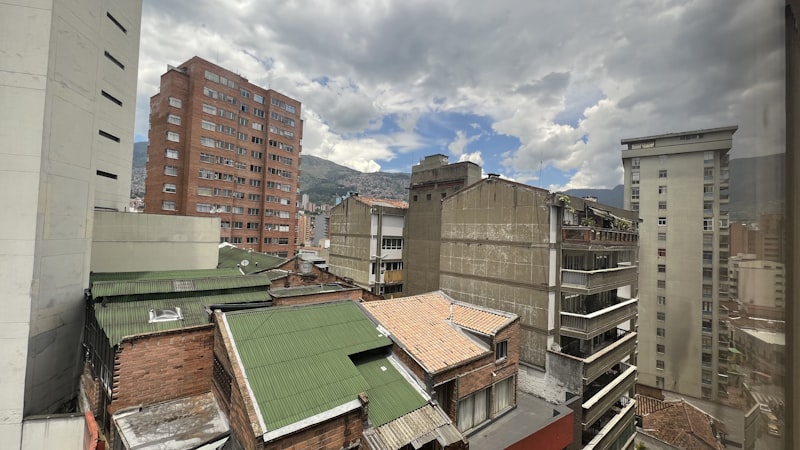
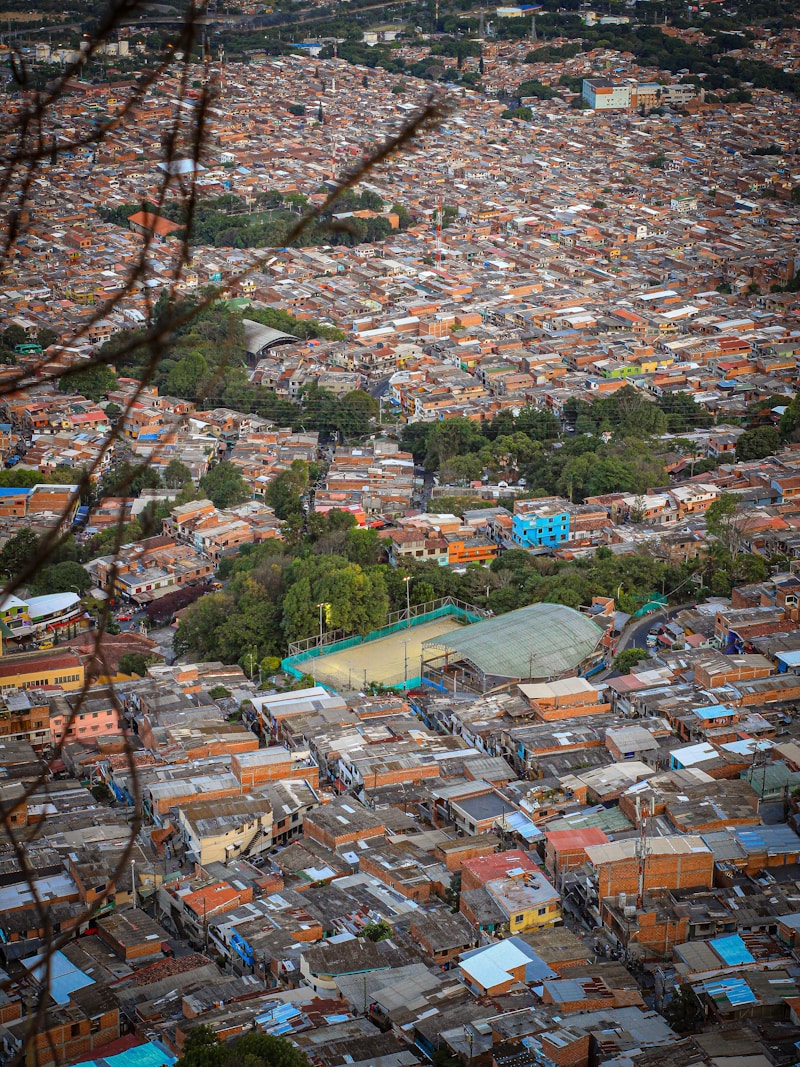
But here’s the nuance these surface-level guides miss: Manila serves specific traveler profiles exceptionally well. Business travelers need reliable corporate hotels near metro. Families want shopping mall security and familiar chains. First-time visitors appreciate English-speaking staff and standardized service. The question isn’t whether Manila is “good”—it’s whether this particular brand of convenient sterility matches your travel priorities versus more authentic alternatives.
After staying in Manila twice and visiting dozens of times for specific purposes (mall shopping, business meetings, hotel restaurants)—experiencing the disconnect between proximity to metro (convenient) and distance from interesting neighborhoods (frustrating), observing how daytime corporate energy evaporates into evening emptiness leaving streets deserted and somewhat eerie, learning which hotels deliver genuine luxury versus which charge premium for mediocre service, and understanding when Manila’s malls are practical necessity versus when they’re tourist trap—I’ve learned when this zone actually makes sense versus when El Poblado residential or Laureles serve better.
Manila & Golden Mile is Medellín’s business and commercial district along Avenida El Poblado—dominated by shopping malls (Oviedo, Santafé, El Tesoro), corporate hotels (Marriott, Dann Carlton, NH Collection), office towers, and international restaurant chains. Located in wealthy El Poblado district but functioning as separate sub-zone from residential El Poblado, Manila prioritizes business functionality over neighborhood livability, creating polished but soulless environment.
This isn’t dismissive “Manila is terrible” verdict some authentic-experience advocates push. But it’s also not uncritical “sophisticated upscale area” propaganda hotel industry promotes. This is 2026 reality: when the zone delivers genuine value (business infrastructure, mall shopping, metro proximity, English prevalence), what the actual downsides are (sterile atmosphere, evening emptiness, expensive restaurants, car-oriented design), who should actually stay here (business travelers, certain families, metro-dependent visitors) versus who regrets the choice (budget seekers, culture enthusiasts, walkability prioritizers), and most importantly—honest assessment of Manila’s narrow use cases versus broader neighborhood alternatives.
Planning Medellín stay? See our complete neighborhood guide for how Manila compares to El Poblado residential, Laureles, and Envigado options, plus metro guide for transport from this area.
Quick Facts: Manila/Golden Mile at a Glance
Location: Eastern El Poblado along Avenida El Poblado (Carrera 43A)
- Metro access: El Poblado station (Line A) – 5 minute walk
- Distance from Parque Lleras: 15-20 minute walk or 5 minute Uber
- Character: Business/commercial, not residential
What’s Here:
- Shopping malls: Oviedo, Santafé, El Tesoro (high-end retail)
- Hotels: Marriott, Dann Carlton, NH Collection, Diez Hotel (corporate/upscale)
- Restaurants: International chains (Juan Valdez, Crepes & Waffles), upscale dining
- Services: Banks, pharmacies, corporate offices, medical centers
Best For:
- Business travelers needing corporate infrastructure
- Families wanting shopping mall convenience
- Metro-dependent visitors (El Poblado station access)
- First-timers wanting English-speaking hotels
- Shoppers prioritizing malls over local markets
Not Ideal For:
- Budget travelers (expensive, poor value)
- Authentic experience seekers (sterile, corporate)
- Walkable nightlife enthusiasts (far from Parque Lleras/Provenza)
- Long-term stays (lacks neighborhood character)
- People avoiding car-oriented environments
Atmosphere:
- Daytime: Busy corporate, office workers, shoppers
- Evening: Empty, somewhat eerie, limited street life
- Weekends: Mall-focused, less business activity
- Overall vibe: International business district, not Colombian neighborhood
Safety Level:
- Very safe daytime (corporate security, foot traffic)
- Safe but deserted evening (lack of street life feels uncomfortable)
- Well-lit, monitored (malls and hotels have security)
- Lower street crime than Parque Lleras (fewer tourists, less party chaos)
Price Range:
- Accommodation: Premium to luxury tier (corporate hotel pricing)
- Restaurants: Mid-range to premium (mall food courts to upscale dining)
- Shopping: International retail (mall pricing, not budget-friendly)
- Overall: 20-30% more expensive than Laureles, similar to upscale El Poblado
Transit:
- Metro: El Poblado station excellent access
- Uber: Quick to anywhere in El Poblado (economical range)
- Walking: Limited (malls accessible, but residential areas far)
- Bus: Serves area but metro more practical
Manila Sub-Zones
| Zone | Character | Best For | Downsides |
|---|---|---|---|
| Oviedo Mall Area | Shopping-focused, mall hotels | Families, shoppers, mall convenience | Sterile, no local character, evening emptiness |
| Santafé Mall Area | Corporate offices, business hotels | Business travel, meetings, conferences | Expensive, soulless, dead on weekends |
| Golden Mile (south) | Upscale retail, luxury condos | Wealthy residents, high-end shopping | Car-dependent, isolated feel, premium pricing |
| Near El Poblado Station | Metro access, mixed commercial | Transit-oriented visitors, budget-conscious | Traffic noise, less polished than mall zones |
Manila vs Alternatives: Accommodation Comparison
| Option | Nightly Cost | Space | Character | Best For | Trade-offs |
|---|---|---|---|---|---|
| Manila Corporate Hotel | Premium tier | Small (business room) | Sterile, professional | Business travelers, first-timers | Expensive, no neighborhood charm |
| Laureles Airbnb | Mid-range tier | Large (full apartment) | Authentic residential | Budget-conscious, culture-seekers | No daily housekeeping, Spanish helpful |
| Provenza Boutique Hotel | Premium-luxury tier | Medium (hotel room) | Design-forward, upscale | Couples, luxury seekers | Expensive, party noise possible |
| Residential Poblado Airbnb | Upper-mid tier | Large (full apartment) | Neighborhood feel | Families, long-term stays | Less convenient for nightlife |
| Envigado Apartment | Mid-range tier | Large (full apartment) | Family-oriented, quiet | Budget families, authenticity | Far from tourist action |
Understanding Manila Geography
The Corporate Corridor Reality
Manila isn’t a neighborhood—it’s a commercial corridor. Avenida El Poblado (Carrera 43A) forms the spine, lined with:
- Shopping malls at major intersections
- Corporate hotels clustered near metro
- Office towers and business centers
- Chain restaurants and service businesses
What this means practically:
- No residential streets to explore (it’s all commercial)
- Evening emptiness (offices close, workers leave, streets feel deserted)
- Car-oriented design (wide avenues, few pedestrian-friendly zones)
- Lacks spontaneous discoveries (everything is planned, corporate)
The disconnect: Guides say “Manila is in El Poblado” (technically true) but experience feels nothing like residential El Poblado. You’re in business district that happens to share postal code with neighborhood everyone actually wants.
Metro Proximity Advantage
El Poblado Station sits at Manila’s northern edge, making this area best for metro-dependent visitors.
What this enables:
- Quick access to Centro (15 minutes)
- Easy Comuna 13 visits (30 minutes with transfer)
- Arví Park cable car route starts here
- No need for constant Ubers within Manila zone
The catch: While metro access is excellent, you still need Uber/walking to reach Parque Lleras nightlife (15-20 minute walk, economical Uber). Manila’s metro convenience doesn’t eliminate all transport needs—just reduces them versus other El Poblado zones.
Mall-Centric Lifestyle
Everything in Manila revolves around shopping malls:
Oviedo Mall:
- Premium shopping (international brands, Colombian designers)
- Food court (chain restaurants, budget-friendly options)
- Cinema (Hollywood releases, some Spanish)
- Supermarket (Éxito, well-stocked)
Santafé Mall:
- Similar to Oviedo but slightly less upscale
- More local Colombian brands
- Good food court variety
- Convenient for daily needs
El Tesoro Mall (south on Golden Mile):
- Most upscale of three
- Luxury brands (Coach, Michael Kors, etc.)
- Premium dining options
- Parking-oriented (less walkable)
What this creates: Air-conditioned retail bubble that’s comfortable but culturally hollow. You could spend entire Manila stay inside malls—eating, shopping, exercising (gyms), watching movies—without experiencing actual Medellín.
🔑 Local Secret: The only genuinely interesting part of Manila that wealthy paisas actually use (versus tourists and business travelers) is Parque de El Poblado (the actual neighborhood park, not Parque Lleras party zone) located just south of El Poblado metro station. This 4-block green space hosts weekend food markets (Saturday-Sunday 10am-4pm), artisan vendors selling Colombian crafts (actual quality, not tourist junk), food trucks serving authentic street food, and paisa families picnicking and socializing. It’s the one slice of authentic local life in otherwise sterile Manila corridor—and most hotel guests staying 200 meters away never discover it because guides don’t mention it. Go Saturday morning (10am-1pm), buy fresh arepas from family vendors, watch locals interact, browse handmade crafts, and experience the neighborhood energy completely absent from corporate Manila blocks. This park reveals what Manila could be if it prioritized community over commerce—which makes its existence as tiny oasis amid commercial desert even more valuable for visitors wanting authentic glimpse.
Who Should Stay in Manila
Business Travelers (Ideal Match)
Why Manila works:
- Corporate hotels with business centers, conference rooms, reliable WiFi
- English-speaking staff (no language barrier for meetings)
- Professional atmosphere (quiet, predictable, no party chaos)
- Close to Medellín’s business district (offices concentrated here)
- Metro access for client meetings across city
- Familiar chains (Marriott, etc.) deliver standardized experience
What you sacrifice:
- Cultural experience (but business travelers often don’t prioritize this)
- Neighborhood charm (trade-off for professional efficiency)
- Authentic dining (but room service and hotel restaurants work fine)
Bottom line: If you’re in Medellín for work, Manila’s corporate infrastructure justifies the sterility and premium cost.
Families with Children (Conditional Match)
Why Manila works:
- Shopping mall security (enclosed, monitored spaces)
- Familiar chains (McDonald’s, Subway for picky eaters)
- Cinema, food courts, playgrounds (kid-friendly activities)
- Hotel pools and family rooms (space for children)
- English speakers (easier with kids who don’t know Spanish)
Why Manila might not work:
- Expensive (hotels cost premium tier, dining adds up)
- Sterile (kids might prefer Parque Explora science museum in Centro)
- Limited outdoor space (malls not substitute for parks)
- Evening boredom (nothing for families to do after mall closing)
Better alternative: Consider Envigado (family neighborhood, parks, playgrounds, authentic, 40% cheaper) unless mall convenience is essential priority.
Metro-Dependent Visitors (Good Match)
Why Manila works:
- El Poblado station walking distance (5 minutes)
- Eliminates many Uber needs (major cost savings over time)
- Easy day trips (Comuna 13, Centro, Arví all metro-accessible)
- No hills to climb (flat walk to station versus uphill residential areas)
The catch: You still need Uber for nightlife (Parque Lleras/Provenza not walkable), restaurants (limited options near Manila), and any residential El Poblado activities. Metro access helps but doesn’t eliminate all transport costs.
First-Time Visitors Wanting Comfort (Conditional)
Why Manila appeals:
- Standardized hotel experience (know what you’re getting)
- English prevalence (language anxiety reduced)
- Safe, predictable, polished (no surprises)
- Shopping therapy available (familiar retail comfort)
Why it’s often wrong choice:
- You came to Colombia but experience international generic
- Premium cost for mediocre value (better options exist)
- Isolation from actual Medellín (miss the city you traveled to see)
- Regret when you discover Laureles or residential Poblado later
Better approach: Stay 2-3 days Manila for orientation comfort, then move to more authentic neighborhood once you’re comfortable with city.
What NOT to Do in Manila
1. Don’t Choose Manila for “Authentic Medellín Experience”
The mistake: Booking Manila accommodation thinking you’re staying in “real El Poblado” and expecting authentic Colombian neighborhood experience
The reality: Manila is corporate business district with international chains, sterile malls, and English-speaking hotels designed specifically to NOT feel authentically Colombian. Office workers commute here but don’t live here. Tourists stay here but locals avoid it outside business hours. Evening streets empty completely creating eerie abandonment feeling. The restaurants serve international cuisine or upscale fusion—not traditional bandeja paisa. The vibe is Singapore business district, not Colombian neighborhood.
How this creates problems: You pay El Poblado prices expecting El Poblado experience, but get soulless corporate environment instead. You walk around evening looking for neighborhood energy and find only deserted office towers and closed shops. You want to eat authentic local food but surrounding options are Juan Valdez, Crepes & Waffles, and hotel restaurants charging premium for mediocre quality. You realize too late that “El Poblado” on your booking actually meant corporate Manila, not residential El Poblado 15 blocks away.
What to do instead: If authentic experience matters, stay in Laureles (genuine neighborhood with paisa families, local restaurants, residential energy) or residential El Poblado east of Carrera 43A (actual paisa residents, authentic dining, neighborhood character). Reserve Manila only for specific needs (business meetings, mall shopping, metro dependency) where corporate infrastructure justifies cultural sterility.
For neighborhood comparison: Complete Laureles guide and residential El Poblado zones.
2. Don’t Assume Manila is “Walkable El Poblado”
The mistake: Choosing Manila because guides say “walkable to Parque Lleras and restaurants” without understanding the actual walking experience
The reality: While technically walkable (15-20 minute walk to Parque Lleras), the route is along busy Avenida El Poblado—six-lane commercial avenue with minimal pedestrian infrastructure, traffic noise, exhaust fumes, and zero charm. It’s not pleasant European-style promenade; it’s highway shoulder with sidewalk. Evening walks feel isolated and somewhat unsafe (not crime, just emptiness). Most Manila residents end up Ubering everywhere despite “walkable” claims because walking is unpleasant even when possible.
Distance reality check:
- Manila to Parque Lleras: 1.5km (15-20 min walk)
- Manila to Provenza dining: 2km (20-25 min walk)
- Manila to residential Poblado: 1km but uphill (20 min walk)
Every walk requires crossing busy Avenida El Poblado multiple times, waiting at traffic lights, breathing car exhaust. After one or two attempts, most visitors default to Uber.
What to do instead: If walkability actually matters (restaurants, nightlife, neighborhood wandering), stay in Parque Lleras/Provenza core or Laureles where walking is genuinely pleasant and practical. Use Manila only if metro access is higher priority than walkable neighborhood charm—and budget for Uber to supplement.
3. Don’t Book Long-Term Stays in Manila
The mistake: Choosing Manila for week+ stays or especially month+ digital nomad visits
The reality: Manila’s corporate sterility becomes oppressive over time. What works for 2-3 day business trip (reliable hotel, efficient services, minimal hassle) becomes soul-crushing after a week. There’s no neighborhood community to join, no favorite local cafe to discover, no street-corner vendors to befriend, no residential rhythms to observe. It’s same mall food court, same hotel lobby, same empty evening streets on repeat.
What long-term visitors discover: They spend excessive time in hotel room because surrounding area offers nothing. They Uber to Laureles or residential Poblado for meals and socializing, questioning why they’re paying Manila premium to live elsewhere. They feel isolated despite being in “social” El Poblado because business district lacks organic community formation. Digital nomad coworking spaces exist but community bonds form in neighborhoods (Laureles, Provenza) while Manila stays transactional.
What to do instead: For stays over a week, choose Laureles (strong digital nomad community, coworking spaces, residential character, 40% cheaper) or residential El Poblado east of 43A (authentic paisa neighbors, local restaurants, neighborhood energy). Reserve Manila hotels for brief business trips where efficiency matters more than experience quality.
4. Don’t Rely on Manila Restaurants
The mistake: Eating exclusively in Manila zone because hotel is here and “malls have restaurants”
The reality: Manila restaurants serve either: international chains (Juan Valdez, Crepes & Waffles, Subway, McDonald’s—same as anywhere), mall food court mediocrity (adequate but uninspiring), or hotel restaurants charging premium for average quality. You won’t find authentic bandeja paisa served by family who’s made it three generations. You won’t discover hole-in-wall arepa stand locals love. You won’t experience Colombian cuisine beyond tourist-friendly sanitized versions.
Price comparison:
- Mall food court meal: Mid-range tier
- Hotel restaurant dinner: Premium tier
- Authentic Laureles restaurant: Budget-friendly tier (better quality)
The premium you pay in Manila buys air conditioning and English menus, not culinary excellence.
What to do instead: Use mall food courts for convenience lunches when shopping, but deliberately leave Manila for meals. Take metro to Laureles for authentic paisa restaurants at half the cost. Uber to Provenza for quality upscale dining. Walk to residential Poblado for neighborhood spots. Treat Manila dining as necessity when you’re stuck here, not as attraction itself.
For restaurant recommendations: Where to eat in Medellín guide includes authentic dining zones.
5. Don’t Overpay for “Luxury” Hotels
The mistake: Booking premium-tier Manila hotel thinking you’re getting genuine luxury experience
The reality: Many Manila hotels charge luxury prices (premium tier nightly) while delivering business-class mediocrity. The Marriott name commands premium but room quality matches mid-tier Airbnb. Dann Carlton charges upscale rates for outdated rooms with corporate aesthetic. NH Collection delivers consistent service but nothing memorable. You’re paying for brand recognition, English-speaking staff, and business infrastructure—not actual luxury touches.
What genuine luxury provides elsewhere:
- Boutique Provenza hotels: Personalized service, design excellence, rooftop experiences
- Residential Poblado luxury Airbnbs: Entire apartments with modern kitchens, multiple bedrooms, balconies
- Envigado upscale stays: Space, quiet, residential comfort
Manila “luxury” often means: smaller room than Airbnb, generic corporate design, efficient but impersonal service, breakfast buffet that’s adequate not excellent.
What to do instead: If budget allows premium spending, choose boutique hotels in Provenza (character, design, actual luxury) or spacious Airbnb in residential zones (better space and amenities per dollar). Reserve Manila corporate hotels only when corporate infrastructure specifically needed (business center, meeting rooms, corporate billing)—not when seeking luxury experience.
6. Don’t Expect Evening Neighborhood Life
The mistake: Assuming Manila will have evening energy, street life, spontaneous social opportunities like residential neighborhoods
The reality: Manila empties after 7pm. Office workers commute home to actual residential neighborhoods (Laureles, Envigado, residential Poblado). Shops close. Malls close (except cinema). Streets become eerily deserted—not dangerous but uncomfortably empty. The corporate energy that makes Manila busy daytime completely evaporates evening, leaving nothing but hotel lobbies and the occasional late-night mall cinema.
What this means practically:
- No evening walks to explore neighborhood (nothing to see, feels isolated)
- No spontaneous restaurant discoveries (limited options, mostly chains)
- No social interactions with locals (everyone’s gone home)
- No neighborhood bars or casual hangouts (business district doesn’t support these)
If you want evening energy, you must leave Manila—Uber to Parque Lleras, Provenza, or Laureles. You’re basically using Manila as place to sleep while living elsewhere for meals and socializing.
What to do instead: Accept Manila’s evening emptiness if choosing it for other reasons (metro access, business needs, mall convenience). Don’t expect neighborhood character that doesn’t exist. Plan to spend evenings elsewhere or embrace hotel-based evening routine (gym, room service, early bedtime). Better: choose neighborhood with actual evening life (Laureles, Provenza, residential Poblado) if social energy matters.
🔑 Local Secret: The best use of Manila for tourists isn’t staying here—it’s visiting Sunday morning farmers market at Parque de El Poblado (9am-2pm). Every Sunday, local vendors fill the park with: organic produce from nearby farms, artisanal cheeses and breads, fresh flowers, handmade crafts (actual quality, not tourist junk), food stalls serving authentic Colombian breakfast (arepas, empanadas, tamales), and paisa families shopping and socializing. This is where wealthy El Poblado residents actually come for community (not the sterile malls), and it’s the one authentic experience Manila zone offers. Take metro to El Poblado station (Sunday service starts 5am), walk 5 minutes to park, arrive 9:30-10am for peak energy. Buy breakfast from family food stalls (budget-friendly tier for excellent quality), browse vendor stalls, observe how local families interact, then leave Manila having seen its only genuine neighborhood energy. Most Manila hotel guests sleep through this completely, missing the exact authentic experience they thought El Poblado would provide.
Manila Shopping Malls Guide
Oviedo Mall
What it offers:
- Premium shopping (Zara, Mango, Colombian designers)
- Food court (variety, budget-moderate range)
- Supermarket (Éxito—largest in area, well-stocked)
- Cinema (Cinemark—Hollywood releases, Spanish subtitles typically)
- Services (banks, phone stores, pharmacy)
Best for:
- Grocery shopping (Éxito has everything)
- Movie rainy-day activity
- Food court variety when you want options
- Familiar international brands
Atmosphere: Upscale but not snobbish, busy weekends, comfortable air conditioning.
Santafé Mall
What it offers:
- Similar to Oviedo but slightly less upscale
- More Colombian brands (less international)
- Good food court (Colombian chains, some local options)
- Supermarket (Carulla—smaller than Oviedo Éxito)
- Practical services (post office, beauty salons)
Best for:
- Quick shopping needs
- Lunch when you’re already nearby
- Colombian brands over international
- Less crowded than Oviedo weekends
Atmosphere: More functional than fashionable, reliable, neighborhood mall feel.
El Tesoro Mall (Southern Golden Mile)
What it offers:
- Most upscale of three
- Luxury brands (Coach, Michael Kors, etc.)
- Premium dining (sit-down restaurants, not just food court)
- Parking-oriented (less pedestrian-friendly)
- Wealthiest customer base
Best for:
- Luxury shopping (if that’s your thing)
- Upscale dining (though Provenza often better)
- People-watching wealthy paisas
- Christmas shopping season (decorations spectacular)
Atmosphere: Polished, expensive, aspirational, car-dependent access.
The catch: El Tesoro is farther south, requiring Uber from most Manila hotels (not walking distance). It’s showpiece mall, not practical daily-use option.
Mall Culture Reality
What guides don’t tell you: Malls are where paisas escape Medellín’s eternal spring rain (afternoon showers), socialize in air conditioning, and access international products unavailable in local stores. But they’re supplement to neighborhood life, not substitute. Locals shop malls then go home to Laureles, Envigado, residential Poblado for actual living. Tourists staying Manila risk reversing this—living in malls, visiting neighborhoods as day trips.
🔑 Local Secret: The Éxito supermarket at Oviedo Mall (third floor) is Manila’s secret weapon for long-term visitors and the best grocery store in all of El Poblado—but 90% of tourists never discover it because they assume mall food courts are only dining option. This massive supermarket stocks: imported specialty foods (peanut butter, international sauces, European cheeses), organic produce section, fresh bakery (Colombian breads and pastries baked on-site), rotisserie chicken and prepared foods (whole meal for budget-mid tier), international wine selection, and household items. Wealthy paisas shop here specifically (not the tourist-trap stores), making it authentic local experience hidden inside tourist mall. If you’re staying Manila for a week+, buy groceries here and prepare meals in hotel room (saving premium tier daily on restaurant meals), or grab rotisserie chicken and bakery items for economical picnic lunch at Parque de El Poblado. The trick: go weekday mornings (9-11am) when locals shop—avoid weekend crowds. Cashiers speak Spanish only (authentic) but checkout is self-explanatory. This is how to make Manila financially tolerable for extended stays—cook breakfast and some dinners using Éxito supplies instead of paying premium tier for every hotel meal.
Smart mall use:
- Grocery shopping (Éxito at Oviedo legitimately useful)
- Rainy afternoon refuge (better than stuck in hotel room)
- Specific product needs (international brands, electronics)
- Food court convenience (when cooking or authentic dining not option)
Mall overuse trap: Spending entire days here because it’s comfortable, air-conditioned, English-friendly. You didn’t travel to Colombia to live in generic mall identical to anywhere else.
Getting Around from Manila
Metro (Excellent)
El Poblado Station is Manila’s biggest advantage.
Where metro makes sense:
- Centro (15 minutes, Parque Berrío station)
- Universidad area (10 minutes, Universidad station)
- Comuna 13 (30 minutes with Line B transfer)
- Arví Park (45 minutes via cable cars)
Cost: Budget-friendly tier per ride, integrated system.
Frequency: 3-8 minutes between trains, reliable.
For complete metro guide: How to use Medellín metro with timing and routes.
Uber (Frequent Necessity)
Despite metro access, Manila visitors use Uber constantly:
From Manila to:
- Parque Lleras: Economical range (5 minutes)
- Provenza dining: Economical range (7 minutes)
- Laureles: Mid-range tier (15 minutes)
- Airport: Upper-mid tier (45-60 minutes)
Why you’ll need it: Limited walkable options mean every meal, every evening activity, every social event requires transport.
Cost reality: Budget 2-4 Uber trips daily minimum. That’s moderate range daily—adds up over week to significant transport budget.
Walking (Limited)
What’s walkable:
- Between Manila malls (Oviedo to Santafé: 10 minutes)
- To El Poblado metro station (5 minutes)
- To Parque de El Poblado (8 minutes)
What’s not practically walkable:
- To Parque Lleras nightlife (technically possible, unpleasant)
- To Provenza restaurants (too far, busy avenue)
- To residential Poblado (uphill, lacks sidewalk charm)
Manila’s car-oriented design makes walking functional for immediate area only.
🔑 Local Secret: The Juan Valdez café at Oviedo Mall ground floor (opens 6:30am) is where Manila’s corporate elite actually start their workday—and it’s the only authentic paisa business culture experience in otherwise tourist-sanitized zone. Arrive 7-7:30am weekday morning and observe: Colombian executives in suits discussing deals over tinto (small black coffee), entrepreneurs working on laptops before office hours, paisa professionals conducting informal business meetings. Order like locals do: tinto (budget-friendly tier, strong Colombian coffee in small cup) or café con leche (mid-range), plus pandebono or almojábana (Colombian cheese bread, fresh-baked). Sit near window, watch professional class prepare for their day, overhear Spanish business conversations (Spanish immersion without tourist filter). By 8:30am, corporate crowd disperses to offices and tourists arrive—authentic moment passes. This 60-90 minute morning window (7-8:30am) is when you see actual paisa professional culture rather than tourist-serving performance. Most Manila hotel guests sleep until 9am, eat hotel breakfast, and miss the exact local interaction they assumed El Poblado would provide. Set alarm, experience real Colombian business culture, then start tourist day informed by actual local context.
Bottom Line: Should You Stay in Manila?
Manila makes sense for business travelers needing corporate infrastructure, metro-dependent visitors prioritizing transit access, and families wanting shopping mall security—but it’s wrong choice for budget travelers (expensive with poor value), authentic experience seekers (sterile corporate district, not Colombian neighborhood), walkability prioritizers (car-oriented design), or long-term visitors (oppressive sterility compounds over time).
Choose Manila if:
- In Medellín for business (corporate hotels, meeting spaces, professional atmosphere)
- Metro access is top priority (El Poblado station walking distance)
- Family with kids wanting mall security (enclosed spaces, familiar chains)
- First-timer wanting English-speaking comfort zone (standardized hotels, language accessibility)
- Short stay (2-3 days) where efficiency trumps experience
Choose different neighborhood if:
- Budget matters (Laureles, Envigado 40-50% cheaper equivalent quality)
- Seeking authentic Colombia (residential Poblado, Laureles have actual paisa life)
- Want walkable restaurants/nightlife (Provenza, Parque Lleras cores deliver this)
- Staying week+ (neighborhood character prevents sterility fatigue)
- Prioritize experience over efficiency (cultural immersion beats corporate predictability)
The honest assessment: Manila delivers exactly what it promises—corporate efficiency, mall convenience, metro access, English prevalence. But it sacrifices everything that makes Medellín interesting: neighborhood character, authentic cuisine, residential energy, paisa culture. Whether this trade-off works depends entirely on your specific priorities and situation.
What separates happy from unhappy Manila experiences: Visitors who choose Manila FOR specific advantages (business infrastructure, metro access) while understanding cultural limitations stay satisfied. Visitors who book Manila thinking they’re getting “El Poblado experience” or expecting neighborhood charm end up disappointed and regretful.
Decision framework:
- Why are you in Medellín? Business = Manila works; Tourism = probably wrong choice
- What’s your budget? Comfortable = Manila acceptable; Tight = choose Laureles
- How long staying? 2-3 days = tolerable; Week+ = oppressive
- Metro vs walkability priority? Metro = Manila advantage; Walking = Laureles/Provenza better
- Authentic vs convenient? Authentic = anywhere but Manila; Convenient = Manila delivers
Manila is excellent for wrong visitors and wrong for most visitors. Know which category you’re in before booking.
Frequently Asked Questions
Is Manila Medellín safe for tourists?
Yes, Manila is very safe for tourists with lower crime rates than Parque Lleras or Centro due to corporate security, monitored spaces, and limited street crime. The business district environment, mall security systems, and corporate hotel protections create safety through infrastructure rather than community—you’re secure but also isolated from street-level interactions where most petty crime occurs.
What makes Manila safe: Heavy security presence from malls, hotels, and office buildings. CCTV monitoring throughout commercial corridors. Well-lit streets maintained for business purposes. Low tourist density means fewer pickpockets targeting drunk visitors (unlike Parque Lleras). Corporate workers during daytime create natural surveillance. Police prioritize business district security to protect commerce.
Daytime safety (8am-7pm): Extremely safe. Office workers, shoppers, and business travelers create constant foot traffic. Mall security guards visible everywhere. Feel completely comfortable walking between malls, using metro station, or navigating commercial areas. Safety level comparable to business districts in developed countries—professional, monitored, predictable.
Evening safety (7pm-midnight): Still technically safe but feels uncomfortable due to emptiness. Office workers leave, shops close, streets become deserted. While violent crime remains rare, the lack of people creates eerie atmosphere that triggers safety anxiety even when statistical risk is low. Women traveling solo often feel uneasy walking alone after dark despite objective safety—emptiness itself feels threatening.
What safety concerns exist: Minimal street crime but occasional bag snatching near metro station during rush hour crowding. Petty theft in malls (watch belongings in food courts). Traffic danger crossing Avenida El Poblado (busy six-lane avenue with aggressive drivers). Evening isolation creating vulnerability perception even when actual crime is rare.
Compared to other Medellín areas: Manila is safer than Parque Lleras (fewer pickpockets, no drunk tourist targets), safer than Centro (corporate environment vs street hustle), comparable to residential El Poblado (both wealthy zones with security), and similar to Laureles (both have strong security but different mechanisms—corporate vs community).
Solo female traveler perspective: Objectively very safe but subjectively uncomfortable due to evening emptiness. During day, feel completely secure—malls, metro, hotels all monitored and professional. After dark, corporate desertion creates anxiety even though actual danger is minimal. Most solo women report feeling safer in busy Laureles residential streets (community presence) than empty Manila corridors (corporate abandonment) despite Manila’s lower statistical crime.
Practical safety measures: During day, standard urban awareness sufficient—watch belongings in crowded areas, don’t flash valuables unnecessarily. Evening, use Uber for movement rather than walking through deserted streets (comfort more than safety). Late night, Manila hotels are secure bases but plan to spend evenings elsewhere where neighborhood energy exists.
Bottom line: Manila is one of Medellín’s safest areas statistically but corporate sterility creates safety-through-isolation rather than safety-through-community. You’ll encounter minimal crime but also minimal street life—trade-off works for business travelers and nervous first-timers; frustrates people seeking authentic neighborhood security.
For broader context: Complete Medellín safety guide with neighborhood comparisons.
What is the Golden Mile in Medellín?
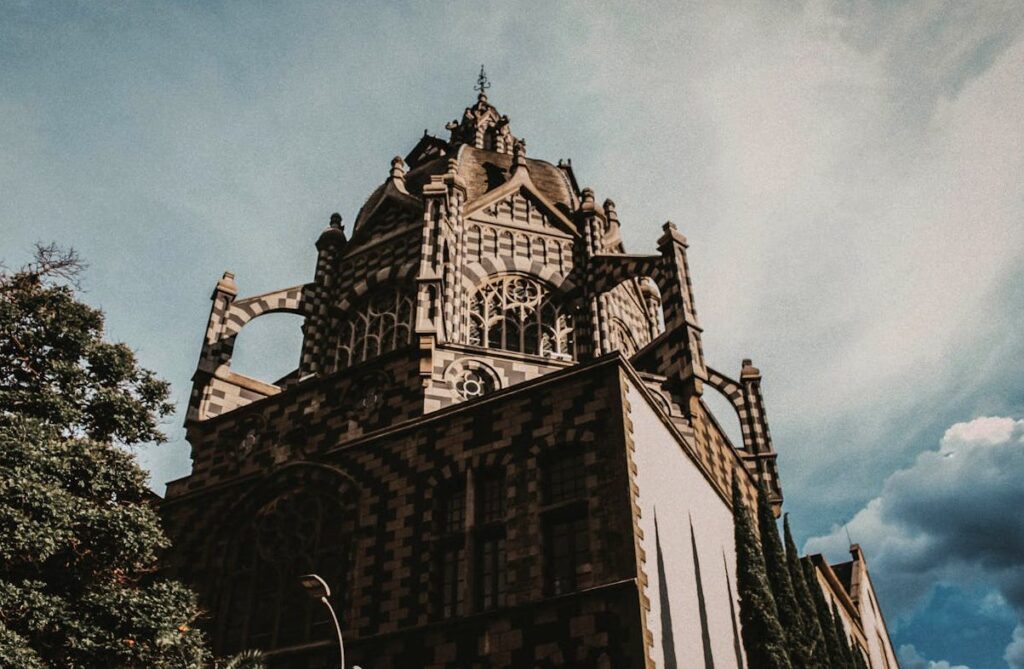
The Golden Mile (Milla de Oro) is upscale commercial corridor along southern Avenida El Poblado featuring luxury retail, corporate offices, high-end hotels, and El Tesoro shopping mall—essentially Manila’s southern extension with even more premium positioning and car-dependent design. It’s called “golden” for concentrated wealth and luxury businesses, not golden color or special beauty.
Geographic definition: Roughly Calle 1 Sur to Calle 10 Sur along Carrera 43A (Avenida El Poblado), extending about 1.5 kilometers south of central Manila zone. The boundary is fluid—some locals include all of Avenida El Poblado commercial corridor while others reserve “Golden Mile” specifically for most upscale southern section.
What characterizes Golden Mile: Luxury car dealerships (Mercedes, BMW, Land Rover showrooms), upscale furniture stores, designer boutiques, corporate headquarters, private banking centers, exclusive residential towers, and El Tesoro mall. This is where Medellín’s wealthiest display consumption—premium brands, high-end services, aspirational shopping.
Vs regular Manila: Manila proper (Oviedo/Santafé mall area) serves business travelers and middle-class consumers with functional retail and corporate infrastructure. Golden Mile targets luxury market with premium positioning and status-conscious branding. Manila is business-class efficiency; Golden Mile is first-class aspiration.
Tourist relevance (or lack thereof): Golden Mile matters primarily to wealthy paisas shopping luxury goods—minimal relevance for most tourists. El Tesoro mall offers premium shopping if that’s your priority, but otherwise this zone is car dealerships and office towers with nothing uniquely Colombian or culturally interesting. You’d visit for specific shopping need, not for sightseeing or experience.
Accommodation in Golden Mile: Few hotels exist this far south—it’s commercial/residential rather than tourist accommodation zone. If staying nearby, you’re likely in luxury residential tower (long-term rental) or upscale extended-stay property. This makes Golden Mile even less practical than Manila for typical tourist visits.
Access and walkability: Heavily car-oriented. Wide avenues, minimal pedestrian infrastructure, designed for drivers. You don’t walk Golden Mile—you drive from parking lot to parking lot. Metro access requires walking north to El Poblado station (15-20 minutes from southern Golden Mile) or taking Uber. This car-dependency makes it impractical base for tourists using public transit.
Cultural significance: Golden Mile represents Medellín’s economic transformation from industrial city to service/commerce economy. It’s where new money displays wealth, where international brands establish presence, where Medellín signals “we’re world-class city.” But for tourists seeking authentic Colombian experience, it’s precisely what to avoid—generic luxury indistinguishable from Miami, Dubai, or Singapore.
When Golden Mile matters: If you need luxury shopping (designer brands not available in standard malls), if you’re staying long-term in luxury residence here, if you have business at corporate headquarters in area, or if you’re researching Medellín’s economic development. Otherwise, skip it entirely—your time better spent in actual neighborhoods with cultural character.
Bottom line: Golden Mile is Medellín’s luxury commercial showcase—impressive if you value premium brands and upscale retail, but culturally hollow and tourist-irrelevant for most visitors. It’s aspirational consumption zone for wealthy paisas, not destination for travelers seeking Colombian experience.
How far is Manila from Parque Lleras?
Manila (specifically Oviedo Mall area) is 1.5 kilometers from Parque Lleras, approximately 15-20 minute walk or 5-minute Uber ride. While technically walkable, the route along busy Avenida El Poblado is unpleasant enough that most people default to Uber despite short distance—making Manila’s “close to nightlife” claim misleading in practice.
Walking route reality: The 1.5km walk follows Avenida El Poblado—six-lane commercial avenue with: heavy traffic creating noise and exhaust, minimal pedestrian infrastructure (narrow sidewalks in sections), frequent traffic light waits at intersections, and zero charm (office towers and parking lots, not neighborhood streets). It’s highway-adjacent trudge, not pleasant urban stroll.
Walking time breakdown: 15 minutes if you’re fast walker maintaining pace without stops. 20 minutes more realistic accounting for traffic light delays and cautious navigation of busy intersections. Add 5 minutes if starting from southern Manila (Santafé mall area). Weather matters—afternoon rain makes walk miserable, evening darkness reduces appeal further.
Uber alternative: Economical range for 5-minute ride from Manila hotels to Parque Lleras. During peak hours (evening departure, late-night returns) surge pricing can increase but rarely exceeds budget-mid tier. Most Manila residents discover after one or two unpleasant walks that Uber is worth the minimal cost for significantly better experience.
Directional consideration: Walking Parque Lleras TO Manila (northward, uphill) is harder than Manila to Parque Lleras (southward, slight downhill). Late-night walk home after drinking is unpleasant uphill slog—another reason most people Uber return journey even if they walked outbound.
Evening safety: The walk itself is not dangerous (Avenida El Poblado is well-lit, occasionally patrolled) but emptiness creates discomfort. Few pedestrians use this route evening, making you feel exposed. Women especially report preferring Uber for evening returns not due to crime threat but due to isolation anxiety walking alone.
Cost comparison staying Manila vs Parque Lleras: If you’re visiting Parque Lleras/Provenza nightlife 3-4 nights weekly, Manila requires 6-8 Uber trips weekly (moderate range weekly spend). Meanwhile, Manila accommodation costs similar to Parque Lleras hotels but delivers none of the walkable convenience. From financial and practical perspectives, staying closer to nightlife makes more sense for active social travelers.
Comparison to other neighborhoods: Laureles is 4km from Parque Lleras (requires metro or longer Uber, 15 minutes) but offers 40% cheaper accommodation and authentic neighborhood character—distance is honest drawback with compensating benefits. Manila’s 1.5km distance seems close but unpleasant walk means you Uber anyway while paying premium prices without neighborhood advantages. It’s worst of both worlds—too far for comfortable walking, too expensive for the mediocre location.
When Manila’s Parque Lleras distance works: If nightlife is occasional (1-2 nights per week), economical Uber cost is minimal nuisance worth accepting for Manila’s other advantages (metro access, corporate infrastructure). If you’re business traveler visiting Parque Lleras once for client dinner, distance is non-issue. But if you’re tourist planning frequent nightlife visits, Manila’s distance becomes daily frustration.
Bottom line: Manila is “close” to Parque Lleras on map but far in practical experience. Unpleasant walk means most people Uber, eliminating walkability advantage guides claim. If Parque Lleras access is priority, stay in Parque Lleras or Provenza proper—Manila’s partial proximity creates inconvenience without delivering convenience.
For nightlife accommodation: Parque Lleras guide with where to stay for walkable access.
Are Manila hotels worth the price?
Manila hotels are worth the premium tier pricing ONLY for business travelers needing corporate infrastructure or visitors specifically valuing metro access over neighborhood experience—but for most tourists, they deliver poor value compared to Laureles Airbnbs (40% cheaper, better space), residential Poblado options (neighborhood character at similar price), or Provenza boutique hotels (actual design and luxury for comparable cost).
What Manila hotels charge: Premium tier nightly for corporate chains (Marriott, Dann Carlton, NH Collection). Upper-mid tier for smaller business hotels. Moderate tier minimum even for budget options. All prices 20-30% higher than equivalent Laureles accommodation, 10-20% higher than residential El Poblado, comparable to upscale Provenza.
What you actually get for that cost: Reliable corporate infrastructure (WiFi works, air conditioning functions, hot water guaranteed), English-speaking staff (no language barrier for check-in/requests), business centers (meeting rooms, printers, workspaces), standardized service (Marriott/NH brand consistency), convenient metro access (El Poblado station walking distance). Room quality is business-adequate not luxury—think corporate traveler functionality rather than leisure experience excellence.
What you DON’T get: Neighborhood character (sterile corporate feel), cultural immersion (could be anywhere globally), charm or design distinction (corporate templates not boutique creativity), authentic local interactions (staff are professional not personal), memorable experiences (efficiency not excitement), or value-for-money space (smaller rooms than Airbnbs at similar price).
Value comparison alternatives:
Laureles Airbnb: Premium-tier Manila hotel = upper-mid tier Laureles apartment with: full kitchen, living room, balcony, washing machine, more space, residential neighborhood setting. You sacrifice: English-speaking staff, daily housekeeping, lobby infrastructure. You gain: authentic neighborhood, 40% cost savings, better space quality.
Residential Poblado Airbnb: Similar price to Manila hotels but: larger space, full kitchens, residential streets, neighborhood charm, same El Poblado postal code. You sacrifice: corporate efficiency. You gain: actual El Poblado experience versus corporate district.
Provenza boutique hotels: Same or slightly higher cost than Manila corporate chains but: design excellence, rooftop bars/pools, personalized service, walkable restaurants, memorable boutique experience. You sacrifice: corporate standardization. You gain: actual luxury and character.
When Manila hotels ARE worth it: Business trips where corporate billing, meeting facilities, professional atmosphere, and predictable standardization justify premium. First-time visitors who value English-heavy support and familiar hotel experience reducing travel anxiety. Travelers with mobility issues appreciating hotel services (room service, accessible facilities, elevator access). Metro-dependent visitors where proximity to El Poblado station makes convenience worth cost.
When Manila hotels AREN’T worth it: Leisure travelers seeking experience not just accommodation—your money buys better elsewhere. Budget-conscious visitors who could get superior space in Laureles for 60% of Manila cost. Long-term visitors (week+) where corporate sterility compounds and cost accumulates painfully. Cultural experience seekers who’ll regret paying premium for soulless environment. Anyone prioritizing walkable nightlife or restaurant access—you’re not close enough for this to work naturally.
The financial breakdown: Week in premium Manila hotel costs upper-premium range. Same budget gets: luxury Airbnb in Provenza with rooftop access, or spacious Laureles apartment with kitchen PLUS moderate budget remaining for activities. Manila hotel delivers reliability; alternatives deliver experience and value. Choose based on what you’re actually optimizing for.
Hidden costs consideration: Manila hotel itself costs premium, PLUS you’ll Uber everywhere for meals and activities (moderate range weekly transport added), PLUS you’ll pay premium for mall/hotel restaurants (mid-to-premium range meals). Total Manila stay cost often exceeds initial hotel price by 40-50% once transport and dining compound. Residential neighborhoods build daily costs into walkability (walk to cheaper restaurants, explore neighborhood freely without constant Uber spending).
Bottom line: Manila hotels deliver what they promise—corporate efficiency, English support, standardization, metro access—but at premium cost sacrificing everything that makes Medellín interesting. They’re excellent for wrong visitors (business travelers) and poor value for most tourists who could spend same money getting better experiences elsewhere.
How long should you stay in Manila?
Manila works best for 1-3 night stays maximum—business trips, metro-oriented short visits, or first-night arrival accommodation before relocating to more interesting neighborhood. Stays beyond 3-4 days reveal Manila’s limitations: corporate sterility becomes oppressive, limited dining options create restaurant fatigue, evening emptiness feels isolating, and premium costs compound without delivering proportional value.
Ideal Manila duration: 2 nights for business travelers (arrive evening, full work day, depart following day), 1 night for first-time arrivals wanting safe orientation before exploring, or 3 nights maximum if metro access is essential and you’re comfortable with corporate environment. This timeframe provides Manila’s benefits (safety, convenience, metro proximity) without extended exposure to drawbacks (sterility, costs, isolation).
Why longer stays fail: Manila lacks neighborhood rhythm and community that makes extended stays tolerable. No favorite local café to discover (just corporate Juan Valdez chains), no neighborhood vendors to befriend (everything’s mall-based corporate), no residential street life to observe (office workers commute in/out), no cultural immersion (international business district aesthetic). Day 4-5, you realize you’re paying premium to live in soulless bubble while taking Uber elsewhere for every authentic experience.
Alternative strategy: Stay Manila 1-2 nights for orientation and metro familiarity, then relocate to Laureles (authentic neighborhood at 40% savings), residential El Poblado (actual paisa character), or Provenza (walkable dining/nightlife). Use Manila as learning base, not long-term home. This minimizes sterility exposure while capturing metro access benefits during arrival confusion.
Exception for business: If you’re in Medellín for corporate meetings/conferences and need professional hotel infrastructure daily, week-long Manila stays make sense—your days happen in offices anyway, hotel is just sleep base. Business context justifies corporate environment in ways tourism doesn’t.
Digital nomad consideration: If working remotely month+, absolutely avoid Manila. The coworking community exists in Laureles and Provenza (Selina, AtomHouse, independent spaces with social ecosystems). Manila lacks this completely—you’d work isolated in hotel room or sterile mall coffee shop, never building relationships or community that sustains long-term remote work psychologically. Choose neighborhood supporting digital nomad lifestyle (Laureles especially) rather than corporate transience.
Where should you eat in Manila?
You should eat breakfast in Manila (hotel or Juan Valdez for convenience), but leave the zone for lunch and dinner to access authentic Colombian cuisine at reasonable prices rather than paying premium for mediocre mall food courts and international chains. Manila dining scene serves corporate lunches and tourist convenience—not quality Colombian food or value-conscious meals.
Manila breakfast: Hotel breakfast if included (convenient, adequate quality), or Juan Valdez at Oviedo Mall (7am opening, Colombian coffee culture, pandebono cheese bread). Budget economical to mid-range, acceptable quality, saves time for morning activities.
Manila lunch to avoid: Mall food courts (Crepes & Waffles, Juan Valdez, chains charging mid-range for mediocre quality), hotel restaurants (premium tier for average food), and generic international options (Subway, McDonald’s—you didn’t travel to Colombia for this). Food court convenience tempts but delivers poor value and zero cultural experience.
Better lunch strategy: Take metro to Universidad station (10 minutes) for student-priced authentic Colombian restaurants, or Uber to Laureles (15 minutes, economical cost) for paisa family restaurants serving real bandeja paisa at budget-mid range—half Manila prices, triple the authenticity. Return to Manila after lunch, or continue exploring.
Manila dinner to avoid: Same problem—hotel restaurants charge premium tier for forgettable meals, malls offer chains not Colombian cuisine, and anything “upscale” in Manila costs more than superior Provenza restaurants. You’re paying location premium without location advantage (you’ll Uber anywhere interesting anyway).
Better dinner strategy: Uber to Provenza (7 minutes, economical) for upscale Colombian fusion or international quality, walk to residential El Poblado east of Carrera 43A for authentic neighborhood restaurants, or metro to Laureles for family-run spots locals actually eat at. Invest Uber cost in reaching real food rather than settling for convenient mediocrity.
Exception scenarios: Rainy afternoon when leaving Manila feels impractical—mall food court acceptable. Late business meeting ending 9pm when you’re exhausted—hotel room service justifies convenience premium. Sunday when many restaurants closed—mall options stay open. But default should be leaving Manila for meals, treating it as sleep base not dining destination.
Money-saving hack: Buy groceries at Éxito supermarket (Oviedo Mall, third floor), prepare breakfast in hotel room if you have kitchenette, pack snacks for day trips. This alone saves moderate range weekly versus eating every meal at premium Manila prices. Combine with strategic lunch/dinner elsewhere for optimal food budget and quality.
For restaurant recommendations: Medellín activities guide includes dining zones worth visiting.
Is Manila good for families with children?
Manila is conditionally good for families with children—mall security and familiar chains provide comfort, but premium costs, limited outdoor space, and sterile environment make Envigado a better family choice for 40% less money with parks, playgrounds, and authentic Colombian neighborhood experience kids actually enjoy.
Manila advantages for families: Shopping mall enclosed spaces (monitored, safe, air-conditioned), familiar food chains (McDonald’s, Subway for picky eaters reducing meal battles), English-speaking hotel staff (easier managing kids’ needs), corporate hotels with family rooms and pools (space and entertainment), cinema for rainy-day activities (Hollywood releases with Spanish subtitles), and El Poblado metro station access (stroller-friendly, reliable transport).
Manila disadvantages for families: Expensive (family of 4 paying premium tier accommodation plus premium dining costs compound brutally), sterile environment (kids bored quickly by mall sameness), limited outdoor play space (no neighborhood parks, playgrounds, or green areas), evening emptiness creates isolation (no neighborhood energy for evening walks), and cultural disconnect (kids experience international mall culture not Colombian culture).
Better family alternative—Envigado: Suburban family neighborhood with: actual parks and playgrounds where Colombian kids play (cultural immersion), safe residential streets for evening walks, authentic restaurants with Colombian kids menus (budget-friendly, cultural experience), spacious Airbnb apartments at 40-50% Manila hotel cost (kitchen saves money, extra rooms reduce family tension), and genuine paisa family atmosphere. Envigado is where Medellín families actually live—your kids interact with Colombian children, not tourist bubble isolation.
When Manila works for families: Very short stays (1-2 nights) where convenience trumps experience, families with special needs children benefiting from corporate hotel infrastructure, or families with teenagers who appreciate mall shopping and cinema over playgrounds. Also works if budget is genuinely unlimited and premium costs don’t matter—Manila delivers predictable safety and English support reducing parenting stress.
Age consideration: Families with toddlers/young children (under 8) benefit more from Envigado’s parks and play spaces than Manila’s malls. Families with teenagers (12+) might appreciate Manila’s cinema and shopping more. But across all ages, Manila’s premium cost for limited kid-friendly amenities makes it poor family value versus neighborhood alternatives.
Practical family strategy: If you value mall security highly and money isn’t constraint, book Manila 2 nights maximum for arrival comfort, then relocate to Envigado for main stay. Or skip Manila entirely—Envigado delivers better family experience from day one at half the cost. Manila’s supposed “family-friendly” positioning is hotel marketing, not family travel reality.
For family planning: Envigado family guide with kid-friendly activities and playground locations.
Is Manila different on weekends vs weekdays?
Yes, Manila is dramatically different weekends versus weekdays—weekday corporate energy (office workers, business meetings, professional atmosphere) transforms into weekend emptiness when businesses close, workers stay home, and only mall-focused tourists remain. Weekday Manila is busy and functional; weekend Manila amplifies the sterile isolation problem significantly.
Weekday Manila (Monday-Friday): Office towers full of workers, corporate lunch crowds in food courts, professional energy in hotel lobbies, Juan Valdez packed with laptop workers, streets busy with purpose, and general sense of functionality. Still sterile and corporate, but human activity makes it tolerable. Business travelers experience Manila at its “best”—the zone functions as designed for corporate needs.
Weekend Manila (Saturday-Sunday): Office towers empty and dark, corporate workers absent (they’re in Laureles, Envigado, residential homes), streets eerily quiet, only malls remain active but serving tourists not locals, and overwhelming sense of abandonment. The corporate infrastructure that justifies weekday stays becomes pointless weekend liability—you’re paying premium to sleep near closed offices in deserted district.
Specific weekend differences: Fewer dining options (corporate cafes and office-adjacent restaurants close weekends), increased mall crowding (only activity center, so tourists concentrate there), hotel restaurants busier (fewer alternatives force guests to eat on-property), and evening isolation intensifies (no office workers means zero street life after dark). Weekend Manila feels like abandoned business park.
Sunday exception—farmers market: Sunday morning 9am-2pm, Parque de El Poblado hosts weekly farmers market bringing authentic energy that otherwise doesn’t exist weekends. This 5-hour window is literally the only non-mall weekend activity in Manila zone. If staying Manila on weekend, plan Sunday morning market visit—it’s the sole authentic neighborhood moment available.
Planning consideration: If your Medellín trip spans weekend, strongly consider staying elsewhere (Laureles has vibrant weekend energy, residential El Poblado has neighborhood life, Provenza has weekend brunches and social scene). Manila weekday sterility becomes weekend oppression. Business travelers arriving Thursday departing Monday might tolerate one weekend night, but leisure travelers should avoid weekend Manila entirely—the emptiness is genuinely depressing.
Weekend accommodation strategy: If you must stay Manila on weekend (late Friday arrival scenario), check out Sunday morning after farmers market and relocate to neighborhood with actual weekend energy. Don’t subject yourself to full weekend in abandoned corporate district—Manila’s sole advantage (corporate functionality) evaporates when offices close.
Related Guides
Explore Medellín neighborhoods:
- Where to Stay in Medellín — Complete neighborhood comparison
- El Poblado Guide — Residential areas vs Manila corporate
- Laureles Guide — Authentic alternative to Manila
- Parque Lleras Guide — Nightlife access from Manila
- Envigado Guide — Family-friendly option
- Medellín Metro Guide — Manila’s metro advantage
- Things to Do Medellín — Activities from Manila base
- Is Medellín Safe? — Manila safety context