Museo de Antioquia: Complete Guide to Medellín’s Art Museum (2026)
Updated: August 23, 2026
Every Medellín guide lists Museo de Antioquia as “must-see attraction” and “world-class Botero collection.” Here’s what they’re not telling you: the museum is excellent but compact (2-3 hours covers everything thoroughly), Botero’s signature style is love-it-or-hate-it with no middle ground, the colonial building itself rivals the art as a highlight, and downtown location means navigating Medellín’s grittiest neighborhood where tourist-friendly El Poblado feels worlds away. The 23 massive Botero sculptures in Plaza Botero outside are free and arguably more impressive than the indoor collection, raising the question of whether museum admission is necessary.
Museo de Antioquia is Medellín’s most important art museum — home to Fernando Botero’s donated collection (over 100 works) and extensive Colombian art history. 35,000 COP (~$8 USD) entry. Allow 1.5-2 hours. Located in Plaza Botero in El Centro alongside 23 outdoor Botero sculptures — the outdoor sculptures are free.
But here’s the nuance these surface-level guides miss: Museo de Antioquia delivers exactly what Medellín’s cultural scene needs—accessible world-class art (budget-friendly tier admission), celebration of Colombia’s most famous artist in his hometown, honest presentation of Antioquia’s complex history from pre-Columbian to present, and downtown anchor point giving tourists legitimate reason to explore beyond sanitized Poblado zone. The question isn’t whether Botero’s art is “good enough”—it’s whether 2-3 hours of exaggerated proportions and social commentary matches your interests versus other Medellín activities competing for your time.
After visiting Museo de Antioquia eight times across different days and times—experiencing how weekend crowds transform intimate galleries into shuffling queues (weekday mornings incomparably better), learning which Botero pieces actually provoke thought versus which feel repetitive after the twentieth rotund figure, understanding that the free Plaza Botero sculptures outside genuinely constitute half the experience (many visitors skip museum entirely), and observing how the building’s architecture and history provide essential context often ignored in rushed visits—I’ve learned when the museum works versus when alternative activities serve better.
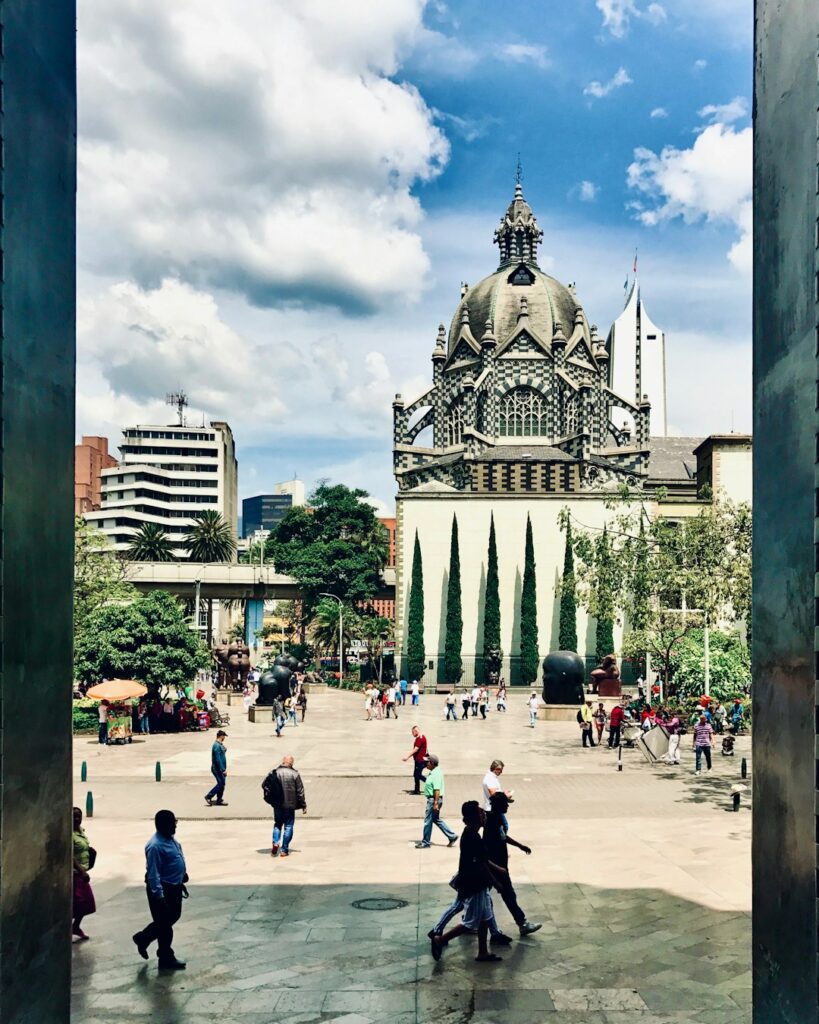
Museo de Antioquia (Museum of Antioquia) is Medellín’s oldest museum (founded 1881), housed in stunning 1937 Art Deco building (former city hall) on Plaza Botero in downtown’s historic center. The museum holds 5,000+ artworks including world’s largest collection of Fernando Botero donations (119 Boteros plus 87 works from his personal collection of international artists), plus Colombian art spanning colonial period to contemporary, pre-Columbian artifacts, and rotating exhibitions. Combined with 23 monumental Botero bronze sculptures in adjacent Plaza Botero (free public access), the museum-plaza complex forms Medellín’s premier art destination.
This isn’t dismissive “museum is boring” verdict some activity-focused travelers push. But it’s also not uncritical “essential cultural experience” propaganda some guides promote. This is 2026 reality: what the museum actually delivers (Botero masterworks, Colombian art context, architectural gem, downtown cultural anchor), what it doesn’t deliver (diverse artistic styles beyond Botero, extensive permanent collection, full-day experience, Poblado-level safety/comfort), who genuinely enjoys it (art enthusiasts, Botero fans, culture seekers, architecture lovers, budget travelers) versus who leaves disappointed (anti-Botero visitors, people expecting major international museum scale, those uncomfortable in gritty downtown), and most importantly—honest assessment helping you decide if 2-3 hours here beats alternative Medellín activities.
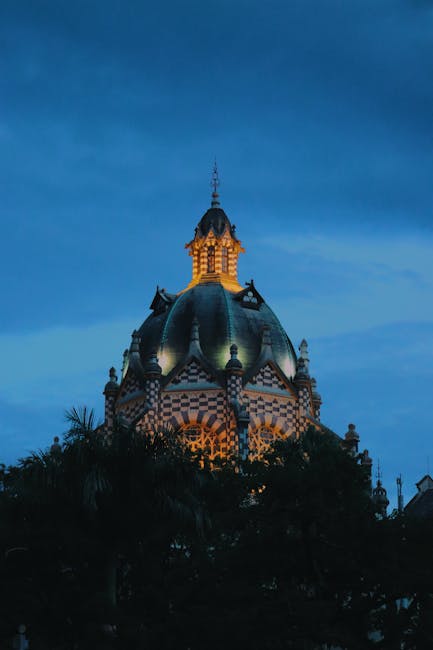
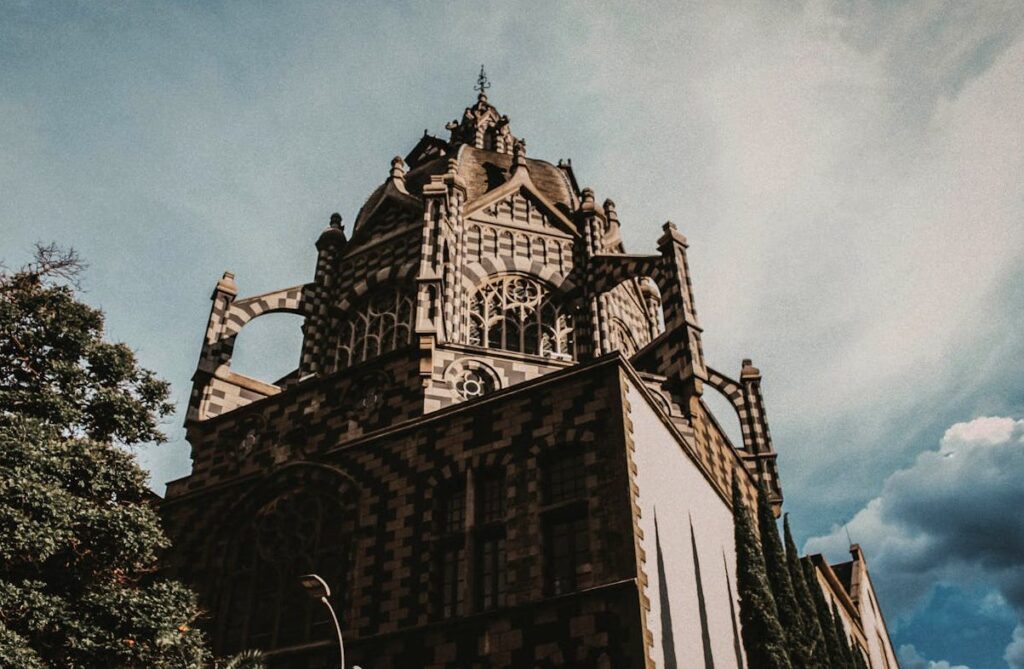
Architectural significance: Before discussing art, appreciate the building—former Medellín city hall (Palacio Municipal) from 1937, stunning Art Deco design by Belgian architect Agustín Goovaerts. Geometric façade, soaring ceilings, marble staircases, original details preserved during 1997-2000 renovation transforming government office to museum. The structure itself is artwork—notice floor mosaics, wrought-iron railings, skylight illuminating central staircase.
Historical context: This building witnessed Medellín’s 20th century transformation—from conservative Andean town to industrial powerhouse to narco-violence epicenter to innovation hub. Walking these halls where city government operated during Medellín’s most turbulent decades adds gravity to the art within. The 2000 reopening as art museum symbolized city’s commitment to cultural renaissance after violence subsided.
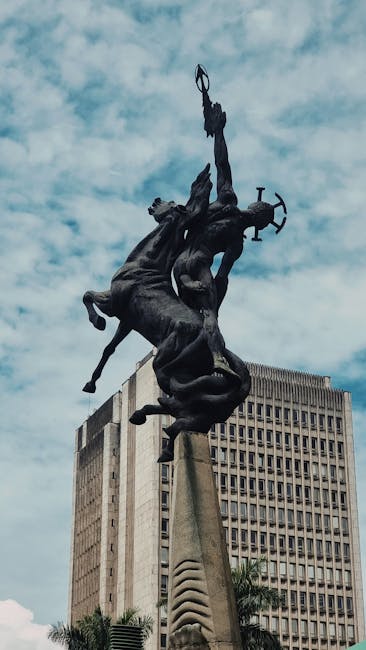
Monumental sculptures in public spaces
Fernando Botero: Colombia’s Most Famous Artist
Who is Botero? Fernando Botero (born 1932 Medellín, still alive 2026 at 94) is Colombia’s most internationally recognized artist, famous for paintings and sculptures depicting rotund, exaggerated figures—politicians, clergy, everyday people, historical scenes, still lifes—all inflated to monumental proportions. His style is instantly recognizable: voluptuous forms, satirical edge, vibrant colors, technical mastery within seemingly simple aesthetic.
Why the proportions? Botero’s “fat” figures aren’t about obesity—they’re about volume, presence, monumentality. He gives dignity and importance to subjects (peasants, prostitutes, dictators) through scale. The exaggeration also creates satirical distance—powerful figures become absurd, everyday scenes become surreal. Love it or hate it, the style is deliberate, sophisticated, and completely distinctive.
The Medellín connection: Botero donated this collection to his hometown 2000 (same year museum reopened). He gave 119 of his own works plus 87 pieces from his personal collection (international masters). This generosity transformed Museo de Antioquia from regional museum to world-class institution overnight. The Plaza Botero sculptures (23 bronzes) were additional donation creating Latin America’s largest open-air sculpture collection by single artist.
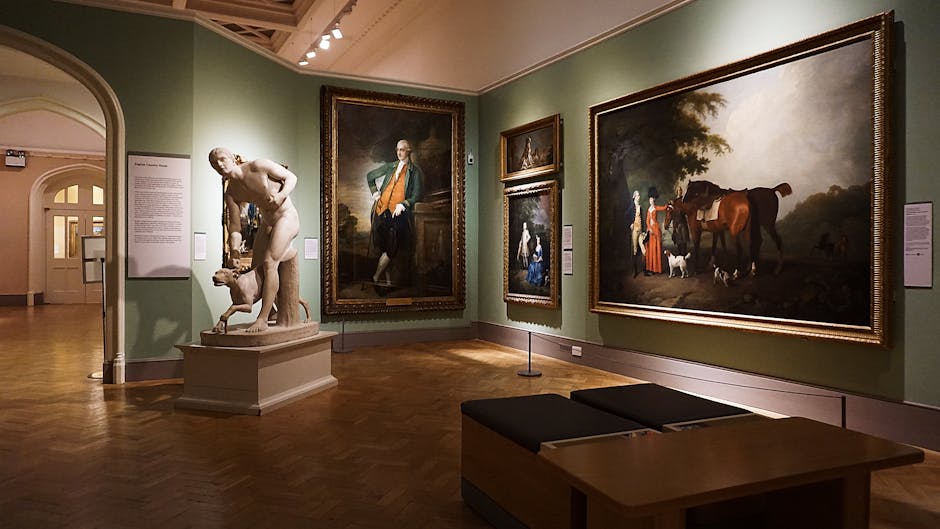
Classic museum gallery with paintings and sculpture
Visitors exploring the collections
Museum Layout and Collections
Ground floor: Plaza Botero sculptures visible through windows, museum shop, temporary exhibition space (rotating shows—check current offering before visiting), orientation area.
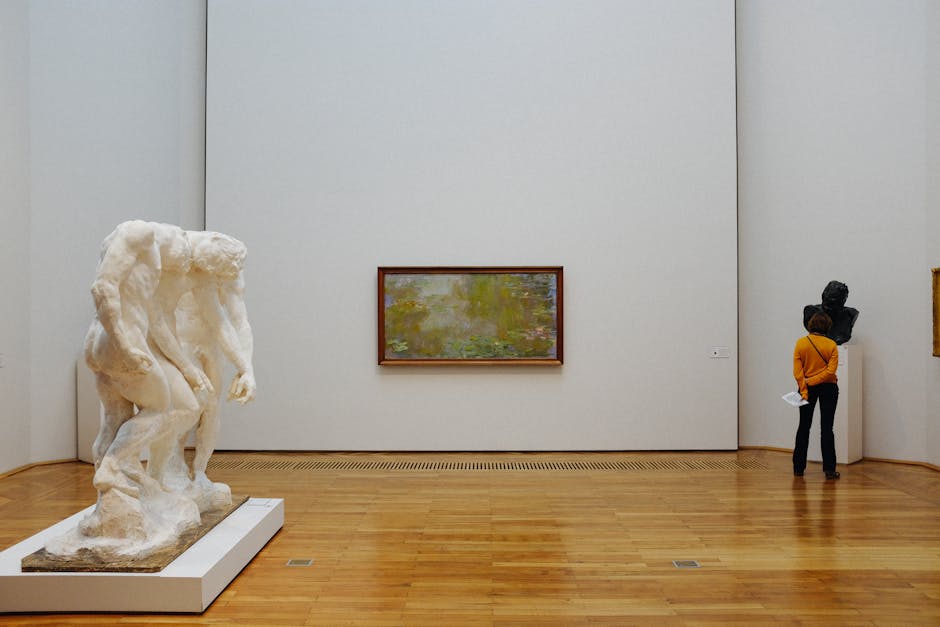
Second floor (main Botero galleries): The core collection—119 Botero originals chronologically arranged showing evolution from early works (1950s) to recent. Here you see: paintings (The Presidential Family, The Musicians, Death of Pablo Escobar), sculptures (Reclining Figure, Horse, Cat), drawings. This floor requires 60-90 minutes minimum to appreciate properly.
Third floor: International collection Botero donated—Impressionists (Renoir, Pissarro), modernists (Picasso, Chagall, Léger), surrealists (Dalí, Miró), plus Bacon, Giacometti, Moore. These aren’t major works by these artists but legitimate pieces providing context for Botero’s influences. Colombian art collection also here—Pedro Nel Gómez (muralist), Débora Arango (controversial figurative painter), contemporary artists.
Fourth floor: Pre-Columbian artifacts, colonial religious art, 19th/20th century Antioqueño art. This floor gets less attention but provides essential context for understanding Antioquia’s cultural evolution. Budget 30-45 minutes if interested in Colombian history beyond Botero.
🔑 Local Secret: The rooftop terrace accessed via unmarked door on fourth floor (near the colonial art section, look for “Salida” sign that appears to indicate emergency exit but actually leads to terrace) offers spectacular 360-degree views of downtown Medellín, surrounding mountains, Plaza Botero from above, and Cerro Nutibara—perspective impossible from street level and completely absent from museum maps or tourist information. Most visitors never discover this terrace because: no signage advertises it, the door looks like staff-only access, and museum guards don’t mention it unless asked directly. Medellín locals who visit museum regularly use this terrace specifically for photography and to escape crowded galleries, especially during hot afternoons when the outdoor breeze provides welcome relief from stuffy interior rooms. Weekday late morning (11:30am-12:30pm) when most visitors are still on lower floors means you might have the entire terrace to yourself for 10-15 minutes—privileged viewpoint capturing both the museum’s colonial-era neighborhood context and the dramatic Aburrá Valley geography that shaped Medellín’s development. The terrace provides clear sight lines to key landmarks: Metropolitan Cathedral (3 blocks), Pueblito Paisa atop Nutibara Hill (southwest), cable cars climbing to Santo Domingo (northeast), and on clear days even the distant páramo mountains defining the valley. Bring camera with zoom lens to capture details from this elevation. This single vantage point transforms museum visit from “appreciated Botero paintings” to “understood Medellín’s geographic and historical context”—the building’s 1937 placement at city’s civic heart makes perfect sense from above. Guards occasionally patrol but never restrict access—the terrace is public museum space, just unmarked. Go late morning or mid-afternoon avoiding midday sun, and after you’ve finished main galleries so you’re not rushed.
What NOT to Do at Museo de Antioquia
1. Don’t Visit If You Dislike Botero’s Style
The mistake: Visiting Museo de Antioquia despite not enjoying Botero’s exaggerated aesthetic, assuming museum offers sufficient artistic diversity beyond his signature style
The reality: Botero absolutely dominates this museum—119 of his works occupy the entire main floor, Plaza Botero outside is 100% Botero bronzes, and even the international collection exists because Botero donated it. If you fundamentally dislike rotund figures, satirical exaggeration, or repetitive aesthetic, you will spend 90+ minutes surrounded by art you don’t enjoy. The small Colombian art section and international collection (maybe 30-40 minutes combined) cannot compensate for disliking the core 60-90 minutes of Botero galleries.
How this creates problems: You visit because guides say “must-see,” endure galleries thinking “these all look the same,” feel guilty for not being more engaged, leave early feeling you’ve somehow failed to appreciate “important” art, and waste 2 hours plus downtown transit you could’ve spent on activities actually matching your tastes. Then you tell friends “museum was boring” when actually the museum is fine—you just weren’t the target audience.
What to do instead: Be ruthlessly honest about whether Botero appeals to you before committing time and admission. Look up his work online (5 minutes Google Image search shows hundreds of pieces). If your reaction is “this is interesting/funny/provocative/beautifully executed,” the museum will delight. If your reaction is “this is weird/repetitive/I don’t get it/why is everything fat,” skip the museum entirely and choose activities matching your actual interests: Comuna 13 (urban culture without fine art), Arví Park (nature), cable car rides (views and transport spectacle), or Poblado restaurants (gastronomy).
Exception: Even if you dislike Botero, Plaza Botero sculptures are worth 20-30 minutes—they’re free, photogenic, and experiencing them in bustling Latin American plaza context adds entertainment value beyond pure aesthetics. But don’t pay museum admission if the artist doesn’t appeal.
For alternative Medellín activities: Complete guide with options for all interests.
2. Don’t Visit Weekend Afternoons Expecting Peaceful Museum Experience
The mistake: Visiting Saturday or Sunday afternoon (1-4pm) expecting quiet contemplation of art in serene museum atmosphere
The reality: Weekend afternoons transform Museo de Antioquia into crowded, noisy场所 dominated by large school groups, family outings, and tour groups—children running through galleries despite guards’ protests, crowds bottlenecking at famous pieces (Death of Pablo Escobar painting has photo queue), ambient noise level destroying contemplative viewing, and general energy incompatible with serious art appreciation. The art hasn’t changed but atmosphere shifted from peaceful museum to busy marketplace with paintings.
How this impacts experience: You arrive seeking cultural enrichment through quiet engagement with art, encounter instead: groups of teenagers taking selfies blocking Botero sculptures, parents chasing toddlers, tour guides lecturing loudly in multiple languages simultaneously, line-cutting to photograph famous pieces, and guards constantly shushing people (who immediately resume noise). Impossible to pause and reflect, to read labels carefully, to develop personal relationship with artworks when you’re being jostled and surrounded by chaos.
What to do instead: Visit weekday mornings (Tuesday-Friday, 10-11:30am) for museum as intended—quiet galleries, easy movement, ability to stand before paintings as long as you want, ambient silence allowing contemplation, and guard-to-visitor ratio high enough that museum etiquette is maintained. If weekend visit necessary, arrive exactly at 10am opening when doors unlock—you get 60-90 minutes before crowds build noon onwards.
Who benefits from weekend crowds: Families with children (your kids aren’t the only ones making noise), social visitors wanting lively energy rather than library silence, and people-watchers interested in observing how paisas engage with art (Colombians are enthusiastic, expressive museum-goers creating entertaining spectacle even if it disturbs serious viewing). Everyone seeking quiet contemplation: weekdays only.
3.
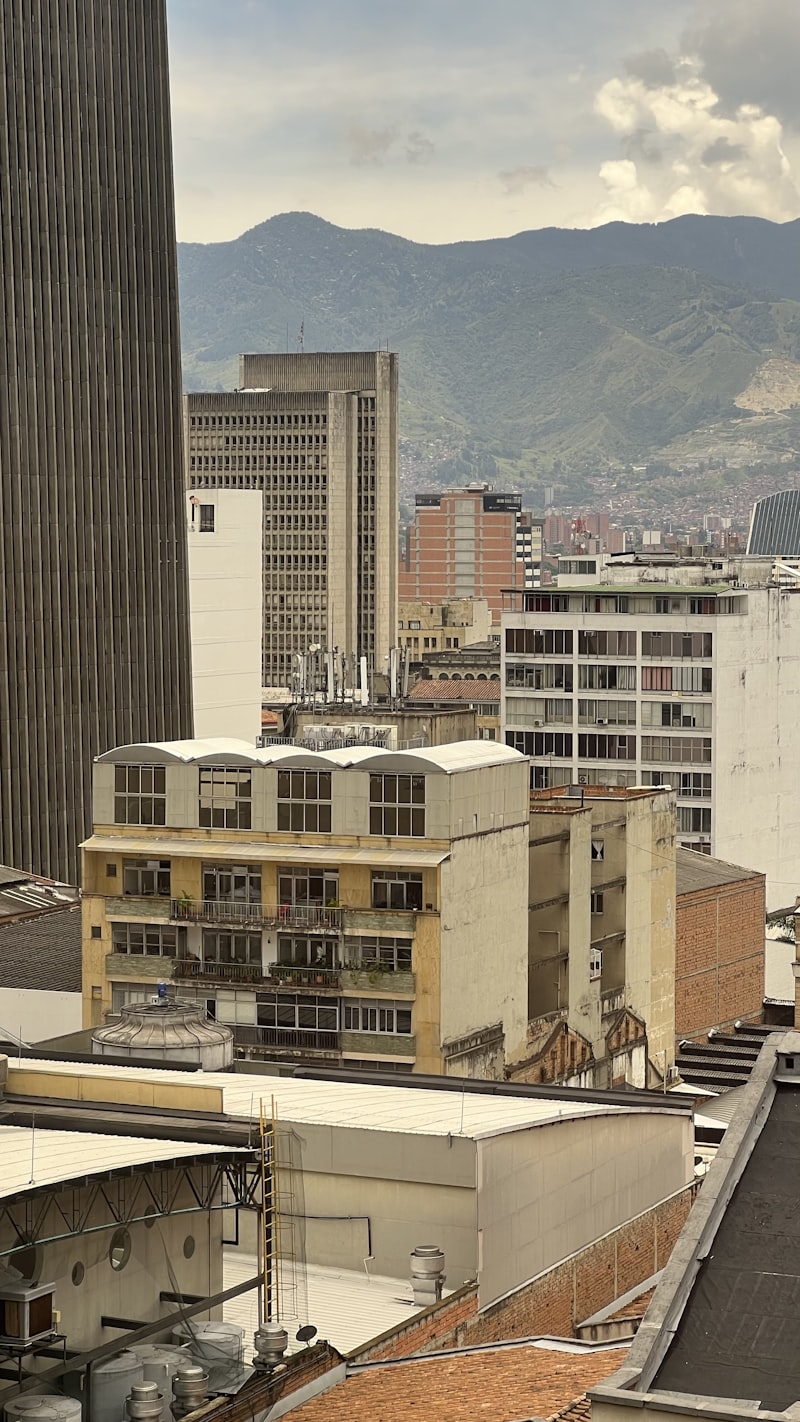
Downtown Medellín surroundings
Don’t Skip Plaza Botero Assuming Indoor Museum Is the “Real” Experience
The mistake: Rushing past the 23 bronze sculptures in Plaza Botero outside to enter museum, treating outdoor plaza as mere preface to “actual” art inside
The reality: Plaza Botero sculptures are arguably more impressive than indoor Botero collection—they’re monumental (some 3+ meters tall), displayed in natural light showing bronze surfaces beautifully, placed in dynamic Latin American plaza context with mountains backdrop, surrounded by local life (vendors, shoe-shiners, locals, pigeons), and completely free. The indoor paintings and sculptures are excellent, but outdoor plaza creates unique confluence: world-class sculpture + authentic Colombian urban context + architectural setting + free access. Many Medellín residents visit plaza regularly without ever entering museum (admission cost barrier), and many tourists find plaza sculptures more memorable than indoor works.
Why visitors skip: They see plaza as “outside part” before main event, assume indoor climate-controlled museum holds “important” art while plaza is just decoration, or follow tour guides who rush past plaza heading straight to admission desk. The crowd and vendors can also make plaza feel chaotic rather than like serious art space—easy to dismiss as tourist photo-spot and miss the quality.
What to do instead: Budget equal time for plaza and museum—30-45 minutes outside, 90-120 minutes inside. Visit plaza first when you’re fresh, spend time with each sculpture, walk full circuit photographing from different angles, appreciate how sculptures interact with plaza architecture (1920s-1930s buildings creating gallery walls), observe how locals use space (kids climbing sculptures despite signs, lovers posing, families picnicking). Then enter museum with appreciation for Botero’s larger artistic context.
Ideal strategy: Plaza Botero morning when light is best (9-11am), museum midday when plaza gets hot/crowded, return to plaza briefly before leaving for afternoon-light photos if desired. This rhythm matches environment and showcases both collections optimally.
🔑 Local Secret: The best photograph of Plaza Botero doesn’t include the sculptures at all—it’s taken from Edificio Coltejer rooftop (Medellín’s tallest building 1970s, distinctive needle-eye shape visible across city) looking down on the plaza, capturing geometric pattern of 23 sculptures arranged across the square, relationship to surrounding colonial-era street grid, and Aburrá Valley mountains as backdrop. This aerial perspective reveals design logic invisible from ground level where you’re walking among individual sculptures. Access to Coltejer rooftop is technically restricted (office building, not tourist viewpoint) but building security occasionally allows visitors who ask politely to visit rooftop “mirador” on weekday mornings (9-11am) when office workers haven’t fully arrived and guards are more flexible—success rate roughly 30% but worth attempting if you’re serious photographer. Bring professional camera to signal legitimate artistic intent rather than random tourist curiosity. If access granted (free, no payment expected), you get 10-15 minutes on rooftop before guards ask you to leave. Alternative if Coltejer access denied: Parque de las Luces viewing platform (2 blocks from plaza) provides elevated angle showing 6-8 sculptures together though not full aerial view. This perspective transforms individual sculpture appreciation into understanding plaza as unified artwork—Botero designed sculpture placement specifically to create spatial dialogue between pieces, visible only from above. Locals who photograph professionally know Coltejer rooftop secret and use it for commercial plaza photography, but tourists discover it rarely because building appears purely commercial with no signage indicating viewpoint access. Best success asking weekday 9-9:30am when front desk guard is alone and can make individual judgment calls versus afternoon when supervisor presence enforces stricter policies.
4. Don’t Expect Museum-Level Security and Comfort Everywhere in Downtown
The mistake: Assuming the professional, safe, comfortable environment inside Museo de Antioquia extends to surrounding downtown streets, walking around neighborhood with museum-visitor mindset rather than downtown-Medellín mindset
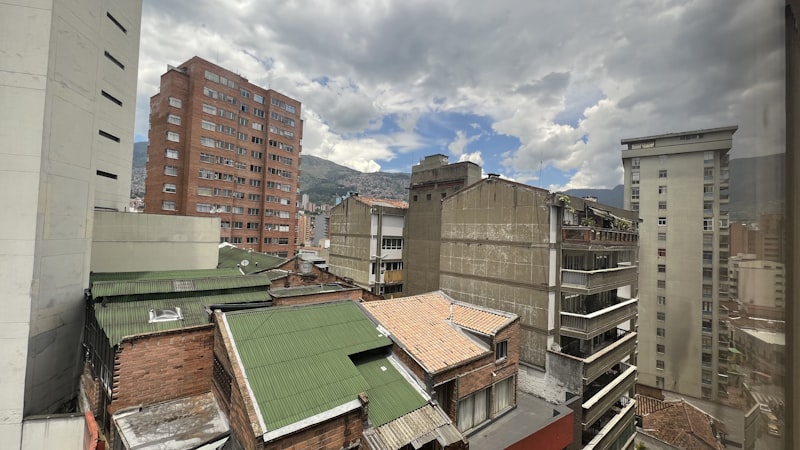
The reality: Museo de Antioquia sits in downtown centro—Medellín’s grittiest, most chaotic neighborhood despite ongoing revitalization. Inside museum: climate-controlled, security guards, curated experience, middle-class/tourist atmosphere. Outside museum: street vendors blocking sidewalks, aggressive panhandlers, pickpocket risk, informal economy visible everywhere, income disparity confronting, and aesthetic jarring (garbage, graffiti, crumbling buildings adjacent to renovated gems). Walking 5 blocks from museum to metro requires different awareness level than strolling El Poblado.
Common consequences: Tourists exit museum in art-appreciation daze, absentmindedly check phone on street for restaurant recommendations, become easy pickpocket target. Or wear expensive camera visibly while photographing architecture, attract unwanted attention. Or wander beyond safe 3-4 block museum radius into sketchy areas because they feel comfortable from museum visit. Downtown is safe for aware visitors but demands different precautions than touristy zones.
What to do instead: Before exiting museum, plan exact route to next destination (metro, restaurant, Cathedral, etc). Put phone and camera away before leaving building. Walk confidently and purposefully (not lost-tourist shuffle). Stick to main commercial streets (Carrera 52, Calle 51-52-53) where pedestrian traffic is dense. Visit daytime only (leave neighborhood before 5pm). Use metro rather than walking long distances through downtown. Avoid park benches and quiet corners where you’re isolated. Treat downtown like any major Latin American city center—moderate awareness, not paranoia, but definitely not museum-gallery complacency.
Safe radius from museum: Plaza Botero itself (police presence), Parque Berrio metro station (5 blocks), Metropolitan Cathedral (3 blocks), Parque de las Luces (2 blocks), and Plazuela San Ignacio (2 blocks). Beyond this, unless you know downtown well, return to museum area or metro.
5. Don’t Plan Full Day Around Museum Expecting All-Day Activity
The mistake: Blocking entire day for Museo de Antioquia assuming it’s scale comparable to major international museums requiring 4-6 hours minimum
The reality: Even thorough visit covering all floors, reading every label, and spending 45 minutes in Plaza Botero totals 3-3.5 hours maximum. This is excellent regional museum but compact—5,000 pieces sounds large until you realize only fraction are displayed simultaneously, Botero section (the attraction) occupies one floor, and remaining collections span single floor each. Unlike Louvre, Met, Prado, or other marathon museums where full day barely scratches surface, here you can genuinely see everything meaningful in one morning or afternoon.
Why guides misrepresent timing: They want attraction to seem substantial enough to justify dedicated trip. Implying full-day commitment makes museum feel major. But reality: 2-3 hours captures complete experience including plaza, and stretching beyond that creates diminishing returns as you run out of galleries and start repetitively circling floors you’ve seen.
What to do instead: Plan Museo de Antioquia as half-day anchor combined with other downtown experiences: museum morning + downtown lunch + Cathedral + metro to El Poblado afternoon. Or: Plaza Botero morning + museum midday + Comuna 13 afternoon. The museum works perfectly as 2-3 hour cultural centerpiece but fails when forced into full-day commitment it can’t sustain.
Combination strategies: Museum pairs naturally with: Parque de las Luces (contemporary public art, 2 blocks), Metropolitan Cathedral (Catedral Metropolitana, 3 blocks), traditional paisa lunch at downtown restaurant, Pueblito Paisa viewpoint (metro to Industriales station), or afternoon Comuna 13 (different cultural perspective). Any of these combinations creates satisfying full day without overstaying at museum.
6.
Historic architecture in downtown Medellín
Don’t Ignore the Colombian Art Sections Assuming Only Botero Matters
The mistake: Rushing through or skipping entirely the third and fourth floor galleries showing pre-Columbian artifacts, colonial art, and other Colombian artists, assuming Botero is sole reason to visit
The reality: While Botero is the draw, the Colombian art collection provides essential context transforming museum from “Botero shrine” to “Antioquia cultural history.” Pedro Nel Gómez murals (third floor) show social realism predating Botero’s satirical approach—powerful depictions of miners, laborers, and rural life executed with Diego Rivera-level skill. Débora Arango paintings challenged Colombian conservatism with nudes and political subjects scandalous for 1940s-50s Medellín—feminist precursor whose work was literally censored for decades. Pre-Columbian gallery (fourth floor) shows indigenous Zenú, Quimbaya, and other cultures predating Spanish conquest—connecting contemporary Medellín to deeper histories tourists typically miss.
Why visitors skip: They came for Botero (guidebook emphasis), feel time-constrained, perceive these galleries as “minor” compared to Botero’s fame, or simply follow crowd flow which clusters on second floor and bypasses upper levels. The works lack Instagram appeal of fat figures, so casual visitors ignore them entirely.
What to do instead: After Botero second-floor immersion, deliberately visit third and fourth floors spending genuine time (30-45 minutes combined). Read labels explaining each artist’s historical significance, observe how Colombian art evolved from colonial religious works through nationalist 19th century to social realism to contemporary. This progression illuminates why Botero’s international success mattered for Colombian culture and why Medellín citizens take such pride in “their” artist. The Colombian galleries transform museum visit from art tourism to cultural education.
Hidden gems: Look for: Francisco Antonio Cano’s “Horizontes” (iconic Colombian painting, 1913, showing colonist family contemplating Antioquia landscape), Pedro Nel Gómez “El Minero” series (miners in darkness, 1940s), Débora Arango “Masacre del 9 de Abril” (controversial political work), and Quimbaya gold pieces (pre-Columbian metalwork demonstrating sophistication predating European arrival).
🔑 Local Secret: Every first Wednesday of the month at 6:30pm, local artists and art students gather informally in the fourth-floor colonial gallery for “Miércoles del Museo”—unofficial discussion group analyzing that month’s featured Colombian artist, led by rotating volunteers (often art professors, independent curators, or advanced students) and completely free to anyone who shows up. This gathering receives zero official promotion from museum because it’s technically not museum-organized (grassroots initiative by Medellín art community tolerating by museum staff), so tourists never discover it despite being open to public participation. Conversations occur in Spanish (fluency required for meaningful participation) and often get quite heated—passionate debates about artistic merit, historical context, political implications, technique, and Colombian art canon. Attendance varies 8-25 people depending on featured artist’s popularity. If you speak Spanish conversationally and want to experience authentic Colombian intellectual culture rather than tourist-filtered version, showing up at 6:25pm and introducing yourself as interested visitor will get warm welcome—paisas love sharing their cultural perspectives with foreigners who make effort to engage genuinely. The discussion lasts 60-90 minutes, after which groups usually migrate to nearby café (Versalles, 3 blocks from museum) to continue conversation over tinto and pandebono. This single Wednesday evening transforms museum from solo tourist experience to cultural immersion with locals who actually think deeply about Colombian art. You’ll learn 10x more about Antioquia cultural identity in this informal gathering than from any guided museum tour, and you might make genuine Colombian friends in process. Check museum’s community bulletin board (fourth floor, near colonial gallery entrance) week before visiting to see if that month’s Miércoles is happening and which artist is featured—not every month occurs due to volunteer schedules, but majority do.
🔑 Local Secret: The museum guards know exactly when natural light is best for photographing specific Botero pieces, and if you ask politely in Spanish (“¿Cuál es la mejor hora para fotografiar este cuadro?”), they’ll tell you optimal times when sunlight through skylights or windows illuminates paintings without glare—information completely absent from any guidebook or museum materials. Most guards have worked museum for 5-10+ years, observing how light changes throughout day across seasons, and they genuinely appreciate visitors who care about quality photography rather than rushed phone snapshots. The Death of Pablo Escobar painting (most photographed piece in museum) looks completely different 10:30am (soft indirect light showing brushwork details) versus 2pm (harsh direct light creating reflections on varnish surface)—guards can predict this precisely. Similarly, Botero’s large-scale canvases on second floor benefit from late afternoon light (4-4:30pm, 30 minutes before closing) when setting sun through west-facing windows creates warm glow absent during midday hours. Guards also know which sculptures photograph best from which angles to avoid awkward shadows or background distractions—ask and they’ll position you exactly where professional museum photographers stand for catalog shots. This insider knowledge transforms photography from “took pictures at museum” to “captured artwork under optimal conditions,” and guards enjoy sharing expertise with visitors who approach respectfully. Best guards to ask are those stationed in second-floor Botero galleries (most experienced with lighting patterns) during weekday mornings (not rushed, willing to chat). Phrase request in Spanish if possible, show genuine interest in photography quality not just Instagram content, and thank them—this small courtesy often leads to additional tips about hidden details in paintings, Botero’s technique, or even other downtown photography locations. The difference in photo quality between following guard advice versus shooting randomly is dramatic, especially for pieces protected behind glass where glare becomes major issue. Locals who photograph museum for art publications or academic purposes always consult guards first, treating them as essential collaborators rather than mere security presence.
Walking from Plaza Botero: You arrive directly at museum location—23 bronze sculptures in plaza, museum entrance on plaza’s west side (large Art Deco building marked “Museo de Antioquia”).
Uber from El Poblado: Economical range, 15-20 minutes depending on traffic. Useful if combining with other downtown sights and want door-to-door transport. Driver drops you at Plaza Botero entrance.
Safety note: Metro is safest, most reliable option. Downtown streets busy and generally safe daytime, but avoid walking with phone/camera visible, stick to main commercial streets.
Start Plaza Botero outside (30-45 minutes, best morning light)
Enter museum, begin second floor Botero galleries (60-90 minutes)
Visit third floor (international + Colombian art, 30-45 minutes)
Fourth floor (pre-Columbian + colonial, 30 minutes if interested)
Rooftop terrace if you found it (10-15 minutes)
Museum shop (10 minutes browse Botero books/postcards/gifts)
Total: 2.5-3.5 hours comfortable pace
Floor-by-Floor Time Allocation Guide
Floor
What’s Here
Time Needed
Priority
Skip If…
Plaza Botero (Outside)
23 bronze sculptures, free public art
30-45 min
HIGH
Raining heavily, extreme heat midday
Ground Floor
Museum shop, café, temporary exhibitions, entrance
10-15 min
LOW
Just passing through to main galleries
Second Floor (Main)
119 Botero paintings & sculptures, chronological
60-90 min
ESSENTIAL
You dislike Botero style (but why visit?)
Third Floor
International collection (Picasso, Dalí, etc), Colombian artists (Pedro Nel Gómez, Débora Arango)
30-45 min
MEDIUM
Time limited, only want Botero
Fourth Floor
Pre-Columbian artifacts, colonial religious art, 19th century Antioqueño art
20-30 min
LOW-MEDIUM
Not interested in Colombian history beyond Botero
Rooftop Terrace (Hidden)
360° views, photography, cooling breeze
10-15 min
MEDIUM
You didn’t find the unmarked door
Minimum visit (1 hour): Plaza Botero + Second floor Botero highlights only Recommended visit (2.5 hours): All of above minus fourth floor Complete visit (3.5 hours): Everything including fourth floor and rooftop Extended visit (4+ hours): Add museum café lunch/break, extensive photography, or repeat favorite galleries
What to bring:
Museum admission fee (budget-friendly tier, bring cash or card)
Water bottle (museum prohibits drinks in galleries but café available)
Camera for Plaza Botero (photography allowed in museum, no flash)
Sunscreen and hat for plaza time (can get hot midday)
Light jacket (museum interior air-conditioned, can be cool)
What NOT needed:
Large bags (museum requires bag check, only small bags allowed in galleries)
Professional camera equipment (phone cameras perfectly adequate)
Packed lunch (no eating in museum, but downtown restaurants abundant)
Spanish phrasebook (labels mostly Spanish but Botero paintings visually self-evident)
Facilities:
Clean bathrooms (multiple locations across floors)
Café (ground floor, budget tier coffee/snacks)
Museum shop (Botero books, prints, postcards, Colombian crafts)
Bag check/lockers (mandatory for large bags, free)
Wheelchair accessible (elevator to all floors, though some galleries tight)
Museum Etiquette
No touching artwork (obvious but worth stating—no leaning on sculptures)
No flash photography (damages art, prohibited throughout)
No food or drinks in galleries (café and plaza available)
Keep voices low (respect others’ contemplation)
Supervise children (prevent running/touching)
No professional photoshoots without permission (personal photos fine)
Combining Museo de Antioquia with Other Activities
Natural pairings:
Downtown cultural morning: Plaza Botero + museum (2.5 hours), Parque de las Luces walk (15 minutes), Metropolitan Cathedral (30 minutes), traditional lunch at Mondongo’s or Hatoviejo (budget-mid tier). Total: half-day downtown cultural immersion.
Art and transformation: Museum morning, Comuna 13 graffiti tour afternoon (different artistic perspectives). Contrast fine art museum with street art community, understand Medellín’s evolution through dual lenses.
Complete downtown: Museum + Cathedral + Pueblito Paisa viewpoint + cable car to Santo Domingo. Full day showing downtown, colonial heritage, city views, and modern transport innovation.
Museum and metro exploration: After museum, ride metro to different neighborhoods observing city—Industriales (Nutibara Hill base), Universidad (botanical garden), Poblado (contrast with downtown). Use museum as downtown anchor for metro-based city tour.
Plaza Botero sunset: Visit museum midday, return to plaza 5-6pm for evening light photography and early dinner at downtown restaurant.
Bottom Line: Is Museo de Antioquia Worth Visiting?
Museo de Antioquia is absolutely worth visiting if you appreciate Botero’s distinctive style or want comprehensive Colombian art context, enjoy architecture and history, seek budget-friendly cultural activity, or need cultural anchor for downtown exploration—but skip it if Botero’s aesthetic doesn’t appeal, if you’re uncomfortable in downtown’s grittier environment, or if 2-3 hours at compact museum doesn’t match your activity preferences.
Visit Museo de Antioquia if:
Botero’s art genuinely interests you (museum is 80% Botero-focused)
Art museums generally appeal (you visit museums in other cities)
Colombian culture and history fascinate you beyond tourist activities
Architecture enthusiasts (1937 Art Deco building magnificent)
Photography interests include sculpture and plaza environments
Budget-conscious traveler wanting quality cultural experience affordable tier
Rainy day activity needed (museum indoor, climate-controlled)
Spanish language practice (labels mostly Spanish, good reading)
Skip Museo de Antioquia if:
Botero’s style doesn’t appeal after seeing images online
Art museums typically bore you (this won’t convert you)
Uncomfortable in downtown Medellín’s environment (legitimate concern)
Limited time and other activities interest you more
Prefer interactive/outdoor activities over contemplative museum
Traveling with young children (no kid-friendly elements)
Choose different activity if:
Want street art: Comuna 13 (graffiti, urban culture, transformation story)
Want nature: Arví Park (cloud forest hiking, cable car)
Want modern Colombian culture: El Poblado (restaurants, nightlife, contemporary)
Want views without museum: Pueblito Paisa (free viewpoint, replica village)
The honest assessment: Museo de Antioquia delivers exactly what it promises—world-class Botero collection in stunning architectural setting, comprehensive Colombian art context, and free Plaza Botero sculptures creating open-air gallery. But it’s compact 2-3 hour experience requiring genuine interest in Botero’s aesthetic and comfort navigating downtown environment. Whether this matches your interests versus other Medellín options depends entirely on how you actually feel about rotund bronze figures and exaggerated proportions.
What separates good from bad experiences: Visitors who love Botero’s work or Colombian art generally leave thrilled—they appreciate artistic quality, understand cultural significance, photograph extensively, and value accessible world-class collection. Visitors who visit because “guidebook said must-see” despite not caring about art leave underwhelmed—they walked through galleries thinking “I don’t get it,” felt downtown was sketchy, and wished they’d chosen different activity. The museum hasn’t failed; the visitor chose activity mismatched to interests.
Decision framework:
Do you actually enjoy art museums? Not “they’re okay” but “I actively seek them out”
Does Botero appeal after 5-minute online image search? If no, museum won’t convert you
Comfortable navigating gritty Latin American downtown? Museum is excellent but neighborhood requires awareness
Is 2-3 hours enough? If you need full-day activities, this won’t satisfy
What else competes for your time? Prioritize based on genuine interests not “must-see” lists
Museo de Antioquia is perfect for: art enthusiasts, Botero fans, Colombian culture seekers, architecture lovers, budget travelers, and downtown explorers. It’s wrong for: anti-Botero visitors, activity-focused travelers, those uncomfortable downtown, people expecting major international museum scale.
🎥 Botero & Plaza Botero
Official video from Museo de Antioquia about Botero’s sculptures in Plaza Botero:
📹 Official video by Museo de Antioquia
Frequently Asked Questions
How long does it take to visit Museo de Antioquia?
Visiting Museo de Antioquia takes 2-3 hours for most visitors to see all collections thoroughly—including Plaza Botero sculptures outside (30-45 minutes), main Botero galleries (60-90 minutes), and remaining Colombian/international collections (30-45 minutes). Attempting to extend beyond 3.5 hours creates diminishing returns as museum is compact despite quality.
Minimum visit: 1 hour if seeing only Botero highlights and plaza. This covers famous pieces (Death of Pablo Escobar painting, main sculptures both indoor and outdoor) but feels rushed and misses context. Only recommended if extremely time-constrained or using museum as brief cultural stop between other downtown activities.
Recommended visit: 2-2.5 hours arriving 10-10:30am. Spend 30-45 minutes in Plaza Botero photographing sculptures and absorbing plaza atmosphere, 60-75 minutes on second floor appreciating full Botero collection chronologically, 30 minutes on third floor seeing international works and Colombian artists (Pedro Nel Gómez, Débora Arango), brief fourth floor visit (pre-Columbian and colonial, 15-20 minutes), and 10 minutes museum shop. This pace allows proper appreciation without rushing or lingering past interest.
Extended visit: 3-3.5 hours maximum for serious art enthusiasts, Spanish readers wanting to read every label thoroughly, or photographers shooting extensive gallery documentation. Beyond this you’re repeating floors or sitting in café having exhausted galleries.
Why not longer: Unlike marathon museums (Louvre, Met, Prado) requiring multiple days to see everything, Museo de Antioquia is excellent regional museum but deliberately focused—Botero collection occupies one floor, other collections combined occupy two floors, and rotating exhibitions (when present) add maybe 20-30 minutes. You can genuinely see every displayed artwork, read associated labels, and photograph favorites within 3 hours normal museum pace.
Plaza Botero alone: If skipping museum interior (free plaza versus paid admission), budget 30-45 minutes for 23 sculptures—walking full circuit, photographing from various angles, observing how locals interact with art, and perhaps buying tinto from plaza vendors while people-watching.
Combination timing: Museum pairs naturally with downtown lunch and Cathedral creating half-day cultural downtown experience (total 4-5 hours including metro travel from El Poblado). Or museum morning + Comuna 13 afternoon creates full-day cultural itinerary contrasting fine art with street art.
Travel time consideration: Add metro transit from El Poblado (25-30 minutes each way including walk to/from stations). Total commitment including transport: 3.5-4.5 hours start to finish. This is manageable morning or afternoon block, not all-day investment like major international museums.
Museo de Antioquia admission is budget-friendly tier for adults (pricing comparable to coffee and pastry at mid-range café), with discounts for students, seniors, and children, and completely free entry every last Sunday of the month. Plaza Botero’s 23 sculptures outside are always free with no admission required.
Admission tiers: Adults pay budget-friendly tier, students with valid ID pay roughly 50% less, seniors (60+) receive similar discount, children under 12 typically free or minimal cost. Foreign tourists pay same as Colombian residents (no tourist upcharge). Pricing subject to change so check current rates, but museum deliberately maintains affordable access as cultural mission.
Free Sundays: Last Sunday of every month, museum offers free admission to all visitors regardless of age or status. This creates predictably crowded conditions (expect 2-3x normal visitor numbers, longer wait times, noisier galleries), but if budget is extremely tight the free option exists. Arrive exactly at 10am opening to maximize quiet time before crowds peak.
What’s included: Admission covers all permanent collections (Botero galleries, international works, Colombian art, pre-Columbian artifacts, colonial pieces) plus any temporary exhibitions currently displayed. No additional charges for different floors or special galleries—single admission grants complete museum access.
Plaza Botero (free always): The 23 monumental bronze sculptures in plaza outside museum are public art accessible 24/7 without any fee. Many visitors photograph plaza sculptures and skip museum interior entirely, getting partial Botero experience at zero cost. This is legitimate strategy if budget is tight or art museums don’t normally appeal.
Additional costs: Museum café sells coffee/snacks at budget tier (optional), museum shop stocks Botero books/prints/gifts at range budget to mid-tier (optional), and lockers for large bags are free. Essentially museum admission is only required expense.
Budget comparison: Museo de Antioquia costs less than many Medellín paid activities: Comuna 13 tours (budget-mid tier), paragliding (premium tier), day trips to Guatapé (mid tier with tour), even some restaurants in El Poblado (mid-premium tier per person). For cultural experience of this quality, admission represents exceptional value.
Total visit cost reality: Museum admission (budget-friendly tier) + metro round-trip from Poblado (budget tier) + optional café drink (budget tier) = total spending budget to mid-budget range maximum. This makes museum one of Medellín’s most economical quality cultural activities, especially compared to tour-based or transportation-intensive options.
Skip admission, see plaza free: If museum admission doesn’t fit budget or art museums don’t interest you, spending 30 minutes in Plaza Botero photographing free sculptures provides taste of Botero’s work and Medellín’s downtown energy without any cost. Combine with free Cathedral visit (3 blocks), free Parque de las Luces walk (2 blocks), and budget-tier lunch at Mondongo’s for complete downtown cultural day at minimal expense.
Is Museo de Antioquia safe to visit?
Yes, Museo de Antioquia is completely safe inside the museum building and generally safe in immediate plaza area during daytime with normal urban precautions—security guards throughout museum, police presence in Plaza Botero, and thousands of daily visitors create safe environment. However downtown Medellín surrounding museum requires more awareness than El Poblado tourist zone.
Inside museum (very safe): Professional security guards on every floor, bag checks at entrance, climate-controlled environment, middle-class Colombian and tourist crowd creating comfortable atmosphere. Zero safety concerns once inside building—same security level as any international museum. Valuable belongings (bags, cameras) are safe to carry in galleries under normal care.
Plaza Botero (generally safe daytime): Police officers patrol plaza consistently during day (9am-6pm), heavy pedestrian traffic provides natural safety through crowds, and plaza’s tourist importance means city prioritizes security presence. Pickpocketing risk exists (crowded plaza creates opportunities) but violent crime extremely rare daytime. Keep phone/wallet secure, don’t leave bags unattended, photograph sculptures with normal awareness.
Surrounding downtown (requires awareness): Blocks beyond immediate museum/plaza area show typical Latin American downtown characteristics—informal vendors, panhandlers, some street people, visible poverty, occasional sketchy corners. This isn’t dangerous but demands different mindset than El Poblado. Don’t flash expensive cameras, avoid pulling out phone constantly, walk purposefully, stick to main commercial streets (Carrera 52, Calle 51-53), and visit daytime only (leave downtown before 5-6pm).
What safety precautions: Take metro rather than walking long distances through downtown, keep camera in bag between photo opportunities rather than hanging visibly on neck, don’t wear expensive jewelry, carry only day’s cash plus one card (leave passport/extra cards at hotel), walk confidently avoiding lost-tourist shuffle, and trust instincts (if corner/street feels uncomfortable, turn back to busier area).
Time of day matters: Museum area very safe 9am-5pm when businesses open, workers commute, tourists visit, and police patrol actively. After 5-6pm downtown empties quickly (commercial district, not residential), changing atmosphere significantly. Evening visits not recommended for tourists—even if museum hosts evening event, leave immediately after rather than exploring neighborhood at night.
Safe radius: Plaza Botero itself, Parque Berrío metro station (5 blocks), Metropolitan Cathedral (3 blocks), Parque de las Luces (2 blocks), and main commercial streets connecting these. This creates safe 4-5 block circuit for museum visitors. Beyond this zone, unless you know downtown well or traveling with locals, return to museum area or metro rather than wandering.
Metro safety: Medellín metro is safe, clean, efficient transport throughout day. Guards present, cameras monitoring, middle-class ridership, and tourist-friendly signage make it safer than downtown street walking for longer distances. Use metro to reach museum, return to Poblado immediately after visiting rather than extended downtown exploration on foot.
Realistic perspective: Thousands of tourists visit Museo de Antioquia weekly without incident. Downtown Medellín is not dangerous for aware visitors during daytime—it’s working commercial district with normal urban environment. Problems arise when tourists treat it like El Poblado (careless phone use, wandering aimlessly, evening visits) rather than applying sensible city precautions. Museum visit itself carries essentially zero safety risk; getting there and navigating surroundings just requires moderate awareness.
Can you visit Plaza Botero without going to the museum?
Yes absolutely—Plaza Botero’s 23 bronze sculptures are free public art accessible 24/7 without museum admission, and many visitors photograph sculptures then skip museum interior entirely, getting substantial Botero experience at zero cost. Plaza and museum are separate experiences that complement but don’t require each other.
What plaza offers independently: 23 monumental Botero bronzes (some 3+ meters tall) including iconic pieces like Fat Horse, Reclining Woman, Roman Soldier, Man on Horse, plus various rotund figures signature to his style. These aren’t lesser works displayed outside while “important” pieces hide indoors—they’re major sculptures Botero specifically created for public plaza setting, donated 2000 to transform downtown.
Plaza-only strategy: Spend 30-45 minutes walking circuit of all 23 sculptures, photographing from various angles (morning light 9-11am best), observing how locals interact (kids climbing despite signs, tourists posing, vendors selling near sculptures), and experiencing art in natural urban context rather than gallery white-box. Then leave downtown having seen Botero’s work without museum admission cost or time commitment.
Why this works: Botero designed these sculptures for plaza specifically—outdoor bronze, monumental scale, public interaction all create different experience than indoor gallery paintings/sculptures. The plaza context (1920s-1930s architecture, Andean mountains backdrop, busy Latin American urban energy, vendors and street life) adds layers impossible in climate-controlled museum. Some visitors find plaza sculptures MORE memorable than indoor collection because of this environmental integration.
What you miss skipping museum: 119 Botero paintings and indoor sculptures showing full chronological development (plaza gives one moment, museum shows career evolution), international collection he donated (Impressionists, modernists, surrealists providing context), other Colombian artists (Pedro Nel Gómez, Débora Arango), and Art Deco building architecture itself. Plaza shows Botero’s monumental public style; museum shows intimate easel works, drawing technique, subject matter range, and artistic influences.
Best of both: Start with free plaza sculptures spending quality time (30-45 minutes). If Botero’s aesthetic strongly appeals and you want deeper engagement, pay museum admission and continue inside. If plaza sculptures don’t resonate or you’re satisfied with outdoor experience, skip museum and continue downtown exploration (Cathedral, Parque de las Luces) or return to El Poblado having seen Medellín’s most famous public art free.
Photography considerations: Plaza sculptures are Instagram/photography gold—dramatically scaled, bronze patina beautiful in natural light, mountains backdrop available from certain angles, and you can photograph from all sides including close-ups impossible with indoor art. Many photographers visit plaza specifically for this unrestricted shooting access versus museum’s no-flash, distanced-viewing constraints.
Local use of plaza: Medellín residents treat Plaza Botero as public gathering space (lunch breaks, meeting friends, casual hangout) not just art venue. Experiencing art in this lived-in context where locals climb sculptures despite museum guards’ protests, vendors sell tintos between bronzes, and shoes-shiners work under Fat Horse shows Botero integrated into daily life versus museum reverence. This social dimension exists only in plaza, never in gallery.
Budget strategy: If funds are limited, prioritize free Plaza Botero over paid museum, using savings for other Medellín experiences (Comuna 13, cable car, meal at nice restaurant). You’ve still “done Botero” and seen downtown art landmark without admission cost. Reserve museum for potential return visit or rainy day when outdoor plaza is less pleasant.
Is photography allowed inside Museo de Antioquia?
Yes, photography is allowed inside Museo de Antioquia for personal use without flash—you can photograph paintings, sculptures, architecture, and galleries using cameras or phones as long as flash is disabled. Professional photography sessions or commercial shoots require advance permission and may incur fees.
Photography rules: No flash (damages artwork, prohibited throughout museum), no tripods or professional lighting equipment without permission, no touching artwork while positioning for photos, and respectful distance from pieces (don’t block other visitors). Phone cameras and standard point-and-shoot cameras welcome for personal documentation and social media sharing.
Best photography opportunities inside: Botero paintings on second floor (iconic pieces like Death of Pablo Escobar, The Presidential Family create dramatic shots), sculpture gallery showing three-dimensional Botero works from multiple angles, Art Deco architectural details (marble staircases, wrought-iron railings, original 1937 mosaics), and skylight areas where natural light illuminates galleries beautifully. International collection on third floor also photogenic though typically less Instagram-popular than Botero works.
Plaza Botero photography (outside, unlimited): The 23 bronze sculptures in plaza outside museum offer completely unrestricted photography—shoot from any angle, use flash if desired, employ professional equipment, climb near (not on) sculptures for creative perspectives, and photograph with mountains backdrop visible from certain positions. Plaza photography is unlimited personal or commercial use, making it more flexible than indoor museum.
Instagram strategy: Most visitors photograph Plaza Botero sculptures outside (free, unrestricted, dramatic scale, natural light) for social media, then photograph select Botero paintings inside museum (Death of Pablo Escobar most popular, Presidential Family second) plus one architectural detail shot (main staircase from below looking up at skylight). This creates varied gallery showing both monumental public art and intimate museum pieces.
Professional photographers: If shooting for publication, commercial use, or with professional equipment beyond standard camera, contact museum advance (email or phone) to arrange permission and understand any fees. Personal photography including high-quality cameras for personal portfolio or blog is permitted without special permission as long as no tripods/lighting used.
Respectful photography etiquette: Don’t block other visitors while composing shots (step aside, take quick photo, move on), avoid flash even if camera defaults to it (manually disable), don’t touch or lean on artwork for selfies, and keep voices low while photographing (museum is contemplative space, not photo studio). Guards will remind you politely if photography becomes disruptive.
What you cannot photograph: Temporary exhibitions sometimes prohibit photography (check signage at exhibition entrance), and certain loaned works from other institutions may restrict photography. These restrictions are clearly marked; when in doubt, ask guard before photographing.
What is the best day to visit Museo de Antioquia?
Tuesday through Thursday mornings (10-11:30am) are the best times to visit Museo de Antioquia—weekday timing avoids weekend family crowds and school groups, morning hours provide quietest galleries before midday rush, and Tuesday-Thursday specifically avoid Monday (some temporary exhibitions closed for maintenance) and Friday (locals starting weekend visits early).
Why weekday mornings optimal: Museum opens 10am and first 90 minutes (10-11:30am) see lightest visitor traffic—mostly serious art enthusiasts, international tourists on structured itineraries, and occasional Colombian professionals taking morning off. This creates peaceful contemplative atmosphere where you can stand before paintings as long as desired, read labels without crowding, and experience museum as designed rather than navigate tourist chaos.
Days to avoid: Saturday and Sunday afternoons (1-4pm) transform museum into crowded, noisy environment dominated by families with children, school groups on weekend field trips, and tour groups clustering at famous pieces. Weekend mornings slightly better but still significantly busier than weekdays. Last Sunday of month (free admission) creates maximum crowds—avoid unless budget extremely tight and you accept crowded trade-off.
Seasonal considerations: December-January (Christmas vacation, summer break in Colombia) and June-July (mid-year school vacation) see elevated visitor numbers even on weekdays as families and school groups dominate. March-May and August-October offer quietest periods with normal weekday rhythms and minimal tour group presence.
Time of day strategy: Arrive exactly at 10am opening for emptiest galleries (30-60 minutes of near-private museum experience before crowds build), or visit 4-5pm late afternoon when most visitors have left but museum still open until 5:30pm. Avoid midday (12-2pm) when downtown office workers visit on lunch breaks and tour groups schedule between morning and afternoon activities.
Free Sunday trade-off: Last Sunday each month offers free admission but creates crowds 2-3x normal levels—worth it only if budget is extremely tight and you accept noisy galleries, longer wait times at famous pieces, and general crowded atmosphere. If you can afford budget-tier admission, paying for weekday visit delivers vastly superior experience.
Downtown context timing: Visit museum before 3pm to ensure comfortable metro return to Poblado while downtown still busy (safety in numbers). Staying until 5:30pm closing means leaving museum as downtown empties for evening—still safe but less comfortable than departing during busy afternoon hours.
Combo visit timing: Plan museum for morning (10am-1pm), pair with downtown lunch at traditional restaurant (Mondongo’s, Hatoviejo budget-mid tier), then visit Metropolitan Cathedral (15 minutes walk, 30-minute visit) or return to Poblado for afternoon rest. This creates ideal half-day downtown cultural experience without overstaying in centro.
Are guided tours available at Museo de Antioquia?
Yes, Museo de Antioquia offers guided tours in Spanish included with admission, and private tours in English can be arranged with advance booking—group tours in Spanish run multiple times daily at no extra charge (check schedule at entrance), while English-language tours require reservation minimum 48 hours ahead and may incur additional fee depending on group size.
Included Spanish tours: Free guided tours in Spanish typically run 11am and 3pm daily (confirm current schedule at entrance desk), lasting 60-75 minutes covering Botero highlights, Colombian art context, building history, and major international pieces. Tours are first-come first-served, no reservation needed—simply arrive 10 minutes before tour time and join group at entrance. Group size varies 8-20 people depending on day and season.
English private tours: English-language tours must be arranged in advance via museum website, email, or phone call—museum maintains list of bilingual guides (independent contractors, not staff) who can be hired for private tours. Cost varies group size but typically budget-mid tier range for 1-4 people, mid-tier for larger groups. Book minimum 48 hours ahead, ideally one week for high season (December-January, June-July).
Tour value assessment: Guided tours significantly enhance experience if you: have limited art history background (guide provides essential context for Botero’s style, Colombian art evolution, and international influences), want insider stories about Botero’s Medellín connection and donation, or prefer structured interpretation over self-guided wandering. Skip tours if you: prefer contemplating art at your own pace without group schedule, have art history knowledge making basic explanations redundant, or speak minimal Spanish (included tours are Spanish-only).
Self-guided alternative: Museum provides excellent label copy in Spanish (some English) throughout galleries, and free brochure at entrance includes floor map and collection highlights. Audio guides not currently offered (as of 2026) but smartphone with data connection allows independent research while viewing. Many visitors find self-guided approach equally satisfying given clear labeling and Botero’s visually self-evident style.
Tour group considerations: If joining included Spanish tour, arrive early to secure spot (tours sometimes fill during high season weekends), bring notepad if you want to remember specific artist names or historical dates mentioned, and be prepared for 60-75 minute commitment moving at group pace rather than individual preference. Tours cover highlights efficiently but don’t allow extended contemplation of individual pieces.
External tour companies: Some Medellín walking tour companies (Free Walking Tour Medellín, Real City Tours) offer downtown cultural tours including Museum de Antioquia plus Plaza Botero, Cathedral, and centro historic context. These provide broader downtown experience than museum-only tour but less depth on specific artworks. Cost typically budget-mid tier including museum admission.
DIY preparation: If visiting self-guided, spend 15 minutes before trip reading about Fernando Botero (Wikipedia sufficient for basic biography and style context), and review museum’s online collection highlights to identify pieces you most want to see. This minimal preparation creates informed visit without guided tour expense or schedule constraints.
Can you bring food or drinks into Museo de Antioquia?
No, food and drinks are not allowed inside Museo de Antioquia galleries—museum prohibits eating and drinking in exhibition spaces to protect artwork from spills and crumbs, though sealed water bottles in bags are typically permitted. Museum café on ground floor serves coffee, snacks, and light meals if you need refreshment during visit.
What you cannot bring: Open food containers, beverages (coffee, juice, soda), snacks, unwrapped items, or anything that could potentially spill or create crumbs near artwork. Large backpacks and bags must be checked at entrance (free lockers provided), and bag check staff will identify any prohibited items before storing your belongings.
What you can bring: Sealed water bottle inside small personal bag (purse, small daypack) is usually fine—guards don’t typically enforce this strictly as long as bottle remains closed and inside bag while in galleries. If you need to drink water, step outside galleries to lobby area or museum café. Prescription medications and necessary medical items obviously permitted.
Museum café option: Ground floor houses small café serving Colombian coffee (tinto, cappuccino budget tier), pastries, sandwiches, and light meals at budget to mid-budget prices. Café tables are outside gallery spaces, allowing you to take break during museum visit without leaving building. Quality is decent if unremarkable—standard museum café fare rather than destination dining.
Eating strategy before/after: Most visitors either eat lunch before museum visit (arrive 1-2pm after downtown lunch at traditional restaurant), or visit museum morning then lunch afterward. Downtown near Plaza Botero offers many budget-friendly options: Mondongo’s (traditional paisa food, budget tier, 2 blocks), Hatoviejo (upscale Colombian, mid tier, 3 blocks), or countless casual spots serving menu del día (budget tier, lunch special).
Plaza Botero picnic option: While you cannot eat inside museum, Plaza Botero outside is public space where eating is allowed—some budget travelers buy empanadas or fruit from street vendors and eat on plaza benches between sculptures. This isn’t prohibited though plaza lacks ideal picnic atmosphere (busy, vendors approaching, no grass/peaceful setting). Better to eat at nearby restaurant then visit plaza and museum.
Hydration note: Downtown Medellín is hot especially midday, and museum interior while air-conditioned can still feel warm when crowded. Drink water before entering museum, keep sealed bottle in bag if needed, and take water break at café or lobby if visiting during hot afternoon. Dehydration makes museum visit uncomfortable—stay properly hydrated.
Children considerations: If visiting with young children who need snacks, plan museum visit around their meal schedule (post-breakfast morning visit, or post-lunch afternoon) so 2-3 hour museum duration doesn’t coincide with hungry period. Museum café can provide emergency snacks if children become hungry mid-visit, though better to time visit when they’re fed and comfortable.