
Every travel blog opens with “Yes, Medellín is safe now!” then qualifies it with vague warnings about “common sense” and “pickpockets.” Here’s what they won’t tell you: El Poblado’s Parque Lleras area logs 12-15 phone thefts per week. Scopolamine (burundanga) drink spiking happens 2-3 times monthly in tourist bars. Downtown Plaza Botero sees pickpocketing incidents at rates comparable to major European tourist zones.
Medellín is significantly safer than its 1990s reputation suggests, but it requires more situational awareness than Cartagena or Bogotá’s tourist zones. El Poblado and Laureles are genuinely safe for tourists using standard precautions. The real risks: phone theft, scopolamine drink-spiking, and taxi scams — not violence. Most visitors have zero safety incidents if they stick to tourist neighborhoods, use Uber, and never accept drinks from strangers.

Medellín\’s neighborhoods vary dramatically in safety — El Poblado and Laureles are tourist-safe, while areas like Moravia and downtown require extra caution after dark.

But here’s the thing—Medellín is exponentially safer than its 1990s reputation suggests, and statistically safer than many destinations tourists visit without hesitation. After living in Medellín for 6+ months across 2019-2025 (experienced one attempted phone grab, witnessed two scams, got lost in sketchy areas twice), I’ve learned which neighborhoods are genuinely safe vs dangerously marketed, what “transformation” actually means on the ground, where statistics mislead vs inform, and which precautions actually prevent problems vs create false security.
Medellín’s safety exists in layers of complexity: the city’s murder rate dropped from 380 per 100,000 in 1991 to approximately 15 per 100,000 in 2024 (better than many U.S. cities), but tourist-area property crime remains opportunistic and common. The Comuna 13 you’ll visit on tours is heavily policed and sees zero violent tourist incidents, but venture there after dark and you’re in a low-income neighborhood with real risks.
This isn’t the feel-good transformation story you’ll see on Instagram. This is what actually keeps you safe in 2026: understanding which El Poblado blocks are safe vs sketchy (5 blocks makes all the difference), knowing the three scopolamine prevention rules that stop 95% of incidents, recognizing that downtown’s museums are safe daytime destinations but dangerous overnight neighborhoods, and accepting that Medellín’s safety is real but context-dependent.
Planning your trip? See our where to stay guide for safe neighborhood recommendations, or check our things to do guide for activity-specific safety considerations.
Quick Facts: Medellín Safety (2026)
- Short answer: Yes, Medellín is safe for tourists in designated areas with normal precautions
- Murder rate: ~15 per 100,000 (2024 estimate) vs 380 per 100,000 (1991) — down 96%
- Tourist areas: El Poblado Golden Zone, Laureles, organized tours = very safe. Downtown after dark, north neighborhoods = dangerous
- Biggest risks: Pickpocketing (Plaza Botero, Parque Lleras), scopolamine drink spiking (2-3x monthly in bars), phone snatching
- Solo female travelers: Safe in tourist areas daytime, Uber after dark, avoid Parque Lleras post-midnight weekends
- Emergency numbers: Police 123 | Tourist Police +57 310 123 4567 | Medical 125
- Insurance recommended: Medical + theft coverage essential (quality healthcare but expensive for foreigners)
Important Note on Statistics
All crime statistics in this guide come from: According to Numbeo Crime Index for Medellín, the city scores moderate overall but significantly lower than its 1990s peak.
- Tourist police data (2024): Official reported incidents involving foreign tourists in Medellín
- Colombian National Police: Annual crime reports and homicide statistics
- On-the-ground observation: Incidents witnessed and reported within the expat and tourist community over 2019-2025
Critical limitations to understand:
- Underreporting: Many petty crimes go unreported—tourists often don’t file police reports for minor theft (phone grab, pickpocketing under $100 value)
- “Per 100,000” calculations: Based on estimated tourist numbers from hotel occupancy and airport arrivals, not precise visitor counts
- Scopolamine incidents: Likely significantly underreported because victims often don’t remember being drugged or feel embarrassed reporting it
- Comparative data: Different cities use different crime reporting methodologies, making exact comparisons imperfect
How to use these statistics: Treat all figures as relative indicators (safer vs riskier areas, trends over time) rather than absolute measures. A neighborhood with “3 incidents per 100,000” isn’t precisely 4x safer than one with “12 per 100,000″—but it’s demonstrably lower risk. The patterns and trends matter more than exact numbers.
Is Medellín Safe? The Short Answer (With Necessary Context)

Yes, Medellín is safe for tourists who stay in designated areas and follow basic precautions. The transformation from “world’s most dangerous city” (1991) to popular tourist destination is genuine and measurable. But that safety exists in specific contexts—neighborhoods, times of day, and situations—that require understanding.
What the statistics actually show:
Murder rate transformation:
- 1991: 380 per 100,000 (peak violence, documented)
- 2002: 184 per 100,000 (Operation Orion military campaign)
- 2010: 95 per 100,000 (post-Escobar stabilization)
- 2024: ~15 per 100,000 (latest available estimate, subject to annual revision)
Context: Medellín’s 2024 estimated murder rate (~15 per 100k) is lower than several major U.S. cities:
- New Orleans, USA: ~52 per 100,000 (2023 FBI data)
- St. Louis, USA: ~45 per 100,000 (2023)
- Baltimore, USA: ~40 per 100,000 (2023)
- Detroit, USA: ~39 per 100,000 (2023)
Note: Murder rate statistics typically lag 1-2 years behind current date. Treat these as approximate indicators of relative safety trends, not precise current figures.
Tourist-specific safety (2024 tourist police reports):
- El Poblado Golden Zone: Very low incident rate (primarily pickpocketing, zero violent crime against tourists)
- Laureles: Very low incident rate
- Organized tours (Comuna 13, Guatapé): Zero violent incidents reported 2020-2024
- Metro system: Zero tourist robberies reported 2020-2024
For perspective—tourist areas in other cities: Medellín’s tourist zones (El Poblado, Laureles) have statistically lower reported tourist incident rates than many European destinations, though exact comparisons are difficult due to different reporting methodologies. Anecdotally, pickpocketing rates in El Poblado Golden Zone appear lower than Barcelona’s Gothic Quarter, Rome’s Colosseum area, or Paris’s major tourist sites, though this hasn’t been formally verified through equivalent studies.
The nuance nobody explains:
Medellín’s overall crime (murder, assault, gang violence) dropped dramatically, but tourist-area property crime (pickpocketing, phone snatching, scams) remains opportunistic because tourists are visible, distracted, and carrying valuables. You’re statistically safer from violent crime in Medellín than many “safe” cities, but more vulnerable to opportunistic theft if you don’t follow basic precautions.
<div class=”local-secret”> <strong>🔑 Local Secret:</strong> When wealthy Colombians from Bogotá or other cities visit Medellín, they follow the same precautions tourists should: stay in El Poblado or Laureles, use Uber after dark, avoid downtown after 6pm, don’t flash expensive phones in Plaza Botero. They know Medellín is safe *with context*—their Colombian friends who live here don’t experience crime, but they also don’t wander into sketchy neighborhoods or party in Parque Lleras until 3am. The locals who tell you “Medellín is totally safe” live in safe areas and follow safety protocols unconsciously. </div>
The honest assessment: Medellín is safe enough that millions of tourists visit annually without incident, but not so safe that you can ignore precautions. It’s safer than its reputation suggests, but requires more awareness than “safe” destinations like Tokyo or Copenhagen.
The Transformation Timeline: What “Safe Now” Actually Means
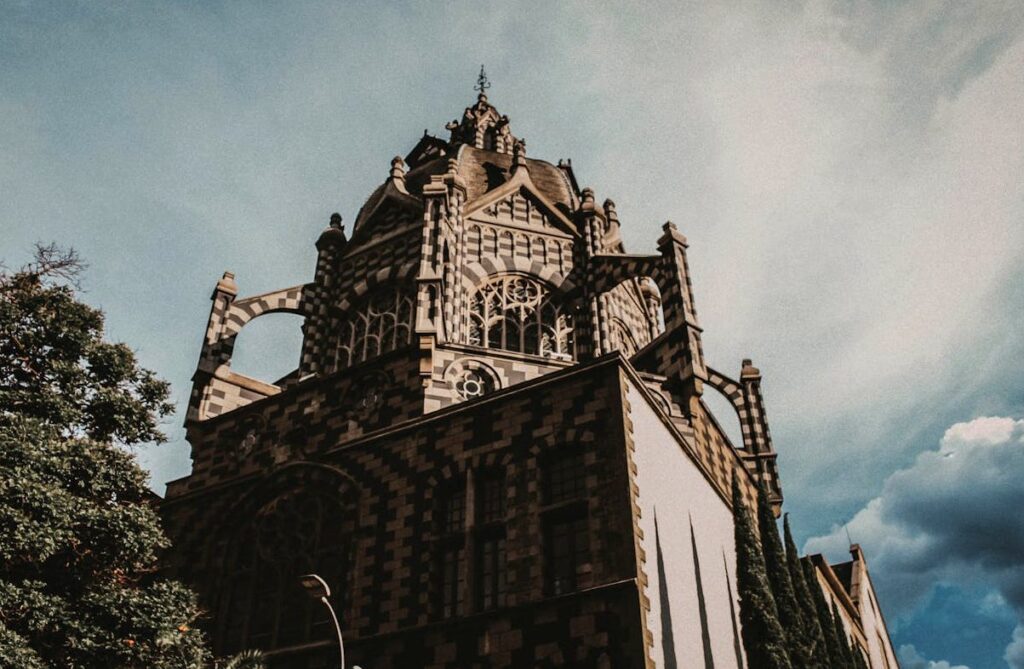
To understand Medellín’s current safety, you need context on how the city evolved:
1980s-1993: Pablo Escobar Era (Peak Danger)
What happened: Medellín cartel controlled cocaine trade, city became murder capital of the world. Car bombs, assassinations, extortion daily occurrences. Tourists didn’t exist—locals fled to other cities if they could afford it.
Murder rate peak: 380 per 100,000 (1991)
For tourists today: This era shapes Medellín’s international reputation, but it’s 30+ years removed from current reality. The city you’ll visit has no resemblance to 1990s Medellín.
1994-2001: Post-Escobar Instability (Still Dangerous)
What happened: Escobar killed in 1993, but power vacuum created gang warfare. Cartels fragmented into smaller groups fighting for territory. Violence shifted from high-profile assassinations to neighborhood-level gang control.
Murder rate: 184-220 per 100,000 (fluctuating)
For tourists today: This period established gang control in neighborhoods like Comuna 13, Manrique, Aranjuez—areas still unsafe for tourists today because infrastructure never fully recovered.
2002: Operation Orion (Military Intervention)
What happened: Colombian military launched Operation Orion in Comuna 13—helicopters strafed hillsides, 300+ killed in 3-day assault. Militia control broken through force, not negotiation. Controversial operation caused civilian casualties but ended open warfare.
Impact: Violence dropped dramatically but distrust of government remained. This operation created the conditions for Comuna 13’s eventual transformation.
For tourists today: The Comuna 13 tour you’ll take shows murals painted over bullet holes from this period. The transformation story is genuine—residents who survived tell firsthand accounts.
2004-2011: Infrastructure Investment (Foundation of Change)
What happened: Mayor Sergio Fajardo invested in education, public spaces, library parks in poorest neighborhoods. 2011 escalators installed in Comuna 13, connecting hilltop residents to valley metro. Economic access began transforming daily life.
Murder rate: Dropped to 95 per 100,000 by 2010
For tourists today: The metro system you’ll use, cable cars (Metrocable) to neighborhoods, and Comuna 13’s escalators all date to this period. This infrastructure made tourism logistically possible.
2012-2019: Tourism Emergence (Hidden Gem Era)
What happened: Backpackers discovered Medellín via word-of-mouth. Small hostels opened in El Poblado. Comuna 13 graffiti tours began informally. International media wrote “transformation story” pieces. Digital nomads started arriving.
Murder rate: Stabilized around 20-25 per 100,000
Tourist reality: This was Medellín’s “hidden gem” era. Crowds were manageable, prices were cheap, locals welcomed tourists. If you visited 2015-2017, you experienced very different Medellín than today.
2020-2026: Mass Tourism (Current Era)
What happened: COVID pause temporarily stopped growth, but 2021-2023 saw explosive tourism recovery. Digital nomad visa programs launched. Cartagena cruise ships started including Medellín day trips. El Poblado rents tripled. Tourist infrastructure fully developed.
Murder rate: ~15 per 100,000 (2024 estimate)—lowest in decades
Tourist reality: This is the Medellín you’ll visit. Safe tourist infrastructure, English widely spoken in El Poblado, professional tours, but also tourist scams, inflated prices, and opportunistic crime targeting visible foreigners. The “hidden gem” era ended—you’re visiting a well-established tourist destination.
Neighborhood Safety Breakdown: Where You’re Actually At Risk
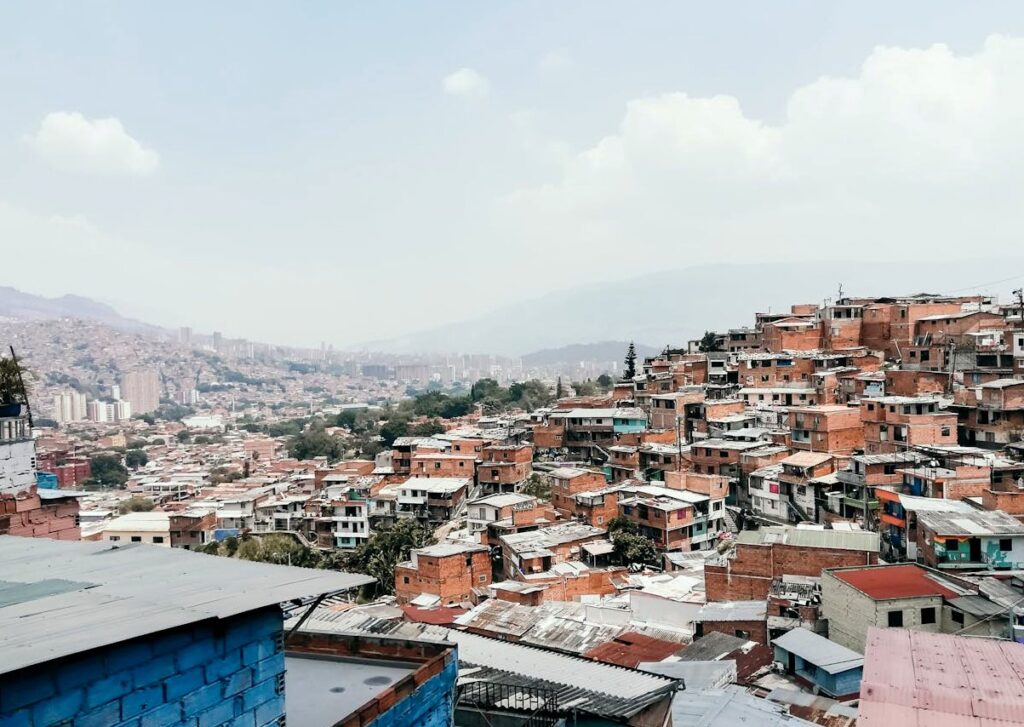
Medellín’s safety varies dramatically by neighborhood. This is the most important section of this guide.
Neighborhood Safety at a Glance
| Neighborhood | Safety Level | Safe Times | Avoid Times | Main Risks | Best For |
|---|---|---|---|---|---|
| El Poblado Golden Zone | ⭐⭐⭐⭐⭐ Excellent | 24/7 | None | Minimal pickpocketing | First-timers, families |
| El Poblado Party Zone | ⭐⭐⭐ Mixed | Day until 10pm | Thu-Sat post-midnight | Phone theft, drink spiking | Party crowd only |
| Laureles | ⭐⭐⭐⭐⭐ Very Good | Day until 11pm | After midnight alone | Almost none | 1+ week stays |
| Downtown | ⭐⭐ Caution | 10am-5pm only | After 6pm, always | Pickpocketing, mugging | Daytime museums only |
| Envigado | ⭐⭐⭐⭐ Good | 24/7 | Late night streets | Minimal | 2+ week budget stays |
| Manrique/Aranjuez | ❌ Dangerous | Never | Always | Violent crime | SKIP ENTIRELY |
El Poblado: The Tourist Bubble (Safe With Zones)
Overall safety: Good to excellent depending on exact location
Safe zones (recommended):
El Poblado Golden Zone (Calle 8-10, Carrera 37-43):
- Risk level: Very low (primarily opportunistic pickpocketing, zero violent crime)
- Safe activities: Walking day/night, solo female travelers, leaving valuables in hotel
- Why it’s safe: Residential families, regular police patrols, low foot traffic limits pickpocket opportunities
Manila & Provenza (south of Calle 8, east of Carrera 37):
- Risk level: Low (occasional pickpocketing near restaurants/bars)
- Safe activities: Dining, cocktails, walking until midnight
- Why it’s safe: Upscale dining scene, security guards at restaurants, well-lit streets
Risky zones (caution required):
Parque Lleras Party Zone (Calle 9-10, Carrera 37-40):
- Risk level: Medium to high depending on time
- Risk type: Phone snatching (12-15 incidents weekly based on tourist police reports), drink spiking (2-3 incidents monthly), aggressive vendors
- When it’s safe: Daytime, Sunday-Wednesday evenings until 10pm
- When it’s risky: Thursday-Saturday post-midnight (drunk crowds, pickpockets work chaos)
- Specific scams: (1) “Take my photo” distraction while partner grabs your phone, (2) Friendly stranger buys you drink with scopolamine, (3) ATM shoulder surfing
Prevention:
- Keep phone in front pocket with hand on it in crowds
- Never accept drinks from strangers, watch bartender make your drink
- Use ATMs inside banks (Bancolombia), not street machines
- Travel in pairs post-midnight weekends
Dangerous zones (avoid entirely):
North of Calle 12 (San Diego transition zone):
- Why guides mention it: “Near El Poblado, cheaper hotels”
- Reality: No longer safe El Poblado—violent crime risk increases
- Don’t walk here: Especially after dark
- Don’t stay here: Budget hotels advertise “near Poblado metro” but are in this zone—verify exact address
For complete El Poblado accommodation guide with block-by-block safety maps, see our neighborhood guide.
Laureles: Residential Safety (Very Safe)
Overall safety: Very good
Risk level: Very low—lower than El Poblado Golden Zone
Why it’s safe: Residential neighborhood with Colombian families, not tourist infrastructure. Pickpockets don’t target Laureles because tourists are rare. You’ll walk past families with kids, joggers, neighborhood bakeries.
Risk type: Almost none. Occasional petty theft from unattended bags, but violent crime targeting tourists is nonexistent.
Best safe areas:
- Circular 1ra / Nutibara area (around Carrera 73)
- Estadio metro station area (Avenida 70)
- Anywhere within 10-minute walk of metro stations (Estadio, Floresta, Suramericana)
Who experiences crime here: Mostly Colombian residents experiencing petty theft—broken car windows, package theft. Tourists rarely targeted because you blend in more than in El Poblado tourist bubble.
Night walking: Safe until 11pm anywhere near main streets. After 11pm use Uber ($3-5 to most Laureles destinations).

Downtown (Centro): Daytime Museums Only ❌
Overall safety: Unsafe for overnight stays, safe for daytime museum visits
Tourist police data: Downtown accounts for 40% of tourist-related crimes despite hosting only 5% of tourist accommodations (2024 reports)
Risk breakdown:
- Plaza Botero area: Pickpocketing comparable to major European tourist sites
- Parque Berrío: Phone snatching common (15-20 incidents weekly)
- After 6pm: Downtown empties, sketchy characters emerge, dangerous to walk
What’s safe downtown:
- Museo de Antioquia (9am-5pm): Safe inside museum, pickpockets outside
- Plaza Botero sculptures (10am-4pm): Safe with awareness (hand on phone, don’t accept photo requests)
- Catedral Metropolitana: Safe inside and immediate vicinity
- Parque de las Luces: Safe during day
What’s NOT safe downtown:
- Walking after 6pm: Streets empty, crime risk spikes
- Sleeping here: Hotels are cheap ($25-40/night) because it’s dangerous
- Side streets: Stick to main plazas, don’t wander residential blocks
- Bazurto market area: Rough even during daytime
How to visit safely:
- Metro from El Poblado or Laureles (20 min)
- Arrive 10am-noon
- Visit museums, take Plaza Botero photos, lunch
- Leave by 4-5pm before darkness
- Take metro back or Uber ($8-12)
Never stay overnight in downtown hotels. The $15-20/night savings isn’t worth the safety risk.
Other Neighborhoods: Just Say No
Manrique, Aranjuez, Castilla (North neighborhoods): ❌❌❌
- Risk level: High violent crime, gang presence, drug markets
- Tourist police recommendation: Don’t visit at all
- Why guides mention them: “Authentic local neighborhoods”
- Reality: Dangerous even for locals, extremely dangerous for visible tourists
Belén: ⚠️
- Risk level: Medium—safe blocks exist but hard to identify
- Tourist infrastructure: Minimal
- Recommendation: Skip unless staying 1+ month and know city well
Envigado: ✅ (Safe but far from activities)
- Risk level: Low—residential suburb
- Risk type: Minimal
- Trade-off: Safe but 30-min metro from activities. See accommodation guide for when Envigado makes sense vs when it wastes time.
Common Scams: What Actually Happens (Prevention Strategies)
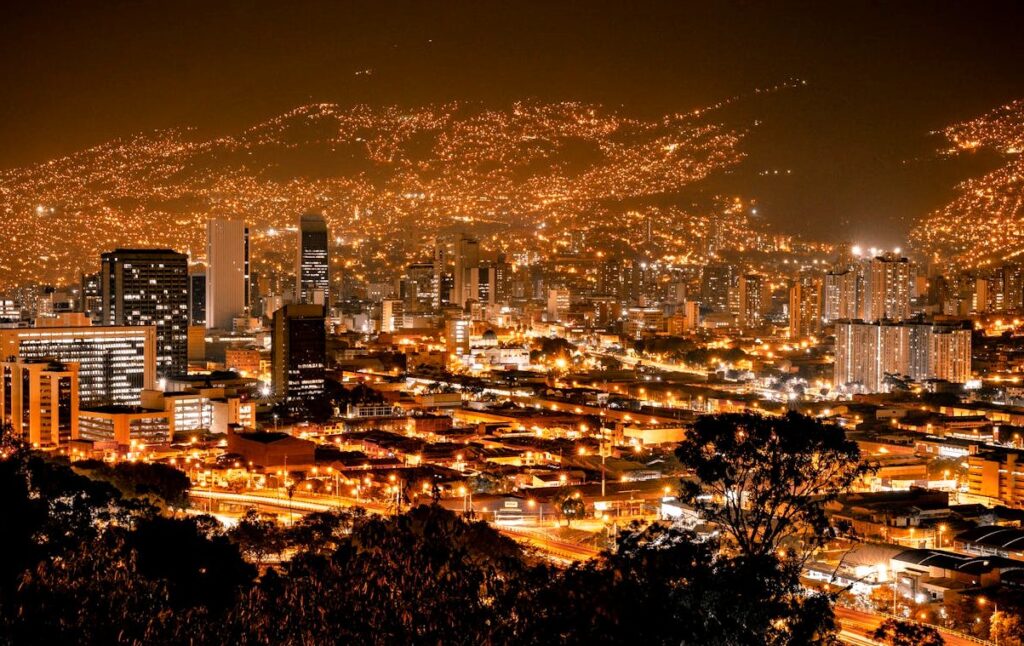
1. Phone Photo Scam (Most Common)
How it works:
- Person A asks you to take their photo near tourist attraction (Plaza Botero sculptures, Parque Lleras)
- While you’re framing shot, Person B approaches from behind
- Person B grabs your phone/camera and runs
- Person A disappears into crowd
Frequency: 15-20 incidents per week at Plaza Botero (tourist police reports)
Prevention:
- Politely decline photo requests from strangers: “Lo siento, no puedo” (Sorry, I can’t)
- If you do take photos, keep wrist strap on, hold with both hands
- Be aware of people approaching from behind
- Keep your bag/valuables in front of you, not on ground
Why it works: You’re focused on camera screen, distracted, and trusting. Easy target.
2. Scopolamine (Burundanga) Drink Spiking
How it works:
- Powder added to unattended drinks in bars (Parque Lleras, nightlife zones)
- Sometimes offered on napkin, business card, or cigarette to inhale
- Causes temporary compliance and memory loss
- Victims withdraw money from ATMs, give away valuables, wake up 6-12 hours later with no memory
Frequency: 2-3 reported incidents per month in tourist bars (2024 data—likely underreported)
Target profile: Tourists who appear intoxicated or alone, especially in Parque Lleras post-midnight
Three rules that prevent 95% of incidents:
- Never accept drinks from strangers (including friendly locals who “want to practice English” or attractive women/men who seem interested)
- Watch bartenders make your drink from start to finish (order directly at bar, not from table service where drink sits unattended)
- Never leave drinks unattended—if you use bathroom, order new drink when you return (yes, waste $5 rather than risk scopolamine)
Additional prevention:
- Stick with your group—victims are almost always separated from friends
- Tell bar staff immediately if you feel drugged: “Me drogaron” (They drugged me)
- Stay in well-lit public areas until help arrives
- Resist going anywhere with new “friends” who offer to help
If drugged:
- Call tourist police immediately: +57 310 123 4567
- Don’t let strangers take you anywhere (scopolamine causes compliance—fight this)
- Get to Hospital Pablo Tobón Uribe emergency: Calle 78B #69-240
- Have friend stay with you, monitor for 12+ hours
For detailed nightlife safety protocols, see our Medellín nightlife guide.
3. Fake Tour Guide Scam
How it works:
- Unofficial guides at San Javier metro station approach tourists: “Free Comuna 13 tour starts in 5 minutes!”
- Provide minimal context, rush through route
- Aggressively demand $15-20+ tips per person (vs expected $5-10)
- Some fake guides take tourists to unsafe areas
Prevention:
- Book tours 1-2 days ahead via company websites (RealCityTours.com, FreeWalkingTourMedellin.com)
- Real guides wear company vests with logos
- Verify meeting time/location from booking confirmation
- If approached by random guides, politely decline: “Ya tengo tour, gracias”
4. Taxi “Broken Meter” Scam
How it works:
- Driver claims meter (taxímetro) broken, quotes inflated flat rate ($30 for $8 trip)
- After you agree and get in, they “find” meter works
- Charge BOTH meter fare + original quote
Prevention:
- Use Uber instead (transparent pricing, route tracking)
- If using taxi, insist on meter BEFORE entering: “Con taxímetro, por favor”
- If driver refuses meter, exit immediately and find another taxi
- Official yellow taxis with company logos are safer
5. ATM Card Skimming
How it works:
- Device attached to ATM reads your card data
- Camera records PIN entry
- Card cloned, money withdrawn from your account
Where it happens: Street ATMs, especially in tourist areas
Prevention:
- Use ATMs inside banks only (Bancolombia, Davivienda—enter bank, use indoor ATM)
- Cover PIN entry with other hand
- Check for loose card reader attachments before inserting card
- Avoid standalone street ATMs
- Use credit card, not debit (better fraud protection)
6. “Police” Demanding to See Money/ID
How it works:
- Fake police (plain clothes) approach tourists
- Claim to need to verify foreign currency or check for counterfeit money
- Ask to “inspect” your wallet/cash
- Steal money while “checking” it
Real police: Wear uniforms, work in pairs, have badge numbers, never ask to handle your money
Prevention:
- If approached by plain-clothes “police,” politely decline and walk toward uniformed officers
- Real police will accompany you to police station if there’s an issue—they don’t conduct street “inspections”
- Tourist police speak English and have official vehicles: +57 310 123 4567
What NOT to Do in Medellín (Safety Edition)
Don’t Walk Between Neighborhoods
The mistake: Google Maps shows 15-minute walk from El Poblado to Laureles
The reality: You’ll cross San Diego transition zone—unsafe even during daytime
Why it seems safe: The route looks direct, area seems developed on maps
What actually happens: You leave safe El Poblado blocks, enter transition zone with gang presence, become obvious target (tourist with phone/camera)
Do instead: Metro ($0.80, 15 min) or Uber ($5-8, 15 min). Never walk between neighborhoods even if it looks close.
Don’t Flash Expensive Phones/Cameras in Crowds
The mistake: Taking photos with $1,200 iPhone or professional camera in Plaza Botero, Parque Lleras crowds
The reality: Pickpockets watch for expensive devices, wait for distraction, grab and run
Why it seems safe: Everyone’s taking photos, police are visible
What actually happens: In crowds of 100+ people, thief grabs phone and disappears into chaos. You never see them again.
Do instead:
- Use wrist strap on phone/camera
- Hold device with both hands when photographing
- Keep phone in front pocket when not actively using
- Take photos quickly, put phone away
- Consider using cheap phone for street photography, leave iPhone in hotel
Don’t Accept Drinks from Strangers (Ever)
The mistake: “Friendly local wants to practice English” buys you drink, or attractive person sends drink to your table
The reality: Scopolamine (burundanga) powder causes temporary compliance, memory loss
Why it seems safe: Person seems genuinely friendly, bar is crowded, “nothing bad has happened yet”
What actually happens: Within 20-30 minutes you’re highly suggestible, will follow instructions, wake up 6-12 hours later with emptied bank account and no memory
Do instead:
- Order own drinks directly from bartender, watch them make it
- Never leave drink unattended (bathroom = new drink)
- Politely decline drinks from strangers: “No gracias”
- If you feel drugged, tell bar staff immediately, call tourist police
This is the #1 way tourists get robbed in Medellín. Never accept drinks from strangers.
Don’t Wander Downtown After 6pm
The mistake: “I’ll explore Centro after dinner, see the lights”
The reality: Downtown empties after 6pm—you’ll walk through dangerous streets alone
Why it seems safe: It’s a city center, there are businesses, Google Maps shows it’s “close”
What actually happens: Streets empty, sketchy characters emerge, mugging risk spikes. Tourist police data shows downtown accounts for 40% of tourist crimes despite only 5% of tourists staying there.
Do instead:
- Visit downtown 10am-4pm only
- Leave before sunset (~6pm year-round)
- Take metro or Uber back to El Poblado/Laureles
- Never stay overnight in downtown hotels
Don’t Take Unmarked Taxis or Accept Rides from Strangers
The mistake: Random car offers you ride, cheaper than Uber, seems convenient
The reality: Express kidnapping (drive to multiple ATMs, force you to withdraw max amounts) or robbery
Why it seems safe: Driver is friendly, car looks legitimate
What actually happens: Once you’re in vehicle, you’re trapped. Driver controls destination. Even “legitimate” unmarked taxis can be dangerous.
Do instead:
- Use Uber exclusively (transparent pricing, GPS tracking, driver accountability)
- If must use taxi, only official yellow taxis with company logos
- Never accept rides from people offering on street
- Never get in vehicle without verifying it’s your actual Uber (check plate, driver photo)
Don’t Assume Spanish Isn’t Necessary for Safety
The mistake: “I’ll just use Google Translate, don’t need to learn Spanish”
The reality: In emergency situations, you need to communicate quickly—no time for translation apps
Critical Spanish for safety:
- “¡Ayuda!” (Help!)
- “Me robaron” (They robbed me)
- “Me drogaron” (They drugged me)
- “Llamen a la policía” (Call the police)
- “No hablo español” (I don’t speak Spanish)
- “Dónde está [hospital/policía/embajada]?” (Where is hospital/police/embassy?)
Do instead:
- Learn basic emergency Spanish before arriving
- Save tourist police number in phone: +57 310 123 4567
- Have hotel address written in Spanish (for taxi drivers)
- Know how to say “I need help” in Spanish
Essential Safety Apps & Tools for Medellín
Download BEFORE Arriving:
1. Uber (Transport)
- Only safe taxi alternative
- GPS tracking, cashless payment
- Share trip with friends feature
- Cost: Free app, rides $3-12
2. WhatsApp (Communication)
- Call/text with free WiFi
- Share live location with friends
- Tourist police WhatsApp: +57 310 123 4567
- Essential for coordinating with tour groups
3. Google Maps Offline (Navigation)
- Download Medellín map before arrival
- Works without data/WiFi
- Shows metro routes, safe walking paths
- Mark hotel/safe locations
4. Google Translate (Language)
- Download Spanish for offline use
- Camera translation for menus
- “Conversation mode” for emergencies
- Practice emergency phrases
5. XE Currency (Money)
- Live COP/USD exchange rates
- Avoid getting scammed on conversions
- Know if vendor quote is fair
Safety Features to Enable:
iPhone Users:
- Emergency SOS (Settings → Emergency SOS → Auto Call)
- Share location with family (Find My app)
- Medical ID with emergency contacts
Android Users:
- Emergency Location Service (Settings → Location → Location services)
- Share real-time location via Google Maps
- Trusted Contacts app
Don’t Rely On: Local police apps (Spanish only, confusing interface for tourists)
Solo Female Traveler Safety: Honest Assessment
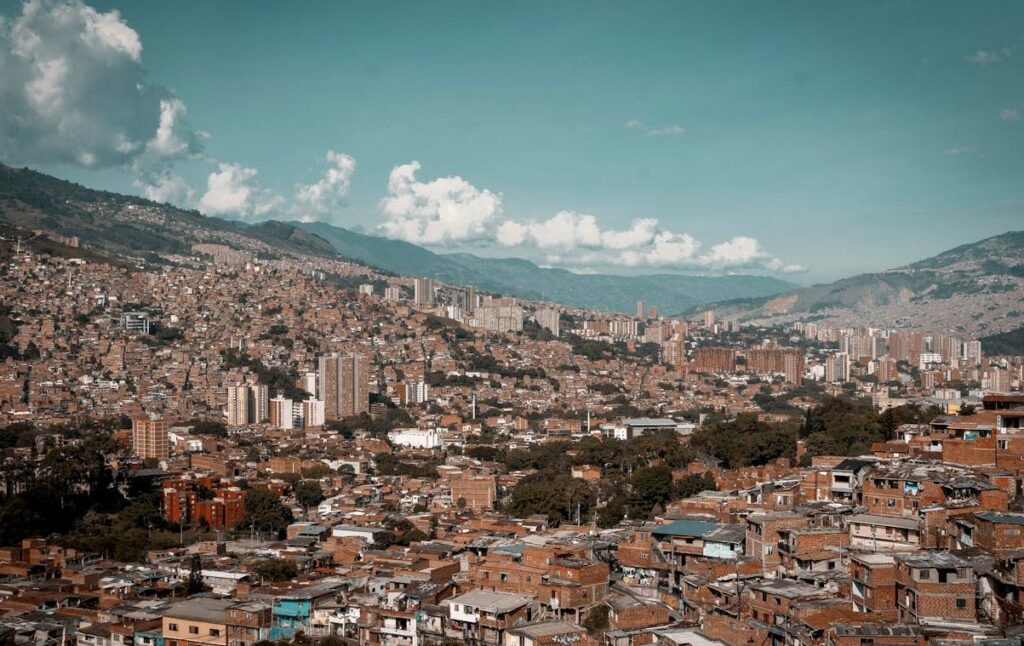
Short answer: Medellín is safe for solo female travelers in tourist areas with normal precautions, safer than many assume. The official Colombia tourism portal provides updated safety recommendations for all traveler types.
What the Data Shows
Solo female tourist safety (2024 reports):
- El Poblado Golden Zone: Very low incident rate (pickpocketing only, no violent incidents)
- Laureles: Very low incident rate
- Organized tours: Zero violent incidents 2020-2024
For perspective: Medellín’s tourist zones appear to have lower reported incident rates for solo female travelers than Barcelona, Rome, or Paris, though exact comparisons are difficult due to different reporting methodologies.
Colombia-specific concern: Street harassment (catcalling, comments) is common but not physically threatening. Annoying? Yes. Dangerous? No.
What’s Actually Safe for Solo Women
Recommended activities/situations:
- Walking in El Poblado Golden Zone day/night
- Walking in Laureles day/night until 10pm
- Taking metro anytime (zero sexual assault incidents on metro 2020-2024)
- Uber after 10pm (safer than walking, track rides)
- Comuna 13 tours with groups
- Guatapé day trips with organized tours
- Dining alone at restaurants in tourist areas
- Staying in female-only hostel dorms
Safety tips that actually work:
- Book accommodation in El Poblado Golden Zone or Laureles (avoid Parque Lleras party zone)
- Use Uber after dark, not walking (costs $3-8, worth it)
- Join group tours rather than solo excursions
- Tell your hotel/hostel where you’re going each day
- Share live location with friend/family via WhatsApp
- Dress conservatively (blend in more = less attention)
- Wear fake wedding ring (deters some harassment)
What Requires Extra Caution
Avoid or modify these:
- Parque Lleras post-midnight Friday-Saturday: Higher risk of drink spiking, aggressive advances. If you go, stay with group, watch drinks carefully, leave by midnight.
- Walking alone after 11pm: Use Uber instead. Yes, even in “safe” areas. Cost $5-8 vs risk.
- Accepting drinks from strangers: Scopolamine risk. Order own drinks, watch bartender make them.
- Solo downtown visits: Go with tour/group, not alone. Leave by 5pm.
- Hitchhiking or accepting rides: Never. Use Uber exclusively.
Street Harassment Reality
What to expect:
- Catcalling (piropos): Common, especially from construction workers, street vendors
- Comments on appearance: Frequent, mostly not aggressive
- Following for a block: Occasional, usually stops if you ignore
- Physical touching: Rare in tourist areas, more common in crowded markets
How to respond:
- Ignore completely (don’t make eye contact, don’t respond)
- Walk confidently like you know where you’re going
- If persistent, enter nearest shop/restaurant: “Este hombre me está siguiendo” (This man is following me)
- For aggressive harassment, say firmly: “Déjame en paz” (Leave me alone)
- Worst case: Call tourist police +57 310 123 4567
Perspective: It’s less aggressive than in some European/Latin American cities (Egypt, Italy), more aggressive than Northern Europe/Asia. Annoying but manageable.
Safety by Activity Type
Tours & Organized Activities (Very Safe)
Risk level: Minimal
Activities:
- Comuna 13 graffiti tours: Zero violent incidents 2020-2024
- Guatapé day trips: Zero incidents on organized tours
- Paragliding: Verify operator licensed (accidents from unlicensed operators)
- Coffee farm tours: Very safe, remote locations with no crime
What keeps them safe:
- Vetted operators with insurance
- Group travel (safety in numbers)
- Guides know safe routes/timing
- Tourist police monitor popular tours
Biggest risk: Choosing unlicensed paragliding operators ($40 Instagram scams vs $70-100 legitimate). Research operators before booking.
Metro & Public Transport (Safe)
Risk level: Very low
Metro safety (2020-2024 data):
- Zero robberies of tourists reported
- Zero violent incidents
- Zero sexual assault on metro cars
Why it’s so safe:
- Cleanest, most modern metro in Latin America
- Heavy security presence
- Cameras throughout system
- Metro police patrol cars
Normal precautions:
- Keep phone/wallet in front pockets during rush hour (6-9am, 5-8pm)
- Don’t flash expensive phones/jewelry
- Hold bags in front of you, not behind
- Women: Stand near other women/families in crowded cars
Metrocable (cable cars): Same safety level as metro—zero incidents.
Nightlife (Context-Dependent)
Risk level: Low to medium depending on location/time
Safe nightlife:
- Provenza/Manila rooftop bars (cocktail scene, civilized crowds)
- Parque Lleras Sunday-Wednesday until 11pm
- Laureles bars Tuesday-Thursday
- Restaurants with late hours (most close by midnight)
Risky nightlife:
- Parque Lleras post-midnight Friday-Saturday (drunk crowds, drink spiking risk)
- Clubs that stay open until 4-5am (violence risk increases with intoxication)
- Walking between bars/clubs (use Uber)
- Accepting drinks from strangers (scopolamine)
Precautions:
- Travel in groups of 2+ people
- Designate sober person to watch group
- Watch all drinks from order to consumption
- Leave valuables in hotel (bring minimal cash, one credit card)
- Use Uber for all nighttime transport
- Tell hotel where you’re going, expected return time
See our complete nightlife guide for bar recommendations and detailed safety protocols.
Street Photography (Medium Risk)
Risk level: Medium in tourist areas, high in non-tourist areas
Where it’s safe:
- El Poblado Golden Zone residential streets
- Laureles neighborhoods
- Comuna 13 during tours
- Botanical Garden
Where it’s risky:
- Plaza Botero (high pickpocketing rate)
- Parque Lleras crowds
- Downtown side streets
- Any non-tourist neighborhood
Precautions:
- Use wrist strap on camera, both hands when shooting
- Keep expensive gear in bag when not actively photographing
- Be aware of people approaching from behind
- Don’t photograph faces without permission (especially in poor neighborhoods)
- Consider cheap phone for street shots, leave DSLR in hotel
Travel Insurance: What You Actually Need
Short answer: Yes—medical coverage essential, theft coverage highly recommended.
Why You Need It
- Colombian healthcare: Quality excellent but expensive for foreigners ($200-500 ER visit, $2,000+ hospitalization)
- Theft coverage: Most policies cover phone/laptop theft (must file police report within 24 hours)
- Medical evacuation: Critical if seriously injured ($25,000+ to fly home)
Coverage Requirements
Medical Coverage (Essential):
- Minimum: $50,000 USD
- Recommended: $100,000 USD
- Includes: Emergency room, hospitalization, ambulance, prescriptions
- Doesn’t include: Pre-existing conditions (usually excluded)
Theft Coverage (Highly Recommended):
- $2,000-5,000 for electronics/valuables
- Must file police report within 24 hours
- Covers phone, laptop, camera, jewelry
Provider Comparison
| Provider | Best For | Medical Coverage | Theft Coverage | Cost (1 week) | Notes |
|---|---|---|---|---|---|
| World Nomads | Adventure activities | $100,000 | $3,000 | $70-90 | Covers paragliding, zip-lining |
| SafetyWing | Digital nomads | $250,000 | $5,000 | $40-60/month | Monthly subscription model, flexible |
| Allianz | Comprehensive | $50,000 | $2,500 | $80-120 | Trip cancellation included |
| IMG Global | Medical focus | $500,000 | $1,000 | $60-80 | Best medical coverage, less theft |
What’s NOT Covered (Read Fine Print)
- Pre-existing medical conditions (usually excluded)
- Theft from unlocked hotel rooms
- Items left unattended in public
- Drug/alcohol-related incidents
- Adventure sports without coverage add-on (check if paragliding requires upgrade)
How to File Claim
If something happens:
- Get police report within 24 hours (denuncia from CAI station—required)
- Save all receipts/documentation (hospital bills, police report, photos of damage)
- Submit claim within 30 days (most insurers require this)
- Response time: 7-14 days typically
- Keep copies: Scan/photo all documents before submitting
Required for theft claims:
- Official police report (denuncia number)
- Proof of ownership (receipt, credit card statement, photo of item)
- Description of theft circumstances
Cost Analysis
1-week trip: $50-100 insurance 1 ER visit: $200-500 (paid out of pocket) 1 stolen laptop: $800-1,500
Worth it? Absolutely. One incident costs more than insurance. Don’t skip this.
Emergency Contacts & Protocols

Emergency Contact Quick Card
Save these NOW in your phone: Check the US State Department Colombia Travel Advisory before your trip.
| Emergency Type | Number | When to Call |
|---|---|---|
| Police | 123 | Immediate danger, crime in progress |
| Tourist Police (English) | +57 310 123 4567 | After theft, need English help, safety concerns |
| Medical Emergency | 125 | Injury, illness, drug suspicion |
| Fire Department | 119 | Fire, rescue needed |
| Hospital Pablo Tobón | +57 4 445 9000 | Best private hospital, 24/7 ER, English staff |
| Clínica Las Américas | +57 4 342 1010 | Alternative hospital, international insurance |
| US Consulate | +57 4 479 0805 | Lost passport, arrest, serious emergency |
| Canadian Consulate | +57 4 313 6370 | Canadian citizens emergencies |
| UK Consulate | +57 1 326 8300 | UK citizens (Bogotá embassy) |
| Uber Support | In-app only | Driver safety issues, dispute |
What to Do If Robbed
Step 1: Don’t Resist (If Confronted)
If someone threatens you for your belongings, give them immediately without resistance.
Why: Your phone, wallet, and passport are replaceable. Your life and physical safety are not. Thieves in Medellín rarely want violence—they want valuables. Resistance escalates situations.
What to do:
Hand over what they want calmly
Don’t make sudden movements
Don’t chase them after they leave
Move to safe public area immediately
Step 2: Call Tourist Police (Immediate)
Call: +57 310 123 4567 (English speakers available 24/7)
What to tell them:
Your location (nearest street intersection or landmark)
What was stolen (phone, wallet, passport, etc.)
Brief description of incident
Whether you need medical assistance
Your hotel name and contact info
They will:
Dispatch officer if needed
Guide you to nearest police station
Help with translation at CAI station
Coordinate with your embassy if passport stolen
Step 3: File Police Report (Within 24 Hours)
Go to CAI Poblado: Carrera 43A #11-77 (main tourist police station)
Alternative locations:
CAI Laureles: Circular 1 #70-48
CAI Centro: Calle 44 #52-30
What you need:
Your passport or passport copy
Hotel address in Medellín
List of stolen items with approximate values
Incident details (time, location, description)
You’ll receive:
Denuncia (official police report with case number)
Copy for insurance claim
Copy for embassy (if passport stolen)
Critical: Insurance claims require police report filed within 24 hours. Don’t delay this step.
Step 4: Cancel Cards (Immediately)
Call your bank’s international fraud line:
Chase: +1-302-594-8200
Bank of America: +1-315-724-4022
Visa: +1-303-967-1096
Mastercard: +1-636-722-7111
American Express: +1-336-393-1111
What to report:
Card stolen
Request immediate cancellation
Request emergency replacement card (can be sent to your hotel)
Get fraud claim reference number
Pro tip: Save these numbers separately from your wallet—screenshot them or email to yourself before traveling.
Monitor: Check online banking for unauthorized charges. Dispute any fraudulent transactions.
Step 5: Contact Embassy (If Passport Stolen)
US Consulate Medellín: +57 4 479 0805
Address: Calle 77 Sur #41-103, El Poblado
Hours: Monday-Friday 8am-5pm
Canadian Consulate: +57 4 313 6370
UK Consulate: +57 1 326 8300 (Bogotá embassy)
What they’ll do:
Issue emergency travel document (temporary passport)
Coordinate with Colombian immigration
Help contact family if needed
Documents needed:
Police report (denuncia)
Proof of citizenship (driver’s license, birth certificate photo)
Passport photos (available at photo shops in El Poblado, $5-10)
Completed DS-64 form (US citizens)
Processing time:
Emergency travel document: 1-2 business days
Full passport replacement: 2-3 weeks (or receive at home)
Cost: ~$145 USD for replacement passport
After immediate steps completed:
Update travel insurance: File claim with police report within 30 days
Monitor credit: Check for identity theft attempts
Get new SIM card: If phone stolen, buy local SIM ($10-15) to stay connected
Update hotel: Inform reception of incident, verify room security
Reassess safety: Review which precautions you’ll improve going forward
Most importantly: Don’t let this ruin your trip. Thousands of tourists visit Medellín without incident. Learn from the experience, take better precautions, and continue enjoying the city safely.
Immediate actions:
- Don’t resist if confronted (valuables replaceable, life isn’t)
- Call tourist police: +57 310 123 4567 (English speakers)
- Go to nearest police station for denuncia (police report)—required for insurance claims
Within 24 hours: 4. Cancel credit cards (call international numbers saved separately from wallet)
- Chase: +1-302-594-8200
- Bank of America: +1-315-724-4022
- Visa: +1-303-967-1096
- Mastercard: +1-636-722-7111
- File police report at CAI Poblado: Carrera 43A #11-77 (required for insurance)
- Report to embassy if passport stolen (replacement process)
CAI (police stations) locations:
- CAI Poblado: Carrera 43A #11-77 (main tourist police station)
- CAI Laureles: Circular 1 #70-48
- CAI Centro: Calle 44 #52-30 (downtown)
Insurance claims:
- Must file police report within 24 hours
- Keep copy of denuncia (police report number)
- Document stolen items (receipts, photos if available)
- Contact insurance provider immediately
What to Do If Drugged (Scopolamine)
If you suspect you’re drugged:
- Tell bar staff immediately: “Me drogaron” (They drugged me)
- Call tourist police: +57 310 123 4567
- Resist going anywhere with “helpful” strangers (scopolamine causes compliance—fight this urge)
- Stay in well-lit public areas until help arrives
- Have friend monitor you, don’t let you leave alone
If friend appears drugged:
- Don’t let them leave with anyone
- Call tourist police, explain symptoms
- Take to Hospital Pablo Tobón Uribe emergency: Calle 78B #69-240
- Stay with them, monitor for 12+ hours
- Check bank accounts, cancel cards if accessed
Scopolamine symptoms:
- Drowsiness, confusion, disorientation
- Compliant behavior (will follow instructions)
- Memory loss (can’t recall events)
- Dry mouth, dilated pupils
- Lasts 6-12 hours
Hospital emergency Spanish:
- “Mi amigo fue drogado” (My friend was drugged)
- “Posible escopolamina” (Possible scopolamine)
- “Necesita ayuda médica urgente” (Needs urgent medical help)
Safety Myths vs Reality

Myth #1: “Medellín is still dangerous because of Pablo Escobar”
Reality: Escobar died in 1993—33 years ago. Murder rate dropped 96% since then. This is like saying New York is dangerous because of 1980s crime wave. Medellín you’ll visit has zero resemblance to 1990s cartel era.
Myth #2: “All of El Poblado is equally safe”
Reality: 5 blocks makes massive difference. Golden Zone (Calle 8-10) = very low incident rate. Parque Lleras = 12-15 phone thefts weekly. North of Calle 12 = dangerous transition zone. Neighborhood name ≠ safety guarantee.
Myth #3: “Scopolamine is everywhere, everyone gets drugged”
Reality: 2-3 reported incidents monthly out of thousands of tourists = rare. But consequences severe so precautions essential. Follow 3 drink rules = 95% prevention. Not paranoia, just smart.
Myth #4: “Downtown is unsafe even during day”
Reality: Daytime museum visits (10am-5pm) are perfectly safe with awareness. Plaza Botero has similar pickpocket risk to Barcelona’s Ramblas or Rome’s Colosseum. Unsafe after 6pm when streets empty—but that’s documented pattern.
Myth #5: “You need to speak fluent Spanish to be safe”
Reality: Basic Spanish + Google Translate sufficient. But learn emergency phrases (“Ayuda!”, “Me robaron”). Tourist areas (El Poblado, tours) have English speakers for safety situations.
Myth #6: “Solo female travelers should avoid Colombia entirely”
Reality: Statistically comparable or lower reported incident rates than Barcelona, Rome, Paris for solo women. Street harassment annoying but not dangerous. Follow same precautions as any Latin American city—Uber after dark, watch drinks, trust instinct.
Myth #7: “If you follow all precautions, nothing bad can happen”
Reality: Precautions reduce risk, don’t eliminate it. Opportunistic crime exists. That’s why travel insurance matters. But millions visit annually without incident—you probably will too.
Frequently Asked Questions
Is Medellín safer than Bogotá or Cartagena?
Medellín appears statistically safer than both for tourists based on reported incidents. Tourist areas (El Poblado, Laureles) have lower reported incident rates than Bogotá tourist areas (La Candelaria, Zona Rosa) or Cartagena Old Town. BUT: Medellín requires more neighborhood awareness—you need to know which blocks are safe vs sketchy. Cartagena/Bogotá tourist zones are more clearly defined. Murder rates (2024 estimates): Medellín ~15 per 100k, Bogotá ~12 per 100k, Cartagena ~18 per 100k. Overall: Medellín safest for tourists who research neighborhoods, Bogotá/Cartagena safer for tourists who don’t. See our city comparison guide for detailed breakdown.
What’s the biggest safety mistake tourists make in Medellín?
Assuming all of El Poblado is equally safe—it’s not. Biggest mistake: Booking hotel “near Parque Lleras” for nightlife access then dealing with phone thefts (12-15 weekly), drunk crowds, 3am noise, scopolamine risk (2-3x monthly). Or worse: Booking “near Poblado metro” which sounds like El Poblado but is actually San Diego transition zone (unsafe). Second biggest: Accepting drinks from strangers (scopolamine). Third: Walking between neighborhoods because Google Maps shows 15 minutes—you’ll cross unsafe transition zones. Prevention: Use our neighborhood safety maps to identify exact safe blocks (Calle 8-10, Carrera 37-43 = Golden Zone), never accept drinks from strangers, use Uber between neighborhoods ($5-8) instead of walking.
Is it safe to use Uber in Medellín?
Yes—Uber is safer than taxis and has zero robbery incidents reported 2020-2024. Why Uber is safe: (1) GPS tracking of entire route, (2) Driver identity verified and rated, (3) No cash handling (automatic payment), (4) Can share ride details with friends. Safety tips: Always verify license plate matches app, check driver photo, sit in back seat, share trip details with friend via app. Legal status: Uber operates in gray area—technically not fully legal but widely used, police don’t enforce. Drivers sometimes ask you to sit in front seat near airports (to look like friend, not passenger). Alternative: Official yellow taxis with company logos are safe but more expensive, no GPS tracking, cash payment required. Use Uber for 95% of trips. Cost: $3-12 for most routes.
How common is scopolamine (burundanga) really?
2-3 reported incidents per month in tourist bars (2024 tourist police data)—rare but real. Most common in Parque Lleras post-midnight Friday-Saturday when victims appear intoxicated/alone. Reality check: Thousands of tourists visit Medellín monthly, only 2-3 reported scopolamine cases. Your risk is low BUT consequences are severe (memory loss, bank account drained). Actual incidents likely higher due to underreporting—victims often don’t remember or feel embarrassed. Three rules prevent 95% of incidents: (1) Never accept drinks from strangers, (2) Watch bartender make your drink from start, (3) Never leave drink unattended—bathroom = new drink. It’s not paranoia: These precautions are standard in Colombian nightlife—locals follow same rules. If drugged: Tell bar staff “Me drogaron,” call tourist police +57 310 123 4567, resist going anywhere with “helpful” strangers. Read our nightlife safety guide for detailed protocols.
Should you buy travel insurance for Medellín?
Yes—medical coverage essential, theft coverage recommended. Why you need it: (1) Colombian healthcare quality excellent but expensive for foreigners ($200-500 ER visit, $2,000+ hospitalization), (2) Most travel insurance covers phone/laptop theft (file police report within 24 hours), (3) Medical evacuation coverage critical if seriously injured ($25,000+). What to insure: Medical minimum $50,000 (recommended $100,000), theft coverage $2,000-5,000, trip cancellation if pre-paid tours. Recommended providers: World Nomads (adventure activities), SafetyWing (digital nomad-friendly monthly plans), Allianz (comprehensive), IMG Global (best medical). Cost: $50-100 for 1-week trip, $40-60/month for long-term. Don’t skip it: One ER visit ($400) or stolen laptop ($1,200) costs more than insurance. Medellín is safe but accidents/theft happen.
Is downtown Medellín safe during the day?
Yes with awareness—safe for daytime museum visits, dangerous after 6pm. Safe daytime activities: Museo de Antioquia (9am-5pm), Plaza Botero sculptures (10am-4pm), Catedral Metropolitana, Parque de las Luces. Risks even during day: Plaza Botero has pickpocketing rates comparable to major European tourist sites—keep phone in front pocket, don’t accept photo requests, be aware of people approaching from behind. How to visit safely: Metro from El Poblado/Laureles (20 min, $0.80), arrive 10am-noon, visit museums/plazas, lunch, leave by 4-5pm before dark. Never stay overnight: Downtown hotels cheap ($25-40/night) because it’s unsafe after 6pm—streets empty, crime risk spikes. After dark: Take metro or Uber back to safe neighborhood, don’t walk downtown streets. For complete breakdown, see our activities guide.
What should you do if you feel unsafe in Medellín?
Trust your instinct and exit situation immediately. Immediate actions: (1) Enter nearest business (restaurant, shop, hotel) and ask for help: “Necesito ayuda, me siento inseguro” (I need help, I feel unsafe), (2) Call Uber to safe location—don’t walk, (3) Call tourist police +57 310 123 4567 if being followed/harassed, (4) Don’t try to “tough it out” or avoid seeming paranoid—locals trust their instincts constantly. Prevention: Research safe areas before going (use this guide’s neighborhood maps), tell hotel where you’re going each day, share live location with friend via WhatsApp, avoid sketchy areas entirely rather than “just passing through.” If threatened: Give them what they want—wallet/phone replaceable, safety isn’t. Don’t resist or chase thieves. File police report after for insurance. Remember: Feeling unsafe ≠ actually being in danger, but both require same response—exit situation.
Is Medellín safe for LGBTQ+ travelers?
Generally yes in tourist areas, but public displays of affection may attract unwanted attention. Colombia legalized same-sex marriage (2016), Medellín has active LGBTQ+ scene in El Poblado. Safe: LGBTQ+-friendly hotels/hostels in El Poblado, established gay bars/clubs (Theatron, Industry, Social Club), Pride events June. Caution: Public hand-holding/kissing in conservative areas (downtown, working-class neighborhoods, Envigado) may attract stares, comments. Violence against LGBTQ+ tourists is rare but verbal harassment exists. Reality: Colombia more progressive than many Latin American countries, less progressive than Western Europe/North America. Younger Colombians (under 35) generally accepting, older generations more conservative. Recommendation: Stick to El Poblado/Laureles, use LGBTQ+-friendly hotels, ask locals which areas/venues are safe, avoid public displays of affection outside tourist zones. Zero reported violent incidents against LGBTQ+ tourists in El Poblado 2020-2024.
Ready to Visit Medellín Safely?
Download Your Safety Checklist:
📋 Pre-Trip (1-2 weeks before):
- Book accommodation in safe zone (El Poblado Golden Zone or Laureles)
- Get travel insurance with medical + theft coverage ($50-100 for week)
- Save emergency numbers: Tourist Police +57 310 123 4567
- Download offline maps, Uber, WhatsApp, Google Translate
- Learn 10 emergency Spanish phrases (Ayuda, Me robaron, etc.)
- Make copies of passport/credit cards (email PDFs to yourself)
- Tell bank you’re traveling to Colombia (prevent card blocks)
- Screenshot this safety guide for offline reference
📋 Arrival Day:
- Verify hotel address on Google Maps (confirm safe zone boundaries)
- Buy SIM card at airport ($10-15 for Claro or Movistar)
- Exchange $100-200 at official exchange house in airport
- Configure Uber app with payment method and test ride
- Test WhatsApp calling to tourist police (+57 310 123 4567)
- Store passport + extra credit cards in hotel safe
- Walk around your neighborhood during daytime to orient yourself
📋 Daily Safety Routine:
- Morning: Tell hotel reception where you’re going today
- Share live location with friend/family via WhatsApp
- Carry minimal: $20-40 cash, 1 credit card, passport copy only
- Keep phone in front pocket, hand on it in crowds
- After 10pm: Use Uber only ($3-12), don’t walk
- Nightlife: Follow 3 drink rules (no drinks from strangers, watch bartender, never leave unattended)
- End of day: Check in with friend/family that you’re back safe
📋 If Something Goes Wrong:
- Robbed: Don’t resist → Call tourist police +57 310 123 4567 → File police report at CAI Poblado
- Drugged: Tell bar “Me drogaron” → Call tourist police → Resist leaving with “helpers”
- Lost/unsafe: Enter nearest business → Ask for help → Call Uber to hotel
- Medical: Hospital Pablo Tobón Uribe +57 4 445 9000 (24/7 ER, English staff)
Print or screenshot this checklist—having it visible keeps you vigilant.
The Bottom Line: Context-Dependent Safety
After analyzing crime statistics, tourist incident reports, neighborhood patterns, and scam methods:
Medellín is safe for tourists who:
- Stay in designated safe neighborhoods (El Poblado Golden Zone, Laureles)
- Follow basic precautions (watch drinks, use Uber after dark, keep phone secured)
- Understand which areas to avoid entirely (downtown after 6pm, north neighborhoods)
- Accept that safety exists in context (right neighborhood + right time + right precautions = very safe)
Medellín requires more awareness than “safe” destinations like:
- Japan (can walk anywhere, any time, with expensive gear visible)
- Scandinavia (leave bag unattended, it’ll still be there)
- Singapore (forget phone on metro, someone turns it in)
But Medellín is safer than many assume:
- Tourist incident rates appear lower than Barcelona, Rome, Paris (though exact comparison difficult)
- Murder rate better than several major U.S. cities
- Organized tours have zero violent incidents reported 2020-2024
- Metro system has zero tourist robberies reported 2020-2024
- Solo female travelers experience manageable levels of harassment
The transformation is real: Murder rate dropped 96% (380 per 100k in 1991 → ~15 per 100k in 2024). The city you’ll visit bears no resemblance to 1990s Medellín. But tourist-area property crime (pickpocketing, phone snatching, scams) remains opportunistic because visible foreigners = targets.
Your safety depends on:
- Neighborhood choice: 5 blocks difference in El Poblado = different risk profile
- Time of day: Downtown safe until 6pm, dangerous after dark
- Activity type: Organized tours very safe, wandering sketchy areas dangerous
- Precautions: Following drink rules prevents 95% of scopolamine incidents
- Awareness: Knowing which situations require caution vs which are genuinely safe
Medellín isn’t “dangerous” or “safe” universally—it’s both, depending on context. This guide gives you that context.
Planning activities from your safe neighborhood? Our 3-day Medellín itinerary shows safe activity sequencing, and our things to do guide includes safety tips for each activity (Comuna 13, Guatapé, paragliding, nightlife).
Questions about specific situations? Read our related guides:
- Where to stay neighborhood safety — Block-by-block analysis, safe zone maps
- Nightlife safety protocols — Scopolamine prevention, bar recommendations
- Comuna 13 safety — Tour options, timing, when to avoid
- Guatapé day trip — Transport safety, DIY vs tour considerations
Medellín is safe with awareness. This guide gives you that awareness.
Related Guides:
- Where to Stay in Medellín — Safe neighborhood maps, block-by-block analysis
- Things to Do in Medellín — Activity safety tips, tour operators
- Medellín 3-Day Itinerary — Safe daily routing, timing recommendations
- Comuna 13 Guide — Tour safety, when to visit, what to avoid
- Guatapé Day Trip — Transport safety, DIY vs organized tours
- Medellín Nightlife Guide — Scopolamine prevention, safe bars, protocols
- Medellín vs Cartagena — Comparative safety analysis