
Every Coffee Region guide promises “must-see day trip from Medellín.” Here’s what they’re not telling you: the journey is 10-12 hours round-trip with only 4-5 hours at actual destinations, the
The Coffee Region (Eje Cafetero) day trip from Medellín is worth it if you want to see real coffee farms — but it’s a full day (4-5h round trip by bus or car). Salento is the classic town; El Cairo and Jardín are closer alternatives. Organized tours ($40-70 USD) beat DIY for first-timers — the logistics are complex.
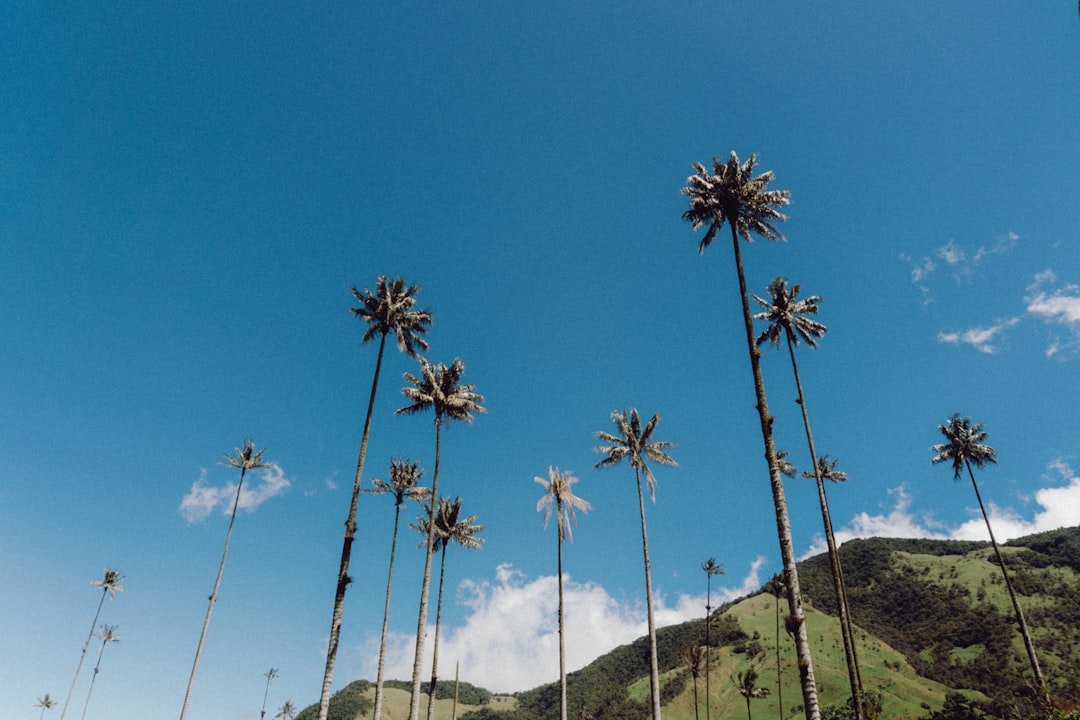
Valle de Cocora hike requires moderate fitness most guides skip mentioning, and you’ll be choosing between attractions rather than experiencing all of them properly because time pressure forces brutal trade-offs. The “easy day trip” framing ignores that you’re sacrificing entire day for brief glimpses of destinations that genuinely deserve overnight stays.
But here’s the nuance these surface-level guides miss: despite exhausting logistics, Valle de Cocora’s wax palm forest is genuinely spectacular—world’s tallest palms rising 60 meters from cloud forest creating landscapes you’ll see nowhere else on Earth. Salento’s colorful colonial architecture and artisan coffee culture deliver authentic small-town Colombia experience. The question isn’t whether Coffee Region is worth visiting (it absolutely is), but whether cramming it into rushed day trip does the destination justice versus overnight stay allowing proper exploration.
After experiencing this trip both as rushed day trip and relaxed overnight visit—learning how 3+ hour drive each way drains energy leaving you tired for actual hiking, discovering which coffee farms deliver authentic education versus tourist theater, understanding how Valle de Cocora weather patterns make or break the experience (afternoon clouds obscure valley views), and observing how time pressure forces choosing between wax palm hike OR coffee farm tour OR Salento exploration rather than experiencing all three properly—I’ve learned when day trip works versus when overnight is essential.
Coffee Region Day Trip involves leaving Medellín pre-dawn (6am departure), driving 3-3.5 hours to Salento (colonial coffee town), visiting Valle de Cocora (wax palm valley with 2-5 hour hike depending on route choice), potentially touring coffee farm (1-2 hours if time allows), briefly exploring Salento town (30-60 minutes realistically), then returning to Medellín (arriving 8-10pm exhausted). It’s iconic Colombian experience showcasing coffee culture and unique ecosystems, but also grueling logistics requiring early wake-up, long drives, strategic choices, and physical stamina.
This isn’t the “relaxing day in coffee country” fantasy some blogs push. But it’s also not the “impossible exhausting mistake” verdict overnight-stay advocates claim. This is 2026 reality: what the day actually entails (very long day with brief highlight moments), whether spectacular wax palm valley justifies the effort (usually yes if weather cooperates and you’re fit enough for hiking), how to maximize limited time at destinations (strategic planning required), and most importantly—honest day trip versus overnight comparison so you choose right approach for your situation.
Planning Medellín day trips? See our complete activities guide for all options, Guatapé day trip for closer alternative, Jardín day trip for another coffee town, and when to visit Medellín for weather timing.
Quick Facts: Coffee Region Day Trip at a Glance
Journey Details:
- Distance: 200km one-way (400km round-trip)
- Drive time: 3-3.5 hours each way (6-7 hours total driving)
- Total duration: 10-12 hours (6am departure, 6-8pm return)
- Destinations: Salento town, Valle de Cocora, optional coffee farm
Main Attractions:
- Valle de Cocora: Wax palm valley (world’s tallest palms, 2-5 hour hike)
- Salento: Colonial town (colorful buildings, artisan shops, viewpoint)
- Coffee farms: Tours explaining bean-to-cup process (1-2 hours)
Physical Requirements:
- Valle de Cocora short loop: Moderate (2-3 hours, some hills, manageable)
- Valle de Cocora full loop: Challenging (4-5 hours, river crossings, elevation gain)
- Overall fitness: Moderate needed (long day, altitude, walking/hiking)
Cost Range:
- Organized tour: Mid-range to upper-mid tier per person
- Private driver: Upper-mid to premium tier (split among group)
- DIY public transport: Budget-mid tier (bus only)
- Includes: Transport, sometimes coffee farm entry, excludes meals
Weather Considerations:
- Best months: December-March, June-September (dry seasons)
- Avoid: April-May, October-November (heavy rain obscures views)
- Daily pattern: Morning clear, afternoon clouds/rain (arrive early crucial)
- Temperature: Cool at altitude (15-20°C), bring layers
What’s Realistic in Day Trip:
- Valle de Cocora hike (2-3 hours short loop recommended)
- Brief Salento town exploration (30-60 minutes)
- Coffee farm tour IF skipping full Cocora hike
- Lunch in Salento
- NOT realistic: Full Cocora loop + coffee farm + proper Salento time
Best For:
- Nature/landscape photographers (wax palm valley spectacular)
- Hikers wanting unique ecosystems (cloud forest, palms)
- Coffee enthusiasts (farm tours educational if prioritized)
- One-time visitors with limited Medellín days (seeing highlight)
Not Ideal For:
- People with mobility issues (hiking required for best views)
- Those prone to motion sickness (winding mountain roads)
- Visitors wanting relaxed pace (day trip is rushed)
- Anyone visiting during heavy rain season (views obscured)
Day Trip Timeline Comparison
| Time | Organized Tour | Private Driver | DIY Public Transport |
|---|---|---|---|
| 6:00am | Hotel pickup | Depart Medellín | Bus terminal departure |
| 9:30am | Arrive Salento/Cocora | Arrive, flexible timing | Arrive Salento |
| 10:00am | Valle de Cocora hike start | Your choice activity | Local jeep to valley |
| 1:00pm | Lunch Salento | Lunch (your timing) | Lunch, explore town |
| 2:30pm | Brief town time or coffee farm | Coffee farm if skipped hike | Return jeep, bus prep |
| 4:00pm | Depart for Medellín | Depart (flexible) | Bus depart |
| 7:30pm | Return to Medellín | Return | Return |
| Total | Fixed schedule, rushed | Flexible but expensive | Cheapest, most complex |
Understanding Coffee Region Geography
Where You’re Actually Going
The “Coffee Region” (Eje Cafetero) is large zone spanning three departments (Caldas, Risaralda, Quindío). Day trips from Medellín target Salento in Quindío department—small colonial town serving as base for Valle de Cocora access.
Not visiting on day trip:
- Manizales (different region, 4+ hours from Medellín)
- Pereira (major city, not day-trip destination)
- Armenia (regional capital, not tourist attraction)
- Filandia (nearby Salento but typically skipped on rushed day trips)
What you ARE visiting:
- Salento: Colonial town (population 7,000), colorful architecture, artisan shops, coffee culture
- Valle de Cocora: Protected valley 11km from Salento, wax palm forest, cloud forest hiking
- Optional coffee farm: Usually between Salento and Cocora, 30-45 minute tour
The Distance Reality
200km sounds manageable until you factor in:
- Mountain roads (winding, slow despite distance)
- Altitude changes (Medellín 1,500m → Salento 1,900m → Cocora 2,400m)
- Traffic leaving Medellín (6-7am congestion adds 30 minutes)
- Road conditions (paved but narrow, trucks slow progress)
Actual drive experience: First 90 minutes: Highway to Pereira (faster) Next 90 minutes: Mountain roads to Salento (slower, winding) Reality: 3-3.5 hours each way is optimistic—allow 4 hours if traffic/stops
Valle de Cocora: What It Actually Is
Valle de Cocora is protected valley famous for wax palms (palma de cera)—Colombia’s national tree and world’s tallest palm species (up to 60 meters tall). These palms grow ONLY in Colombian cloud forests at 1,800-2,400m altitude, creating landscapes impossible to see anywhere else on Earth.
The valley offers two hike options:
Short loop (2-3 hours):
- Walk into valley viewing wax palms from below
- Relatively flat terrain with gentle hills
- No river crossings or technical difficulty
- Suitable for moderate fitness levels
- This is what day trippers should realistically do
Full loop (4-5 hours):
- Complete circuit including cloud forest
- River crossings on narrow bridges
- Steep climbs through forest
- Returns via palm viewpoints
- Only possible on day trip if skipping everything else
🔑 Local Secret: The absolute best time to photograph Valle de Cocora’s wax palms is 7-8:30am on clear mornings—but day trips from Medellín can’t possibly arrive this early (3.5 hour drive means 3:30am departure). This is the fundamental problem tour companies never mention: the valley’s most spectacular lighting and clearest weather window happens before tours arrive. By 10am when day-trippers reach the valley, morning mist has often burned off but clouds start building. By 1-2pm, afternoon clouds frequently obscure valley views and wax palm tops disappear into fog. Locals and overnight visitors who stay in Salento wake up early, reach valley by 7am, and photograph in magical morning light that day-trippers never experience. If you’re serious about photography or want absolutely best valley conditions, this single fact argues for overnight stay more than anything else—you’ll see a completely different (vastly superior) Valle de Cocora than rushed day-trippers arriving mid-morning after palms’ best visual moment has passed.
What NOT to Do on Coffee Region Day Trip
1. Don’t Attempt the Full Valle de Cocora Loop
The mistake: Trying to complete the full 4-5 hour Cocora loop (cloud forest circuit with river crossings) on a day trip from Medellín
The reality: Full loop is spectacular but incompatible with day trip logistics. If you start hiking 10am (earliest realistic arrival), finish 2-3pm, then need lunch, some Salento time, and depart by 4pm—you’ve eliminated coffee farm visit and proper town exploration. You’re spending premium for transport to see ONE thing (albeit spectacular thing), then exhausted for 4-hour return drive.
How this creates problems: Tour groups pressure you to “just do short loop” because they know full loop breaks the schedule. You see other independent travelers doing full loop and feel cheated. Or worse—you insist on full loop, rush through it dangerously (river crossings when tired = injury risk), skip lunch becoming cranky and exhausted, and spend return drive regretting the pace.
What to do instead: Accept the short loop (2-3 hours) as appropriate day-trip option. It still delivers wax palm views, valley landscapes, and hiking experience—just not the cloud forest portion. Save full loop for overnight Salento visit when you can hike leisurely, start early for best conditions, and have energy for town exploration afterward. Or be honest with yourself: if full loop is priority, this argues for overnight stay rather than day trip.
For overnight comparison: Consider staying in Salento one night (budget-mid tier accommodation), hiking full loop early morning, then returning to Medellín next day. This costs barely more than organized day trip (moderate tier extra for hotel minus tour cost) while delivering infinitely better experience.
2. Don’t Book Tours That Claim “Coffee Farm + Valle de Cocora + Salento Fully”
The mistake: Believing tour descriptions promising “visit
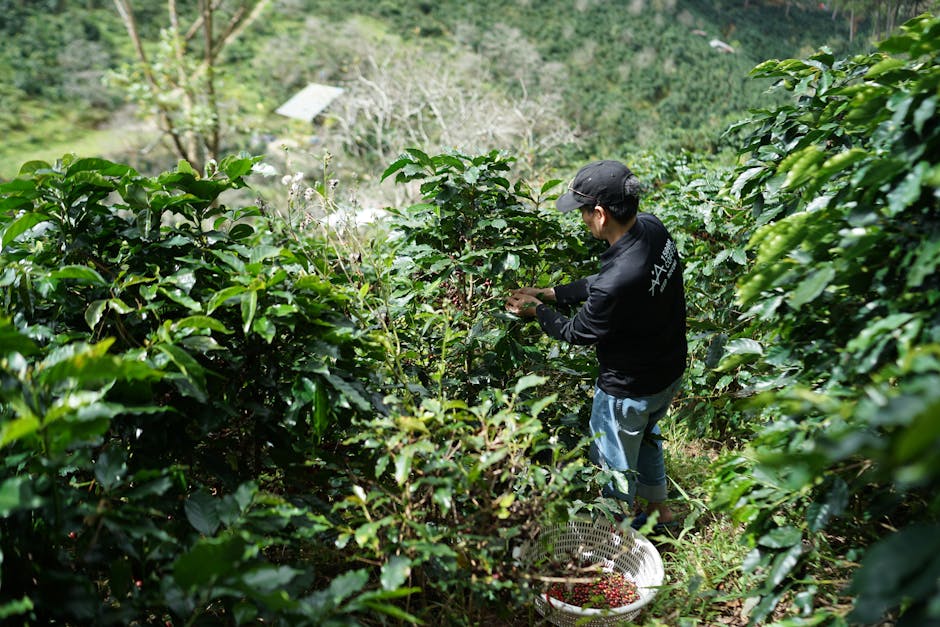
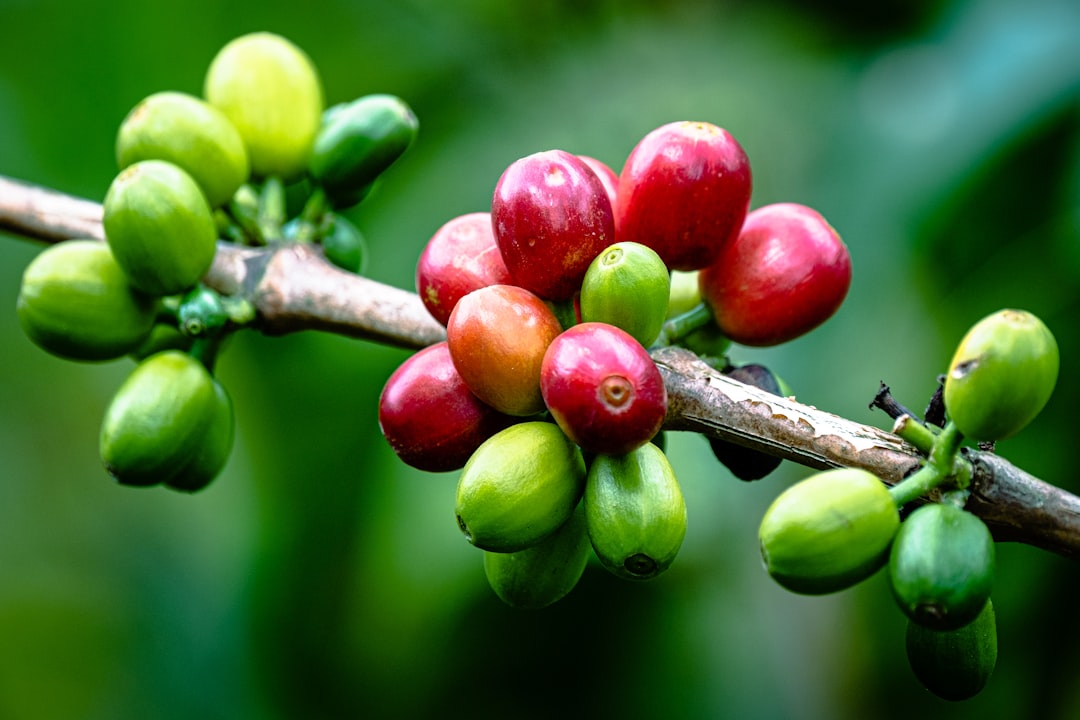
coffee plantation, hike Valle de Cocora, explore charming Salento town” as if all three get proper time
The reality: Time budget doesn’t allow all three properly. Tours handle this by: rushing coffee farm to 45-minute performance (versus educational 1.5 hours), limiting Cocora to short valley walk (versus actual loop hike), and giving Salento 30 minutes (barely enough to walk main street, certainly not enough to explore). You technically “visit” all three but experience none properly. It’s checkbox tourism, not actual immersion.
How tour companies deceive: Itineraries say “coffee farm tour” (implies quality time), “Valle de Cocora hike” (implies proper hike), “Salento exploration” (implies wandering town). In practice: coffee farm is quick performance hitting commercial points, Cocora is rushed walk with constant time pressure, Salento is photo stop at colorful stairs. You’re being sold comprehensive experience, receiving abbreviated highlights reel.
What to do instead: Choose tours clearly prioritizing ONE main activity. “Valle de Cocora focused” tour that does Cocora properly (3-hour hike commitment) then brief Salento. Or “Coffee farm + Salento” tour that skips Cocora entirely, investing time in quality farm tour and town exploration. Honest tour operators who admit “we can’t do everything well in one day” deliver better experiences than those promising impossible comprehensive coverage.
Red flags in tour descriptions:
- “Full-day tour visiting coffee farm, Cocora valley, Salento, and Filandia” (absurd—too much)
- “Authentic coffee farm experience + complete Cocora hike” (mutually exclusive in day trip)
- Any tour claiming 4+ major activities (mathematically impossible to do properly)
3. Don’t Go During Rainy Season Without Weather Backup Plan
The mistake: Booking Coffee Region day trip in April-May or October-November (peak rainy seasons) without understanding how rain ruins the experience
The reality: Valle de Cocora in rain/clouds is dramatically diminished. The spectacular wax palm valley views disappear into fog. Palm tops obscure into clouds. Hiking trails become muddy slogs. Photography becomes pointless (gray skies, zero contrast). You’ve spent premium tier and 12 hours for valley you can barely see. Coffee farm tours work in rain (indoors mostly), but Cocora—the main attraction justifying the long journey—fails completely in bad weather.
Why guides underplay this: Tour companies operate year-round and need bookings. They can’t say “don’t come October-November” without losing revenue. So they downplay weather impact, claim “rain usually afternoon only” (true but afternoon clouds obscure valley even before rain), and imply rain won’t affect experience significantly (false—it devastates Cocora experience).
What to do instead: Strictly prioritize dry season months (December-March, June-September) for Coffee Region day trip. If you MUST visit rainy season (your Medellín timing is fixed), have explicit backup plan: if Cocora has heavy rain/clouds, pivot to coffee farm focus + Salento town day. Accept valley might be disappointing and prepare alternative itinerary. Or postpone trip entirely—better to skip Coffee Region than experience it in conditions that don’t do justice to why it’s spectacular.
Weather check strategy: Even dry season, check 3-day forecast before booking. If heavy rain predicted, postpone. Tours typically allow 24-hour cancellation. Don’t gamble moderate-to-premium tier on hoping weather improves.
For timing optimization: When to visit Medellín guide with seasonal weather patterns.
4. Don’t Skip Breakfast Thinking “We’ll Eat in Salento”
The mistake: Leaving Medellín 6am on empty stomach thinking you’ll have breakfast in Salento
The reality: You won’t eat until 10:30-11am at earliest (3.5 hour drive + arriving at Cocora/coffee farm first). That’s 4.5-5 hours after waking without food, then you’re expected to hike moderate terrain at altitude. Low blood sugar + altitude + physical exertion = miserable experience feeling weak, lightheaded, cranky. Tour doesn’t include breakfast and most don’t stop for food before arriving (cutting into already tight schedule).
How this manifests: You’re starving by 9:30am while others eat snacks they brought. Energy crashes mid-hike making it harder than it should be. You rush through Cocora because you’re desperately hungry rather than enjoying landscape. The day trip is already physically demanding—doing it without proper fuel makes it unnecessarily punishing.
What to do instead: Wake up 5:30am (painful but necessary) and eat real breakfast before 6am pickup. Not coffee and pastry—actual food with protein and carbs (eggs, arepa, fruit, whatever your hotel provides or you prepared). Pack substantial snacks (trail mix, protein bars, fruit, sandwich) for mid-morning energy. Budget for proper lunch in Salento (don’t skip to save time—you need fuel for return drive). Treat this as athletic event requiring proper nutrition, not casual tour where meals are optional.
Snack packing essentials: Trail mix, granola bars, fruit (bananas hold up well), chocolate (energy boost), sandwich (filling mid-morning option). Colombian tiendas sell these—buy night before trip.
5. Don’t Wear Inappropriate Footwear or Clothing
The mistake: Wearing street shoes, sandals, or inadequate layers for Valle de Cocora hiking
The reality: Valle de Cocora trails are dirt/mud paths that become slippery after rain. Streams to cross (stepping stones), uneven terrain, roots and rocks. Altitude (2,400m) means cooler temperature than Medellín (15-20°C versus 25-28°C). Morning starts cool, hiking warms you up, clouds bring chill, rain makes you cold. Sandals = twisted ankles. No layers = hypothermia risk. Cotton clothes = stays wet and cold.
What people get wrong: They pack for Medellín’s warm spring climate (shorts, t-shirt, sneakers) forgetting they’re going to significantly higher, cooler altitude and doing actual hiking. Or they overdress (heavy jacket) and overheat while hiking. Finding balance requires thought and proper gear.
What to bring instead:
- Footwear: Hiking boots or trail runners (ankle support, grip, waterproof)
- Layers: Light jacket or fleece (removable when hiking), base layer, rain jacket
- Bottoms: Long pants or convertible hiking pants (protection from plants, warmth)
- Accessories: Hat (sun protection), sunscreen (altitude = stronger UV), sunglasses
- Pack: Small daypack for layers, water, snacks
If you own none of this: At minimum: closed-toe shoes with decent grip, long pants, hoodie you can tie around waist, water bottle. Tour won’t cancel if you show up in inadequate gear, but you’ll be uncomfortable and potentially unsafe.
6. Don’t Expect “Authentic Coffee Farm Experience”
The mistake: Expecting coffee farm tours to deliver deep agricultural insight and genuine farmer interaction
The reality: Most tours stop at tourist-oriented coffee farms designed for foreign visitors expecting English explanations, quick throughput, and gift shop sales. These are performances, not authentic agricultural operations. You’ll learn coffee basics (harvesting, processing, roasting) through scripted presentation, buy overpriced coffee in gift shop, then leave. It’s educational theater, not farm immersion.
What signals tourist farm versus authentic farm:
- Tour guide speaks perfect English (authentic farms = Spanish only)
- “Tour” is same 45-minute script delivered to every group
- Heavy emphasis on gift shop sales (marked-up coffee, souvenirs)
- Farm looks manicured and designed for photos (versus working messiness)
- You never see actual farmers working (just tour guide performers)
Why tours use these farms: They’re convenient (location between Medellín and Cocora, English-speaking, reliable schedule), they pay commissions to tour operators, and tourists generally don’t know difference between tourist farm and authentic one. It’s symbiotic business relationship, not authentic agricultural experience.
What to do instead: If coffee farm authenticity matters deeply, skip day tour farm and instead visit smaller operations near Salento that locals recommend (ask in town, Spanish required). Or accept the tourist farm for what it is—basic coffee education in convenient package—without expecting profound authenticity. The real value of day trip is Valle de Cocora anyway; treat coffee farm as educational bonus, not main attraction.
Alternative strategy: Skip coffee farm on day trip entirely (saves 1-2 hours), invest that time in longer Cocora hike or proper Salento exploration. Learn coffee basics from YouTube before trip if you want that knowledge, use day trip time for experiences you can’t replicate elsewhere (wax palm valley).
🔑 Local Secret: The most authentic coffee experience near Medellín isn’t in Salento—it’s at family farms around Jardín (3 hours from Medellín, different direction). These farms welcome visitors but rarely appear on tour itineraries because: they’re small family operations (not large commercial farms paying tour commissions), explanations are Spanish-only (no English tour infrastructure), and visits require advance contact (not drop-in tourist operations). If authentic coffee culture genuinely interests you more than wax palm valley scenery, consider Jardín overnight trip instead of Salento day trip. You’ll learn actual coffee farming from families who’ve done it for generations, participate in harvest if timing right (October-December), and avoid tourist farm theater. But this requires Spanish skills and different trip plan—not compatible with day trip format.
For Jardín alternative: Complete Jardín day trip guide with coffee farm recommendations.
Valle de Cocora: Maximizing Your Time
Arriving at the Valley
Transportation from Salento:
- Jeep willys: Traditional jeeps (budget-friendly tier per person, 30 minutes)
- Frequency: Every 30 minutes approximately
- Organized tours: Included in tour price, preset timing
- Last return: Around 5-6pm (verify before hiking)
The Wax Palm Reality
What makes them special:
- World’s tallest palm species (up to 60 meters = 20-story building)
- Grow ONLY in Colombian cloud forests (1,800-2,400m altitude)
- Colombia’s national tree (endangered, protected)
- Live 120-200 years (ancient forest)
- Dramatic landscape impossible to see anywhere else
Photography tips:
- Morning light best (7-9am—day-trippers miss this)
- Cloudy days reduce contrast (flat light, less dramatic)
- Wide-angle lens captures scale (phone cameras struggle)
- Human scale reference shows palm height (person in frame)
Hiking Strategy for Day-Trippers
Recommended: Short Valley Loop (2-3 hours)
- Route: Entrance → valley floor → palm viewpoints → return
- Difficulty: Moderate (some uphills, mostly manageable)
- Time: 2-2.5 hours walking, 30 minutes photos/rest
- Best views: First section with palms silhouetted against valley
- Crowds: Busy but tolerable
Not recommended for day trips: Full Cloud Forest Loop (4-5 hours)
- Route: Valley → cloud forest → river crossings → return via palms
- Difficulty: Challenging (steep climbs, narrow bridges, stamina required)
- Time: 4-5 hours minimum, possibly 6 if inexperienced
- Logistics: Breaks entire day trip schedule
- When to do: Overnight Salento stay only
Wildlife and Nature
What you might see:
- Andean condor (rare but possible if very lucky)
- Hummingbirds (common, many species)
- Spectacled bear (extremely rare, don’t expect)
- Cloud forest flora (orchids, bromeliads, mosses)
Don’t expect safari: This is hiking for scenery, not guaranteed wildlife viewing.
Salento: Making the Most of Limited Time
What Salento Offers
Main attractions:
- Mirador (viewpoint): 15-minute uphill walk, valley panorama
- Plaza Bolívar: Central square, colonial architecture
- Calle Real: Main pedestrian street (colorful doors, artisan shops)
- Craft market: Local artisans, coffee vendors, souvenirs
Day trip reality: You’ll get 30-90 minutes depending on tour timing. This allows: walk Calle Real (15 minutes), quick plaza visit (10 minutes), maybe viewpoint (30 minutes round-trip), maybe lunch (45 minutes). Choose priorities since doing all properly isn’t feasible.
Where to Eat (Quickly)
Best for rushed day-trippers:
- Brunch de Salento: Quick casual, good coffee, sandwiches
- Don Botero: Colombian basics, fast service
- Street vendors: Arepas, empanadas (budget-friendly, fast)
Skip if time-pressured:
- Sit-down restaurants: Service too slow for 30-minute lunch window
- Coffee tastings: Interesting but time-consuming
Shopping Strategy
Worth buying:
- Coffee beans: Local roasters, better than supermarket, budget-mid tier
- Crafts: Woven bags (mochilas), local artisan work
Skip:
- Tourist mass-production: “Colombian” souvenirs made in China
- Overpriced gift shop coffee: Same beans cheaper in Medellín
🔑 Local Secret: The best lunch spot in Salento that tour groups never visit is Donde Laurita (2 blocks from plaza on side street)—tiny family-run restaurant serving authentic bandeja paisa, trucha (trout), and almuerzo del día (daily special) for budget-mid tier when tourist restaurants charge premium. Mama Laurita cooks traditional paisa recipes her family has made for three generations, her daughter serves, and local Salento workers eat lunch here daily (not tourists). There’s no English menu, no tripadvisor plaque, no tour bus partnerships—just honest Colombian food at local prices. The problem: it’s 2 blocks off main tourist corridor so tour guides never mention it (they get commission from tourist restaurants), and you need Spanish to order (Laurita speaks zero English). If you have 45 minutes for Salento lunch and want authentic experience over tourist convenience, ask locals “donde esta Laurita?” with hand gestures toward food—they’ll point the way. Order almuerzo del día (whatever she cooked that morning), get massive plate of real Colombian lunch for half what plaza restaurants charge, and eat surrounded by local workers on break. This is the Salento experience tour companies can’t monetize, which is precisely why it remains authentic.
Day Trip vs Overnight: The Honest Comparison
Day Trip Advantages
When day trip makes sense:
- Limited Medellín time (you’re only in city 3-4 days total)
- Valle de Cocora is primary goal (scenery matters more than depth)
- Moderate budget (overnight adds accommodation cost)
- Organized logistics preference (tour handles everything)
- Other Medellín priorities (Guatapé, Comuna 13 also on list)
What you gain with day trip:
- See Coffee Region highlights in single day
- Return to Medellín hotel nightly (no packing/moving)
- Lower total cost versus overnight (no extra hotel)
- Efficient use of limited vacation days
Overnight Advantages
When overnight makes sense:
- Photography priority (early morning valley lighting)
- Hiking enthusiasm (full Cocora loop properly)
- Relaxed pace preference (hate rushing)
- Authentic small-town Colombia interest (Salento immersion)
- Flexible schedule (not cramming into short Medellín stay)
What you gain with overnight:
- Early morning Valle de Cocora access (7am arrival, best light)
- Full cloud forest loop hike without time pressure
- Actual Salento exploration (evening town atmosphere, local restaurants)
- Filandia day trip option (nearby colorful town)
- Less exhausting (not 12-hour day)
Cost Comparison
| Option | Cost | Includes | Missing |
|---|---|---|---|
| Day Tour | Mid-to-upper-mid tier pp | Transport, sometimes coffee farm | Meals, Cocora entry |
| Overnight DIY | Mid-range tier total | Bus transport, hostel, meals, entries | Guide, convenience |
| Overnight Organized | Upper-mid to premium tier | Transport, hotel, some meals, guide | Flexibility |
Financial reality: Overnight costs moderate tier extra (hostel night plus extra meals) but delivers dramatically better experience. Whether that’s worth it depends on your budget and priorities.
Time Comparison
| Activity | Day Trip | Overnight |
|---|---|---|
| Valle de Cocora | 2-3 hours rushed | 4-6 hours leisurely |
| Salento town | 30-60 minutes | 3-4 hours proper |
| Coffee farm | 45 minutes rushed OR skipped | 1.5-2 hours quality |
| Travel stress | High (tight schedule) | Low (flexible timing) |
| Photography | Mid-morning light only | Golden hour morning + evening |
Booking Your Coffee Region Day Trip
Tour Company Options
Organized group tours (mid-range tier):
- Pros: Cheapest, handles logistics, English guide usually
- Cons: Fixed schedule, large groups (15-20 people), tourist farm stops, rushed
Private tours (upper-mid to premium tier):
- Pros: Flexible timing, just your group, can skip/customize stops
- Cons: More expensive, still long drive, need 2-4 people to split cost
DIY public transport (budget-mid tier):
- Pros: Cheapest option, total flexibility, authentic experience
- Cons: Complex logistics, Spanish helpful, more time-consuming
What to Look For in Tours
Green flags:
- Realistic itinerary (focused on 1-2 main activities)
- Clear about what’s included/excluded
- Honest timing (acknowledges trade-offs)
- Small groups (under 10 people)
- Good reviews mentioning pace
Red flags:
- Claims “full coffee experience + complete Cocora + Salento”
- Suspiciously cheap (cutting corners somewhere)
- No itinerary details (vague promises)
- Large groups (15+ people = cattle herding)
- All 5-star reviews (likely fake/manipulated)
DIY Public Transport Instructions
For budget travelers and Spanish speakers:
- Medellín to Salento:
- Terminal Sur (Southern Bus Station)
- Companies: Flota Occidental, Expreso Alcalá
- Frequency: Hourly 6am-6pm
- Duration: 4-4.5 hours
- Cost: Budget tier
- Salento to Valle de Cocora:
- Jeep willys from plaza
- Every 30 minutes
- Duration: 25-30 minutes
- Cost: Budget-friendly tier
- Return Same Day:
- Last Cocora jeep around 5pm
- Last Salento-Medellín bus around 6pm
- Plan to leave valley by 3-4pm latest
Overnight option: Stay Salento (many hostels budget-mid tier), visit Cocora next morning, return to Medellín afternoon bus.
🔑 Local Secret: If you’re doing DIY public transport and want to save moderate tier on Medellín-Salento bus tickets, book through RedBus app or PinBus instead of buying at terminal. These Colombian bus booking apps offer 10-20% discounts versus walk-up terminal prices, let you choose your seat (aisle if you’re tall, window if you want views, avoid back if motion-sick), and show real-time schedules so you’re not guessing departure times. The apps are in Spanish but Google Translate makes them manageable. Most budget travelers don’t know about these apps and pay full terminal prices unnecessarily—you’ll save enough on round-trip to buy lunch in Salento. Download before trip (they need Colombian data/WiFi to work but you can browse schedules offline), compare prices across companies (sometimes same route has moderate price range depending on bus quality), and book 1-2 days advance for weekend travel when buses fill up. This is how savvy Colombian travelers book—you can too with minimal tech effort.
Bottom Line: Is Coffee Region Day Trip Worth It?
Coffee Region day trip is worth the 10-12 hour commitment if Valle de Cocora’s wax palm valley is priority and you understand you’re seeing highlights reel rather than experiencing destinations properly. The valley is genuinely spectacular—landscapes you can’t see anywhere else on Earth, iconic Colombian scenery, world’s tallest palm species in dramatic cloud forest setting. The journey is exhausting, timing is tight, and you’ll wish you had more time at every stop—but if you accept these limitations, day trip delivers memorable experience for visitors with limited days in Medellín.
Book day trip if:
- Valle de Cocora scenery is must-see (absolutely is if you value nature/landscapes)
- You have only 3-5 days in Medellín (can’t justify 2 days for overnight)
- Organized logistics appeal (tour handles driving, timing, coordination)
- You’re okay with rushed pace (comfortable with efficient sightseeing)
- Weather forecast is good (dry season, clear skies predicted)
- Moderate fitness level (can handle 2-3 hour moderate hike)
Skip day trip if:
- Mobility issues (hiking required for valley views)
- Very limited budget (tour costs mid-to-upper-mid tier)
- Motion sickness prone (3.5 hours winding mountain roads each way)
- Hate early mornings (6am departure non-negotiable)
- Visiting rainy season with poor forecast (clouds obscure valley)
- More interested in authentic coffee culture (Jardín better)
Consider overnight instead if:
- Photography is serious hobby (morning light crucial)
- Hiking enthusiasm (want full cloud forest loop properly)
- Relaxed pace important (hate feeling rushed)
- Schedule allows (have 2 days to invest)
- Budget permits (moderate tier extra for much better experience)
Alternative day trips to consider:
- Guatapé: Closer (2 hours), less hiking, colorful town, easier logistics
- Jardín: Similar distance, authentic coffee culture, less touristy
- Santa Fe de Antioquia: Shorter drive, colonial town, hot climate
The honest assessment: After experiencing both day trip and overnight, overnight is objectively better experience—better light for photography, time to hike properly, actual Salento immersion, less exhausting. Day trip is compressed highlights reel that works when time/budget don’t allow overnight. Don’t choose day trip thinking it’s “almost as good but faster”—it’s fundamentally different (and inferior) experience. Choose it acknowledging the trade-offs as worth making given your specific constraints.
What separates good from bad day trip experiences: Clear expectations. Visitors who book understanding “this is long day seeing highlights before returning Medellín” leave satisfied. Visitors expecting “relaxing day in coffee country getting authentic experience” leave disappointed. The day trip is what it is—decide if that matches your actual priorities and situation.
🎥 Coffee Region Day Trip Guide
Watch a complete guide to visiting the Coffee Region from Medellín:
Frequently Asked Questions
Full Day Plan
Most Medellín coffee tours depart 6–7am. Bus terminal option: take 6am bus to Armenia.
Quick breakfast at a Salento café. Coffee here is extraordinary — order a tinto.
Park entrance is a 10-minute walk from the plaza. Hire a horse if you prefer not to hike.
The 2.5-hour loop reaches a cloud forest refuge with hundreds of hummingbirds.
Fresh trout (trucha) is the local specialty. La Truchera restaurant on the plaza is reliable.
2-hour tour: picking ripe cherries → wet processing → drying → roasting → cupping your own coffee.
Long return drive (2.5 hours). Watch for afternoon mountain clouds and fog.
Tired but caffeinated. Evening free.
How long is the Coffee Region day trip from Medellín?
Coffee Region day trips from Medellín are 10-12 hours total including 6-7 hours driving (3-3.5 hours each way) and 4-5 hours at destinations, with typical schedule departing 6am and returning 6-8pm. This makes it the longest and most exhausting day trip from Medellín—significantly longer than Guatapé (8-9 hours) or Comuna 13 (4-5 hours).
Detailed timeline: 6:00am hotel pickup, 6:30am Medellín departure after collecting all passengers, 9:30-10:00am Salento/Cocora arrival (depending on traffic and stops), 10am-1pm Valle de Cocora hike and/or coffee farm visit, 1-2pm lunch in Salento, 2-3pm brief Salento town time, 3:30-4pm depart for Medellín, 7-8pm return to hotel (earlier if traffic cooperates, later if congestion or stops).
Why it takes this long: Distance (200km one-way), mountain roads (winding, narrow, slow-going despite paving), altitude changes (from 1,500m Medellín to 2,400m Cocora valley), and congestion leaving/entering Medellín during rush hours. The route isn’t straight highway—it’s scenic mountain roads through coffee country requiring careful driving.
Where time goes at destinations: If doing standard itinerary, budget: 2-3 hours Valle de Cocora short loop hike, 45-60 minutes coffee farm tour (if included), 45 minutes lunch, 30-45 minutes Salento town walking. This totals 4.5-5.5 hours, which barely feels like enough—everyone wishes they had more time at each stop.
Can you shorten the trip: Not really. Private tour gives slightly more control (skip coffee farm to spend extra hour in Cocora), but drive time is fixed and you can’t make mountain roads faster. Some tours claim “8-hour day trip” but this is marketing—they’re counting from first pickup to last dropoff ignoring that you personally might be on bus 10+ hours depending on hotel location.
Fatigue factor: This is genuinely exhausting day. You’re waking pre-dawn (5:30am to eat breakfast before 6am pickup), spending 6-7 hours sitting in van navigating winding roads (motion sickness risk), hiking moderate terrain at altitude when you arrive tired, then returning for another 3.5-hour drive when already exhausted. People underestimate how draining this is—you won’t want activities evening of return.
Is it worth the time investment: If Valle de Cocora’s wax palm valley is must-see priority and you have limited Medellín days, yes—the valley is genuinely spectacular and exists nowhere else on Earth. But if you have flexibility, overnight stay delivers vastly better experience for only moderate tier extra cost and removes the exhausting same-day return.
For timing comparison: Guatapé day trip (shorter, easier) and Jardín day trip (similar duration, different experience).
What is the best time of year for Coffee Region day trip?
The best time for Coffee Region day trips is December-March or June-September (Medellín’s dry seasons) when Valle de Cocora has clearest weather and lowest rain probability, with January-February and July being peak optimal months. Avoid April-May and October-November (rainy seasons) when afternoon clouds and rain frequently obscure the valley’s spectacular wax palm views.
Why dry season matters critically: Valle de Cocora’s entire appeal is visual—60-meter wax palms silhouetted against valley landscape, dramatic cloud forest scenery, photographic opportunities. When clouds descend (which happens frequently rainy season afternoons), palm tops disappear into fog, valley views obscure, and the spectacular scenery you traveled 3.5 hours to see simply isn’t visible. You’ve invested moderate-to-premium tier and full exhausting day for valley you can barely photograph.
Month-by-month breakdown:
Best months (December-February): Peak dry season, most consecutive sunny days, clearest valley views, lowest rain probability. January especially reliable. Trade-off: peak tourist season means higher costs and more crowded valley trails. December-early January also brings holiday surcharges.
Excellent months (June-August): Secondary dry season, very reliable weather, often clearer than December-March despite being “off-season.” Lower tourist numbers than Christmas period. July-August are sweet spot—excellent weather without peak pricing. This is when savvy travelers and photographers visit.
Good months (March, September): Shoulder seasons transitioning between dry and rainy periods. March still mostly dry (rainy season starts April), September weather improves after August. Some rain risk but manageable with flexible planning. Better value than peak dry season.
Risky months (April-May, October-November): Peak rainy seasons. Afternoon rain and clouds are norm, not exception. Tours still operate (companies need year-round revenue) but experience quality suffers significantly. Morning might be clear but clouds typically build by 11am-noon—exactly when day-trippers arrive at valley. Only visit these months if: schedule absolutely cannot flex, you have backup plan if weather fails, or you’re prioritizing coffee culture over valley scenery.
Daily weather pattern (all months): Mornings generally clearer than afternoons even rainy season. Clouds build throughout day, often creating afternoon rain or at minimum obscuring valley by 2-3pm. This is why overnight visitors who reach valley by 7-8am see dramatically better conditions than day-trippers arriving 10am-noon. The famous afternoon clouds that give “cloud forest” its name are beautiful phenomenon but terrible for wax palm valley photography.
Beyond weather—coffee harvest timing: If coffee farm experience is priority, visit October-February when harvest happens. You might see picking, processing, and farm activity (though tourist farms are active year-round regardless). June-September is “mitaca” (smaller secondary harvest) in some regions.
What to do if you must visit rainy season: Check detailed 3-5 day forecast before booking. If heavy rain predicted, postpone trip or pivot to Guatapé (closer, less weather-dependent). Book tour with flexible cancellation (most allow 24 hours). Have explicit backup plan: if Cocora has terrible weather on arrival, focus on coffee farm + Salento town (both more weather-tolerant) and accept valley might disappoint.
For seasonal planning: Complete Medellín weather guide with month-by-month conditions.
How difficult is the Valle de Cocora hike?
Valle de Cocora’s short valley loop (recommended for day-trippers) is moderate difficulty requiring basic fitness—2-3 hours with some uphill sections, uneven terrain, and altitude (2,400m) making it harder than sea-level equivalent. The full cloud forest loop is significantly more challenging (4-5 hours, river crossings, steep climbs) and not recommended for day trips from Medellín due to time constraints.
Short loop specifics (what day-trippers should do): 5-6 kilometer circuit, 2-3 hours depending on pace and photo stops, elevation gain approximately 200-300 meters (gentle but noticeable), terrain is maintained dirt path with some rocks/roots, several uphill sections requiring breaks for non-hikers, and altitude (2,400m) makes breathing harder than you expect. Most moderately fit people complete this without major difficulty, but it’s real hiking not casual stroll.
What makes it moderate versus easy: Altitude impact (you’re at 2,400m when Medellín is 1,500m—less oxygen makes hills feel harder), uneven natural trail (roots, rocks, mud after rain require watching your footing), some sections are steady uphill (not flat valley walk), and duration (2-3 hours continuous walking is more than some tourists do annually). If your idea of “hiking” is 30-minute park paths, this will challenge you.
Full loop difficulty (not for day trips): 12-14 kilometers total, 4-5 hours minimum for average hikers (6+ hours if slow/inexperienced), includes cloud forest section with: river crossings on narrow wooden bridges (ankle-deep water underneath), steep climbs through muddy forest trails, sections requiring both hands (holding onto ropes/trees), and cumulative fatigue factor (last hour feels much harder than first). This is proper day hike requiring stamina, balance, and comfort with exposure.
Fitness requirements breakdown:
Minimum for short loop: Can walk continuously 2-3 hours, handle gentle hills without extreme breathlessness, navigate uneven surfaces without falling risk, comfortable at altitude (or willing to go slowly), and not recovering from injuries affecting mobility.
Minimum for full loop: All above PLUS: stamina for 4-5 hours continuous activity, comfortable with heights (bridges over streams), balance for narrow trails and crossings, strength for steep uphill sections using hands, and mental preparedness for sustained physical effort.
Age/ability considerations: Healthy adults under 60 typically handle short loop fine. Children 8+ with hiking experience can do it (but will be slower—budget 3+ hours). Elderly adults with regular walking habits can manage short loop if taking breaks. Full loop requires youth/fitness—realistically adults under 50 with regular exercise habits.
Altitude impact reality: Medellín already sits at 1,500m (you might not notice), Cocora valley at 2,400m (900m higher). This extra altitude makes cardiovascular effort ~20% harder than same activity at sea level. If you get winded climbing stairs in Medellín, expect the same hills to be harder in Cocora. This catches people off-guard—they think “I can walk 2 hours no problem” but at altitude with hills, 2 hours feels like 3.
Weather impact on difficulty: Rain makes trails muddier and slippery, increasing difficulty and injury risk. Cold makes energy drain faster (you’re burning calories keeping warm while hiking). Clouds obscure the trail markers (getting lost is rare but possible in heavy fog). Always check weather forecast and adjust plans if conditions worsen hiking difficulty.
What to bring for safety: Proper footwear (hiking boots or trail runners—not street sneakers or sandals), water (1-2 liters—altitude dehydration is real), snacks (energy bars, trail mix for blood sugar), layers (temperature varies, rain possible), and basic first aid (blisters, twisted ankle scenarios).
Signs you should skip the hike: Recent injury or surgery affecting mobility, severe altitude sensitivity (if Medellín already gives you headaches), respiratory issues making sustained activity difficult, or complete lack of hiking experience combined with low general fitness. If genuinely concerned, coffee farm tour + Salento town offers Coffee Region experience without hiking requirement.
Can you do Coffee Region in one day from Medellín?
Yes, Coffee Region day trips from Medellín are logistically possible and widely sold as tours, but “possible” doesn’t mean “ideal”—you’ll see highlights in rushed 10-12 hour day while wishing you had more time at every stop. The day trip works for seeing Valle de Cocora’s wax palm valley and getting basic Coffee Region exposure, but delivers compressed experience that’s fundamentally inferior to overnight stay.
What “one day” actually means: You’re technically visiting Coffee Region and returning same day, but you’re not “doing” it comprehensively. Standard day trip allows: 2-3 hours Valle de Cocora short loop OR coffee farm tour (rarely time for both properly), 45 minutes lunch, 30-60 minutes Salento town. That’s it. You’re choosing between attractions rather than experiencing all of them, and every stop feels rushed because schedule is constantly pushing you to next destination.
Why tour companies sell this despite limitations: Because travelers staying 3-5 days in Medellín want to “see Coffee Region” without investing 2 days for overnight trip. Tours meet this demand even though they know experience is compressed. It’s business reality—tourists want it, companies provide it, everyone accepts the trade-offs (or should—many don’t realize them until living it).
What you actually accomplish in one day: See world’s tallest wax palms in Valle de Cocora (objective met—valley is spectacular), hike moderate terrain through unique landscape (exercise + scenery achieved), learn coffee basics at tourist farm (educational value delivered), briefly visit colorful Salento town (Instagram photos acquired). By checkbox standards, you “did” Coffee Region. By quality experience standards, you saw teaser trailer not the full film.
What you sacrifice doing it in one day: Valle de Cocora’s magical morning light (arriving 10am means best photography window passed), full cloud forest loop hike (no time for 4-5 hour circuit), authentic Salento town immersion (30 minutes barely scratches surface), quality coffee farm education (if tours even include it, it’s rushed 45-minute script), nearby Filandia town (never fits schedule), and relaxed pace making the experience enjoyable versus stressful.
The honest comparison—day trip versus overnight: Day trip is highlights reel hitting main points but nothing deeply. Overnight is actual experience allowing: 7am valley arrival for best light, full hiking loop if desired, evening Salento wandering (town transforms after tour crowds leave), second-day Filandia visit or additional coffee farms, and general relaxation versus constant time pressure. Overnight costs moderate tier extra (hostel + extra meals) but quality gap is enormous.
When one day makes sense despite limitations: You have only 3-4 total days in Medellín (can’t justify 2 days for overnight), Valle de Cocora is must-see priority (absolutely worth seeing even in rushed format), organized logistics appeal (tour handles everything), moderate budget constrains overnight costs, or you’re comfortable with efficient sightseeing style (some travelers prefer checking off many destinations versus deep-diving few).
When you should choose overnight instead: Photography matters (morning light critical), hiking enthusiasm (want full loop properly done), schedule flexibility (you have 6+ days in Medellín making 2-day investment reasonable), relaxed pace preference (rushing stresses you out), or authentic small-town Colombia interests you (Salento evening atmosphere, local restaurants, paisa culture).
Alternative strategy—split the difference: Do day trip but stay overnight in Salento after (bus or private driver drops you, return to Medellín next day). This costs roughly same as organized overnight tour but gives flexibility: see valley properly in afternoon, enjoy Salento evening, wake up for coffee farm or Filandia next morning, return to Medellín afternoon. Requires DIY logistics comfort but delivers better experience than strict day trip at comparable cost.
Bottom line on “can you”: Yes you can physically do Coffee Region in one day—hundreds of tourists do it weekly. But “can you” differs from “should you.” Choose day trip understanding you’re accepting compressed experience as trade-off for time/budget efficiency. Don’t choose it thinking you’re getting “almost the same” as overnight—you’re not, and managing expectations prevents disappointment.
How much does Coffee Region day trip cost?
Coffee Region day trips from Medellín cost mid-range to upper-mid tier per person for organized group tours, upper-mid to premium tier for private tours, or budget-mid tier for DIY public transport—with final costs including tour/transport, meals, Valle de Cocora entry, and optional coffee farm fees adding moderate range to premium range total depending on choices.
Organized group tour breakdown: Mid-to-upper-mid tier covers: round-trip transport in comfortable van, English-speaking guide, coordinated logistics, and sometimes coffee farm entry. Does NOT include: meals (budget another mid-range for lunch plus snacks), Valle de Cocora entry (budget-friendly tier), tips (optional but expected, budget-friendly tier), or shopping (variable). Total day cost: upper-mid to premium range per person all-in.
Private tour breakdown: Upper-mid to premium tier base cost (split among group—2-4 people typical). Includes: dedicated vehicle and driver/guide, flexible timing, ability to customize stops. Same exclusions as group tours (meals, entries, tips). Total per person depends on group size: 2 people splitting = premium tier each, 4 people splitting = upper-mid tier each. Usually only economical versus group tour if you’re traveling as couple/friends and value flexibility highly.
DIY public transport breakdown: Bus Medellín-Salento round-trip (budget tier total), jeep to Valle de Cocora (budget-friendly tier each way), Cocora entry (budget-friendly tier), meals (budget to mid-range depending on choices), and optional coffee farm (budget-mid tier). Total: budget-mid range—significantly cheaper than tours but requires Spanish skills, navigation confidence, and managing logistics yourself. Time cost is higher (4+ hours each way on bus versus 3.5 in tour van).
What’s included in various tour prices:
Budget tours (lower mid-range): Basic transport (older vans, potentially crowded), Spanish-speaking guide or none, large groups (15-20 people), fixed rigid schedule, tourist farm with commission agreements (quality variable). These exist but often deliver mediocre experience—savings versus mid-range tours isn’t significant enough to justify quality decrease.
Standard tours (mid-to-upper-mid range): Comfortable modern vans, English-speaking guides, medium groups (8-12 people), reasonable schedule with some flexibility, established coffee farm partnerships. This is sweet spot—decent quality without premium pricing. Most reputable tour companies operate here.
Premium tours (upper-mid to premium tier): Luxury transport, expert bilingual guides, small groups (under 8) or private, maximum schedule flexibility, boutique coffee farm experiences, possibly lunch included. These deliver better experience but premium over standard tours isn’t always justified unless you specifically value luxury touches.
Hidden costs to budget: Most tours advertise base price excluding: lunch in Salento (budget-mid range for decent meal), Cocora entry fee (budget-friendly tier—sometimes tour collects this, sometimes you pay directly), coffee purchases at farm (optional but sales pitch is strong—budget mid-range if you buy), snacks for long van ride (budget-friendly tier for water/trail mix), and tips for guide/driver (budget-mid tier total if good service).
Overnight cost comparison: Day tour costs mid-to-upper-mid tier. Overnight DIY costs budget-mid tier transport plus budget-mid tier hostel plus extra meals (moderate range total). Net difference: moderate tier extra for dramatically better experience. Overnight organized tour costs upper-mid to premium tier (more expensive than DIY but handles logistics).
Money-saving strategies: Book tours 2-3 days in advance (some offer small discounts), travel in group of 3-4 to split private tour cost, do DIY transport if Spanish-comfortable, skip coffee farm to save entry fee (learn basics online), pack lunch from Medellín supermarket (saves mid-range on Salento restaurant), and combine with other travelers to split private tour (hostel notice boards sometimes coordinate this).
Is it worth the cost: If Valle de Cocora is must-see (world’s tallest palms, unique landscape, nowhere else on Earth), yes—the experience justifies mid-to-upper-mid tier day cost. If you’re ambivalent about wax palm valley scenery, consider cheaper Guatapé day trip (closer, less expensive, different but equally impressive landscapes) or skip day trips entirely and invest budget in Medellín experiences.
Value assessment: Coffee Region day trip costs more and takes longer than other Medellín day trips (Guatapé, Comuna 13, Jardín) but delivers unique experience you can’t get elsewhere. Whether premium tier total day cost is “worth it” depends on: how much wax palm valley scenery appeals to you specifically, whether budget allows without strain, and if you’re okay with rushed pace inherent to day trip format.
What should you wear for Coffee Region day trip?
Wear layered hiking-appropriate clothing with waterproof outer layer and closed-toe shoes with good grip because Valle de Cocora sits at higher, cooler altitude (2,400m) than Medellín (1,500m) while requiring 2-3 hours hiking on potentially muddy trails through variable weather conditions.
Essential footwear: Hiking boots or trail running shoes (ankle support, waterproof if possible, aggressive tread for mud/rocks). Absolutely NO sandals, flip-flops, or street sneakers—you’ll twist ankle, slip on mud, or suffer through discomfort. The valley trails aren’t paved paths; they’re natural dirt with roots, rocks, stream crossings, and mud after rain. Proper footwear is non-negotiable safety requirement.
Layering strategy: Start with moisture-wicking base layer (synthetic or merino—NOT cotton which stays wet and cold), add insulating mid-layer (fleece or light down jacket), top with waterproof rain jacket. You’ll likely remove mid-layer while hiking uphill (body heat builds), add it back during breaks, and need rain layer for afternoon showers. Temperature ranges 10-20°C depending on sun/clouds/altitude—layering manages this range.
Bottom clothing: Long pants or convertible hiking pants (protection from plants, warmth, sun). Shorts work if weather perfect but leaves you cold if clouds move in and vulnerable to trail vegetation scratching legs. Quick-dry fabric ideal—jeans terrible (heavy when wet, slow to dry, restrict movement).
Accessories: Hat for sun protection (altitude = stronger UV even when cloudy), sunglasses (glare on valley slopes), sunscreen SPF30+ (reapply after sweating), small backpack for layers you remove, water bottle (1-2 liters—dehydration at altitude is serious), and trekking poles if you have knee issues (downhill strain).
What NOT to wear: Cotton (holds moisture, makes you cold), sandals (ankle injury waiting to happen), heavy jeans (restrict movement, cold when wet), dress shoes (absurd but people try), white or light colors (mud stains guaranteed), and anything brand-new untested (blisters from new boots ruin hikes—wear broken-in footwear).
Weather-specific additions: Dry season (Dec-March, Jun-Sep) you might skip rain jacket if forecast perfect, but always bring it anyway—mountain weather changes fast. Rainy season (Apr-May, Oct-Nov) waterproof everything is essential including rain pants if you have them and pack cover for backpack.
If you don’t own hiking gear: At minimum bring: any closed-toe shoes with grip (running shoes acceptable if that’s all you have), long pants, sweater or hoodie you can tie around waist, and borrow/buy cheap rain poncho in Medellín. Not ideal but functional. Don’t let lack of perfect gear prevent the trip—just be honest about your limitations and take it slower.
Can you visit Coffee Region with kids?
Yes, Coffee Region day trips work with children ages 8+ who have some hiking experience and can handle 2-3 hour moderate walk—but the long van ride (3.5 hours each way), early departure (6am), and full 10-12 hour day makes this challenging for younger kids and exhausting for parents. Overnight stay is significantly better option for families with children.
Age considerations: Kids under 6 realistically can’t complete Valle de Cocora hike (too long, too challenging), will be miserable on 7-hour van ride, and lack stamina for 12-hour day. Ages 6-8 borderline—depends on individual child’s hiking experience and tolerance for long days. Ages 8-12 can manage if regularly active and accustomed to hiking. Teens generally fine assuming reasonable fitness.
What makes it hard with kids: Wake-up time (5:30am to eat before 6am pickup—kids are grumpy), van ride length (winding mountain roads = motion sickness risk, boredom from long sitting), hike duration (2-3 hours continuous walking tests kids’ patience), altitude (2,400m makes breathing harder, some kids sensitive), and overall day length (12 hours from wake-up to hotel return—adults find this exhausting let alone children).
Realistic family modifications: Choose shorter valley walk (30-minute there-and-back to viewpoint rather than full 2-3 hour loop), build in extra breaks (kids need rest more frequently than adults), pack substantial snacks (blood sugar crashes create meltdowns), consider private tour (flexibility for bathroom breaks and pace), and accept you’ll skip some activities (coffee farm probably bores kids—use that time for longer breaks).
Why overnight works better for families: You can drive at flexible time (not 6am forced departure), kids sleep during travel, spread activities over two days (Cocora day one, Salento/Filandia day two), allow proper rest between hiking and more travel, and generally reduce the exhausting compressed schedule that makes day trips hard on children.
Alternative family-friendly day trips from Medellín: Guatapé is better for families (shorter drive, colorful town kids enjoy, rock climb is exciting, boat rides available), Comuna 13 works for any age (4-5 hours total, urban setting, graffiti interests kids), or Arví Park cable cars (easy, no long drive, nature without demanding hiking). Coffee Region isn’t terrible with kids but it’s not optimized for family travel either.
What’s better: Coffee Region or Guatapé day trip?
Guatapé and Coffee Region serve different interests—choose Guatapé if you want easier logistics, colorful town atmosphere, and rock-climbing experience; choose Coffee Region if dramatic natural landscapes and unique wax palm ecosystem are priorities. Guatapé is more accessible and less exhausting; Coffee Region is more spectacular but more demanding.
Coffee Region advantages: World’s tallest palm species (literally can’t see this anywhere else on Earth), dramatic cloud forest landscapes for photography, authentic Colombian small-town vibe in Salento, coffee culture immersion, and unique ecosystem combining palms with cloud forest. If you value dramatic nature photography and one-of-a-kind landscapes, Coffee Region delivers experiences Guatapé can’t match.
Guatapé advantages: Much shorter drive (2 hours versus 3.5 hours each way), easier day (8-9 hours total versus 10-12), rock climb at La Piedra is exciting unique activity (versus hiking which is standard), colorful town is Instagram-perfect with boat rides and water activities, better for families and less-fit travelers, and generally less exhausting while still delivering memorable Colombian experience.
Logistics comparison: Guatapé: 2 hour drive, 8-9 hour total day, moderate cost, easy terrain beyond rock stairs, feasible DIY. Coffee Region: 3.5 hour drive, 10-12 hour total day, moderate-to-premium cost, requires hiking fitness, DIY more complex. If logistics/accessibility matter, Guatapé wins.
Photography comparison: Coffee Region wins for landscape photographers (wax palm valley is otherworldly), Guatapé wins for colorful architecture and town scenes. If you’re serious about nature photography, Coffee Region is essential. If you want vibrant Instagram content of cute towns, Guatapé delivers.
Can you do both: Yes, and many visitors do—they’re different enough that seeing both makes sense if you have 5+ days in Medellín. Guatapé one day, Coffee Region another day, plus Comuna 13 and Medellín city experiences fills a solid week. If you only have time for ONE day trip, choose based on whether natural landscapes (Coffee Region) or cultural town experience (Guatapé) interests you more.
Budget consideration: Guatapé slightly cheaper (shorter drive = lower tour cost, less food/time) but difference is modest. Don’t choose based on cost—choose based on which experience appeals more to your specific interests.
For Guatapé details: Complete Guatapé guide with timing, costs, and logistics.
Related Guides
Plan your Medellín adventures:
- Things to Do in Medellín — Complete activities guide
- Guatapé Day Trip — Closer alternative to Coffee Region
- Jardín Day Trip — Authentic coffee culture focus
- When to Visit Medellín — Seasonal weather planning
- Where to Stay Medellín — Neighborhood base planning
- Is Medellín Safe? — Safety context
- Medellín Metro Guide — Transport from city
- Comuna 13 Guide — Half-day alternative
- Paragliding Medellín — Adventure activity option