Every Medellín paragliding guide promises “bucket list experience” and “unforgettable views” without addressing what matters most: San Felix paragliding in 2026 is genuinely thrilling and relatively safe when conditions are right, but the experience quality varies dramatically based on operator choice, weather conditions, and your physical/mental tolerance for heights and turbulence. The “guaranteed amazing experience” these guides promise exists only when multiple factors align—calm morning winds, clear visibility, experienced pilot, and you being comfortable with sensations that feel scarier than they actually are.
Paragliding in Medellín is one of Colombia’s best adventure activities — $50-80 USD for a 20-30 min tandem flight over the Andes with views of the city. The San Félix launch site (45 min from El Poblado) is the main spot. No experience needed. Book directly with operators at the site or through reputable agencies — avoid hostel middlemen.

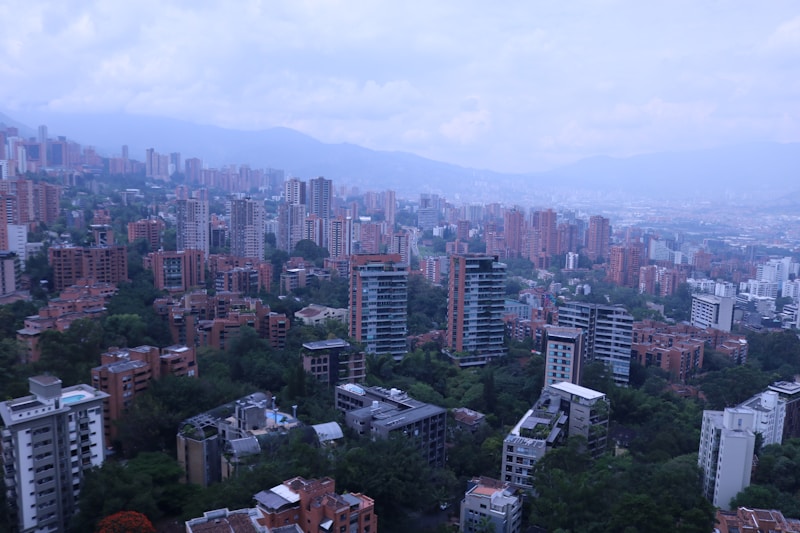
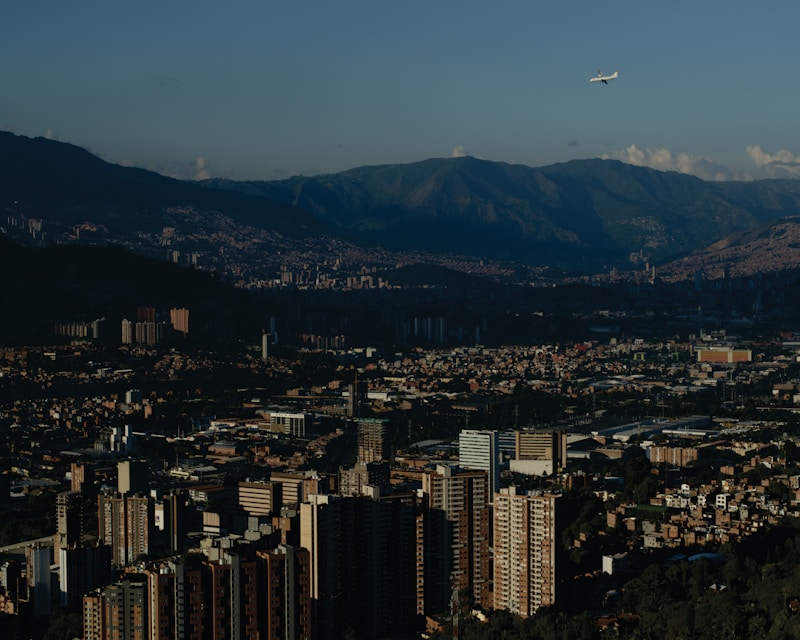
But here’s the nuance these oversimplified guides miss: paragliding safety isn’t about whether the activity itself is dangerous (statistically safer than driving to the launch site), but about specific operational standards that separate professional operators from cowboys cutting corners. The difference between safe, enjoyable flight and genuinely risky situation comes down to: pilot experience and certification, equipment maintenance protocols, weather decision-making (when to cancel versus push through marginal conditions), and whether the operator prioritizes safety over maximizing daily flights.
After paragliding multiple times in San Felix across different operators, seasons, and weather conditions—experiencing both perfect smooth flights with 30+ minute air time and sketchy afternoons when winds picked up mid-flight creating turbulence that had even experienced pilots working hard to maintain control, learning which operators actually check weight limits versus which just want your money, and understanding how weather timing affects not just safety but enjoyment (morning calm versus afternoon thermals)—I’ve learned what actually creates great paragliding experience versus what creates stories you’re relieved to have survived.
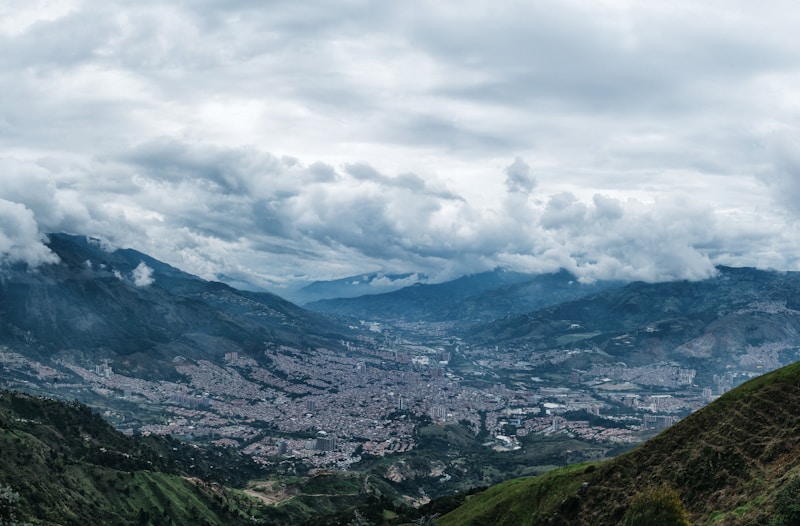
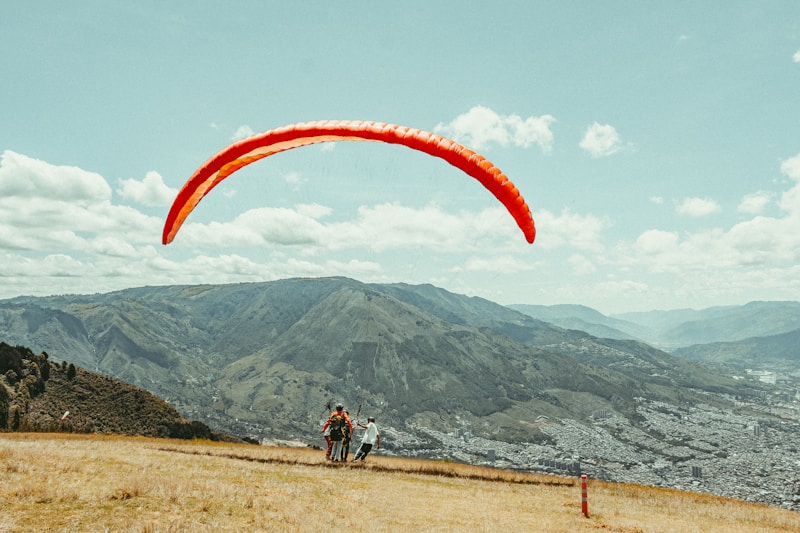
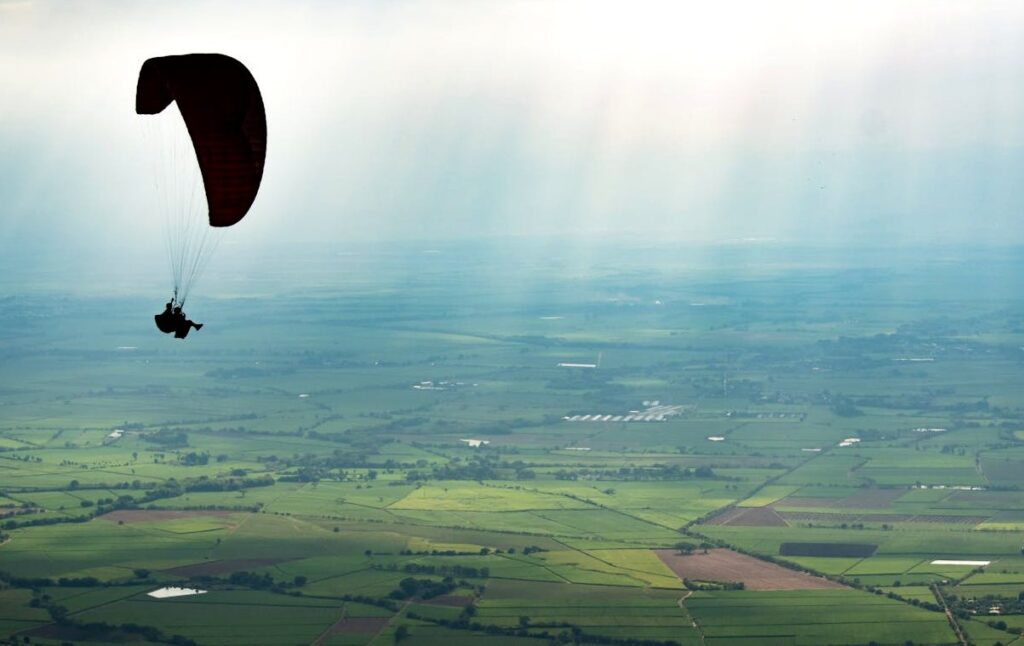
Paragliding in Medellín happens at San Felix, a small town 45 minutes north of Medellín in the Aburrá Valley mountains, where consistent thermal winds and valley geography create ideal conditions for tandem paragliding flights. Multiple operators offer 15-30 minute flights launching from mountain ridge with spectacular valley views, landing in San Felix town plaza. This is tandem paragliding (you fly with experienced pilot controlling the wing)—no experience required, though physical and mental preparation helps significantly.
This isn’t the “anyone can do it, totally safe, guaranteed amazing” propaganda some operators push. This is 2026 reality: when paragliding delivers incredible experience, what the actual risks are (mostly weather-related, not equipment failure), how to choose operators who prioritize safety over profits, what the experience physically and mentally involves (scarier than dangerous, but genuinely unsettling for some), and most importantly—the honest assessment of who should paraglide versus who would spend the entire flight terrified rather than enjoying views.
Planning Medellín activities? See our things to do guide for alternatives, when to visit for weather timing, where to stay for accommodation, and safety guide for general precautions.
Quick Facts: Paragliding at a Glance
Location: San Felix (45-60 minutes north of Medellín)
Flight Type: Tandem paragliding (you + experienced pilot)
- No experience required
- Pilot controls wing entirely
- You sit in harness enjoying ride
Typical Flight Duration:
- Standard: 15-20 minutes air time
- Extended: 25-30 minutes (weather dependent)
- Total experience: 3-4 hours including transport
Cost Range:
- Budget operators: Lower-mid tier per person
- Mid-range operators: Mid tier (most common)
- Premium operators: Upper-mid tier
- Photos/videos: Additional budget-friendly amount
Best Timing:
- Season: Year-round (Medellín eternal spring)
- Months: December-March (driest, clearest)
- Time of day: 9am-12pm (calm winds, best conditions)
- Avoid: Afternoons (stronger thermals, more turbulent)
Weather Requirements:
- Clear visibility essential
- Light winds (strong winds = cancellation)
- No rain (wet conditions = no flying)
- Cancellation rate: 10-20% (weather dependent)
Physical Requirements:
- Weight limits: Typically max range per person (varies by operator)
- Age: Usually minimum 5-6 years, no upper limit if healthy
- Fitness: Minimal (no running or climbing)
- Health: No recent surgery, heart conditions, pregnancy
Safety Considerations:
- Statistically safe activity (lower accident rate than driving)
- Risks: Weather changes, pilot error, equipment failure (rare)
- Operator quality matters enormously
- Morning flights significantly safer than afternoon
What You’ll Actually Experience:
- Initial launch: 5-10 seconds of running off cliff (scary but short)
- Flight: Sitting in harness, valley views, gentle turns
- Sensations: Like swing suspended in air, stomach drops during turns
- Landing: Pilot controls, you lift legs, smooth touchdown plaza
Common Fears vs Reality:
- “Will I fall out?” → Harness system has triple redundancy
- “What if wing collapses?” → Pilot trained for this, has backup systems
- “Is it scary?” → Launch is intense, flight is usually peaceful
- “Will I get sick?” → Possible if sensitive to motion, worse in afternoons
Cost Disclaimer: Pricing represents typical ranges observed 2024-2025 for tandem flights. Costs vary by operator, season, and inclusions (photos/videos, transport, insurance). Premium operators charge more for better equipment and experienced pilots—not just branding. Use tier frameworks (budget/mid-range/premium) for planning rather than fixed amounts. Prices checked January 2026.
Operator Comparison: Budget vs Mid-Range vs Premium
| Factor | Budget Operators | Mid-Range Operators | Premium Operators |
|---|---|---|---|
| Cost | Lower-mid tier | Mid tier | Upper-mid tier |
| Pilot Experience | 1-3 years typical | 3-5 years typical | 5-10+ years |
| Equipment Age | 3-5 years old | 2-4 years old | 1-2 years old |
| Weather Decisions | Fly marginal conditions | Cancel when questionable | Conservative cancellations |
| Weight Limits | Sometimes exceeded | Usually enforced | Strictly enforced |
| Group Size | 10-15 people | 6-10 people | 4-6 people |
| Safety Focus | Profit-driven | Balanced | Safety-first |
| Best For | Budget travelers, risk-tolerant | Most visitors | Safety-conscious, first-timers |
Getting to San Felix

Option 1: Operator Transport (Most Common)
Most paragliding operators include round-trip transport from Medellín in their packages.
How it works:
- Pickup at designated meeting point (often El Poblado metro or hotel)
- Van or bus to San Felix (45-60 minutes)
- All participants travel together
- Return after everyone finishes flying
Pros:
- Included in package cost
- No navigation needed
- Meet other participants
- Coordinated timing
Cons:
- Fixed schedule (wait for full group)
- Slower if stops for multiple pickups
- Can’t leave early if you want
Best for: First-timers, solo travelers, those without car
Option 2: Private Transport
Hire Uber or private driver to San Felix.
Costs:
- Uber from El Poblado: Mid-range tier each way
- Can split among group (2-4 people)
Pros:
- Flexibility on timing
- Direct route (faster)
- Can leave when you’re done
- Good for couples or small groups
Cons:
- More expensive if solo
- Must coordinate with operator for landing pickup
- Uber availability for return not guaranteed
Best for: Couples, groups, those wanting flexibility
Option 3: Public Transport (Not Recommended)
Technically possible via bus but complicated and time-consuming.
Why not recommended:
- Multiple bus transfers required
- No direct route from Medellín center
- 2+ hours each way versus 45 minutes
- Difficult to time with paragliding schedule
- Minimal cost savings versus hassle
Best for: Extreme budget travelers with time, Spanish fluency, and adventurous spirit
Transport Comparison: Which Option for You?
| Factor | Operator Transport | Private Uber/Driver | Public Bus |
|---|---|---|---|
| Cost | Included in package | Mid-range split among group | Budget tier |
| Travel Time | 45-60 min | 40-50 min | 2+ hours |
| Convenience | High (pickup included) | High (door to door) | Low (complex transfers) |
| Flexibility | Fixed schedule | Your timing | Very flexible but slow |
| Spanish Required | No | Minimal | Yes (essential) |
| Best For | Most visitors, solo travelers | Couples, groups of 3-4 | Extreme budget backpackers |
🔑 Local Secret: The best paragliding operators in San Felix aren’t necessarily the ones with slick websites or aggressive Instagram marketing—they’re the ones recommended by local paragliding pilots who fly there on their days off for personal recreation. Ask at Aeropark Medellín (paragliding school near Estadio metro) which San Felix operators they trust for their own family members flying tandem. The answer is usually 2-3 specific companies that: maintain equipment obsessively (changing reserve parachutes and lines more frequently than required), employ pilots with 5-10+ years experience (not fresh graduates), and most importantly—cancel flights without hesitation when weather becomes marginal even if it means losing day’s revenue. These conservative operators have fewer flights (less profit) but zero accidents. The aggressive operators who “always fly” unless conditions are obviously dangerous? They’re the ones with incident rates that don’t get publicized. Local pilots know the difference—their recommendations are based on who they’d trust with their non-pilot friends, not who pays for referrals.
What the Paragliding Experience Actually Involves
Pre-Flight Briefing (15-30 minutes)
What happens:
- Safety instruction from pilot
- Harness fitting and adjustment
- Launch technique explanation
- Emergency procedures overview
- Questions and answers
What to know: Good operators spend 20-30 minutes on thorough briefing. Rushed 5-minute “put this on, let’s go” approach is red flag for safety shortcuts.
Launch (5-10 seconds, most intense part)
The process:
- Pilot inflates wing behind you
- You’re attached to harness facing downhill
- Pilot says “run” when wing is stable
- You run forward 5-10 steps off edge
- Wing lifts you off ground
- You’re airborne
What it feels like:
- Terrifying moment of running toward cliff edge
- Sudden lift as wing catches you
- Brief stomach drop as ground falls away
- Within 3-5 seconds you’re flying, not falling
Common reactions:
- Screaming (completely normal)
- Laughing nervously
- “Oh shit” moment followed by “oh wow”
- Relief once airborne and stable
Reality check: Launch is scariest part psychologically but safest mechanically. Pilots do this 5-20 times daily. The “running off cliff” feels more dangerous than it is—wing is already supporting weight before you leave ground.
Flight (15-30 minutes, the actual experience)
What you do:
- Sit in harness (like swing seat)
- Hands free (hold GoPro selfie stick if you want)
- Look around at valley views
- Chat with pilot if not too loud
- Experience turns and maneuvers pilot performs
What it feels like:
- Peaceful floating (most of the time)
- Stomach drops during turns (like mild roller coaster)
- Occasional turbulence (bumpy air, unsettling but normal)
- Wind in face, temperature cooler at altitude
- Surreal sensation of being suspended in air
Pilot’s actions:
- Controls wing direction and altitude
- Catches thermals (rising warm air) for lift
- Performs gentle turns for views
- Monitors weather and other paragliders
- Plans landing approach
Photos/videos:
- GoPro mounted on pilot or wing
- Selfie stick for passenger shots
- Usually extra cost (budget-friendly range)
- Ask before flight what’s included
Motion sickness risk:
- Higher in afternoons (more turbulent)
- Worse if prone to car sickness
- Turns and thermals create stomach sensations
- Take motion sickness medication if concerned
Landing (30-60 seconds)
The process:
- Pilot positions for landing zone (San Felix plaza)
- You lift legs up as instructed
- Pilot flares wing for gentle touchdown
- You both land standing or sitting
- Wing settles behind you
What it feels like:
- Approaching ground faster than expected (looks scary)
- Pilot pulls brakes, wing slows dramatically
- Gentle touchdown (usually)
- Occasional tumble if wind gusts (rare, not dangerous)
Landing zone: San Felix town plaza serves as landing area. Spectators watch, creating pressure but also safety (many eyes on pilots).
Post-Flight (30+ minutes)
What happens:
- Pilot packs up wing
- Photo/video review and purchase
- Transport back to Medellín or free time in San Felix
- Adrenaline and excitement processing
San Felix exploration: Small town with few attractions but pleasant plaza, local restaurants, and authentic paisa atmosphere. Worth 30-60 minutes if you have time.
🔑 Local Secret: The single most important question to ask your pilot before takeoff isn’t about their experience or certifications—it’s “¿Qué condiciones harían que cancelaras el vuelo hoy?” (What conditions would make you cancel today’s flight?). Conservative, safety-focused pilots give specific technical answers: “Si el viento excede 15 km/h,” “Si hay nubes bajas en el valle,” “Si otros pilotos reportan turbulencia significativa.” Cowboys who fly in marginal conditions give vague answers: “Solo si es muy peligroso,” “Volamos casi siempre,” “No te preocupes, todo está bien.” The conservative pilot who describes specific thresholds for cancellation is demonstrating the weather decision-making that keeps you safe. The reassuring pilot who dismisses concerns and promises you’ll definitely fly? That’s who has incidents. Professional pilots respect weather’s power and have clear boundaries. Ask this question in Spanish (even through translator) and watch their reaction—it reveals everything about their safety culture.
What NOT to Do When Paragliding in Medellín
1. Don’t Choose Operator Based Only on Price
The mistake: Booking cheapest paragliding option to save moderate amount versus competitors
The reality: Budget paragliding operators cut costs somewhere—and it’s usually pilot experience, equipment maintenance, or safety protocols. The price difference between budget and mid-range operators is modest, but the safety and experience quality gap is significant. Cheap operators maximize flights per day (more revenue), push pilots to fly in marginal weather (avoid cancellation refunds), use older equipment (delayed replacement costs), and hire less experienced pilots (lower salaries).
What you’re risking: Flying with pilot who has 1-2 years experience versus 5+ years doesn’t matter when conditions are perfect—but when unexpected turbulence or weather changes occur mid-flight, experience determines whether it’s handled smoothly or becomes genuinely scary situation. Equipment age matters because paragliding wings degrade with UV exposure and use—3-year-old wing near end of service life responds differently than 1-year-old wing in prime condition.
What to do instead: Choose mid-range operators with established reputation, experienced pilots (ask how long pilot has been flying commercially), and maintained equipment (ask wing age and last inspection date). The moderate price difference justifies significantly reduced risk and better experience. If budget is extremely tight, skip paragliding rather than choose operator cutting safety corners.
2. Don’t Fly in Afternoon Conditions
The mistake: Booking afternoon paragliding slot because morning sold out or you wanted to sleep in
The reality: Paragliding conditions deteriorate significantly afternoon versus morning. Morning (9am-12pm) offers: calm winds, smooth air, stable thermals, better visibility, and predictable weather. Afternoon (2pm-6pm) brings: stronger thermal activity creating turbulence, unpredictable wind patterns, possible afternoon clouds reducing visibility, and increased risk of sudden weather changes. The difference isn’t subtle—morning flights are typically smooth and peaceful while afternoon flights often involve significant bumps, drops, and pilot working hard to manage turbulence.
How this creates problems: Turbulent flight isn’t just less enjoyable—it’s motion sickness inducing, anxiety triggering, and occasionally ventures into genuinely concerning territory when pilots struggle to maintain control in stronger-than-expected conditions. Afternoon flights have higher cancellation rates because weather becomes unpredictable. If you do fly, you’re more likely to experience uncomfortable sensations that overshadow the views and make you regret the experience.
What to do instead: Book morning flights (9-11am optimal). Wake up early even if you prefer sleeping in—paragliding is one activity where timing dramatically affects safety and enjoyment. If only afternoon slots available, seriously consider rescheduling for morning on different day rather than accepting afternoon conditions. Conservative operators don’t even offer afternoon slots because they know conditions are suboptimal.
3. Don’t Ignore Weight Limits
The mistake: Booking paragliding when you exceed operator’s stated weight limit, or lying about weight to avoid being turned away
The reality: Paragliding wings are designed for specific weight ranges that affect flight performance, control, and safety. Exceeding limits creates: reduced lift (harder to stay airborne), compromised maneuverability (pilot can’t control wing as precisely), faster landing speeds (harder touchdown), and increased stress on equipment (higher failure risk). Reputable operators strictly enforce limits. Sketchy operators let anyone fly because revenue matters more than safety.
Why operators let it slide: Turning away paying customer costs them money. Checking weight requires scales and uncomfortable conversations. Some operators just accept your stated weight without verification. This profit-over-safety mentality extends to other corners they cut.
What to do instead: Be honest about weight when booking. If you exceed typical limits (usually range maximum), ask if operator has larger wings or specialized equipment for heavier passengers—some do. If not, accept you can’t safely paraglide with standard equipment rather than pushing limits. Paragliding will still be here if you lose weight and return. Your safety isn’t worth the risk of wing failure or hard landing.
4. Don’t Fly Hungover or Sleep Deprived
The mistake: Paragliding morning after heavy drinking or on minimal sleep because “I paid already” or “I’ll be fine”
The reality: Paragliding requires: following pilot instructions precisely during launch and landing, staying calm when experiencing unexpected turbulence or sensations, and physical coordination for running takeoff and landing leg-lift. Hangover or exhaustion impairs: reaction time (dangerous during launch), nausea threshold (vomiting mid-flight is miserable), anxiety management (heightened fear response), and enjoyment capacity (too tired/sick to appreciate experience).
How this ruins experience: Motion from flight triggers nausea when you’re already queasy. Fear feels amplified when you’re not thinking clearly. You might not follow launch instructions properly creating awkward or dangerous takeoff. Post-flight you’ll regret wasting money on experience you couldn’t enjoy because of preventable impairment.
What to do instead: Treat paragliding day like important appointment—get proper sleep night before (minimum 7 hours), avoid heavy drinking night before (light drinking okay, but not getting drunk), eat light breakfast (empty stomach bad, heavy meal also bad), and arrive hydrated and alert. If you wake up genuinely hungover or exhausted, contact operator to reschedule rather than pushing through. Most allow rescheduling for weather or health reasons. Your future self will thank you for experiencing paragliding when you can actually enjoy it.
5. Don’t Skip Pre-Flight Briefing Information
The mistake: Not paying attention during safety briefing because you’re nervous, distracted, or assuming “pilot will handle everything”
The reality: While pilot controls wing entirely, your role during launch and landing directly affects safety and smoothness. Not understanding when to run, how fast to run, when to sit back in harness, when to lift legs for landing—these create complications ranging from awkward takeoffs requiring multiple attempts to hard landings where you don’t lift legs and hit ground running.
What briefing covers:
- Launch sequence and your role (when to run, how fast, when to stop)
- Flight position (sitting back in harness, not fighting against it)
- What to do if wing collapses (rare but possible—stay calm, pilot recovers)
- Landing sequence (lifting legs when instructed, staying relaxed)
- Emergency procedures (backup parachute deployment—extremely rare)
Why it matters: Pilot assumes you understood briefing. If you run too slow or stop during launch, wing might not inflate properly. If you panic and grab control lines during flight, you interfere with pilot’s steering. If you don’t lift legs at landing, you tumble rather than land standing.
What to do instead: Ask questions if anything unclear. Repeat back instructions to confirm understanding. Tell pilot if you’re particularly nervous so they can give extra guidance. Focus during briefing even if adrenaline is making concentration difficult—this 10 minutes of attention prevents problems during 20 minutes of flying.
6. Don’t Assume Conditions Will Be “Fine” Despite Weather Warnings
The mistake: Pressuring operator to fly when they’re expressing concerns about weather, or choosing operator who will fly despite marginal conditions because you don’t want to lose your deposit or waste travel time
The reality: Weather is the single biggest safety factor in paragliding. Pilots who cancel flights when conditions become questionable are protecting you even when it’s disappointing. Wind speed, direction, turbulence, visibility, approaching storms—all affect whether flying is safe versus risky. Conservative pilots cancel 10-20% of scheduled flights due to weather. Aggressive pilots fly 95%+ of time by accepting marginal conditions.
The pressure dynamics: You’ve paid, traveled to San Felix, arranged your day around this, and really want to fly. Operator wants your money and positive review. Pilot wants to keep job and maximize flights. All incentives push toward flying despite concerns. Only thing pushing back is pilot’s professional judgment and safety culture—which budget operators undermine by penalizing pilots who cancel too often.
What to do instead: Choose operators with cancellation-friendly policies (full refund or free reschedule for weather). Don’t pressure pilots to fly when they express concerns—trust their weather judgment over your disappointment. If pilot seems hesitant but willing to go if you really want, that’s red flag to decline. Good pilots make firm decisions and explain why conditions aren’t safe. If you must fly that specific day and weather is marginal, understand you’re accepting significantly elevated risk for convenience.
🔑 Local Secret: The paragliding pilots who actually live in San Felix (not commute from Medellín) have completely different relationship with the launch site and weather patterns than visiting pilots employed by tourist operators. Local pilots know: which wind directions create dangerous turbulence at specific points on ridge (locals avoid flying when wind comes from northeast even if technically within safety parameters), what cloud formations indicate approaching afternoon storms 30-60 minutes before they arrive (locals land early when they see these patterns), and which trees/landmarks show wind speed without instruments (local knowledge tourists don’t have). The absolute safest approach: ask if your assigned pilot lives in San Felix or commutes. San Felix residents have flown this exact site hundreds or thousands of times in all conditions—they’re intimately familiar with local microclimate. Commuting pilots might be technically skilled but lack the site-specific experience that prevents incidents. Operators employing local pilots typically charge slightly more because those pilots command premium salaries due to their valuable local knowledge. Worth every peso.
🔑 Local Secret: If you want to see what paragliding in San Felix actually looks like before committing money, go to the town plaza (landing zone) any clear morning 10am-1pm when flights are most active. You’ll watch 10-20 landings happen, see how smooth or rough they are, observe which operators’ pilots land gracefully versus which create awkward touchdowns or near-misses with spectators, and most importantly—you can chat with passengers immediately post-flight when adrenaline and honesty mix. Ask people wearing harnesses “¿Cómo fue?” (How was it?) and you’ll get unfiltered reactions: “increíble,” “un poco scary but amazing,” or occasionally “demasiado turbulento, no lo recomiendo” (too turbulent, don’t recommend it). This free research visit helps you: assess whether you’re actually comfortable with the activity (watching someone else do it feels different than committing yourself), identify which operators seem most professional (based on landing observations), and confirm weather is actually suitable for enjoyable flight (not just technically flyable). Bonus: if you approach pilots packing up and speak Spanish, many will chat about conditions, their background, and honest operator recommendations—information worth more than any online review.
Choosing a Paragliding Operator
What to Look For
Pilot qualifications:
- APPI or USHPA certification (international standards)
- Minimum 3-5 years commercial tandem experience
- Local experience at San Felix launch specifically
- Can show logbook or flight hours
Equipment standards:
- Wings manufactured within last 2-3 years
- Regular inspection schedule (ask when last inspected)
- Reserve parachute (all tandems should have this)
- Radio communication with ground crew
Safety protocols:
- Weight limits strictly enforced (they check)
- Weather decision-making conservative (cancel when marginal)
- Pre-flight briefing thorough (20+ minutes)
- Insurance included (liability and accident coverage)
Red flags to avoid:
- No questions about weight or health conditions
- Pilot seems rushed or distracted
- Equipment looks worn or dirty
- Can’t show certifications when asked
- Pressure to fly despite weather concerns
- Prices significantly below market rate
Recommended Operators (General Guidance)
Cannot endorse specific companies (changes frequently), but ask:
At your Medellín hotel: Which paragliding operator do they recommend and why? Hotels that regularly send guests know which operators have good safety records versus complaints.
In expat Facebook groups: Medellín expat communities have extensive paragliding discussion. Search for recent experiences and recommendations.
At Aeropark Medellín (paragliding school): Professional pilots know which San Felix operators are reputable. They have no financial incentive to recommend specific tourist operators.
From recent participants: If you meet someone who just paraglided (check hostels in El Poblado), ask about their experience. Recent first-hand information is most valuable.
Questions to Ask Before Booking
- “How long has your assigned pilot been flying commercially?” Good answer: “5+ years” Red flag: “He’s newer but very good” or vague response
- “How old is the wing I’ll fly on?” Good answer: “1-2 years old, inspected [specific recent date]” Red flag: “Our equipment is fine” or can’t provide age
- “What’s your cancellation policy for weather?” Good answer: “Full refund or free reschedule if we cancel for weather” Red flag: “We fly in almost any conditions” or partial refund only
- “What’s the weight limit and how do you verify it?” Good answer: “Maximum [specific weight], we weigh all passengers” Red flag: No limit mentioned or honor system weight
- “What happens if I’m too scared to launch?” Good answer: “We talk through it, but won’t force you. Refund depends on when you decide” Red flag: “Everyone flies, you’ll be fine” without acknowledging legitimate fear
Safety Reality: Risks vs Fears
Actual Safety Statistics
Paragliding fatality rate worldwide: ~1 in 10,000-15,000 flights For comparison:
- Driving: ~1 in 5,000
- Commercial flying: ~1 in 7 million
- Skydiving: ~1 in 100,000
Tandem paragliding (what you’re doing) is safer than:
- Driving to San Felix from Medellín
- Many extreme sports (rock climbing, skydiving)
- Riding motorcycle in Medellín
Context: Statistically, paragliding is relatively safe activity. Most accidents involve solo pilots (not tandem passengers), occur in extreme conditions, or result from pilot error—all less likely with professional tandem operators.
Real Risks (What Can Actually Go Wrong)
Weather changes:
- Wind picks up unexpectedly mid-flight
- Thermals become more turbulent than anticipated
- Visibility decreases suddenly
Mitigation: Morning flights, conservative operators, pilot experience
Equipment issues:
- Line tangle (pilot trained to resolve)
- Wing collapse (pilot trained to recover, has backup systems)
- Reserve parachute deployment needed (extremely rare)
Mitigation: Well-maintained equipment, regular inspections, reputable operators
Landing complications:
- Wind gusts during landing approach
- Hard touchdown if passenger doesn’t lift legs
- Minor tumbles (occasionally happen, rarely injure)
Mitigation: Follow landing instructions, pilot skill
Passenger panic:
- Grabbing control lines (dangerous—hands pilot what to avoid)
- Fighting against harness (creates control issues)
- Not following launch instructions (awkward takeoff)
Mitigation: Pre-flight briefing, calm communication, trust pilot
Imagined Fears vs Reality
“What if I fall out of the harness?” Reality: Triple redundancy system—main attachment, backup attachment, leg straps. Has never happened in tandem flight with properly fitted harness.
“What if the wing just collapses?” Reality: Modern paragliding wings designed to resist collapse. If partial collapse occurs, pilot trained to recover using standard techniques. Full collapse is extremely rare and pilot has reserve parachute.
“What if we crash into the mountain?” Reality: Pilots have extensive training in wind conditions and terrain avoidance. They fly this route daily. Terrain collision is essentially non-existent risk with competent pilot.
“What if something happens to the pilot?” Reality: If pilot became incapacitated (never happened to my knowledge), you’d deploy reserve parachute using handle on harness. Backup systems exist for this scenario.
Bottom line on safety: The scariest-feeling moments (launch, turns, landing approach) are mechanically safe but psychologically intense. The actual risks are weather-related and equipment-related—both manageable with good operator choice and morning timing. Your fear response is normal and doesn’t reflect actual danger level.
Bottom Line: Is Paragliding in Medellín Worth It?
Paragliding in Medellín is worth it for adventurous travelers comfortable with heights and turbulence who choose reputable operators and fly in morning conditions. The experience delivers genuine thrill, spectacular valley views, and unique perspective on Medellín impossible to get otherwise. It’s not worth it for those with serious fear of heights, motion sensitivity, or unwilling to accept inherent uncertainty of weather-dependent activity.
Do it if:
- Comfortable with heights (or willing to push through fear)
- Interested in adventure activities and new experiences
- Can dedicate morning timing (9am-12pm optimal)
- Choose mid-range or premium operator (safety priority)
- Accept weather cancellation possibility without frustration
- Understand it’s genuinely thrilling (not relaxing scenic flight)
- Want unique Medellín experience beyond typical tourism
- Physically healthy with no serious medical restrictions
Skip it if:
- Serious fear of heights (won’t enjoy, will be terrified)
- Prone to motion sickness (flight turbulence will trigger it)
- Can’t afford mid-range operator (don’t go budget for safety)
- Only afternoon timing available (conditions significantly worse)
- Need guaranteed activity (weather cancellations happen)
- Prefer controlled, predictable experiences (paragliding isn’t)
- Have recent surgery, heart conditions, or pregnancy
- Rather spend money on other Medellín activities
The honest assessment: After multiple paragliding experiences in San Felix, the spectrum of outcomes is wide. Best-case scenario—calm morning flight with experienced pilot, smooth air, clear views, gentle landing—is genuinely amazing and creates lasting memory. Worst-case scenario (that’s still “safe”)—afternoon turbulence, pilot working hard to maintain control, stomach-churning bumps, awkward landing—creates story you’re relieved survived but didn’t enjoy during. The difference between these extremes comes down to operator choice, weather timing, and luck.
What actually determines satisfaction: Not whether you’re “adventurous” or “brave”—it’s whether you can enjoy the flight despite unsettling sensations. Some people feel terror entire time despite objectively safe situation. Others scream during launch then relax and enjoy views. You won’t know which category you’re in until you’re airborne. If you’ve done zip-lining, bungee jumping, or skydiving and enjoyed them, you’ll probably enjoy paragliding. If you hated those activities or haven’t tested your height tolerance, paragliding is expensive gamble on whether your fear response will allow enjoyment.
Decision framework:
- Done adventure activities before? → Yes and enjoyed = likely enjoy paragliding; Never tried = uncertain outcome
- Okay with morning timing? → Yes = better conditions; Only afternoon = skip it
- Can afford mid-range operator? → Yes = acceptable risk; Only budget = too risky
- Accept possible cancellation? → Yes = book it; No = will frustrate you
- Genuinely interested vs social pressure? → Interested = do it; Pressure = skip it
What to remember: Paragliding is safe enough that millions do it annually with minimal incidents, but thrilling enough that it requires genuine comfort with uncertainty and heights. It’s not for everyone, and that’s fine. Medellín offers dozens of excellent activities that don’t involve launching off cliffs. Choose paragliding because you want unique aerial perspective and adventure experience, not because you feel like you “should” do it for Instagram or to prove something.
If you choose to paraglide: research operators thoroughly, book morning flights, follow safety instructions precisely, and trust that the fear you feel during launch doesn’t reflect actual danger level. Within 30 seconds of being airborne, most people transition from “oh shit” to “oh wow.” That moment when you realize you’re safely suspended in air with Aburrá Valley spread below—that’s what makes paragliding worth the fear.
Frequently Asked Questions
Is paragliding in Medellín safe?
Paragliding in Medellín (at San Felix launch site) is relatively safe when you choose reputable operators, fly in morning conditions, and follow safety protocols. Statistically, tandem paragliding has lower accident rates than driving to the launch site, with fatality rates around 1 in 10,000-15,000 flights worldwide. The activity is safer than many extreme sports like rock climbing or skydiving, though not risk-free.
What makes it safe: Triple-redundancy harness systems (you cannot fall out), experienced pilots trained for emergency situations (wing collapse recovery, reserve parachute deployment), modern equipment with regular inspections, and conservative weather decision-making by professional operators.
Real risks that exist: Weather changes mid-flight (wind picking up, unexpected turbulence, visibility decreasing), equipment issues rare but possible (line tangles, partial wing collapse—both pilot-recoverable), landing complications (wind gusts, hard touchdowns if you don’t follow instructions), and operator quality variation (budget operators cutting corners on pilot experience, equipment maintenance, or weather protocols).
Safety depends heavily on:
Operator choice: Reputable mid-range operators prioritize safety over profits—they employ pilots with 5+ years experience, maintain equipment rigorously (replacing wings every 2-3 years, inspecting regularly), and cancel flights when weather becomes marginal (10-20% cancellation rate). Budget operators maximize revenue by: using less experienced pilots (1-2 years), flying older equipment (3-5 years old), and pushing through marginal conditions to avoid refunds (5% cancellation rate—flies almost always).
Timing: Morning flights (9am-12pm) are significantly safer than afternoon flights (2pm-6pm). Morning air is calm, winds predictable, visibility better, thermals stable. Afternoons bring stronger thermal activity creating turbulence, unpredictable wind patterns, and increased risk of sudden weather changes. Most paragliding incidents happen in afternoon conditions.
Your role: Following pre-flight briefing instructions (when to run during launch, staying relaxed in harness, lifting legs at landing), staying calm if turbulence occurs (not grabbing control lines or fighting pilot’s maneuvers), and being honest about weight/health conditions.
What’s scary versus what’s dangerous: Launch feels terrifying (running off cliff edge) but is mechanically safe—wing is already supporting your weight before you leave ground. Turbulence feels dangerous (bumps, drops, wing moving above you) but pilot is trained to handle this and wing is designed to stay inflated. The scariest moments are usually safest mechanically. Actual danger comes from: flying in marginal weather when conservative pilots would cancel, exceeding weight limits that affect wing performance, or choosing operators who cut safety corners.
Injury statistics: Most paragliding injuries are minor (twisted ankles from landing, bruises from tumbles). Serious injuries are rare in tandem flights with professional operators. Fatalities are extremely rare—when they occur, typically involve solo pilots in extreme conditions or significant pilot error, not tandem passengers with reputable operators in normal conditions.
How to maximize safety: Choose mid-range or premium operators (not budget), book morning flights (9-11am optimal), verify pilot has 3-5+ years experience, confirm equipment is well-maintained (ask wing age and last inspection), and fly with operators who have conservative cancellation policies (willingness to cancel shows safety priority). Don’t pressure pilots to fly if they express weather concerns—trust their judgment.
Bottom line: Paragliding is safe enough that millions of people do it annually with minimal incidents, but not so safe you can ignore operator quality and weather timing. Choose carefully, fly in optimal conditions, and follow instructions—you’ll have thrilling but safe experience. Choose poorly or fly in marginal afternoon conditions—you’re accepting significantly elevated risk for convenience or cost savings.
How much does paragliding in Medellín cost?
Paragliding in Medellín costs budget tier for budget operators to upper-mid tier for premium operators per person for tandem flight including transport from Medellín to San Felix, 15-30 minute flight, and return transport. Photos and videos typically cost additional budget-friendly amount. Price variation reflects operator quality differences—not just branding.
Price breakdown by operator tier:
Budget operators (lower-mid tier): Cheapest option but cut costs through: less experienced pilots (1-3 years commercial flying), older equipment (3-5 year old wings), flying in marginal weather conditions to avoid cancellations, larger group sizes (10-15 people means longer waits), and minimal safety briefings. Save moderate amount versus mid-range but accept higher risk and potentially compromised experience.
Mid-range operators (mid tier): Most common choice offering balanced value. Employ pilots with 3-5 years experience, maintain equipment properly (2-4 year old wings), cancel flights when weather becomes questionable, smaller groups (6-10 people), thorough safety briefings. This tier offers acceptable safety standards without premium pricing.
Premium operators (upper-mid tier): Highest safety standards and best experience. Veteran pilots with 5-10+ years experience, newest equipment (1-2 year old wings, frequent replacements), very conservative weather cancellations, small groups (4-6 people), comprehensive briefings and customer service. Extra cost buys measurably better safety and smoother experience—worth it for first-timers or safety-conscious travelers.
What’s included typically: Round-trip transport from designated Medellín pickup points (often El Poblado metro or hotels), tandem flight with certified pilot (15-30 minutes air time depending on conditions), safety equipment (harness, helmet), basic insurance (liability coverage), and landing in San Felix plaza.
What costs extra usually: Photos and videos (GoPro footage, selfie stick shots) add budget-friendly range—some operators include basic photos, others charge for professional packages. Tips for pilot (optional but appreciated if experience was good). San Felix food or activities if you spend time in town. Transport from non-standard pickup locations.
Hidden costs to consider: Weather cancellations may require rebooking (check refund policy—good operators offer full refund or free reschedule, sketchy operators have partial refund or credit only). If you arrive in San Felix and decide you’re too scared to launch, most operators won’t refund (you paid for their time and transport). Motion sickness medication if you’re prone to nausea. Breakfast before flight (important but often forgotten expense).
How to assess if price is fair: Extremely cheap prices (significantly below market) are red flag—operator is cutting corners somewhere (pilot salaries, equipment maintenance, or safety protocols). Extremely expensive prices might include premium services (celebrity pilot, extended flights, professional photos) or just brand markup. Mid-range pricing is usually fair value for standard safe experience.
Budget strategy that’s safe: Choose mid-range operators (acceptable safety at reasonable cost), book morning flights when conditions are best (afternoon slots are same price but worse experience), skip expensive photo packages unless you really want them (pilot’s GoPro footage is usually sufficient), and share transport costs with travel companions if booking private driver option.
Budget strategy that’s risky: Choosing cheapest operator to save moderate amount (compromises safety significantly), trying to negotiate lower prices (operators who discount heavily are cutting corners), or skipping insurance upgrades that reputable operators include.
What determines final cost: Operator tier (budget/mid/premium), season (high season December-March sometimes has slight premium, low season May-August sometimes discounted), group size (private bookings cost more, shared tours cheaper per person), flight duration (longer flights cost more when offered), inclusions (photos, insurance, premium pickup locations add cost).
Honest value assessment: Paragliding in Medellín is moderately expensive activity—not budget-friendly like many Medellín experiences. For the cost, you get 15-30 minutes of actual flight time plus 3-4 hours total experience including transport and preparation. Whether that represents good value depends on: how much you value unique aerial perspective and adventure experience, whether you choose operator that delivers safe smooth flight versus sketchy scary one, and whether weather cooperates (perfect day makes it worthwhile, turbulent day makes you question the expense).
For other Medellín activity costs: Complete activities guide and pricing.
What is the best time to go paragliding in Medellín?
The best time to paraglide in Medellín is morning flights (9am-12pm) during dry season months (December-March). Morning timing is more critical than seasonal timing—flying at 10am in rainy season is safer and more enjoyable than flying at 4pm in dry season. Weather conditions vary more by time of day than time of year in Medellín’s eternal spring climate.
Time of day (most important factor):
Morning (9am-12pm)—OPTIMAL: Calm winds (5-10 km/h typical), smooth air with minimal turbulence, stable thermal conditions (rising warm air is predictable), clear visibility (morning haze burns off by 9-10am), and best weather window before afternoon changes. Pilots are fresh (not fatigued from multiple flights), equipment is in best condition (hasn’t experienced full day of wear), and backup weather window exists if conditions deteriorate slightly (can wait 30 minutes for improvement).
Why morning is safest: Air is calmest after overnight cooling, thermals are just beginning (providing lift without violence), wind patterns are predictable (not influenced by afternoon heating), and visibility is maximum (important for seeing other paragliders and planning landing). Most professional pilots prefer morning flights for personal recreation—this reveals their genuine safety preference.
Afternoon (2pm-6pm)—AVOID IF POSSIBLE: Stronger thermal activity creates turbulence (bumpy, stomach-churning flight), unpredictable wind patterns (harder for pilot to control), possible afternoon clouds reducing visibility (can develop quickly), increased risk of sudden weather changes (afternoon storms in rainy season), and pilots fatigued from multiple morning flights. Afternoon flights have higher cancellation rates (20-30% versus 10% morning) because weather becomes less reliable.
Why afternoon is worse: Sun heating ground all day creates strong rising air columns (thermals) that provide lift but cause turbulence and unpredictable bumps. Wind picks up as temperature differences drive air movement. Clouds can form rapidly reducing visibility. These factors combine to create flight that’s technically safe (experienced pilot can handle it) but significantly less enjoyable and occasionally ventures into genuinely concerning territory.
Season considerations:
Dry season (December-March)—BEST: Lowest rainfall, clearest skies, most consistent weather patterns, highest success rate for completed flights (fewer cancellations). December-January are peak tourist months so operators are busiest (book advance). February-March still excellent with slightly fewer crowds.
Shoulder seasons (April-May, October-November): Moderate rainfall, occasional cancellations but many good flying days, less crowded than peak season, and sometimes slightly discounted prices. April-May can be excellent (transitioning to dry season). October-November has more variability (rainy season starting or ending).
Rainy season (June-September): Highest rainfall, more frequent cancellations (15-25% versus 10% dry season), afternoon storms more common, but morning windows often still flyable. Cheapest prices and smallest crowds if weather cooperates. Not recommended if you have limited time in Medellín and can’t reschedule easily.
Weather variability context: Medellín’s location in Aburrá Valley creates microclimate with relatively stable year-round conditions (why it’s called City of Eternal Spring). Even in rainy season, mornings are often clear and flyable before afternoon clouds develop. Even in dry season, occasional weather systems bring rain. Point being: time of day matters more than time of year, though dry season maximizes your success probability.
Day of week: Weekdays (Tuesday-Thursday) are less crowded than weekends. Operators have more flexibility to accommodate schedule changes. Pilots are less rushed with smaller groups. Saturday-Sunday bring Colombian domestic tourists creating larger groups and longer waits. Not safety difference but experience quality difference.
Booking strategy for best conditions: Book morning slot (9-11am optimal, first flight of day if possible) during dry season months (December-March ideal, April-May acceptable). Choose operator with flexible rescheduling policy so if weather is marginal the morning you booked, you can move to better day without penalty. Avoid afternoon slots even in perfect season—morning timing is non-negotiable for optimal experience.
What if only afternoon available: Seriously consider rescheduling to different day with morning slot versus accepting afternoon timing. Afternoon flights are still technically safe with good operators, but the experience quality gap between calm morning air and turbulent afternoon conditions is dramatic. You’re paying same price for significantly compromised experience.
For broader Medellín timing: Complete seasonal guide and weather patterns.
Do I need experience to paraglide in Medellín?
No, you need zero experience to paraglide in Medellín because all tourist paragliding is tandem flights where experienced pilot controls the wing entirely while you’re passenger enjoying the ride. Tandem paragliding is designed specifically for people with no flying experience—you don’t touch controls, make navigation decisions, or need any technical knowledge. Your only roles are following launch and landing instructions, which pilot explains thoroughly before flight.
What “no experience required” actually means: Pilot handles everything technical—wing inflation during takeoff, steering during flight, catching thermals for lift, avoiding turbulence when possible, monitoring weather and other paragliders, planning landing approach, and executing touchdown. You sit in harness like passenger in swing, hands free, enjoying valley views while pilot does all work.
Your role is minimal: During launch—run forward when pilot says “run” for 5-10 steps until wing lifts you off ground (feels like running downhill before sudden lift). During flight—sit back in harness, stay relaxed, don’t grab control lines or fight against pilot’s maneuvers. During landing—lift legs when pilot instructs so you don’t hit ground running. That’s it. Zero technical skills needed.
Physical requirements (more relevant than experience):
Weight limits: Most operators have maximum weight range (typically around moderate to upper range per person, varies by operator and wing size). This isn’t negotiable—exceeding limits affects wing performance and safety. Some operators have larger wings for heavier passengers if you exceed standard limits.
Mobility: Must be able to: run 5-10 steps during launch (doesn’t need to be fast sprint, just forward movement to help wing inflate), sit in harness for 15-30 minutes (standard sitting position, not uncomfortable), and lift legs during landing when instructed. If you can walk normally and follow basic instructions, you can paraglide.
Age restrictions: Most operators allow minimum age 5-6 years (with parent consent) and no maximum age if you’re healthy enough to meet mobility requirements. I’ve seen 70+ year old passengers fly successfully—age doesn’t matter if you’re mobile and can follow instructions.
Health restrictions: Operators typically exclude: pregnant women (flight turbulence risk), people with recent surgery or injuries (physical stress of flight), severe heart conditions (adrenaline and altitude changes), and conditions that might cause sudden incapacitation (seizures, etc.). If you have health concerns, disclose to operator—they’ll assess whether you can safely fly.
Mental preparation matters more than physical: Paragliding is more mentally challenging than physically demanding. The psychological experience of: running toward cliff edge during launch, feeling wing lift you into air, experiencing stomach drops during turns, seeing ground from height, and trusting pilot with your safety—these create anxiety that has nothing to do with your physical capabilities or previous experience.
What helps even without experience:
Comfort with heights: If you’ve done zip-lining, bungee jumping, or similar height-based activities and enjoyed them, you’ll likely handle paragliding well psychologically. If heights terrify you and you’ve never tested that fear, paragliding is expensive gamble on whether you can overcome terror enough to enjoy experience.
Ability to trust pilot: You have zero control once airborne—pilot makes all decisions. If you’re comfortable relinquishing control and trusting someone else’s expertise, you’ll relax and enjoy flight. If you need to be in control or don’t trust easily, you’ll spend entire flight anxious.
Motion tolerance: Paragliding involves sensations similar to mild roller coaster—stomach drops during turns, bumps from turbulence, swaying motion. If you get carsick or seasick easily, you might feel nauseous during flight (worse in afternoon turbulence). Motion sickness medication can help.
What pre-flight briefing covers: Even without experience, you’ll receive 15-30 minute safety briefing explaining: harness system and how it works, launch sequence and your specific role (when to run, how fast), what to expect during flight (sensations, sounds, pilot’s actions), landing sequence and leg-lifting timing, what to do if you’re scared (tell pilot, they can talk you through it), and emergency procedures (extremely rare but you should know backup parachute exists).
Bottom line: Lack of experience is not barrier to paragliding—the activity is designed for beginners and requires no previous flying knowledge or technical skills. Your suitability depends more on: physical ability to meet basic mobility requirements, mental comfort with heights and loss of control, and trust in professional pilot’s expertise. If you can run a few steps, sit in harness, and follow simple instructions, you have the “experience” needed for successful tandem paragliding flight.
What should I wear for paragliding in Medellín?
Wear closed-toe athletic shoes (sneakers), comfortable pants (jeans or athletic), and layered clothing (t-shirt plus light jacket) for paragliding in Medellín. Temperature at launch altitude is cooler than Medellín city, wind during flight creates additional chill, but sun exposure while waiting can be warm. Prioritize comfort and mobility over fashion—you’ll be sitting in harness and need to run during launch.
Footwear (most important):
Required: Closed-toe athletic shoes or hiking boots with good ankle support. You’ll run 5-10 steps during launch on uneven ground, and secure footwear prevents twisted ankles. Sneakers work perfectly. Many operators won’t let you fly in inappropriate shoes (safety liability).
Avoid: Sandals, flip-flops, open-toe shoes (dangerous for launch and landing), high heels (obviously), or brand-new shoes causing blisters (you’ll be walking around San Felix town too). Boots are fine but heavy hiking boots unnecessary—running shoes sufficient.
Clothing layers:
Base layer: Comfortable t-shirt or light long-sleeve shirt. Cotton or moisture-wicking both fine. Avoid loose fitting tops that might flap violently in wind or get caught in harness straps.
Middle layer: Light jacket, hoodie, or long-sleeve shirt you can tie around waist if too warm. Launch site is higher altitude than Medellín (cooler temperature), and wind during flight creates wind chill effect. Even in warm weather, you might want light layer aloft.
Pants: Jeans, athletic pants, hiking pants, leggings—anything comfortable for sitting and running. Avoid skirts or dresses (harness goes between legs, creates awkward/immodest situation). Shorts acceptable but legs get cold in wind—long pants preferred.
Temperature context: Medellín city might be comfortable moderate temperature, but San Felix launch site is higher elevation (cooler by several degrees), and wind during flight creates additional cooling effect. Better to bring layer you don’t need than be cold entire flight unable to warm up.
Sun protection:
Sunglasses: Highly recommended. Flying toward sun without eye protection is miserable. Secure them with strap (croakies/sports band) so they don’t fly off during launch or flight. Pilot may provide if you forget.
Sunscreen: Apply before flight. Sun exposure at altitude is stronger than ground level. At minimum, face and neck. Arms if wearing short sleeves. Reapply if you spend time in San Felix after landing.
Hat: Optional but helpful for sun protection while waiting. Baseball cap okay if secured (might fly off during launch—pilot will tell you when to remove). Wide-brim hats usually not allowed during flight (wind catches them).
What NOT to bring or wear:
Loose jewelry: Necklaces, bracelets, dangly earrings can get caught in harness straps or blow off in wind. Leave valuable jewelry at accommodation or wear minimal simple pieces.
Watches/fitness trackers: Usually fine but could get scratched or damaged. If expensive watch, consider leaving it.
Scarves or loose accessories: Anything that can flap in wind or get tangled in equipment is safety hazard. Pilot will make you remove before flight.
Excessive clothing layers: You’ll be wearing harness over clothes. Too many bulky layers make harness fitting difficult and uncomfortable. 2-3 layers maximum.
What to bring in pockets:
Secure phone: In zippered pocket if you want to take photos/videos during flight. Pilot may allow you to hold it, but secure pocket prevents dropping it (happens occasionally—phone gone forever). Some people leave phone in van and just enjoy experience.
Small amount of cash: For tips, San Felix snacks, or emergency. Don’t bring wallet full of cash or cards (could fall out). Minimal money in secure pocket.
ID: Passport copy or Colombian ID if you have one. Not strictly necessary but good practice.
What operator provides: Harness (full-body system you sit in), helmet (head protection for launch/landing), sometimes gloves (if cold), and sometimes wind jacket if you’re underdressed. Everything else is your responsibility to bring appropriately.
Bottom line: Dress like you’re going for moderate hike on cool morning—comfortable, practical, layered for temperature changes. Nothing loose that can fly off or get tangled. Closed-toe athletic shoes non-negotiable. Sun protection important. You’ll be comfortable and safe with this approach, and pilot won’t make you change clothes or remove accessories before flying.
Can I take photos or videos while paragliding?
Yes, you can take photos and videos while paragliding, though most passengers use operator’s GoPro package (budget-friendly additional cost) rather than personal phone because: hands are occupied holding harness during intense moments, dropping phone is real risk, and professional footage from pilot’s mounted camera captures better angles than passenger selfies. Personal phone use is allowed but comes with challenges and risks.
Operator photo/video packages:
What’s included typically: GoPro mounted on pilot’s helmet or wing capturing your reactions, aerial valley views, takeoff and landing sequences, and flight highlights. Some operators include basic package (10-15 photos), while others charge budget-friendly range for full photo + video package (100+ photos, 5-10 minute edited video). Digital delivery via link or USB within hours or days of flight.
Quality: Professional footage from experienced pilot who knows best angles and moments to capture beats shaky passenger phone videos. Helmet-mounted GoPro gets perspectives impossible with phone—bird’s eye view of valley, wing overhead, your facial expressions during launch screaming moment.
Is it worth the cost: For most people, yes. The budget-friendly additional amount preserves memories you can’t recreate and provides proof-of-experience for friends/family who don’t believe you actually did it. Alternative is relying on memory only (experience is great but photos help you remember and share it).
Using your personal phone:
When it’s allowed: Most pilots permit phone use during flight once you’re stabilized in air (not during launch or landing). You’ll need to ask pilot before pulling phone out—some prefer you keep hands on harness, others are comfortable with careful phone use.
How to do it safely: Use wrist strap or phone lanyard attached to your body (NOT just holding it—you will drop it eventually from turbulence or pilot’s sudden maneuver). Keep phone in zippered pocket until pilot says okay to use. Selfie stick helps but pilot may veto it if interferes with controls or creates tangle risk. Take photos during calm moments, put phone away when pilot is maneuvering or conditions get bumpy.
Risks: Dropping phone is most common risk—turbulence, sudden turn, or fumbling with cold hands sends phone tumbling to valley below (gone forever, no recovery). Wind can rip phone from hands even when you think you have secure grip. Phone screen glare in bright sun makes seeing photos difficult. Cold temperatures at altitude drain battery faster and can make touchscreen unresponsive.
Photo quality from passenger perspective: Usually worse than operator footage. Your hands shake from adrenaline, wind, and harness vibration creating blurry photos. Angle is limited to what you can reach (mostly selfies with valley background). During exciting moments (turns, drops), you’re gripping harness not holding phone. Professional package captures moments you’re too scared/distracted to photograph yourself.
Alternative approaches:
Buy operator package + use phone sparingly: Get professional footage guaranteed, then take few personal photos/videos during calm moments for your own perspective. Best of both approaches without risking expensive phone for mediocre photos.
Go phone-free: Some people prefer being fully present in experience rather than worried about documenting it. Operator photos provide proof you did it, your memory provides the experience. Valid approach especially if you tend to experience activities through camera lens rather than direct attention.
GoPro rental: Some operators offer action camera rental (add budget-friendly amount to package) letting you control footage while getting better quality than phone. Good middle ground between operator package and personal phone.
Group coordination: If flying with friends/family, one person buys photo package capturing whole group’s experience. Everyone benefits from shared footage at fraction of individual package cost. Coordinate beforehand to avoid everyone buying duplicate packages.
What pilots prefer: Most pilots prefer you not use phone during flight (one less thing to worry about, keeps you focused on experience and safety, eliminates distraction). They’re much more comfortable with you buying their photo package (they control camera, you enjoy flight). Pilots who aggressively push photo packages want revenue; pilots who mention it casually are being helpful not salesy.
Bottom line recommendation: Buy operator’s photo/video package for budget-friendly additional cost, keep phone secured in zippered pocket, and fully experience the flight without distraction of trying to capture mediocre footage yourself. The professionally mounted camera will capture everything important—your screaming face during launch, spectacular valley views, smooth flight moments—from better angles than you could manage with phone while sitting in harness experiencing adrenaline rush. Save the phone selfies for ground-level San Felix plaza where dropping it doesn’t mean losing it forever.
What if I’m scared or change my mind about paragliding?
If you’re scared before paragliding or change your mind at launch, professional pilots will talk you through fears and give you option to decline without pressure, though refund policies vary by operator and timing. Fear is completely normal—most first-time passengers feel terror during launch regardless of how brave they consider themselves. The question is whether fear prevents you from flying or becomes manageable once airborne.
Normal fear levels:
Pre-flight anxiety: Nearly everyone experiences nervousness before paragliding—this is healthy survival instinct recognizing you’re about to do something outside normal human experience (launching off cliff suspended by fabric wing). Butterflies in stomach, racing heart, sweaty palms, questioning your life choices—all completely normal even for adventurous people.
Launch terror: The 5-10 seconds of running toward cliff edge and launching into air typically creates intense fear response—screaming, nervous laughing, “oh shit” moments. This also is normal and doesn’t mean you’re too scared to fly. Most people transition from terror to wonder within 30 seconds of being airborne when they realize they’re safely suspended rather than falling.
When fear becomes problem: If you’re so scared you: physically cannot make yourself run during launch (freezing at cliff edge), experience panic attack symptoms (hyperventilating, can’t catch breath, extreme dizziness), or are terrified entire flight unable to relax enough to see views—then fear level exceeds what’s manageable and you probably shouldn’t fly.
What pilots do when you’re scared:
Before flight: Good pilots recognize fear, acknowledge it’s normal, explain what will happen to reduce uncertainty, and talk through specific fears (“What if I fall out?” → explain harness system redundancy). They give you moment to decide if you want to proceed, without pressure or judgment if you decline.
At launch: If you’re hesitating but want to try, pilot will count down (“3, 2, 1, run!”) to help you commit through moment of fear. If you absolutely refuse to run or are too scared to follow instructions safely, they’ll abort launch and bring you back from edge. No pilot wants to force terrified passenger who might panic mid-air and create dangerous situation.
During flight: If you’re scared aloft, pilot can: talk you through it explaining what’s happening, fly more conservatively (avoiding aggressive turns), shorten flight if you’re truly miserable, and provide reassurance. They cannot land immediately if you panic—they need appropriate landing zone and conditions. You’re committed to full flight once airborne.
Refund and cancellation policies:
Before arriving at San Felix: Most operators offer full refund or free reschedule if you cancel with advance notice (24-48 hours typical). Weather cancellations initiated by operator always get full refund or reschedule.
After arriving but before launch: This is where policies vary significantly. Some operators refund nothing (you used transport and guide’s time). Some refund partial amount (transport cost deducted). Best operators refund if you decide before harness fitting (recognition that fear is legitimate reason), but nothing if you back out at cliff edge after full preparation.
After launching: Once airborne, no refunds ever. You got the service (flight), whether you enjoyed it or were terrified entire time. If you hate the experience mid-flight, you still pay full price.
How to handle fear productively:
Assess honestly before booking: If you’ve never done adventure activities and have serious fear of heights, paragliding might not be right choice regardless of how “cool” it looks. Don’t book activity you’ll be too scared to enjoy just for social media or peer pressure.
Choose operator with fear-friendly policy: When booking, ask explicitly: “What happens if I’m too scared to launch?” Operator’s answer reveals their approach. Understanding refund policy beforehand removes pressure to force yourself through something you’re genuinely too afraid to do.
Communicate fear to pilot: Tell pilot before harnessing up that you’re nervous. They can provide extra reassurance, explain process in more detail, and give you more time to prepare mentally. Pilots prefer knowing you’re scared (so they can help) versus pretending you’re fine then freezing at launch.
Use countdown technique: When at launch edge, commit to pilot’s countdown. Don’t overthink—when they say “run,” run. Most people’s fear spikes right before launch then drops dramatically once airborne and they realize they’re not falling.
Focus on breathing: Fear creates shallow breathing which increases panic. Conscious deep breaths during pre-flight prep and at launch reduces physical fear response. This actually helps more than you’d expect.
Accept fear won’t completely disappear: You’re supposed to be scared—it’s rational response to unusual situation. Goal isn’t eliminating fear, it’s managing it enough to follow instructions and experience the flight. Every paraglider pilot was scared their first time too.
Bottom line: Fear before paragliding is normal and doesn’t mean you can’t or shouldn’t do it. Fear so intense you cannot run during launch or would be miserable entire flight means
you should honestly decline before committing money and time. Good operators acknowledge fear as legitimate, provide support, and won’t pressure you to fly if you’re genuinely too scared. Check refund policy when booking so you know financial implications of backing out—this removes pressure to force yourself through something you’re too afraid to safely do.
How long does paragliding in Medellín take?
Paragliding in Medellín takes 3-4 hours total including round-trip transport from Medellín to San Felix (90-120 minutes combined), preparation and briefing (30-45 minutes), actual flight time (15-30 minutes air time), and landing/packing up (15-30 minutes). The flight itself is relatively short, but full experience requires half-day commitment when including travel and logistics.
Detailed timeline breakdown:
Pickup and transport to San Felix (45-60 minutes): Operators pick up from designated Medellín locations (El Poblado metro, hotels) typically 7:30-9am for morning flights. Van or bus transport to San Felix takes 45-60 minutes depending on traffic and whether driver makes multiple stops for passenger pickups. Direct route in private car can be 40 minutes; tour bus with stops might be 75 minutes.
Arrival and preparation (15-30 minutes): At San Felix launch site, pilots organize groups, assign passengers to specific pilots, verify weather conditions are suitable for flying, and begin pre-flight preparations. This includes checking equipment, observing wind conditions, and waiting for optimal weather window if conditions are marginal.
Safety briefing (15-30 minutes): Pilot explains harness system, launch sequence (when to run, how fast, what you’ll feel), flight expectations (sensations, turns, communication), landing procedure (lifting legs at right moment), and emergency protocols (backup parachute, what to do if scared). Thorough operators spend 20-30 minutes; rushed operators might do 10-minute bare-minimum briefing (red flag for safety shortcuts).
Harnessing and launch queue (15-45 minutes): Pilot fits harness to your body (adjusting straps for proper fit and safety), you wait in launch queue for your turn (depends on group size and how many pilots flying simultaneously), and pilot prepares wing for inflation. Group of 6 people might launch over 30 minutes; group of 15 might take 90 minutes with everyone waiting their turn.
Actual flight (15-30 minutes air time): Once airborne, typical tandem flight lasts 15-20 minutes in normal conditions, possibly extending to 25-30 minutes if pilot catches strong thermals (rising warm air) allowing longer flight without losing altitude. Flight duration depends on: weather conditions (thermals determine how long pilot can stay aloft), pilot’s flying style (some extend flights, some land quickly), and operator’s schedule (rushed tour groups get minimum time, relaxed operators allow longer flights).
Landing and wing packing (10-15 minutes): After landing in San Felix town plaza, pilot packs up wing (folding paraglider into bag), you remove harness, and pilot organizes photo/video delivery if you purchased package. Some passengers immediately return to transport, others spend 15-30 minutes in San Felix exploring town while pilot finishes with remaining passengers.
Return transport to Medellín (45-60 minutes): Once everyone in group has flown (or conditions force cancellations), van returns to Medellín. Same travel time as outbound but possibly longer if traffic heavier or driver makes dropoff stops at different hotels.
Total time commitment: 3-4 hours typical. Morning departures (7:30-8am pickup) return to Medellín 11am-12pm typically. Some operators offer afternoon slots (1-2pm pickup) returning 5-6pm, though afternoon weather makes flights less reliable and more turbulent.
Variables affecting total time:
Group size: Solo or couples fly faster (less waiting) than groups of 10-15 people where everyone queues for turns. Larger groups add 30-60 minutes to total experience.
Weather delays: If conditions are marginal, pilot might wait for weather window to improve before launching. Could add 30-60 minutes of waiting time, or result in full cancellation if conditions don’t improve.
Transport efficiency: Direct pickup/dropoff is faster than tour van stopping at 5 different hotels collecting passengers. Private car shaves 15-30 minutes off total time.
San Felix exploration: If you spend time in town after landing (eating lunch, exploring plaza, chatting with locals), you can extend experience by 1-2 hours. Depends if you’re with tour group (fixed schedule) or independent (your own timing).
How to minimize time commitment: Book with operator offering small groups (6 or fewer), schedule first flight slot of day (8-9am launch, less waiting), arrange private transport (faster than tour bus), and return immediately after landing (skip San Felix exploration). This can compress experience to 2.5-3 hours total.
Is the time investment worth it: For 3-4 hours total commitment, you get 15-30 minutes of actual flight time. Whether this ratio represents good value depends on: how much you value unique aerial perspective and adventure experience, whether your flight happens in optimal conditions (smooth morning flight worth it, turbulent afternoon flight questionable), and what else you’d do with those 3-4 hours in Medellín. For most people doing it once, the time investment justifies the experience even though flight itself is relatively brief.
For scheduling other Medellín activities: Complete activities guide and timing recommendations.
Related Guides
Plan your paragliding experience:
- Things to Do in Medellín — Complete activities guide and alternatives
- When to Visit Medellín — Weather timing for paragliding
- Where to Stay in Medellín — Accommodation for pickup locations
- Is Medellín Safe? — General safety considerations
- Guatapé Day Trip — Alternative adventure activity
- Jardín Day Trip — Another day trip option
- El Poblado Guide — Where most tours pick up
- Comuna 13 Guide — Cultural alternative to adventure